Art
Japan, early twentieth century. U.S. Navy Lieutenant B.F. Pinkerton inspects the house he has leased from a marriage broker. The broker, Goro, has procured him three servants and a geisha wife, Cio-Cio-San, known as Madama Butterfly. He is enchanted with the fragile Cio-Cio-San. Cio-Cio-San is heard in the distance joyously singing of her wedding. In a quiet moment, Cio-Cio-San shows her bridegroom her few earthly treasures and tells him of her intention to embrace his Christian faith. The Imperial Commissioner performs the wedding ceremony, and the guests toast the couple. The celebration is interrupted by Cio-Cio-San's uncle, a Buddhist priest, who bursts in, cursing the girl for having renounced her ancestors' religion. Alone with Cio-Cio-San in the moonlit garden, her husband dries her tears, and she joins him in singing of their love.
A self-parody film on Arnaldo Pomodoro's sculptures and the art as "commodity", shot together with Francesco Leonetti and Ugo Mulas.
Produced in 1971 by the collective behind the magazine “Che fare” and directed by Francesco Leonetti and Arnaldo Pomodoro, the film analyzes the socio-political context of 1969-1970 Italy, denouncing the death of the anarchist Giuseppe Pinelli and recounting the defamation lawsuit filed by police commissioner Luigi Calabresi against the weekly magazine “Lotta Continua,” which had accused him of the murder. Combining different genres and temporal perspectives—documentary and fiction—the film stands as a significant example of the “militant cinema” that became an important tool for counter-information in the 1960s and 1970s. Presented at the Mostra internazionale del Nuovo Cinema di Pesaro in 1971, “Processo politico” was deemed excessively experimental and provoked harsh reactions from audiences and critics alike.
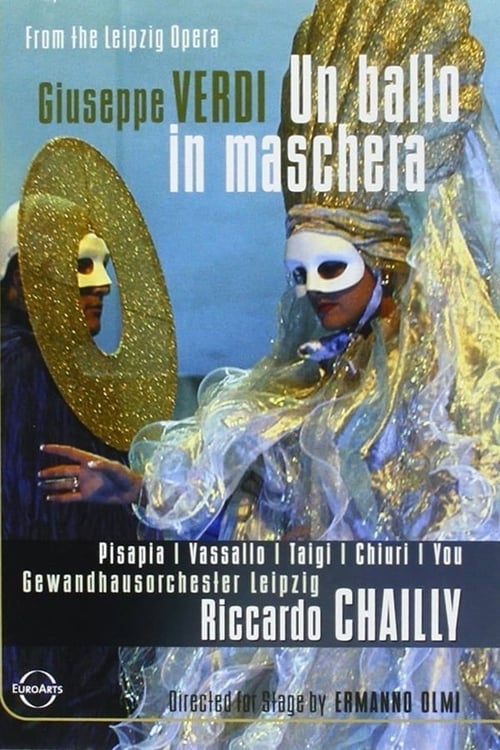
Live performance from Oper Leipzig, 26 November 2005.