Martin Frigon
Directing
Biography
Martin Frigon’s first documentaries were inspired by the people and the vast maritime landscape of Gaspésie, in Eastern Quebec, where he grew up. He applied the cinéma vérité style he learned as a film student to document the rich and colourful lives and language of the fishers in his film Dying at sea (2003), and of miners left stranded by the multinational Noranda in Make Money, Salut, bonsoir! (2004). Using documentary form, Martin gives a voice to the forgotten people of impoverished resource-based communities of Gaspésie, remarkable people who speak out about their hopes and desires for a better future. With Mirage of El Dorado (2008), he continues this approach in the southern hemisphere with a disturbing film about the behaviour of Canadian mining companies abroad. In his latest feature, The Great Invasion (2012), he continues to look at the future of regions and territory, but this time through the prism of overdevelopment. Martin Frigon is not only a documentary filmmaker, but also a passionate writer, and social and history critic. His first book Contes, légendes et récits de l’Outaouais (Tales, legends and stories from the Ottawa Valley) was recently published by Éditions Trois-Pistoles.
Known For

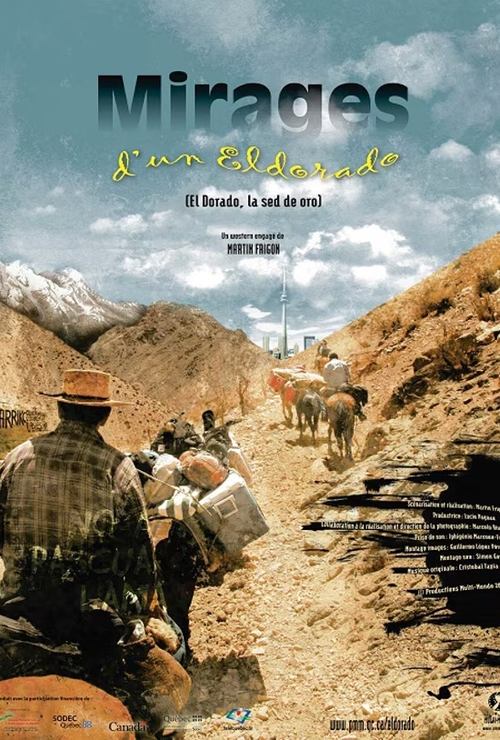
Mirage of El Dorado leads us into the mountains of northern Chile, where the devastating operations of Canadian mining companies threaten a fragile ecosystem in one of the driest parts of the globe. This « political cowboy flick» follows the pitched battle between a farming community in the Huasco valley and Canada’s mining giant Barrick Gold with its sidekick Noranda (now part of the Suisse corporation Xstrata). It’s a battle fought high in the Andes cordillera where farmers and local representatives fear the ravages of open pit mining operations in a place where a fragile system of glaciers feeds the rivers that flow into the farmlands built out of the advancing Atacama desert.
Mirage of El Dorado

No description available.
Cities Held Hostage: Main basse sur la ville

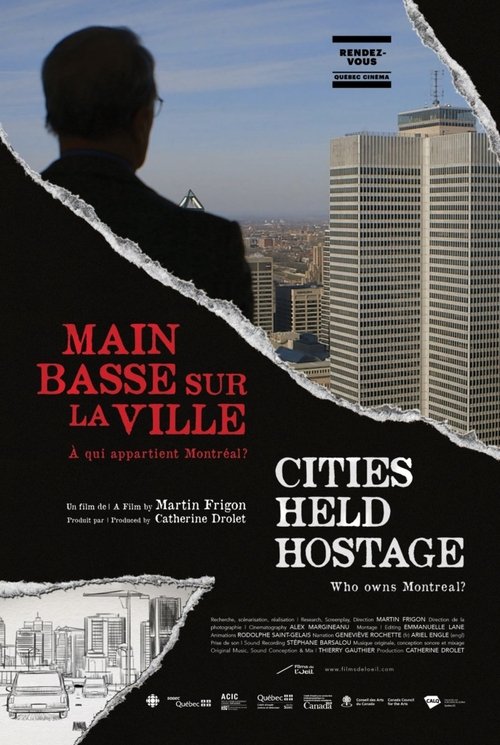
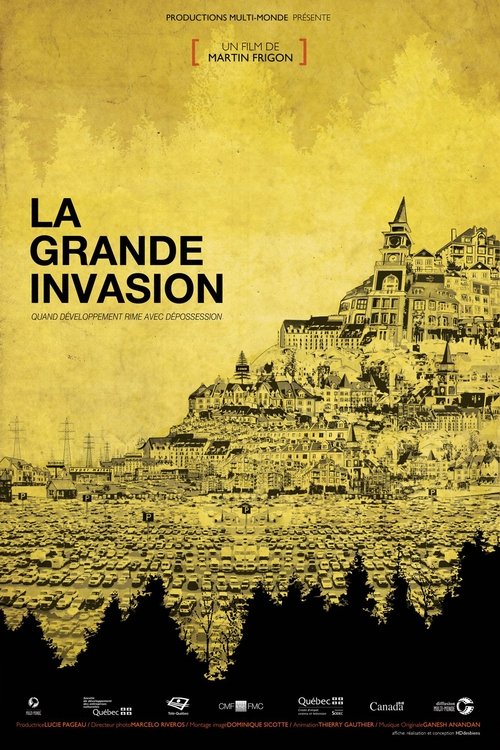
The film looks at the impact of over-development in historic towns in Quebec’s picturesque Laurentian mountains. As big box stores and large retailers drive local merchants out of business, and foreign developers buy up huge tracts of land for resorts, local residents’ property taxes are skyrocketing. While the locals organize against expropriation by taxation, an internationally-known artist, René Derouin, adds his creative energy to protect the heritage of “Les pays d’en haut” from The Great Invasion.
The Great Invasion

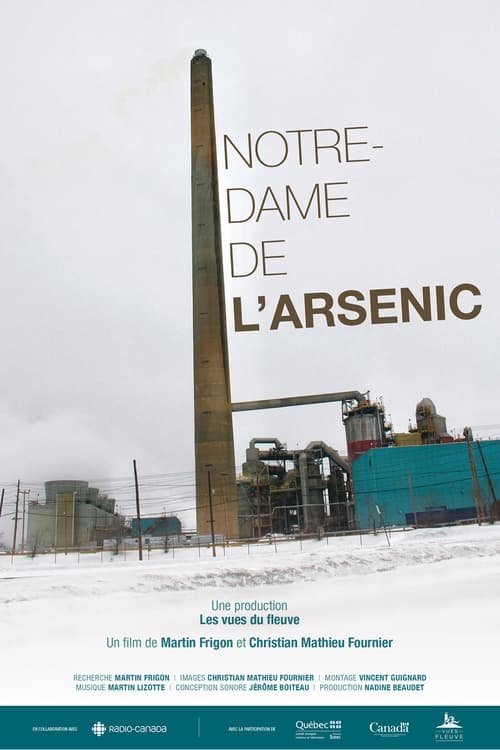
The epicenter of the film is the Notre-Dame district in Rouyn-Noranda, which is in the spotlight thanks to a series of revelations that shed light on the impacts of toxic emissions from the Fonderie Horne. It gives the opportunity to the Abitibi deputy Émilise Lessard-Therrien and the artist Richard Desjardins, originally from the Notre-Dame district, as well as several citizens to speak.
Notre-Dame-de-l'Arsenic
No description available.