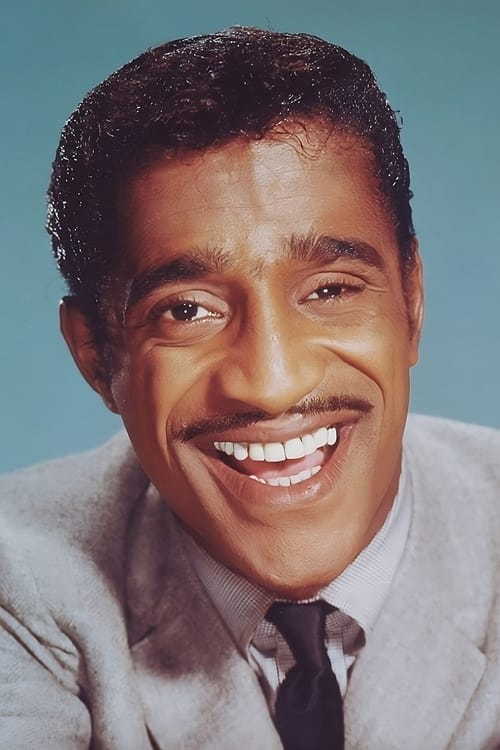
Sammy Davis Jr.
Acting
Biography
Samuel George "Sammy" Davis, Jr. (December 8, 1925 – May 16, 1990) was an American entertainer. Primarily a dancer and singer, Davis was a childhood vaudevillian who became known for his performances on Broadway and in Las Vegas, as a recording artist, television and film star, and as a member of Frank Sinatra's "Rat Pack". At the age of four Davis began his career in vaudeville with his father and "uncle" as the Will Mastin Trio, toured nationally, and after military service, returned to the trio. Davis became an overnight sensation following a nightclub performance at Ciro's after the 1951 Academy Awards, with the trio, became a recording artist, and made his first film performances as an adult later that decade. In 1954, he lost his left eye in an automobile accident. Later the same year, he converted to Judaism. In 1960, he appeared in the first Rat Pack movie, Ocean's 11. After a starring role on Broadway in 1956's Mr Wonderful, Davis returned to the stage in 1964's Golden Boy, and in 1966 had his own TV variety show, The Sammy Davis Jr. Show. Davis's career slowed in the late sixties, but he had a hit record with "The Candy Man", in 1972, and became a star in Las Vegas. As an African American, Davis was the victim of racism throughout his life, and was a large financial supporter of civil rights causes. Davis had a complex relationship with the African American community, and attracted criticism after physically embracing Richard Nixon in 1970. One day on a golf course with Jack Benny, he was asked what his handicap was. "Handicap?" he asked. "Talk about handicap — I'm a one-eyed Negro Jew." This was to become a signature comment, recounted in his autobiography, and in countless articles. After reuniting with Sinatra and Dean Martin in 1987, Davis toured with them and Liza Minnelli internationally, before dying of throat cancer in 1990. He died in debt to the Internal Revenue Service, and his estate was the subject of legal battles. Davis was awarded the Spingarn Medal by the NAACP, and was nominated for a Golden Globe and an Emmy Award for his television performances. He was the recipient of the Kennedy Center Honors in 1987, and in 2001, he was posthumously awarded the Grammy Lifetime Achievement Award.
Known For

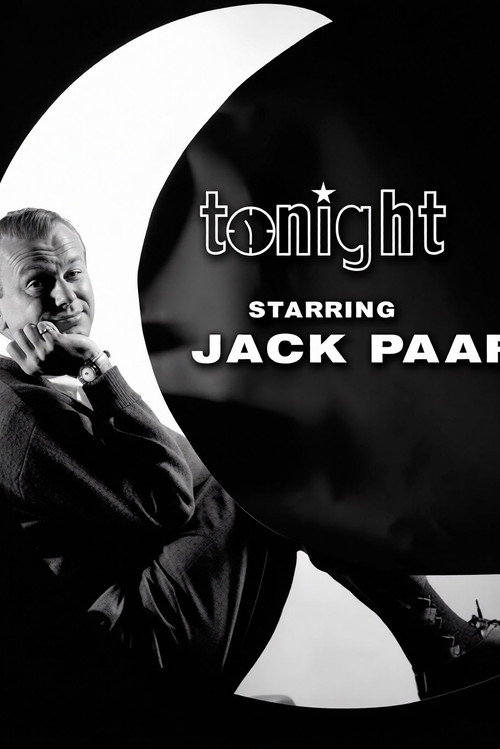
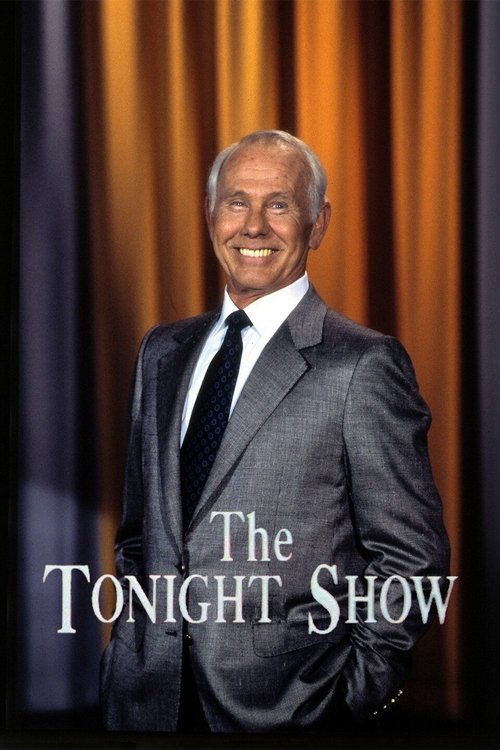
The Tonight Show Starring Johnny Carson is a talk show hosted by Johnny Carson under The Tonight Show franchise from 1962 to 1992. It originally aired during late-night. For its first ten years, Carson's Tonight Show was based in New York City with occasional trips to Burbank, California; in May 1972, the show moved permanently to Burbank, California. In 2002, The Tonight Show Starring Johnny Carson was ranked #12 on TV Guide's 50 Greatest TV Shows of All Time.
The Tonight Show Starring Johnny Carson

The Mike Douglas Show is an American daytime television talk show hosted by Mike Douglas that originally aired only in the Cleveland area during much of its first two years on the air. It then went into syndication in 1963 and remained on television until 1982. It was distributed by Westinghouse Broadcasting and for much of its run, originated from studios of two of the company's TV stations in Cleveland and Philadelphia.
The Mike Douglas Show

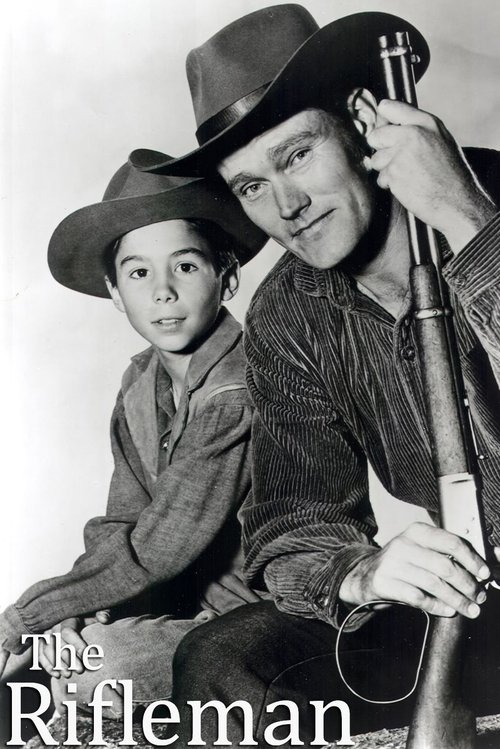
The Rifleman is an American Western television program starring Chuck Connors as rancher Lucas McCain and Johnny Crawford as his son, Mark McCain. It was set in the 1880s in the town of North Fork, New Mexico Territory. The show was filmed in black-and-white, half-hour episodes. "The Rifleman" aired on ABC from September 30, 1958 to April 8, 1963 as a production of Four Star Television. It was one of the first prime time series to have a widowed parent raise a child.
The Rifleman

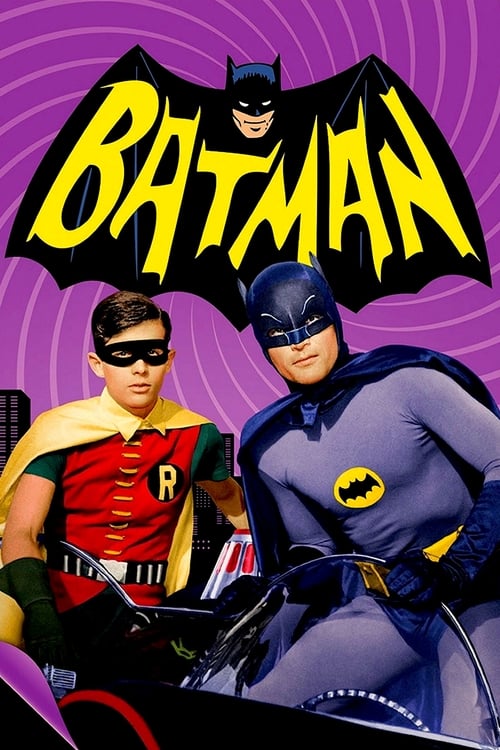
Wealthy entrepreneur Bruce Wayne and his ward Dick Grayson lead a double life: they are actually crime fighting duo Batman and Robin. A secret Batpole in the Wayne mansion leads to the Batcave, where Police Commissioner Gordon often calls with the latest emergency threatening Gotham City. Racing to the scene of the crime in the Batmobile, Batman and Robin must (with the help of their trusty Bat-utility-belt) thwart the efforts of a variety of master criminals, including The Riddler, The Joker, Catwoman, and The Penguin.
Batman

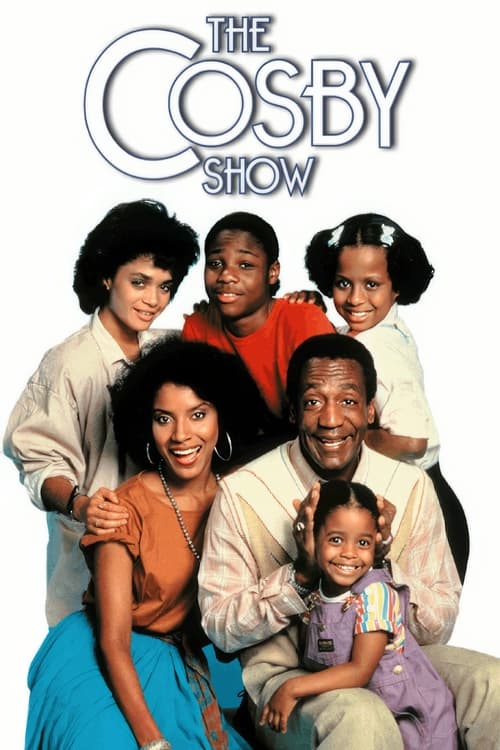
The Cosby Show is an American television situation comedy starring Bill Cosby, which aired for eight seasons on NBC from September 20, 1984 until April 30, 1992. The show focuses on the Huxtable family, an upper middle-class African-American family living in Brooklyn, New York.
The Cosby Show

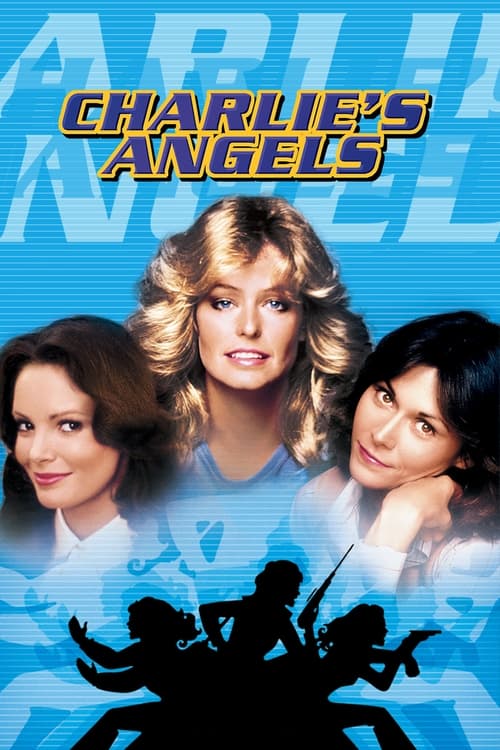
Beautiful, intelligent, and ultra-sophisticated, Charlie's Angels are everything a man could dream of... and way more than they could ever handle! Receiving their orders via speaker phone from their never seen boss, Charlie, the Angels employ their incomparable sleuthing and combat skills, as well as their lethal feminine charm, to crack even the most seemingly insurmountable of cases.
Charlie's Angels

The best in the performing arts from across America and around the world including a diverse programming portfolio of classical music, opera, popular song, musical theater, dance, drama, and performance documentaries.
Great Performances

No description available.
Champs-Elysées

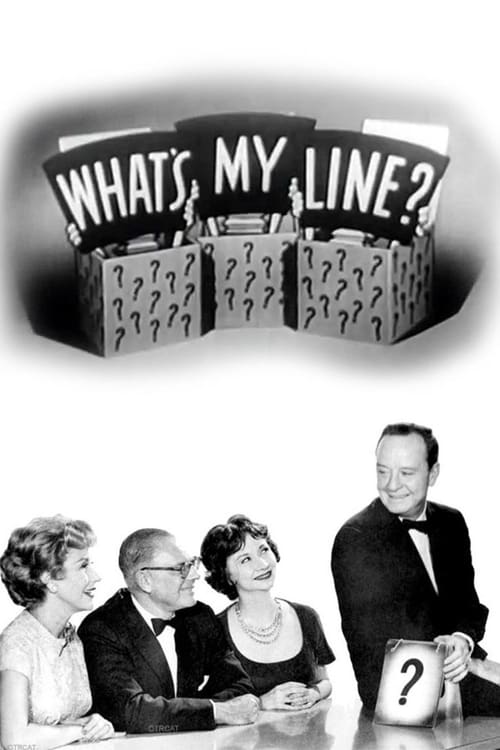
Four panelists must determine guests' occupations - and, in the case of famous guests, while blindfolded, their identity - by asking only "yes" or "no" questions.
What's My Line?

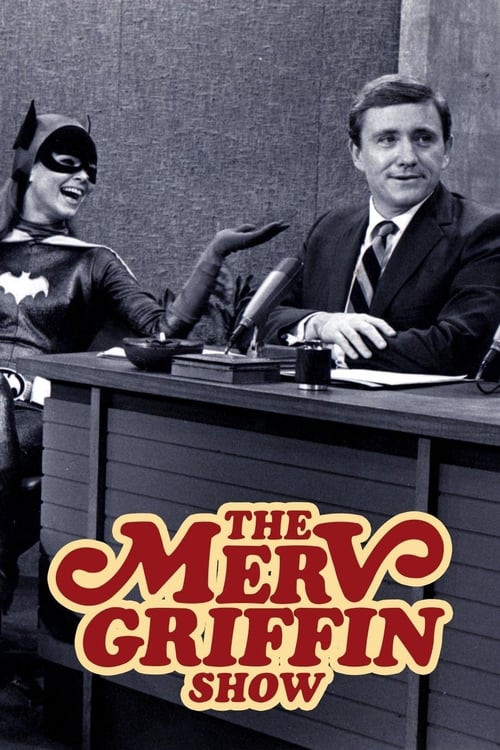
No description available.
The Merv Griffin Show

Chat show hosted by Terry Wogan, featuring live studio interviews with famous and notable personalities.
Wogan

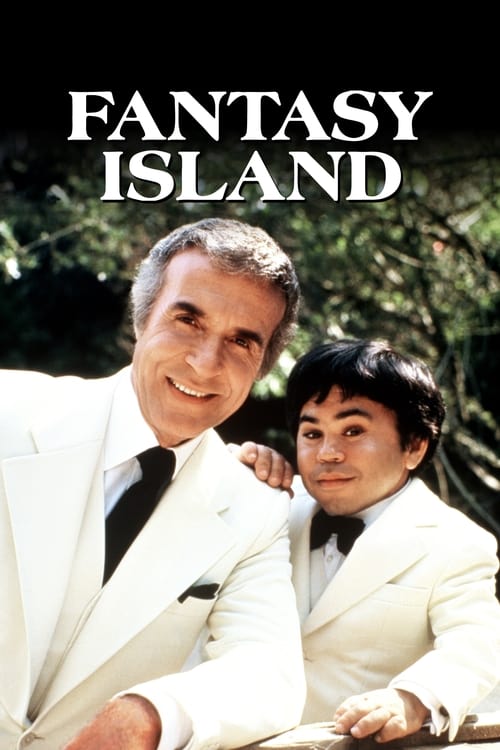
A magical island hosted by Mr Roarke and Tattoo where weekly guests learn valuable life lessons in their pursuit of fulfilling their dreams. Not all dreams are fulfilled as expected.
Fantasy Island

No description available.
Ben Casey

The Dick Cavett Show has been the title of several talk shows hosted by Dick Cavett on various television networks.
The Dick Cavett Show

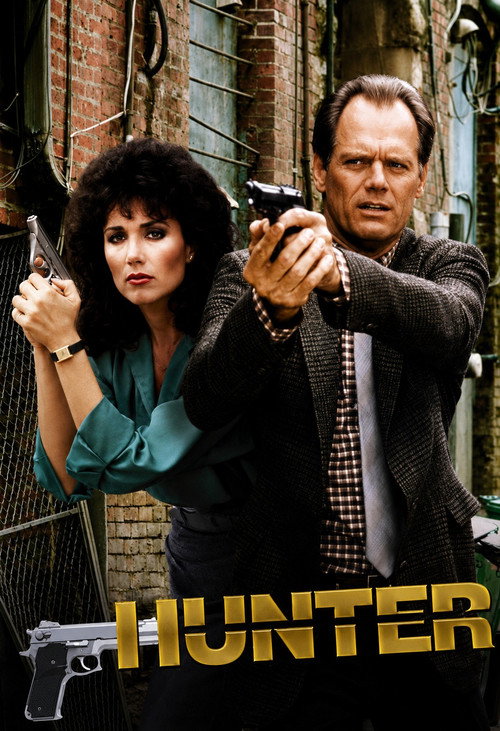
Hunter is an American police drama television series created by Frank Lupo, and starring Fred Dryer as Sgt. Rick Hunter and Stepfanie Kramer as Sgt. Dee Dee McCall, which ran on NBC from 1984 to 1991. However, Kramer left after the sixth season to pursue other acting and musical opportunities. In the seventh season, Hunter partnered with two different women officers. The titular character, Sgt. Rick Hunter, was a wily, physically imposing, and often rule-breaking homicide detective with the Los Angeles Police Department. The show's main characters, Hunter and McCall, resolve many of their cases by shooting dead the perpetrators. The show's executive producer during the first season was Stephen J. Cannell, whose company produced the series.
Hunter

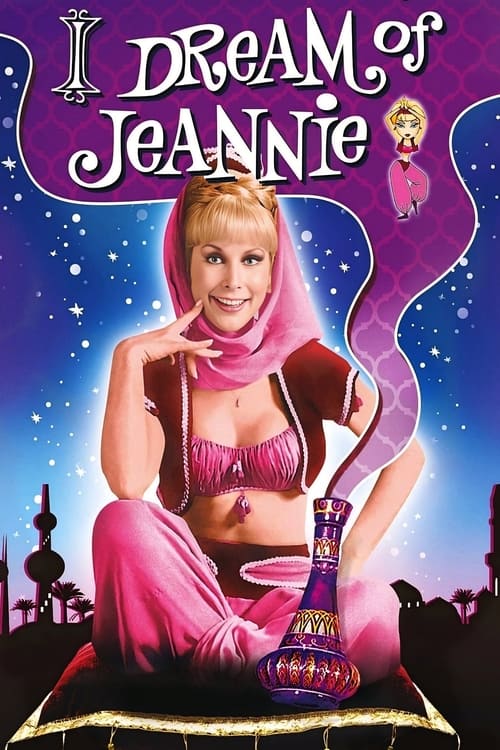
While on a mission, American astronaut Captain Tony Nelson is forced to make an emergency landing that will forever change his life. On a deserted South Pacific island, Captain Nelson happens upon a bottle containing a beautiful two-thousand-year-old female genie named Jeannie. Rescuing her from the bottle nets Tony the requisite three wishes, and then some, when Jeannie pledges total devotion to her new "master".
I Dream of Jeannie

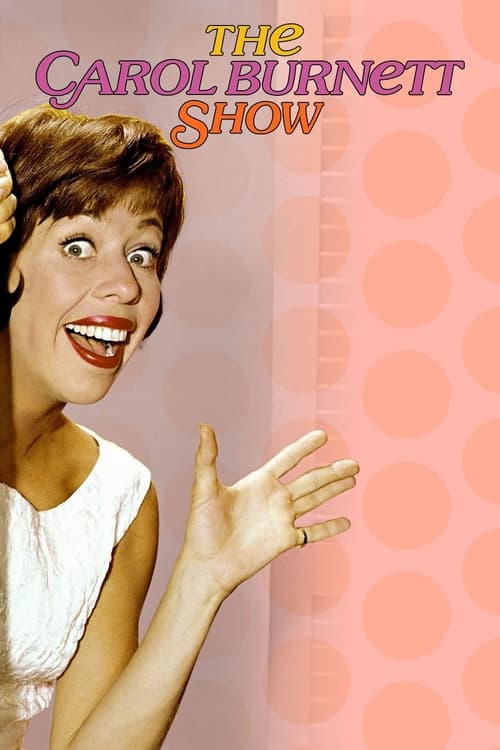
The Carol Burnett Show is an American variety/sketch comedy television show starring Carol Burnett, Harvey Korman, Vicki Lawrence, Lyle Waggoner, and Tim Conway. It originally ran on CBS from September 11, 1967, to March 29, 1978, for 278 episodes and originated from CBS Television City's Studio 33. The series won 25 prime time Emmy Awards, was ranked No. 16 on TV Guide's 50 Greatest TV Shows of All Time in 2002 and in 2007 was listed as one of Time magazine's "100 Best TV Shows of All Time."
The Carol Burnett Show

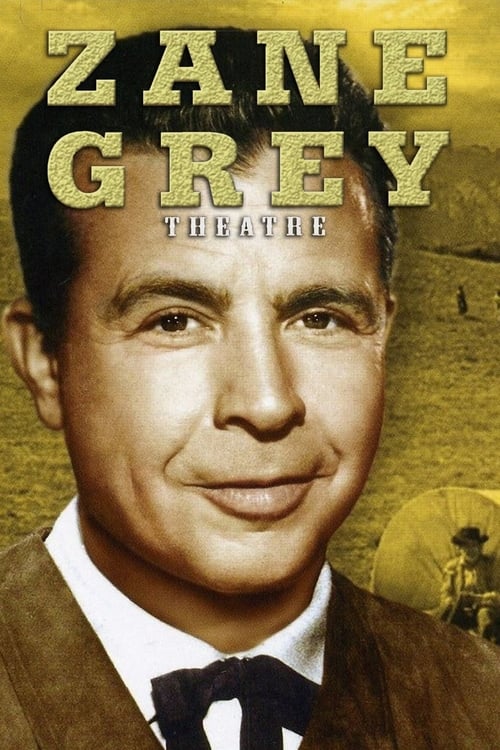
Dick Powell's Zane Grey Theatre, sometimes simply called Zane Grey Theatre, is an American Western anthology series which ran on CBS from 1956 to 1961.
Dick Powell's Zane Grey Theatre

Burke's Law is an American detective series that ran on ABC from 1963 to 1965 and was revived on CBS in the 1990s. The show starred Gene Barry as Amos Burke, millionaire captain of Los Angeles police homicide division, who was chauffeured around to solve crimes in his Rolls-Royce Silver Cloud II.
Burke's Law

The Ed Sullivan Show is an American TV variety show that originally ran on CBS from Sunday June 20, 1948 to Sunday June 6, 1971, and was hosted by New York entertainment columnist Ed Sullivan. It was replaced in September 1971 by the CBS Sunday Night Movie, which ran only one season and was eventually replaced by other shows. In 2002, The Ed Sullivan Show was ranked #15 on TV Guide's 50 Greatest TV Shows of All Time.