Production
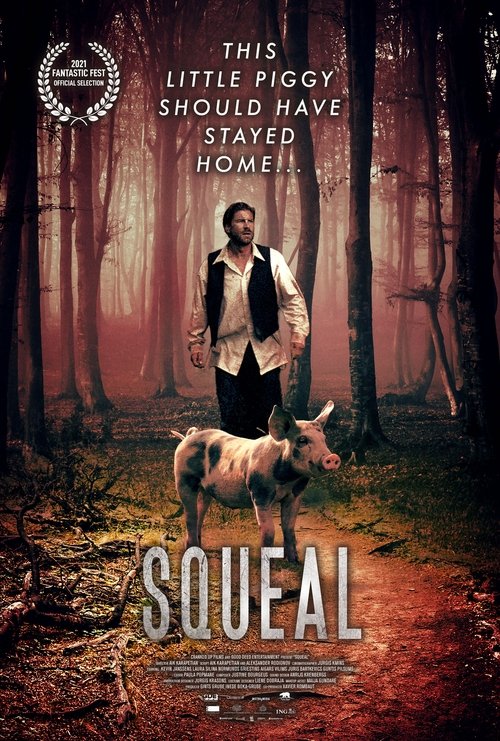
Lost in remotest part of Eastern Europe, Sam is a foreigner, searching for his biological father Lagzdins where a minor road accident leads to a chance meeting with a pig-farmer's daughter, who captures him and makes him a forced laborer on the farm.
Edith is a curiosity-driven journalist and single mother. Solo parenting proves to be complicated, but when the identity of the man who donated the sperm that got her pregnant surfaces, she seeks him out under the false pretext of interviewing him about his company.
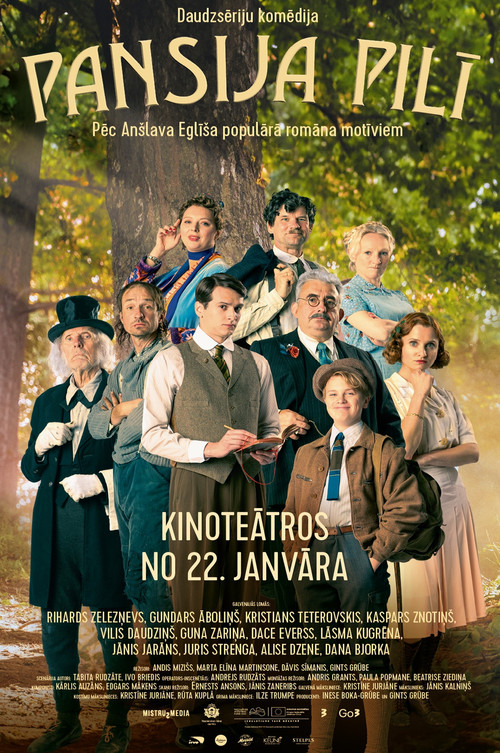
A miniseries about the events during one summer in a family of a writer who are unexpectedly granted a remote estate with all its unusual inhabitants, and who has to decide what to do with the dilapidated estate. Exciting and comic events in eight episodes in which the future writer Anšlavs Eglītis together with his brother Vidvuds, father Viktors and his wife Hilda Vīka, begin the restoration of the estate, at the same time opening a boarding house, which becomes the intersection and summer stage of the neighbourhood, ghosts of the past, visitors from the city and Latvian intellectuals in Latvia in the 1920s.
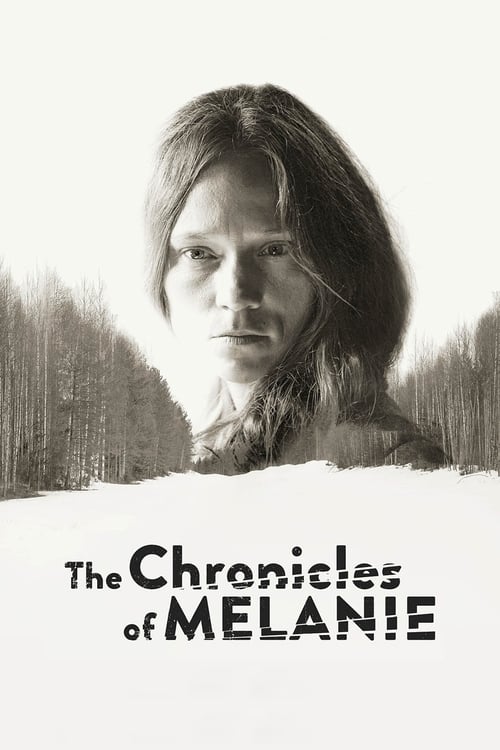
The 14th of June 1941, Soviet-occupied Latvia. Without warning, the authorities break into the house of Melanie and her husband Alexander, and force them to leave everything behind. Together with more than 15 000 Latvians, Melanie and her son get deported to Siberia. In her fight against cold, famine and cruelty, she only gains new strength through the letters she writes to Alexander, full of hope for a free Latvia and a better tomorrow.
No description available.
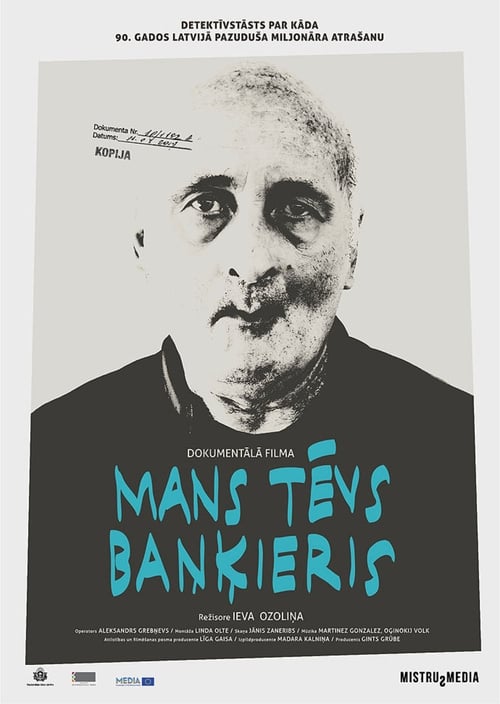
Self-made banker Boriss Osipovs achieves quick success immediately after the collapse of the USSR, but he flees Latvia to avoid arrest for illegal operations. Fifteen years later, his family receives a photograph from Interpol of an elderly gentleman with the same name who resides in a Malaysian mental asylum. Could it be him? Despite the reservations of her family, Osipovs’ daughter, documentary director Ieva Ozoliņa, starts an investigation to find out the truth about the man in the photograph. An emotional story about a man who loses himself in times of change...and the daughter who hopes to find him.
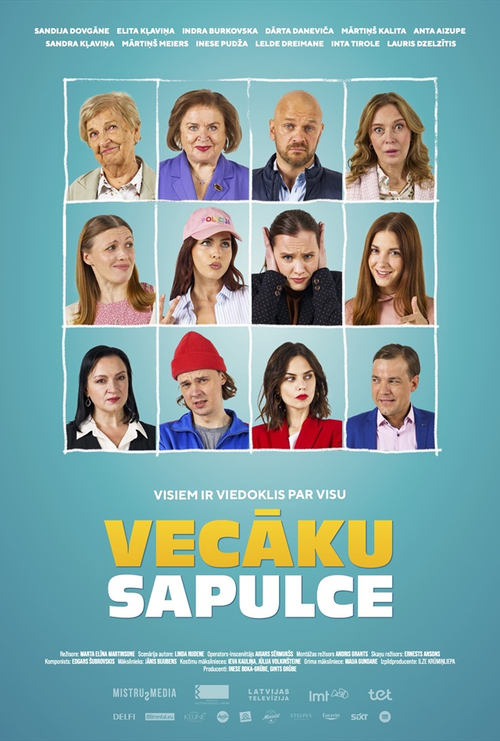
Trying to make a professional impression, the teacher of the 9th grade Dārta organises a parents' school meeting, but the parents' childish behaviour turns the gathering into a disaster, becoming the biggest challenge of Dārta's career so far. The new teacher prepares for the meeting, while the parents arrive late - so does the businessman Jānis, the president of the parent's school council Žanete arrives with flowers and a gift; the spouses of an open marriage Valts and Laine playing "truth or dare", while the recently divorced Maija and Raivo exchange barbs. The planning of the children's graduation turns into an absurd escalation of conflicts between the parents.
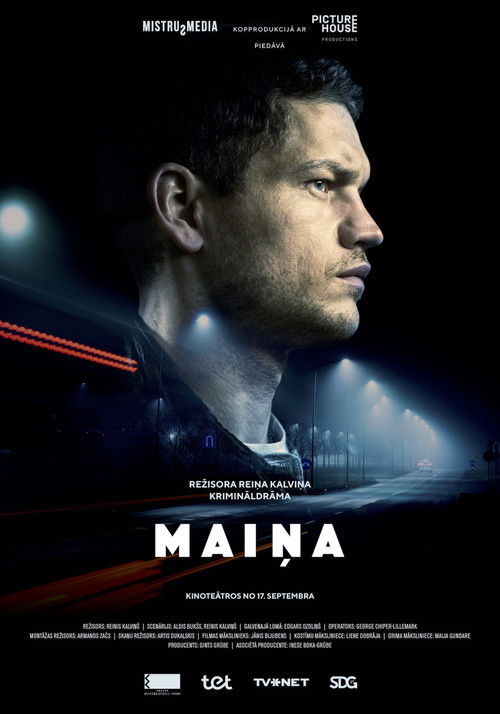
Mareks (32) is a young taxi driver in Riga working hard to provide for his son. He is looking forward to spending the weekend with him when an envelope full of cash is stolen from his taxi. With a debt to repay to his short-tempered boss, Mareks needs to earn the money back fast. He drives to the airport and hotels in the hopes of getting some well-paying customers. However, the competition for clients is fierce. Mareks ignores the established rules and upsets the delicate balance between rival taxi companies. As the morning approaches getting the money seems to be the least of Mareks problems.
A story about Emīlija Benjamiņa, the “queen of the press” in interwar Latvia, whose wealth and tragic fate have since become folklore. The film’s narrative covers the period from the beginnings of Emīlija’s magazine Atpūta (Recreation), to her arrest and slow demise in a train en route to Siberia. The most prominent clairvoyant of the time - Eugene Fink’s prophecy that Emīlija would die from starvation in a foreign land (which served to be true) weaves through the narrative as a red thread. With this strong woman at the centre of the story, the film shows Latvian society in all its richness and gives the audience the opportunity to meet many well-known historical figures.
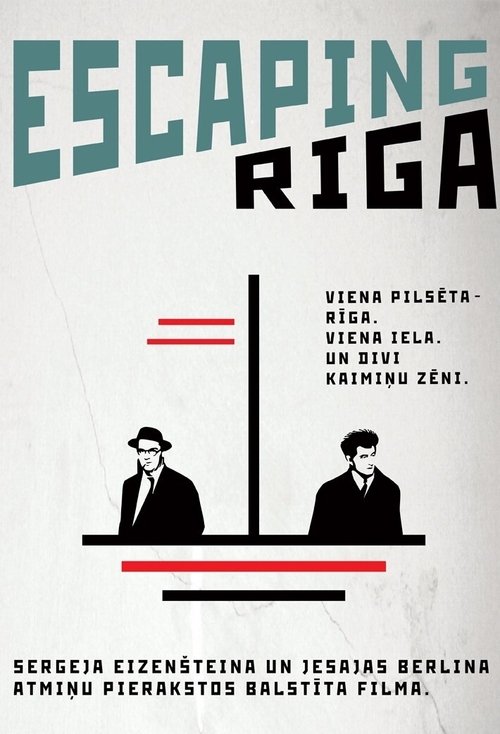
The film is based on true events, it tells the stories of two outstanding personalities of the 20th century – Sergei Eisenstein and Isaiah Berlin, who were both born and spent their childhood in Riga but soon had to leave the city. The film follows the lives of the two characters during the turbulent first half of the 20th century, telling how one of them becomes “the greatest film director of his generation” in the totalitarian Soviet Union, and the other “the greatest thinker of his generation” in liberal Great Britain.
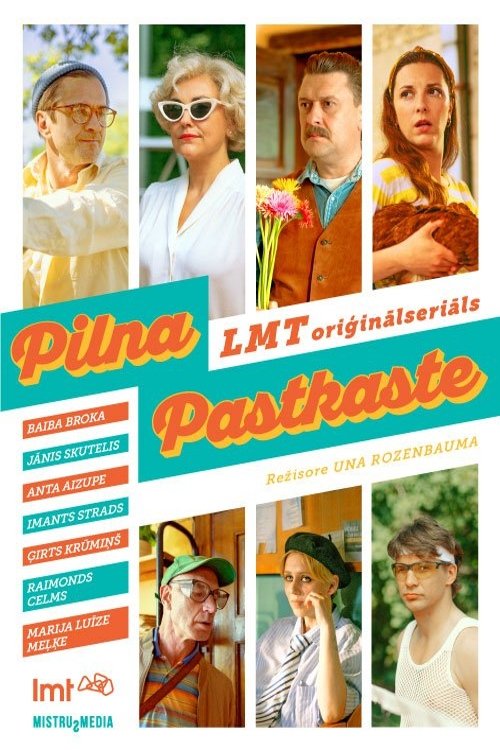
Adam, a man from the capital, lands a job in a postal office of a quiet town. His boss, Anita, a small-town Marilyn Monroe, has two concerns - a lack of romantic partner, and a battle with a rival postal office nearby, as one of them will be closed. Adam becomes enchanted by a woman who works at a nearby cafe, while her colonel father is too shy to express his feelings towards Anita and writes anonymous love letters instead...
As the world of opera begins to shift its rules, Elīna Garanča stands at the peak of her career, already starting to plan how to bring it to a close—while also continuing in new ways. Her talent, self-discipline, and strong character won’t allow her to stop, driving her instead to pursue an unfulfilled dream: to become a dramatic theatre actress.
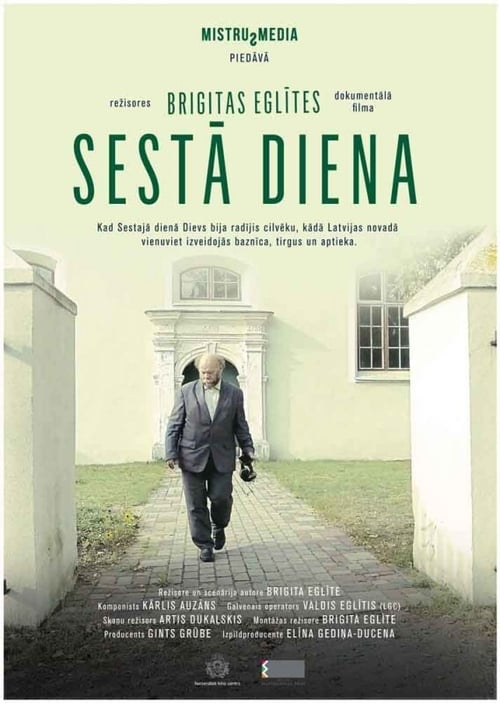
For many years, Saturday market in Skulte has been one of the main events of the week. The roles in the market have been carefully divided among the locals – there’s the pastor of the local parish, the bell-ringer, the pharmacist and the nearby residing sheepman, and it’s been long since it’s not just a customer-vendor relationship among them. Suddenly the owner of the market comes on the scene – he has decided to move it all to a new location, which so far has been known as an accident blackspot.
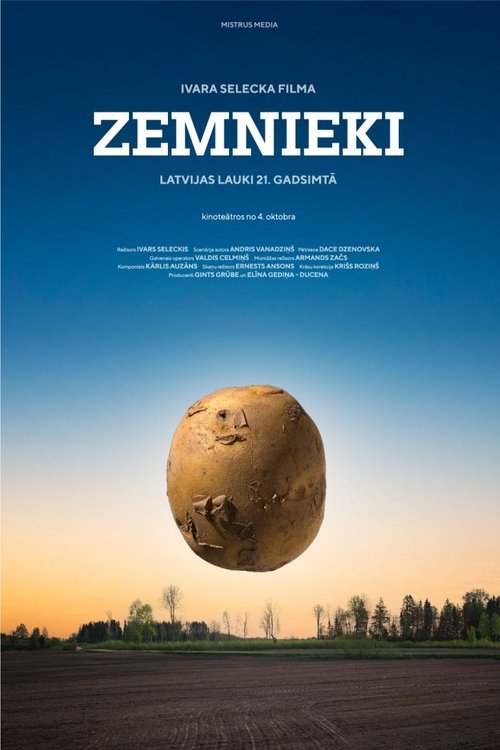
Through six very different families, documentary “The Land” shows the variety of the countryside in the 21st century, the contradictions of countryside living as well as illusions about farmer’s life. There are various reasons why our protagonists chose to live in the homesteads, away from the hustle and bustle of the city. Some were done with spending too much time in an office, traffic and living a virtual life, they wanted real, tangible things. Some have moved to countryside by their own choice, but some by predisposition of their families. But what unites them all - they aspire for the stability provided by their own land and house. Together with our protagonists, we will spend one year’s cycle of farmer’s life, that will start with the spring sowing and finish with the autumn harvest and land preparation for the next year.
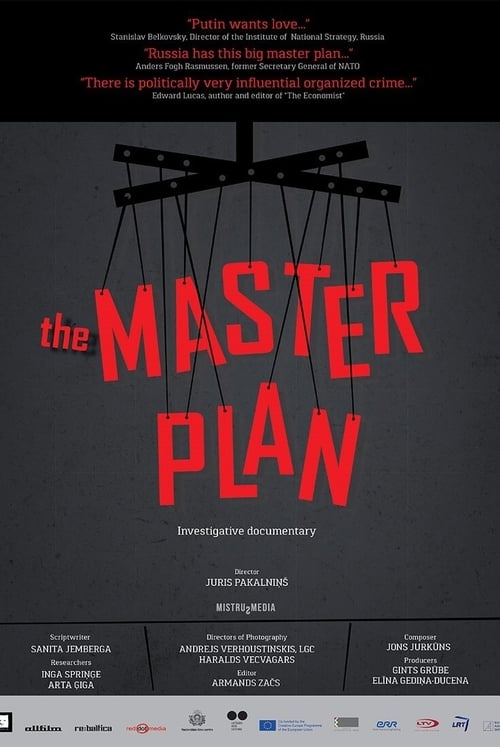
This investigative documentary explores the methods through which Russia influences the domestic policy of the Baltic States – by dividing the local community, promoting nostalgia for the Soviet Union and dismissing the recovered independence of the Baltic States.
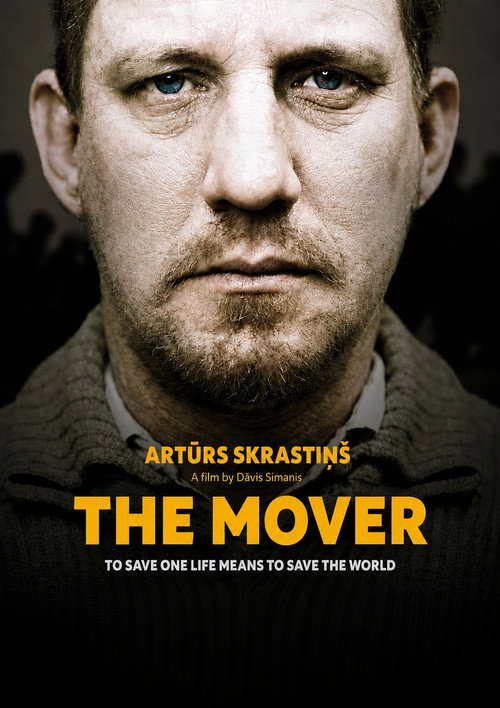
Žanis Lipke, an ordinary blue-collar worker in Latvia, embarks on a covert operation. Despite his family’s hardship under successive Soviet and German occupations, Lipke tries to save local Jews from Nazi persecution and certain death, moving them from the Riga ghetto to an underground bunker hidden on his property.
In the minds of people, Brussels is no longer a geographical location; it is now a myth-surrounded centre, where decisions are made regarding future life in Europe. The most brilliant minds from the European countries have convened in Brussels: former state leaders, highly-placed officials, advisors, translators and interpreters, as well as family members of all these people. Together, they comprise a sort of separate planet ruled by special laws and using new methods of communication; it is a place of a high concentration of power and all sorts of creature comforts. The anxiety following the 2016 attacks on Brussels has taken everyone by surprise, and the question whether to stay on Planet Brussels now comes up increasingly often. The Brexit news gave completely different kind of concussion to the commonly established center of Europe.
At 22, Kristaps still lives with his father, and their relationship is far from perfect. Every conversation turns into an argument because both men refuse to be open - Kristaps does not talk about his homosexuality, his father about his new relationship and how he appreciates his son's presence. The impetus to change comes when Kristaps meets his boss, Marek, who in Kristaps' eyes symbolises freedom.
A boy's body is discovered in a peat field, and a local drunk confesses to a decades-old murder. Policeman Broze reopens the case and is forced to confront his own role in the tragic game played by boys 30 years ago—a day he can't remember or forget.
A story of the journey to success of a young sportswoman who, with the support of her family and great determination, has already become the best Latvian skier of all time and is gradually moving towards her goal - to be among the best cross-country skiers in the world. The film documents the gruelling training, tough competition, sweat, tears and responsibility to her loving family. The film is about a woman who wants to reach the top and is willing to pay the ultimate price by dedicating her youth to the sports.