František Marek
Acting
Known For
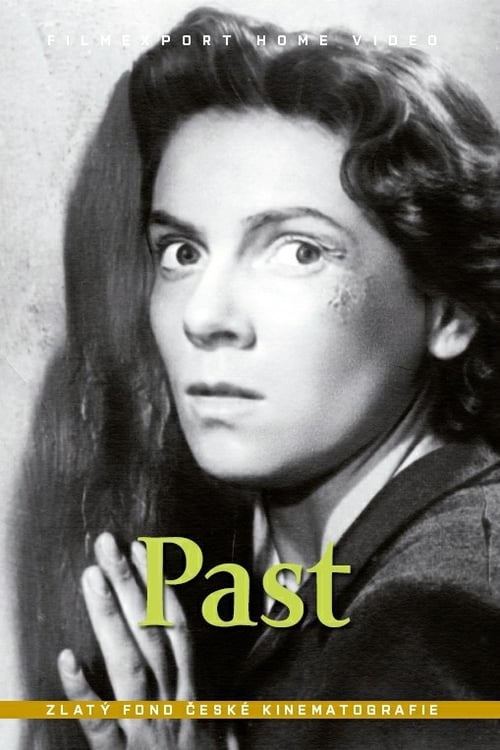
The drama from the time of the Nazi occupation begins at the train station, where a transport with German soldiers is passing. The train is stopped due to improvised sabotage by one of the railway workers. Resistance liaison Růžena Kubínová is arrested in a random raid. The cynical councilor Dönnert discovers her false documents and has her brutally interrogated. He suspects that she could contribute to exposing the entire group. He puts a informant, Herta, in her cell.
The Trap
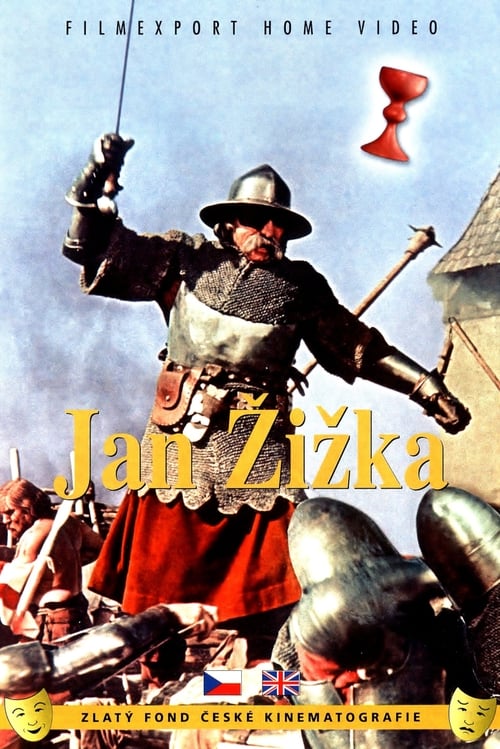
The second part of the revolutionary Hussite trilogy takes place in the years 1419-1420.
Jan Žižka
No description available.
Přiznání
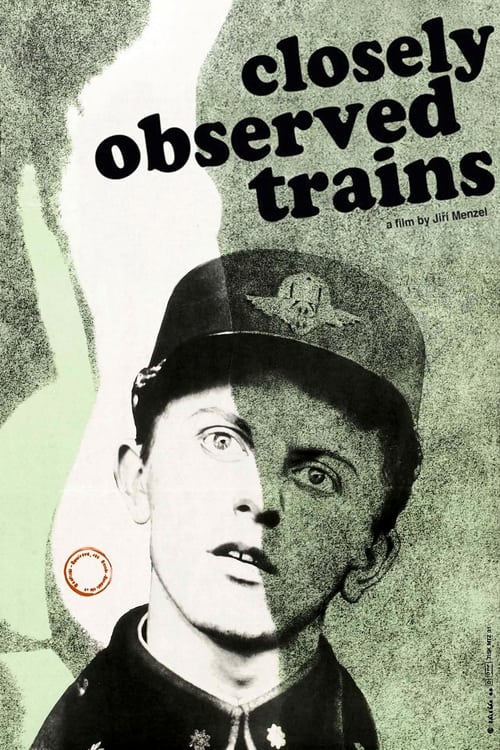
At a village railway station in occupied Czechoslovakia, a bumbling dispatcher’s apprentice longs to liberate himself from his virginity. Oblivious to the war and the resistance that surrounds him, this young man embarks on a journey of sexual awakening and self-discovery, encountering a universe of frustration, eroticism, and adventure within his sleepy backwater depot.
Closely Watched Trains
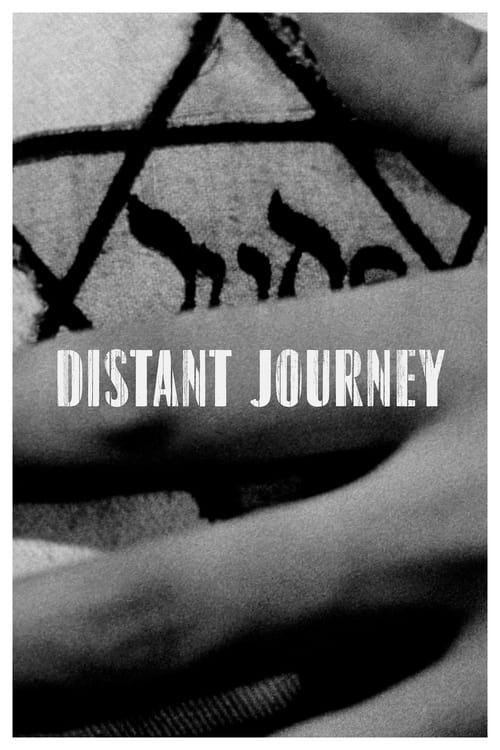
Prague, during World War II. Hana Kaufmann, a Jewish ophthalmologist, marries Dr. Antonín Bureš, a Christian man. When her family is sent to the Theresienstadt concentration camp, their romance turns into a struggle for survival.
Distant Journey
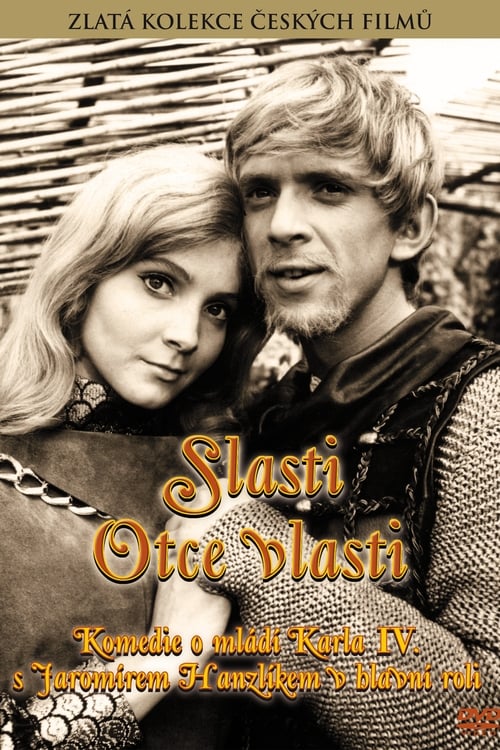
The young Prince Charles (Jaromír Hanzlík), the future King of his country Charles IV, is being educated at the French court in the company of his fiancée Blanche (Daniela Kolárová). One day he receives a summons from his father John of Luxembourg (Milos Kopecký) in Italy. He leaves for Italy accompanied by a deputation from Bohemia. On the way the prince's company fights a battle with armed Milanese against heavy odds. Thanks to Charles's perspicacity, the prince's almost naked soldiers win through. In Lucca in Italy Charles joins his father, and here he experiences an amorous adventure and escapes from the traps laid by the Italian rebels.
Slasti Otce vlasti
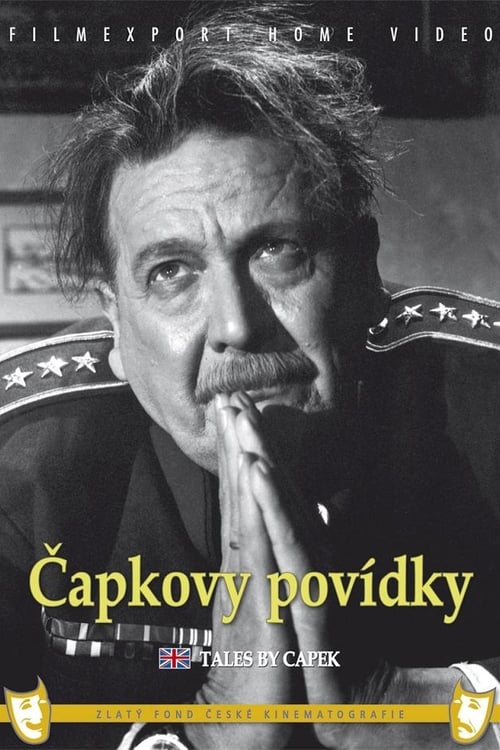
Five crime stories connected by the narration of police superintendent Bartosek.
Capek's Tales
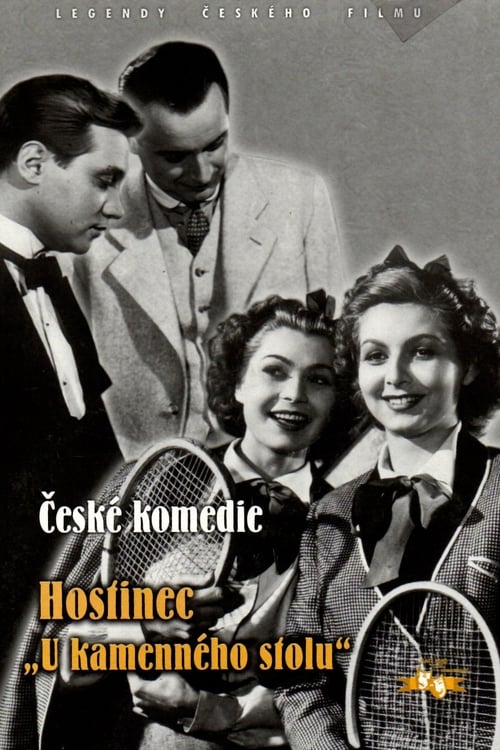
An innkeeper is grieving because his wife left him for a second-rate actor. His two nephews, who are not on speaking terms, have to take over the running of the establishment...
Hostinec „U kamenného stolu“

In early 20th century Czechoslovakia, a gravely ill chemist recalls his discovery of a powerful explosive and how it landed in the hands of anarchists.
Krakatit
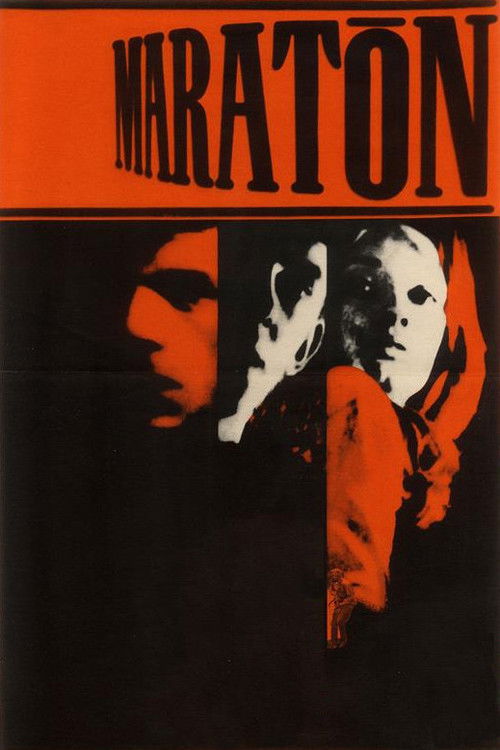
It is 5 May 1945 and the uprising against the hated German occupiers has broken out in Prague. The Czech guards open the gate of the Pankrác prison to allow the prisoners to escape en masse. Many of them are shot dead by the German guards but young Ruda (Jaromír Hanzlík) manages to run away. He is taken care of by one of the Prague fighters, concierge Kytka. Kytka hides him in the flat of the house's owner where only the young maid Karla (Jana Brejchová) is left, ordering her to take care of Ruda.
Marathon
No description available.
The Musician
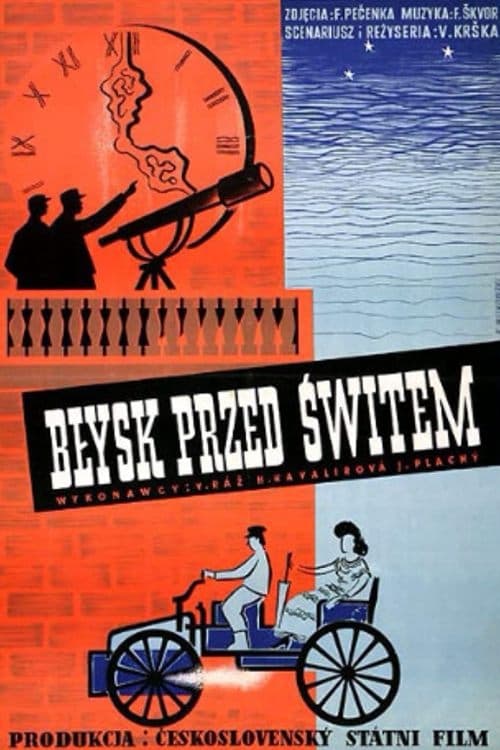
A biographical film about a Czech mechanic and designer who was the first in the Czech lands to construct a steam car.
Posel úsvitu
The Czech revival movement is divided at the end of the first half of the 19th century. While the older generation, such as František Palacký, urges restraint, students lean towards radical positions. A report on the revolutionary events in Paris prompts Czech Prague residents to write down the demands of the Czech nation for self-determination and the proclamation of a constitution. Tensions peak during the All-Slavic Congress in Prague's Žofín. Vienna rejects the Czech demands and the congress is brutally dispersed by the Austrian police. Prague begins to build barricades...
Year of the Revolution 1848
A socialist drama from the time of the February coup. The owner of the brickyard will use several workers before February in order to subvert worker solidarity and continue to do his black business. However, the vigilance of a young, aware worker prevents him from doing so.
Dva ohně
No description available.
Olověný chléb
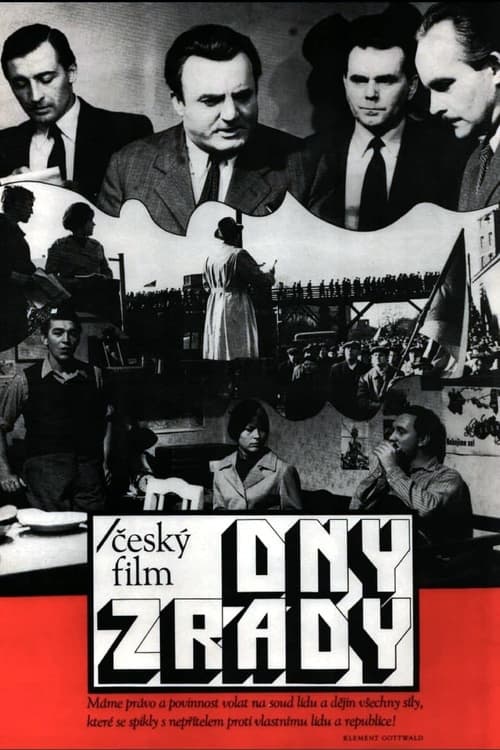
This feature film based on the events of 1938 is a chronicle of the futile efforts of the Czechoslovak president Edvard Benes (Jirí Pleskot), politicians and ordinary citizens, to save the independence and the territorial integrity of the state from the advance of Hitler's Germany. On the 29th of March 1938 the leader of the Sudeten Germans Henlein (Werner Ehrlicher) has a meeting with Hitler (Gunnar Möller). Hitler orders him to intensify pressure on the Czechoslovak government. On the 24th of April in Carlsbad, the Sudetendeutsche Partei (Sudeten German Party) decides upon eight demands that are unacceptable to the Czechoslovak President, since they would ultimately lead to the break-up of the Republic. Benes still shows a certain willingness to negotiate, and Henlein resents this. The Germans are determined to make further negotiations impossible through incidents and violence.
Days of Betrayal
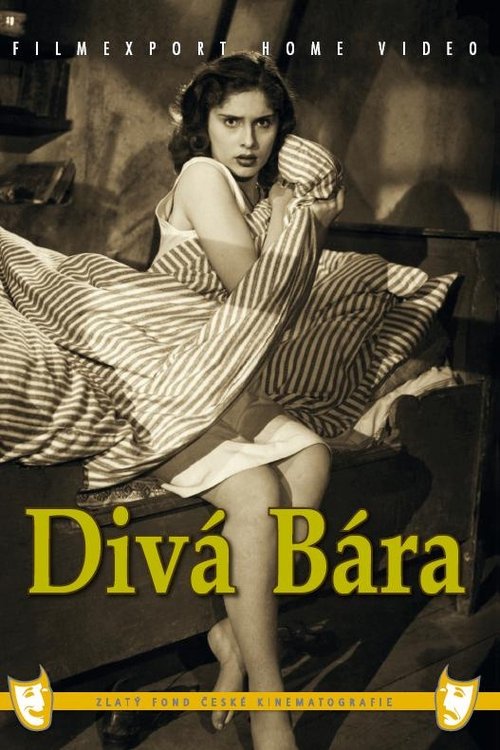
This is a romantic story about a brave, self-made girl, despised daughter of a shepherd. She is not afraid of anything - neither night nor swimming. But the superstitious villagers are telling weird stories about her and about all sorts of strange things, even her conjunction with the powers of hell.
Divá Bára
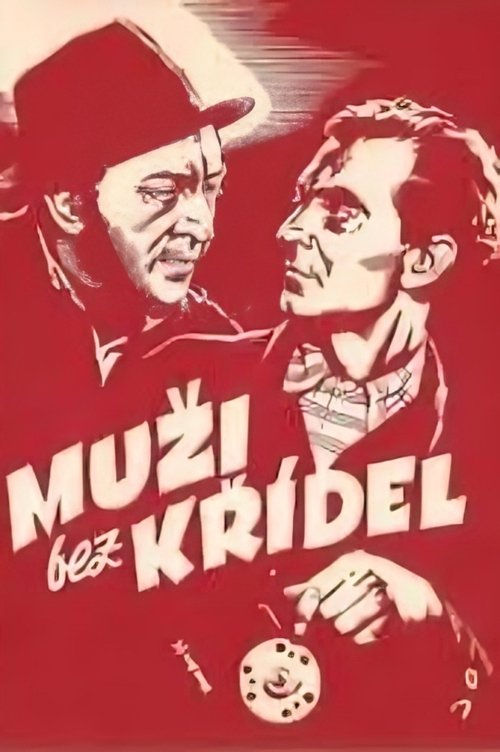
After an attack against the guard of the Third Reich, Nazi repression intensifies, and the Czechoslovakian resistance's organized sabotage in an aircraft factory leads to Gestapo shootings.
Men Without Wings
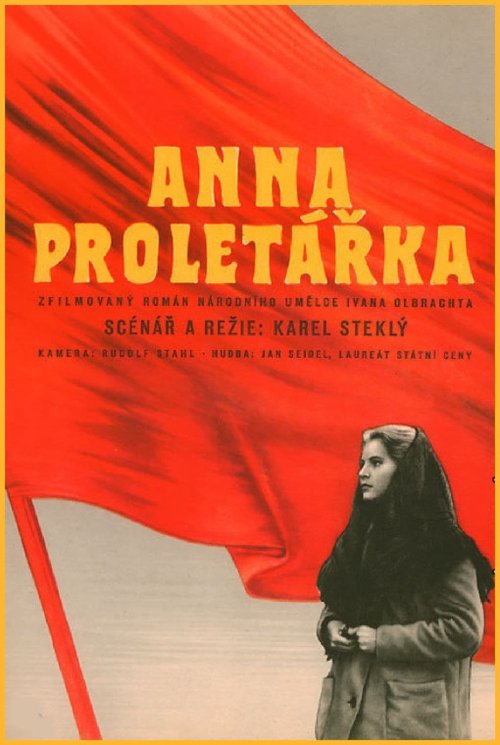
The movie describes proletarian life in the Czech Lands after World War I.
Anna the Proletarian
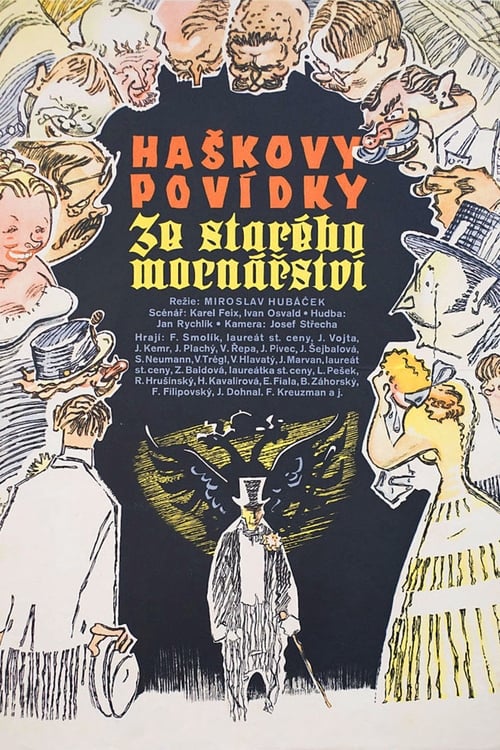
Four short stories by the greatest Czech satirist Jaroslav Hašek. "Soup for Poor Children" tells the story of how Prince Robert himself cooked soup for poor children, "Meeting of the Municipal Council in Mejdlovary" is the history of filling the position of municipal policeman, "Trampotes of Mr. Tenkrát" shows how strange events lead to marriage and promotion, "Revolt of the Convict Šejba" depicts the victorious fight of the convict Šejba for a dumpling for ministering at mass.