
Juan Forch
Directing
Biography
The Chilean director, author and photographer Juan Forch was born in Santiago, Chile, in 1948. He studied journalism at the Universidad de Chile. While still a student, he worked as a photojournalist for Ramona magazine and joined the ChileFilms company as a scriptwriter and director for short documentaries. In 1972, he also co-wrote with Lucho Abarca the well-known study, Viaje por la juventud (A Journey through Youth, Quimantú publishing house), about the subculture youth scene in Chile. After the military coup in Chile in 1973 and a short detention, he immigrated to East Germany via Mexico. After working at the camera manufacturer, Dresden Pentacon, he joined the DEFA Studio for Animation Films in Dresden and learned the craft of animation. Between 1975 and 1978, Forch made several animation and documentary films drawing on his Chilean background and his artistic and political experiences in exile. The photo collages Chile lebt (1976) and Keiner kann die Revolution aufhalten (1976), the latter in collaboration with media artist Lutz Dammbeck, proclaim a hope for victory of progressive forces over the Pinochet dictatorship. The collage Chile (1975) by Forch and Jörg Herrmann reveals the USA as the backer of the military coup in Chile on September 11, 1973. The trick collage Hitlerpinochet (1975) by Forch and Herrmann draws similarities between political slogans used by Adolf Hitler and Augusto Pinochet. In 1976, Forch and Rolf Hofmann, filmed Chilean students in Dresden while drawing a mural in honor of former President Salvador Allende (Brigada - Ein Beitrag zur Solidarität anläßlich der 16. Arbeiterfestspiele 1976 in Dresden). The cut-out animation film Neutronenfrieden? (1977) offers a warning against a nuclear war instigated by the USA. Forch creates a visually and colorfully powerful epic about the life of the Indigenous Mapuche community in the cut-out film Lautaro (1977), his most comprehensive work at the Dresden studio. Moreover, the animation film Rosaura (1978) by Forch and Lothar Barke atmospherically translates a poem by Juan Forch into images. In 1978, Forch returned to Chile and created short commercials. Parallel to that, he worked on Chilean and foreign documentaries about the political situation in Chile, as well as developing his own productions on the Chilean art scene in the 1980s. In 1988, he was involved in the political NO campaign that helped crumble the Pinochet regime. Director Pablo Larrain narrates the history of this campaign in his feature film NO (2012). This film was nominated for Best Foreign Language Film at the Academy Awards and screened at the prestigious Cannes Film Festival where it won the 2012 C.I.C.A.E. Award. Forch was also associate producer for the thriller Johnny cien pesos (1993, dir. Gustavo Graef Marino) that was selected as the Chilean entry for the 2013 Best Foreign Language Film at the Academy Awards. After the NO Campaign in Chile, Forch has worked as a consultant on electoral campaign issues and political communication in several Latin American countries. Since 2000, Forch has written several novels, as well as poetry and short stories. He has also had his work featured in galleries and film festivals. Juan Forch currently lives in the southern part of Chile.
Known For
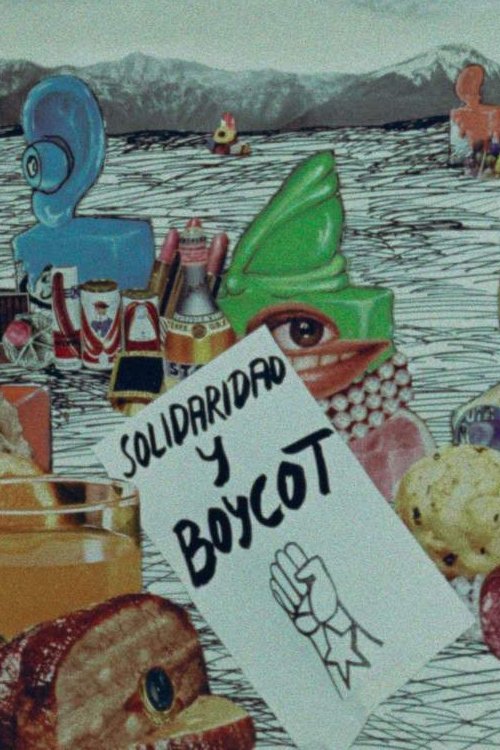
Combining collage animation and live action, this short depicts the achievements of the Chilean people under the Allende government and the subsequent reversal of this progress following the military coup. The collages were created by East German media artist Lutz Dammbeck; the Chilean artists Juan Forch and Vivienne Barry did the animation.
Nobody Can Stop the Revolution
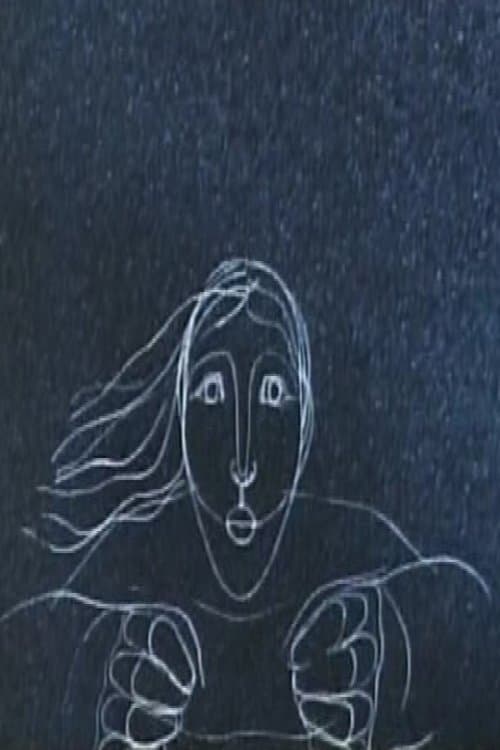
This film visualizes humanity’s quest to relentlessly pursue goals. In the human fight for progress, the march forward cannot be stopped, even when individual people become weary and die. This animated short is based on a poem by the Chilean filmmaker and poet Juan Forch. Chilean painter Hernando León created the design.
Rosaura
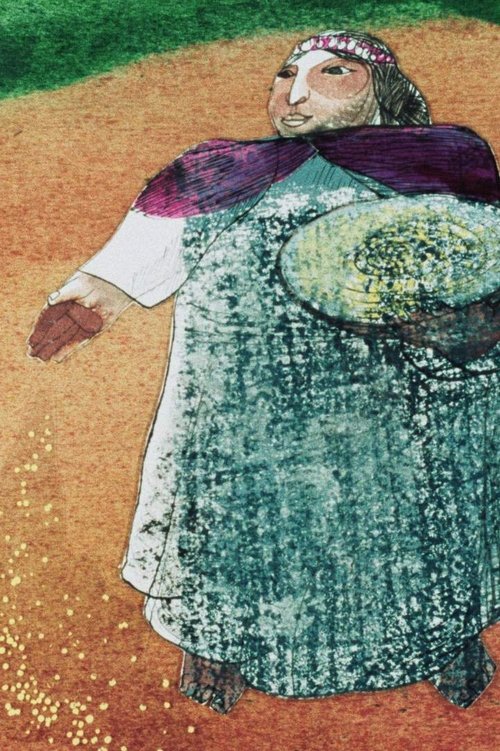
The Mapuche tribe asks their Gods for help in difficult situations, including illness and drought. When the Spanish conquerers on their horses invade their country, the indigenous people think that they are aliens. The Spaniards capture and enslave many of the Mapuche tribe. Lautaro, a young captured native, realizes that these aliens are human beings without any divine power. He learns to use their weapons and organizes a resistance movement against the intruders.
Lautaro
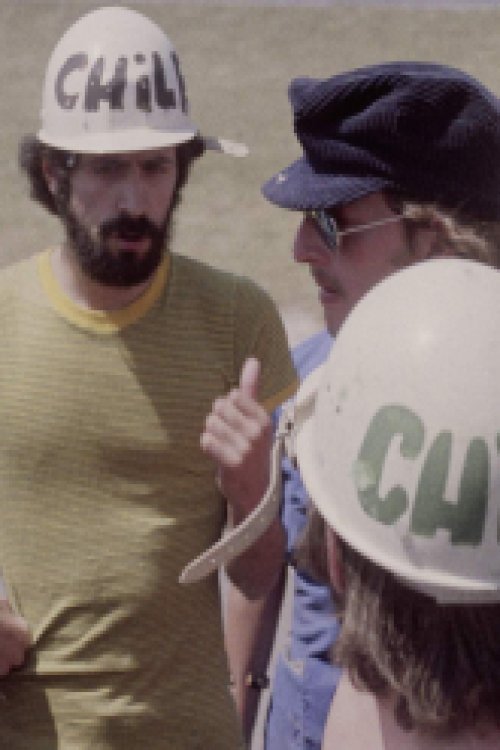
During the 16th Workers' Festival in Dresden in 1976, a student group of Chilean emigrants paints a mural symbolically depicting the activity of the Unidad Popular during Salvador Allende's reign. Festival guests comment on this work. Music by Chilean music group Jaspampa, formed in Leipzig in 1972.
La Brigada – A Mural for the Unidad Popular in Dresden
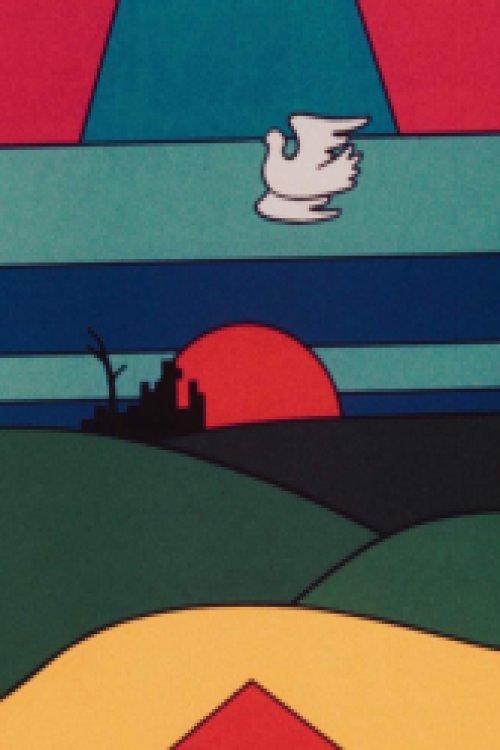
This short, animated piece of agitprop fiercely expresses the hopes of the Chilean people.
Chile Lives
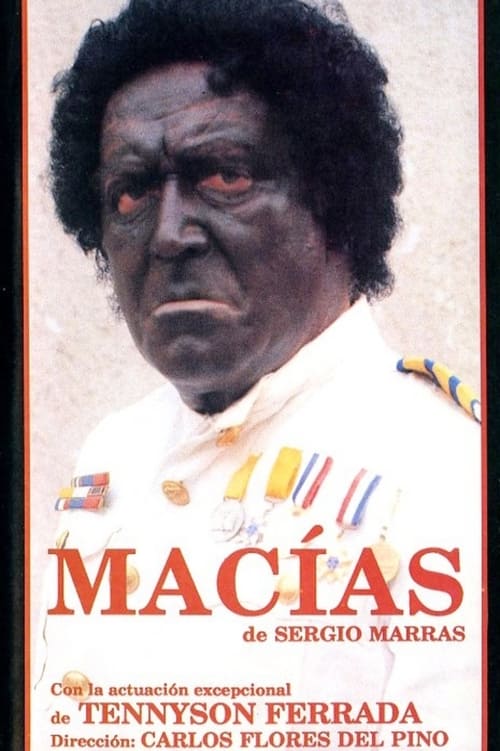
Video that records the play "Macías, general essay on power and glory" by Sergio Marras. Monologue in which an actor face the audience to give life to the role of Macías, a dictator of an imaginary country but who suffers from the “misunderstanding” of his detractors and enemies. A text full of profound observations about the despotic use of power. This video participated in the Fifth Franco-Chilean Video Art Meeting, Santiago de Chile, November 1985. U-matic Project
Macías, ensayo general sobre el poder y la gloria
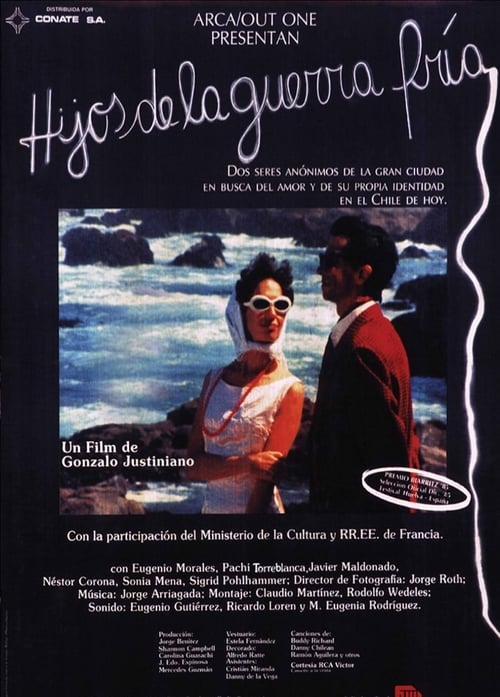
Gáspar is a public employee and Rebeca works in a funeral home,they reflect the discontent of a generation that has suffered the vicissitudes of Chile in the 1980s. Through it, the film explores how the working middle class survives such a convulsive environment.
Children of the Cold War
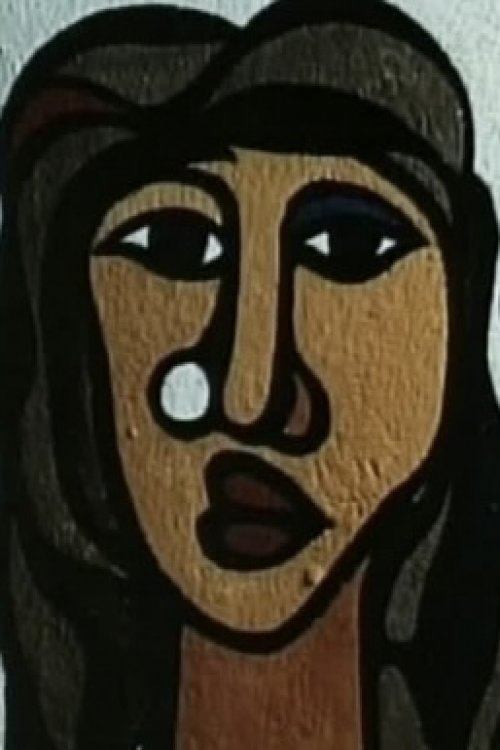
This short animation collage uncovers the financial backing of the Chilean Junta bosses by the US. Screened at the 1976 Oberhausen Int. Film Festival.
Chile
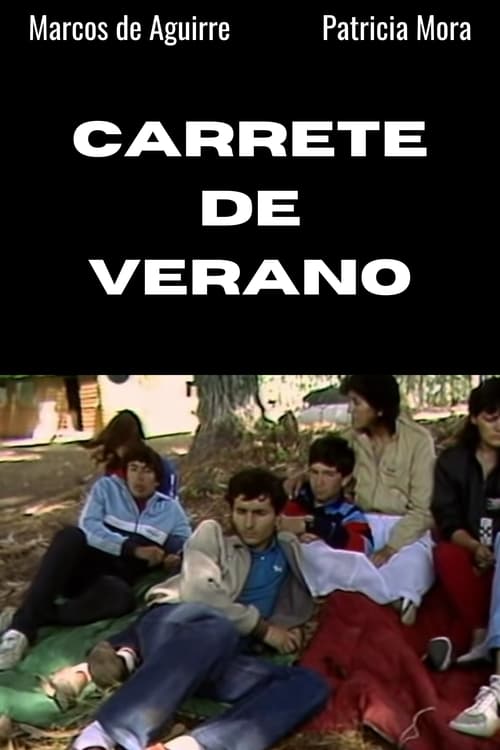
A portrait of the summer vacation of some young Chileans from different socioeconomic statuses during 1984.
Carrete de verano
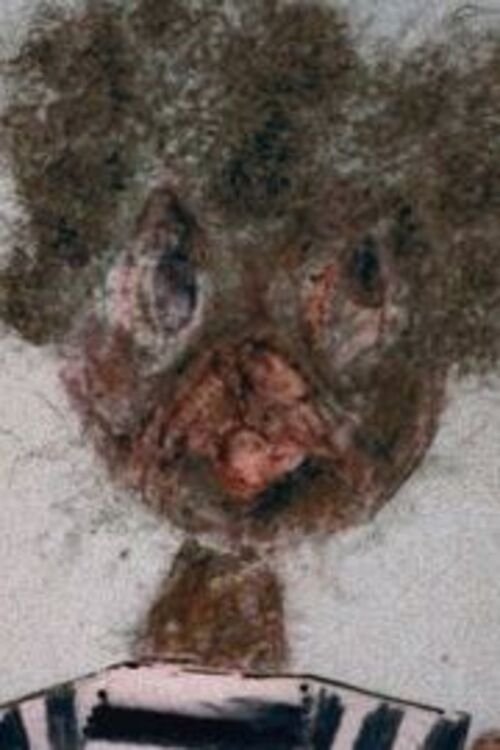
Playing children are hit by the neutron bomb. Their clothes remain behind which a business man collects and puts up for sale.
Neutronenfrieden?
A female television journalist has a strange affair with a terrorist.
Mi último hombre
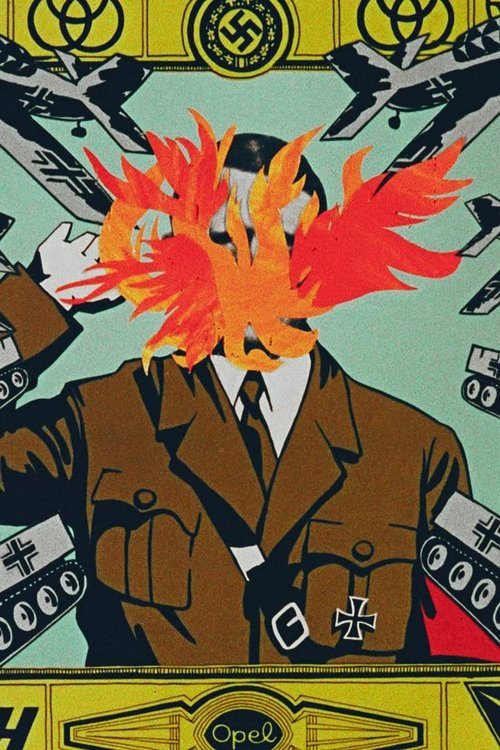
This silhouette-animated short exposes the Pinochet government through comparisons to Hitler's Nazi regime.