FEEL IT.STREAM
Samira Makhmalbaf

Samira Makhmalbaf

Directing

Biography

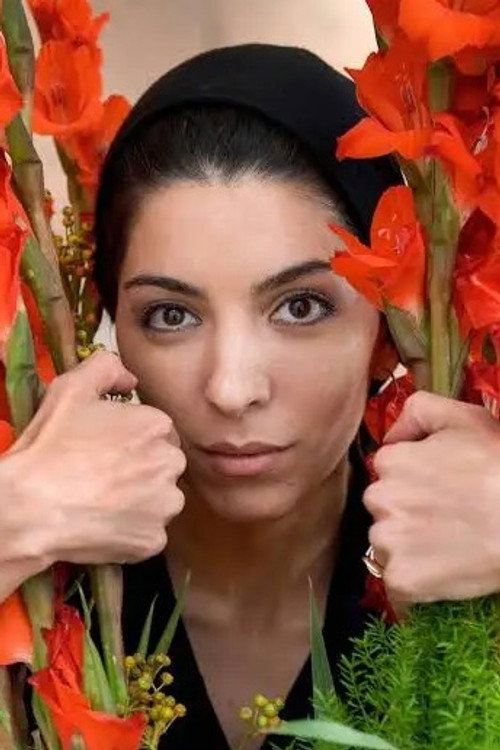
Samira Makhmalbaf (born February 15, 1980) is an internationally acclaimed Iranian filmmaker and script writer. She is the daughter of Mohsen Makhmalbaf, the film director and writer. She is considered to be one of the most influential directors as part of the Iranian New Wave.
Known For

The Story of Film: An Odyssey
7.7

A worldwide guided tour of the greatest movies ever made and the story of international cinema through the history of cinematic innovation.

The Story of Film: An Odyssey

2011
September 11
6.4

An anthology of short films inspired by the events of the September 11 World Trade Center attacks.

September 11

2002
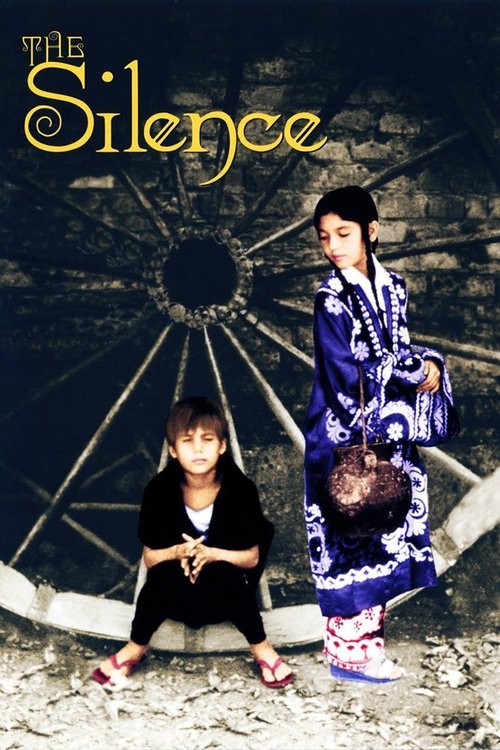
The Silence
6.4

Khorshid, a blind child growing up in Tajikistan, is constantly distracted by music and sounds. This frequently causes him to be late to his job as an instrument tuner even though he runs the risk of being fired at a time when his family is in danger of being evicted from their house.

The Silence

1998
At Five in the Afternoon
6.6

Nogreh is a young Afghani woman living with her father and her sister-in-law, Leylomah, whose husband, Akhtar, is missing. Beyond the issue of Akhtar, Leylomah is most concerned with how to feed her baby. She cannot provide milk for her baby as her own hunger is preventing her from lactating. Nogreh, however, aspires toward a life in a western styled democracy. Although the Taliban are no longer in power in Afghanistan, traditional forces are still active in the country. Nogreh often displays signs of rebellion, such as wearing a pair of white pumps instead of the traditional slipper beneath her burqa. But mostly, Nogreh wants to be educated. Without her father's knowledge, Nogreh is attending a secular girls school. Ultimately, she wants to become President of Afghanistan. With the help of a Pakistani refugee who likes her as a woman, Nogreh tries to understand exactly what forces led to current world leaders being elected, those forces which she wants to emulate.

At Five in the Afternoon

2003
Stardust Stricken: Mohsen Makhmalbaf, A Portrait
9.0

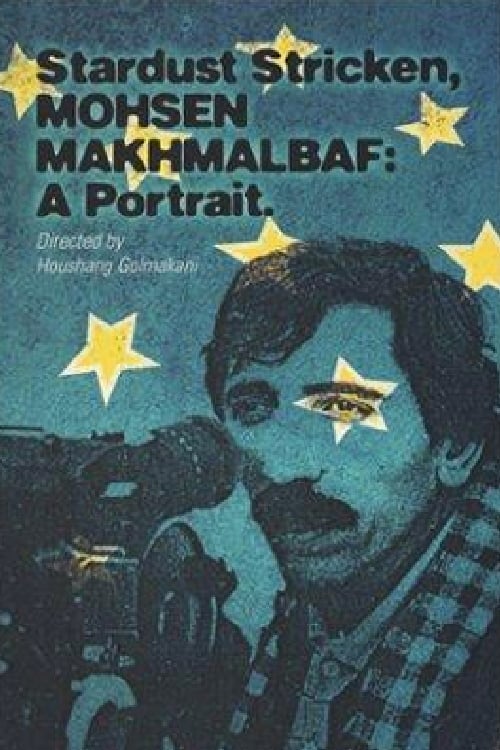
Director Mohsen Makhmalbaf claims to have never seen a movie before making his first film. Doubtful as it sounds, this boast matches perfectly with the controversial artist's personae. Stardust Stricken -- Mohsen Makhmalbaf: A Portrait documents the work of this Iranian filmmaker. After spending time in prison for political dissidence, Makhmalbaf discovered the social potential of the cinema. Some of his projects include Marriage of the Blessed and The Actor. While creating around 20 films, the outspoken director established new ideas about the nature of his work. In this release, Makhmalbaf speaks about art, human behavior, and his evolving fundamentalist beliefs.

Stardust Stricken: Mohsen Makhmalbaf, A Portrait

1996
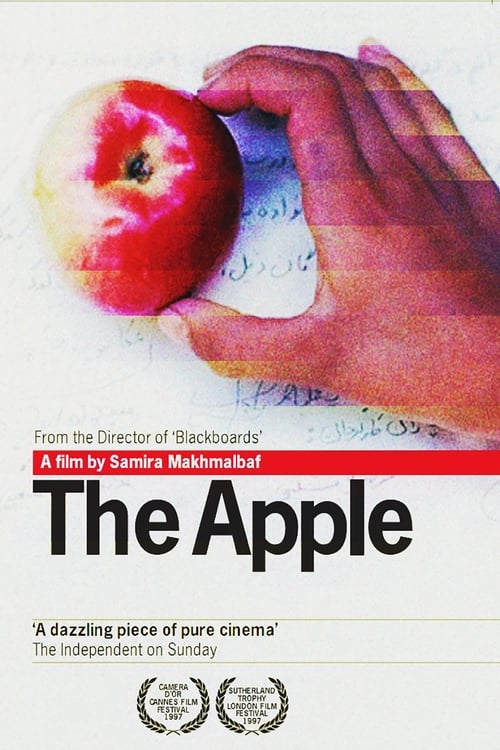
The Apple
6.4

After twelve years of imprisonment by their own parents, two Iranian sisters are finally released by social workers to face the outside world for the first time.

The Apple

1998
No image
8.0

Homo Cinematographicus is a human species whose unit of measurement and point of reference is the cinema and its derivative, television. Filmed at the 1998 Cannes Film Festival, the film offers an unspecified number of statements, talking about memories and a thousand fragments of stories, titles and film scenes, the warp of a gigantic collective Chanson de geste.

Homo Cinematographicus

1998
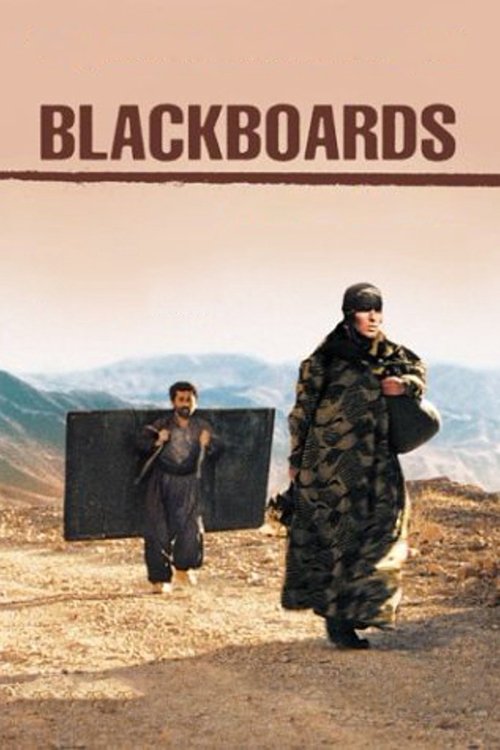
Blackboards
6.7

Itinerant Kurdish teachers, carrying blackboards on their backs, look for students in the hills and villages of Iran, near the Iraqi border during the Iran-Iraq war. Said falls in with a group of old men looking for their bombed-out village; he offers to guide them, and takes as his wife Halaleh, the clan's lone woman, a widow with a young son. Reeboir attaches himself to a dozen pre-teen boys weighed down by contraband they carry across the border; they're mules, always on the move. Said and Reeboir try to teach as their potential students keep walking. Danger is close; armed soldiers patrol the skies, the roads, and the border. Is there a role for a teacher? Is there hope?

Blackboards

2000
The Cyclist
6.7

The wife of Nasim, an Afghan immigrant in Iran, is gravely ill. He needs money to pay for her care, but his day labor digging wells does not pay enough. A friend connects Nasim to a two-bit promoter who sells tickets to watch Nasim ride a bicycle continuously for a week. The promoter brings in sick and aged spectators, haranguing them to find hope in Nasim's strength. Aided by his son, who feeds him as he rides, Nasim grinds out the days and shivering nights. Local officials believe this may be a plot and Nasim may be a spy; they try to sabotage him as do those who bet he won't finish the week. Will desperation alone get Nasim the money? Is any triumph an illusion?

The Cyclist

1989
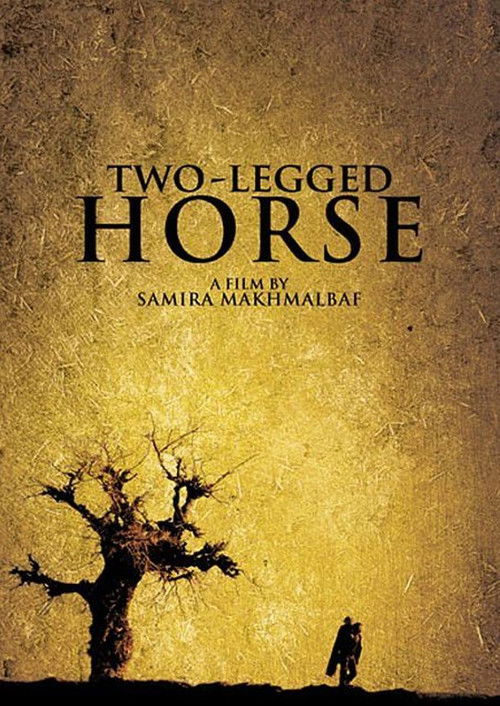
Two-Legged Horse
5.3

A wealthy boy hires a poor child to carry him around like a horse.

Two-Legged Horse

2009
The Actor
5.5

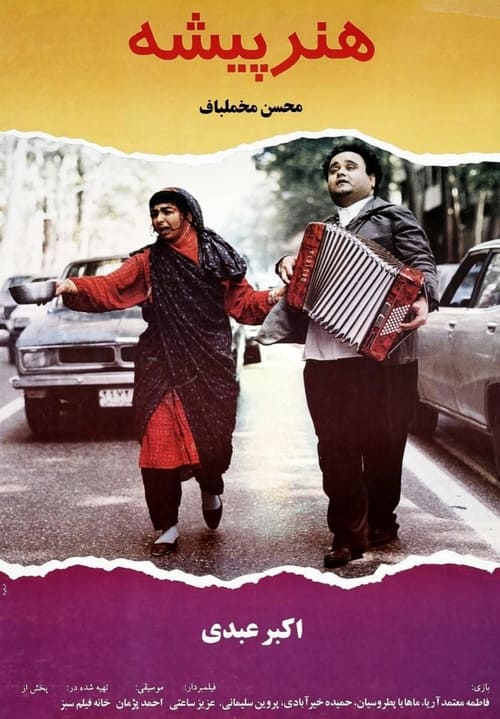
An Iranian actor named Akbar is trying to become a serious actor instead of the clown everyone considers him to be. However financial problems force him to abandon his dream of being an artistic actor. He also has to deal with his family problems and his wife's inability to become pregnant.

The Actor

1993
No image
5.5

Tracing the history and influence of Iranian cinema and its filmmakers.

Cinema Iran

2005
Daddy's School
N/A

It is a story of a unique family in the world; A documentary on how a former political imprisoned revolutionary in a religious closed society like Iran, turned his house in to an open Film School and pave to way for his family to became world class film maker and top International award winners , including Cannes Venice , Berlin, San Sebastian , Locarno and many.

Daddy's School

2014
How Samira Made 'Blackboards'
8.0

The film and camera of Maysam Mkhamlbaf, Samira's brother follows her like an invisible eye. From her first subconscious presence as an actor, when she was one months old and crying in her mothers arms, while acting in a feature movie made by his father up to her first conscious appearance as an 8 year old child actor in the movie Cyclist made by his father in Pakistan. From when Samira made her first movie Apple at 17 or when she goes to visit the two imprisoned girls in the movie "Apple" and when she is occupied with changing the professional actor of the movie "Blackboard" with a non-professional actor (ordinary people) and even when she was attending the Cannes Film Festival in the years 1998 and 2000.

How Samira Made 'Blackboards'

2000
No image
6.5

Documentary showing the life of children of the Afghan villages bordering Iran, and how their life and culture were affected by Taliban regime.

Afghan Alphabet

2002
Joy of Madness
6.6

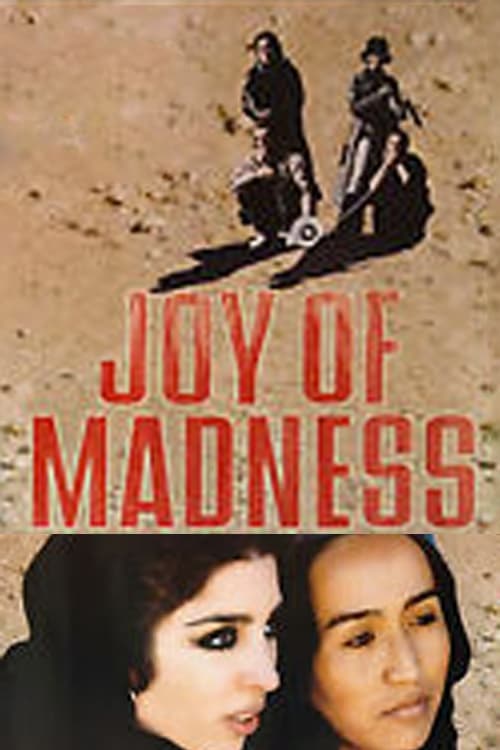
Documentary showing the backstage of production of Samira Makhmalbaf's film Panj É Asr(At Five in the Afternoon), in Kabul, after the fall of the Taliban regime. Everything was recorded with a small digital camera by Samira's 14-year-old sister Hana.

Joy of Madness

2004
Iran
N/A

Iranian Samira Makhmalbaf short for 11′09″01 September 11 The news of the September 11, 2001 attacks reaches an Afghan refugee camp, where bricks are produced to build new shelters, in view of the attacks promised by the United States. Here a young teacher tries to explain to her young students what happened and to make them respect a minute of silence in honor of the victims. Attempts, however, fail one after another. Finally, the teacher finds herself having to impose the minute of silence on the children near a chimney (the most similar to a skyscraper).

Iran

2002