FEEL IT.STREAM
Shōhei Imamura

Shōhei Imamura

Directing

Biography

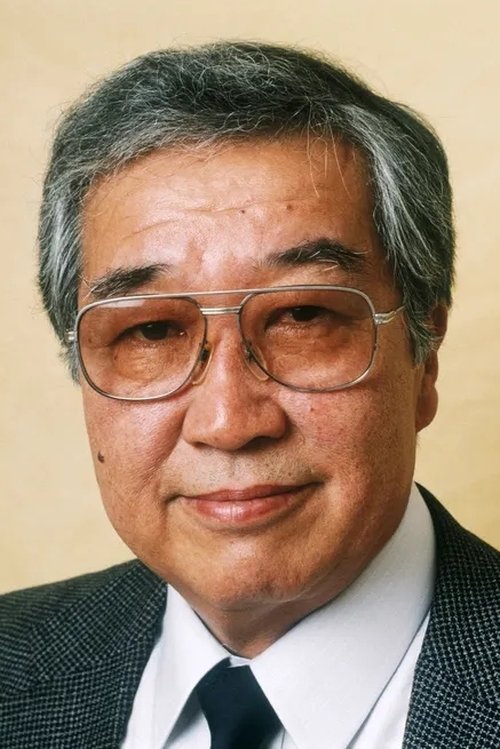
Shōhei Imamura (15 September 1926 – 30 May 2006) was a Japanese film director. He was the first Japanese director to win two Palme d'Or awards, but was never Oscar-nominated in any category.
Known For

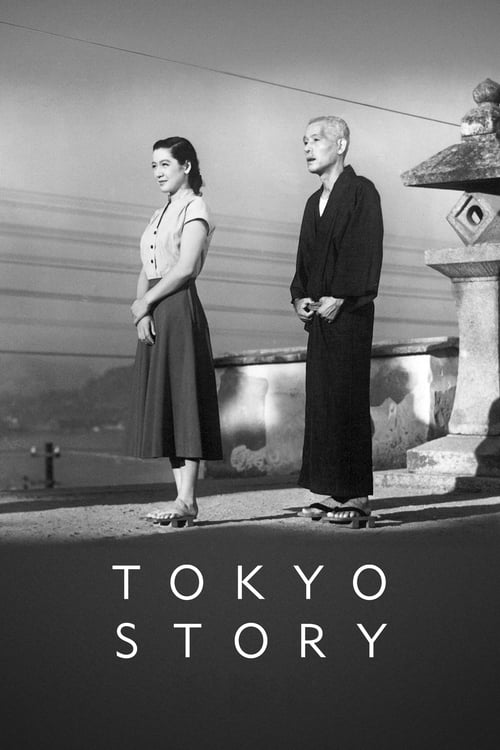
Tokyo Story
8.2

The elderly Shukishi and his wife, Tomi, take the long journey from their small seaside village to visit their adult children in Tokyo. Their elder son, Koichi, a doctor, and their daughter, Shige, a hairdresser, don't have much time to spend with their aged parents, and so it falls to Noriko, the widow of their younger son who was killed in the war, to keep her in-laws company.

Tokyo Story

1953
The Ballad of Narayama
7.5

In a small village in a valley everyone who reaches the age of 70 must leave the village and go to a certain mountain top to die. If anyone should refuse they would disgrace their family. Old Orin is 69. This winter it is her turn to go to the mountain. But first she must make sure that her eldest son Tatsuhei finds a wife.

The Ballad of Narayama

1983
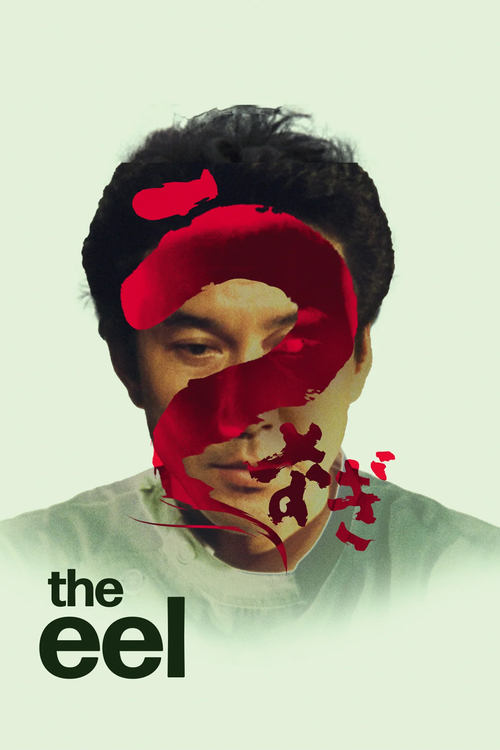
The Eel
6.9

A businessman kills his adulterous wife and is sent to prison. After his release, he opens a barbershop and meets new people, talking to almost no one except for an eel he befriended while in prison.

The Eel

1997
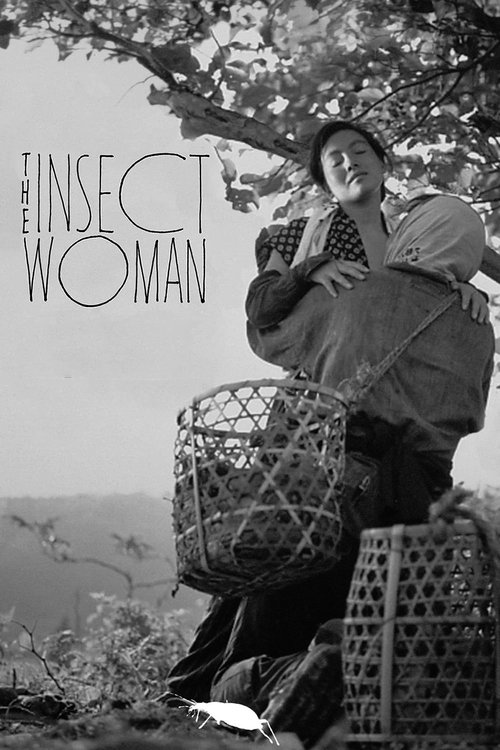
The Insect Woman
7.2

A woman, Tome, is born to a lower class family in Japan in 1918. The title refers to an insect, repeating its mistakes, as in an infinite circle. Imamura, with this metaphor, introduces the life of Tome, who keeps trying to change her poor life.

The Insect Woman

1963
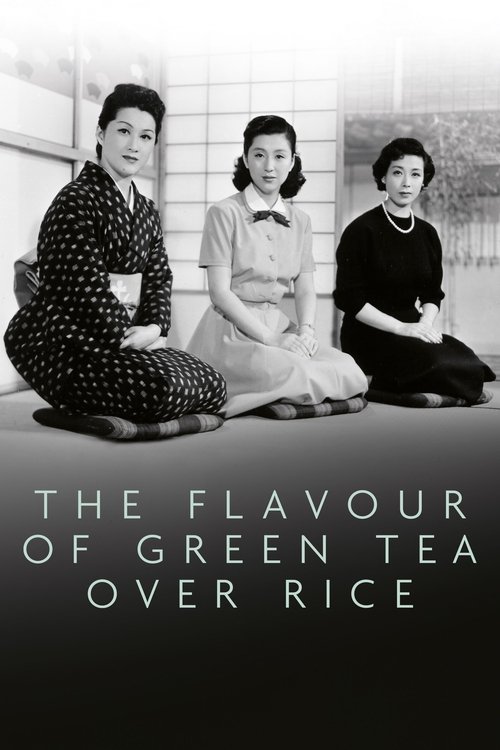
The Flavor of Green Tea Over Rice
7.5

The arranged marriage between a capricious woman from Tokyo high society and a quiet rustic man is tested by a marital crisis.

The Flavor of Green Tea Over Rice

1952
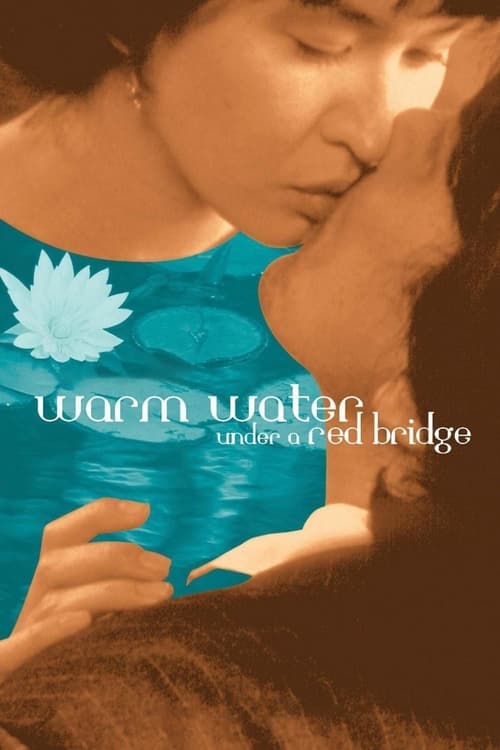
Warm Water Under a Red Bridge
6.5

A down-and-out businessman travels to a seaside town, where he meets a woman with unusual sexual powers.

Warm Water Under a Red Bridge

2001
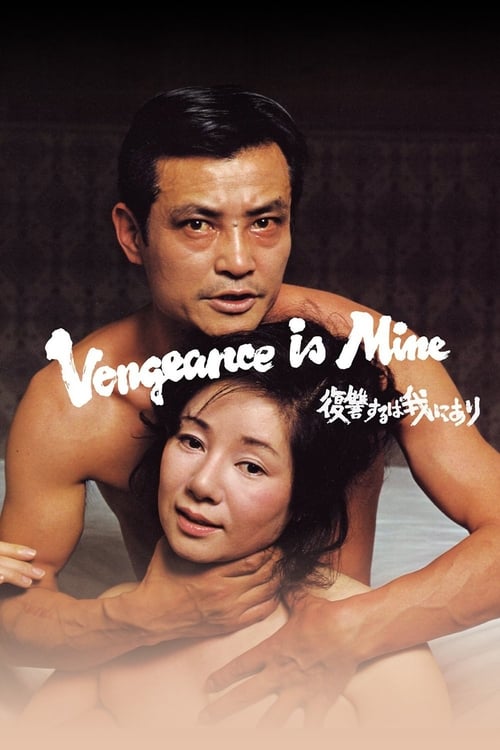
Vengeance Is Mine
7.6

A thief, a murderer, and a charming lady-killer, Iwao Enokizu is on the run from the police.

Vengeance Is Mine

1979
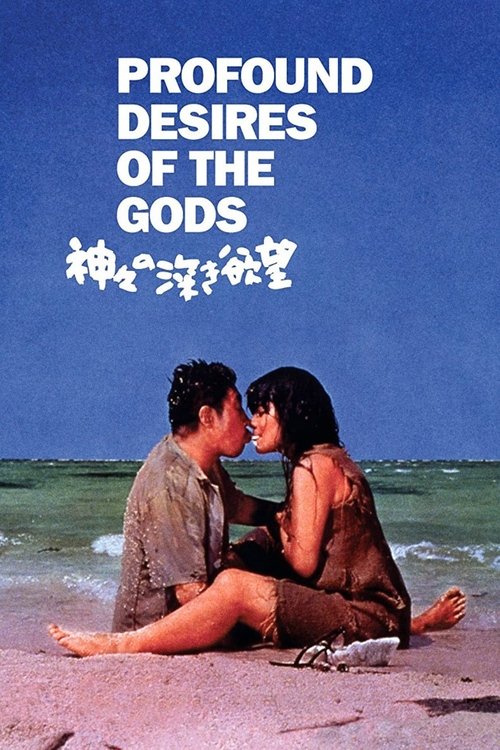
Profound Desires of the Gods
7.4

Tokyo engineer Kariya arrives on a primitive tropical island, where he interacts with the Futori clan, to drill a well to power a sugar mill.

Profound Desires of the Gods

1968
September 11
6.4

An anthology of short films inspired by the events of the September 11 World Trade Center attacks.

September 11

2002
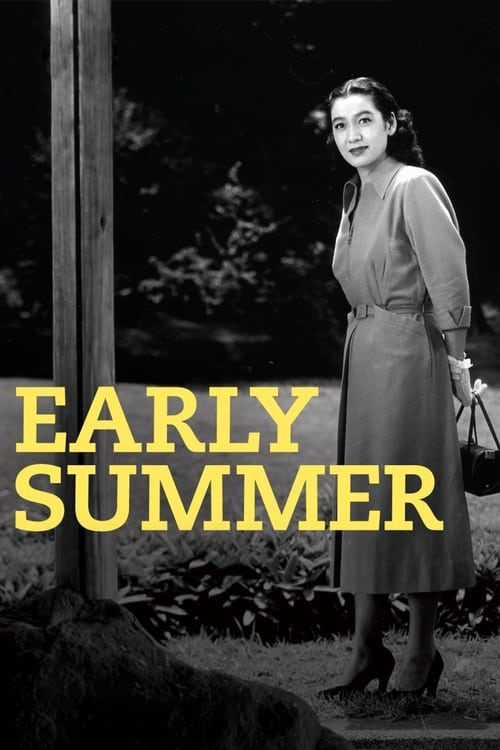
Early Summer
7.8

In postwar Tokyo, Noriko lives with her extended family. Although she enjoys her career and her social life, her more traditional family worries about her single marital status at the advanced age of 28. 40-year-old business associate Takako proposes, Noriko's family press her into accepting, but when her widowed childhood friend Kenkichi returns to the neighborhood, she finds her heart leading in another direction.

Early Summer

1951
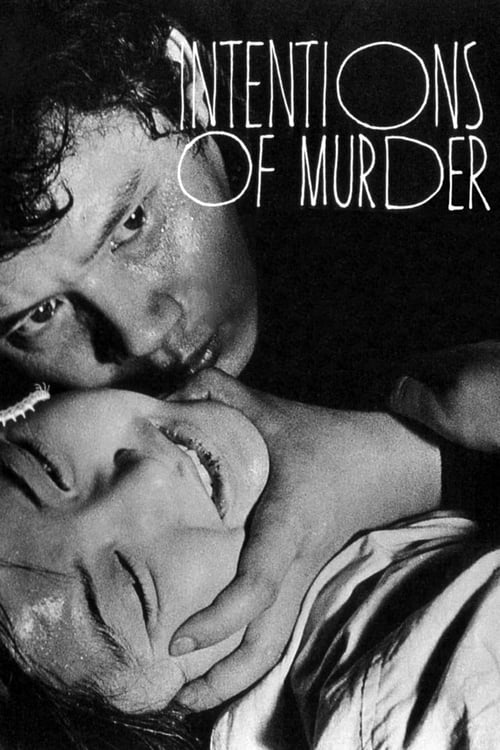
Intentions of Murder
7.0

The neglected common-law wife of a Japanese librarian is repeatedly harassed by a young man with a heart condition who seduces her with the prospect of a better life.

Intentions of Murder

1964
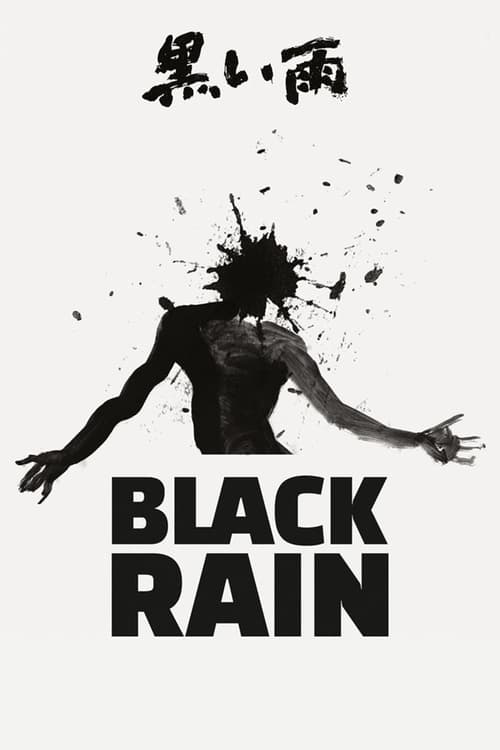
Black Rain
7.6

Shigematsu Shizuma, who lives with his family in a village near Fukuyama, was in Hiroshima with his wife and niece just after the devastating atomic bombing, a tragedy that cruelly took the lives of thousands of people and forever marked the harsh existence of the survivors.

Black Rain

1989
Japanese Cinema: New Territories
N/A

This documentary by Hubert Niogret looks at the revival of Japanese cinema during the 1990s.

Japanese Cinema: New Territories

2011
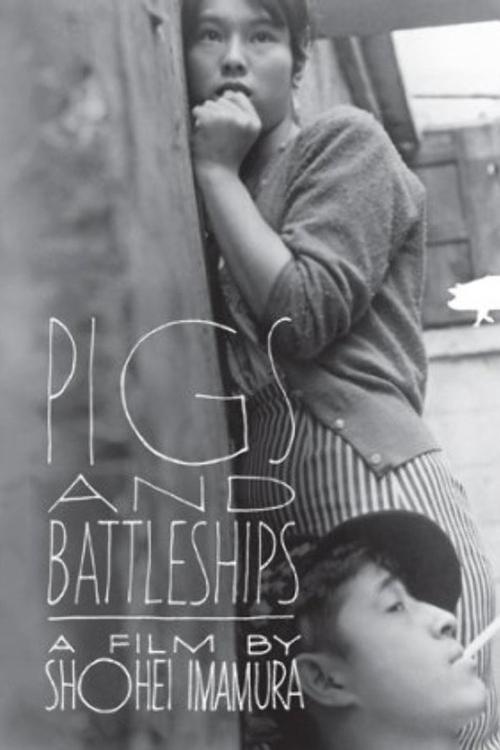
Pigs and Battleships
7.1

In the city of Yokosuka, Kinta and his lover Haruko, both involved with yakuza, brave the post-occupation period with a goal to be together.

Pigs and Battleships

1961
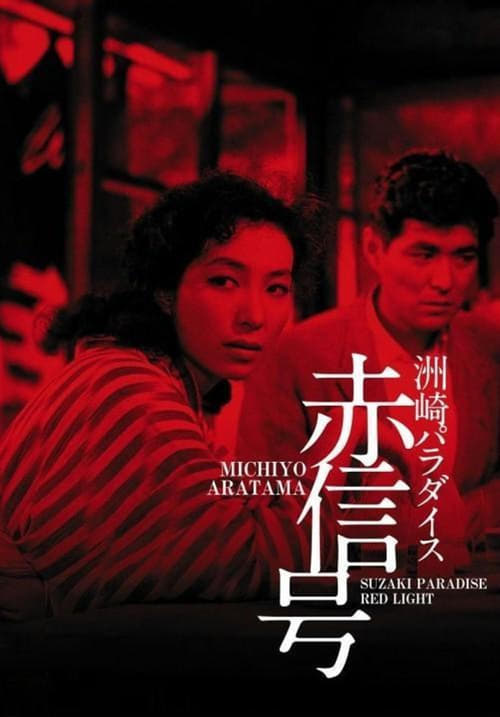
Suzaki Paradise: Red Light District
7.0

A jobless young couple, Yoshigi and Tsutue, wind up at the outskirts of the Suzaki red-light district in Tokyo. Tsutue talks her way into a job pouring sake for male customers at a small bar run by a sympathetic older woman, while Yoshigi is shunted off into a nearby noodle shop, where he gets a job delivering noodles. Tsutue charms and runs off with one of her clients. Yoshigi, ignoring the attentions of a sweet co-worker, pursues Tsutue.

Suzaki Paradise: Red Light District

1956
The Pornographers
7.2

Subu makes pornographic films. He sees nothing wrong with it. They are an aid to a repressed society, and he uses the money to support his landlady, Haru, and her family. From time to time, Haru shares her bed with Subu, though she believes her dead husband, reincarnated as a carp, disapproves. Director Shohei Imamura has always delighted in the kinky exploits of lowlifes, and in this 1966 classic, he finds subversive humor in the bizarre dynamics of Haru, her Oedipal son, and her daughter, the true object of her pornographer-boyfriend’s obsession. Imamura’s comic treatment of such taboos as voyeurism and incest sparked controversy when the film was released, but The Pornographers has outlasted its critics, and now seems frankly ahead of its time.

The Pornographers

1966
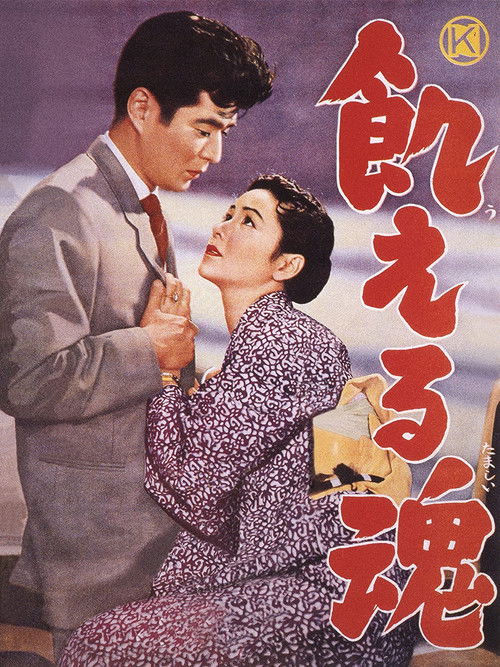
The Youth Killer
6.5

Though his parents help him run the family business, Jun still feels persecuted by their love; when they bar him from meeting with his girlfriend, tensions increase.

The Youth Killer

1976
Till We Meet Again
7.0

Jiro Sone sacrifices all comfort to devote himself to research. Young housewife Yachiyo is disappointed with her husband Kappei, who is more attracted to mountain climbing and another girl. When Yachiyo’s father is introduced to Jiro, all of their lives become intertwined...

Till We Meet Again

1955
Zegen
6.5

At the time between the World Wars, Japan is involved in empire-building throughout East and Southeast Asia. After a brief career as a low-level military adventurer, Iheiji sets up chains of brothels throughout Asia. As Japan's power in the region grows, so does Iheiji's prosperity and patriotism.

Zegen

1987
Eijanaika
6.2

The film depicts carnivalesque atmosphere summed up by the cry "Ei ja nai ka" ("Why not?") in Japan in 1867 and 1868 in the days leading to the Meiji Restoration. It examines the effects of the political and social upheaval of the time, and culminates in a revelrous march on the Tokyo Imperial Palace, which turns into a massacre. Characteristically, Imamura focuses not on the leaders of the country, but on characters in the lower classes and on the fringes of society.

Eijanaika

1981