Directing
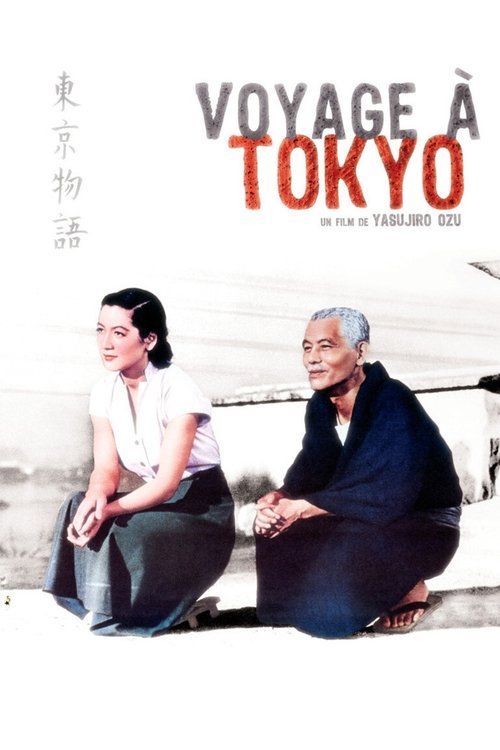
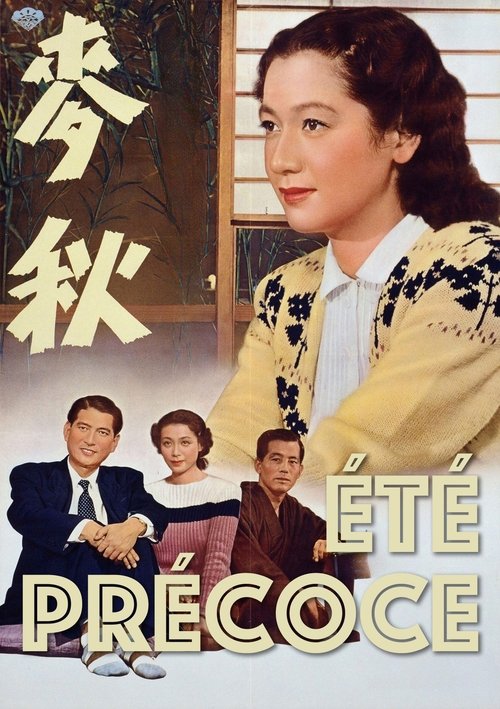
Un vieux couple se fait une joie de rendre visite à ses enfants à Tokyo. Surmenés et préoccupés par leurs seuls problèmes, ces derniers les reçoivent avec froideur et indifférence.
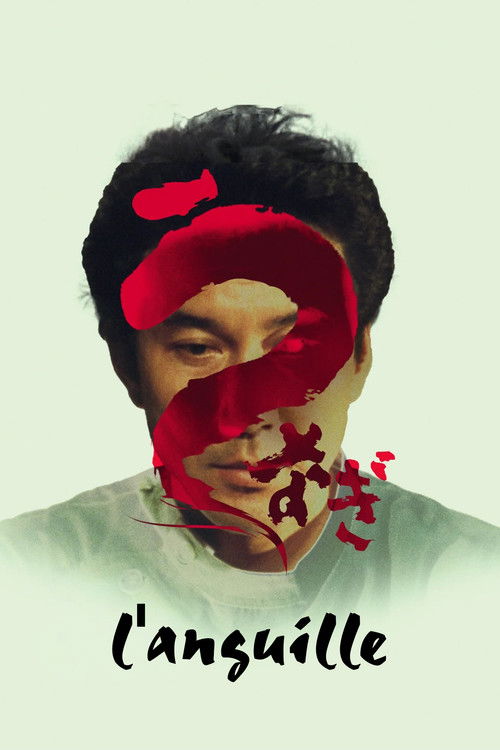
Takuro Yamashita est mis en liberté provisoire sous la responsabilité d'un bonze après avoir passé huit ans en prison pour le meurtre de sa femme. Ayant appris le métier de coiffeur au cours de sa détention, il décide de s'installer dans une friche industrielle non loin de Tokyo. Il est renfermé, ne parlant guère qu'à l'anguille qu'il a apprivoisée pendant ses années d'incarcération. Cependant, le salon, qu'il retape de ses mains, lui permettra de renouer des liens avec un groupe de petites gens alentour. Palme d'or Festival de Cannes 1997.
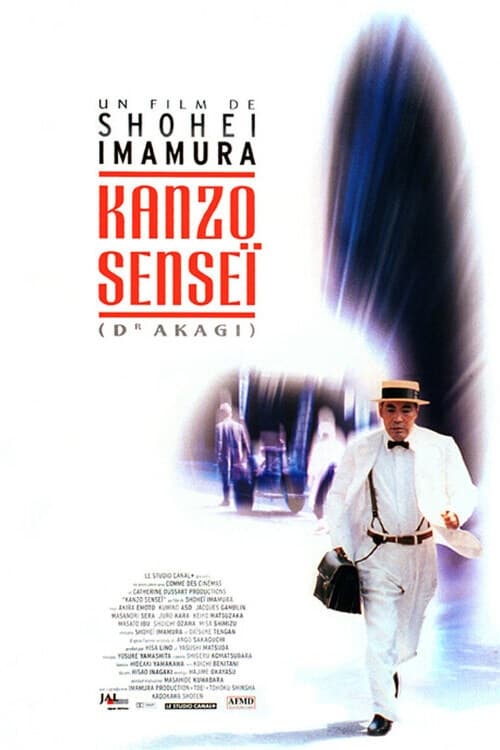
À la fin de la seconde guerre mondiale, le docteur Akagi cherche un remède à l’hépatite dans un camp pour prisonniers de guerre.
Aucune description disponible.
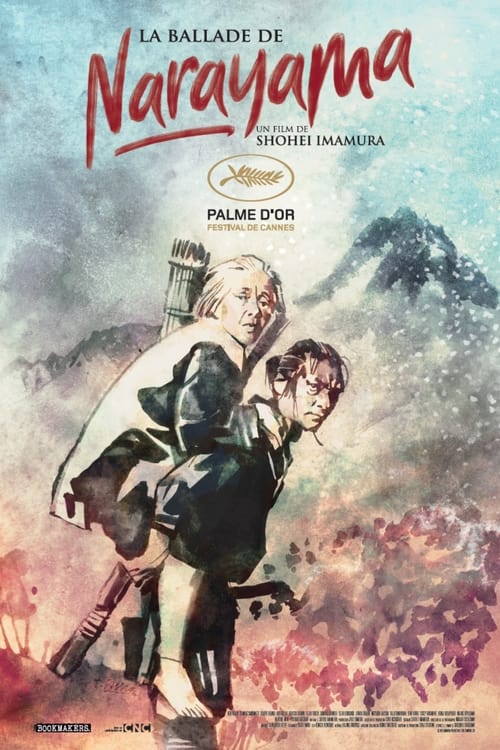
Orin, une vieille femme des montagnes du Shinshu, atteint l'âge fatidique de soixante-dix ans. Comme le veut la coutume, elle doit se rendre sur le sommet de Narayama pour être emportée par la mort. La sagesse de la vieille femme aura d'ici-là l'occasion de se manifester. Palme d'Or 1983
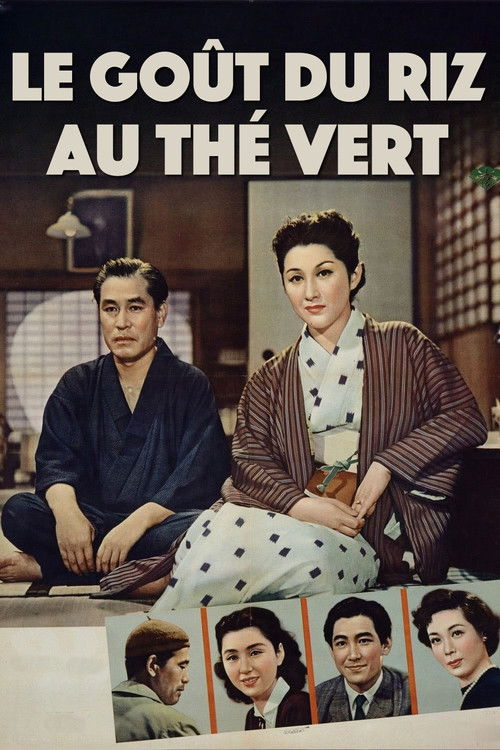
Un homme et sa femme plus jeune forment un couple qui paraît mal assorti. Il réalisent pourtant que leur union est stable et qu'ils ont fini par s'apprécier mutuellement.
Les habitants de l'ile de Kurage vivent selon les coutumes traditionnelles et croient toujours a la légende selon laquelle le dieu du frère et de la sœur créa leur ile au milieu de la mer de Chine. "Profond Désir des dieux" raconte l'histoire de Nikichi qui aima sa sœur Uma. Il fut puni par son père qui l'enchaîna à un rocher. Les années passent, le frère et la sœur se retrouvent. Mais l'amant d'Uma, le chef de l'ile, est retrouvé mort. Les habitants, convaincus de la culpabilité de Nekichi, les tuent. Cinq ans plus tard, des touristes innocents envahissent l'ile.
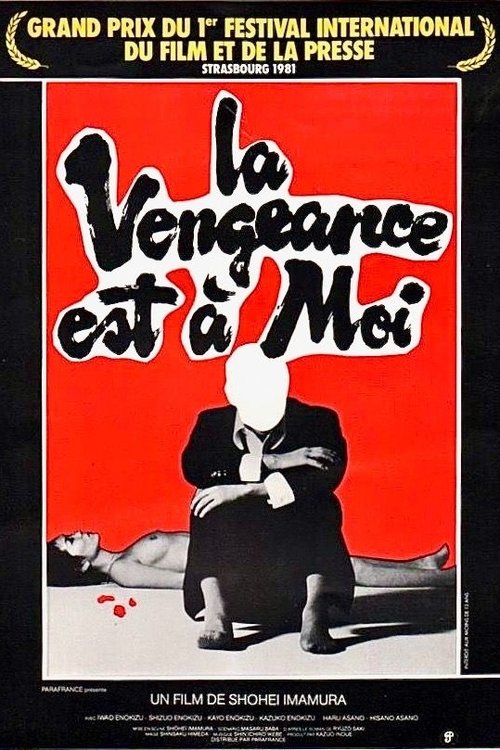
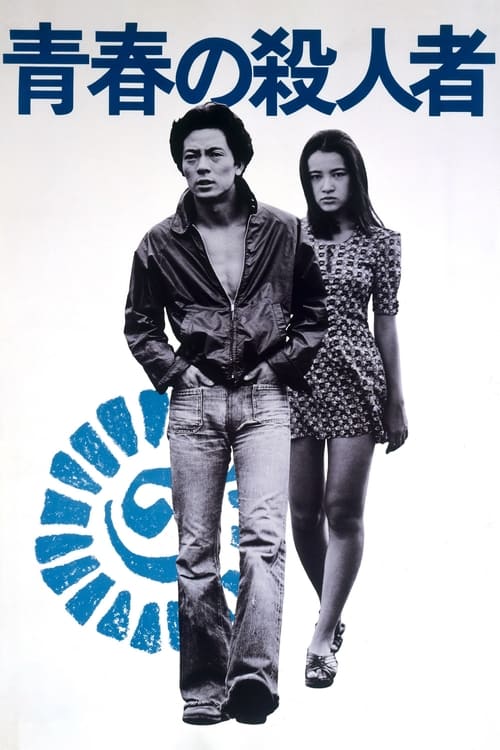
En octobre 1963, la police découvre les cadavres de deux collecteurs de taxes dans la campagne. Le suspect est l’un de leurs collègues : Iwao Enokizu, un escroc plusieurs fois condamné. Réfugié dans une auberge d’Hamatsu, Enokizu se fait passer pour un professeur d’université et poursuit ses méfaits alors que son portrait est affiché dans tout le Japon. Le film retrace les 78 jours qui séparent le premier crime de la capture d'Iwao par la police.
Au début du siècle, Tome nait à la campagne dans la pauvreté la plus totale. Décidé à changer sa condition et à connaitre la fortune par tous les moyens, elle part pour la ville. Son destin suit celui de son pays dont elle subit les bouleversements de front.
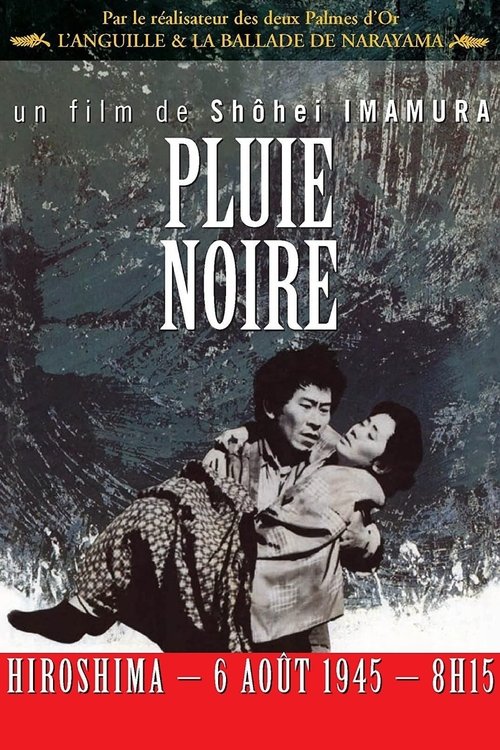
Shigematsu Shizuma, qui vit avec sa famille dans un village près de Fukuyama, se trouvait à Hiroshima avec sa femme et sa nièce juste après le bombardement atomique dévastateur, une tragédie qui a cruellement coûté la vie à des milliers de personnes et marqué à jamais la dure existence des survivants.
Pour évoquer l'ampleur de l'onde de choc du 11 septembre, pour témoigner de la résonance de l'événement dans le monde entier, pour mieux saisir la dimension humaine de cette tragédie, pour que la réflexion accompagne l'émotion, pour donner la parole à chacun, un film collectif : 11 réalisateurs d'origine et de culture différentes, 11 regards sur les évènements tragiques survenus à New York le 11 septembre 2001, 11 points de vue engageant leur conscience individuelle.
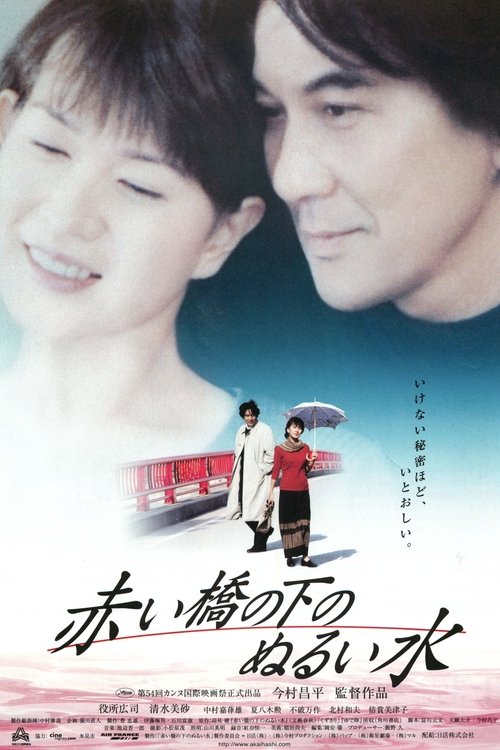
Yosuke, un homme d'une quarantaine d'années que sa femme vient de quitter et qui ne supporte plus son travail, se rend, sur les conseils d'un vieux vagabond, dans une maison particulière, située au coeur d'un village de la péninsule de Noto, et d'où l'on peut apercevoir un pont rouge. Dans cette demeure se trouve une jarre qui contiendrait une statue de Bouddha en or, volée dans un temple à Kyoto par ce vieux vagabond.Yosuke ne trouve pas la jarre mais fait la connaissance de Saeko, une femme étrange et kleptomane. Celle-ci a le pouvoir de faire s'épanouir les fleurs en dehors des saisons et de faire venir les poissons par l'eau qu'elle fait jaillir de son corps lorsqu'elle éprouve le plaisir charnel.
Noriko, 28 ans, est secrétaire dans une petite compagnie à Tokyo. C’est une jeune femme moderne mais elle vit encore chez ses parents, tout comme son frère, sa femme et ses deux enfants. Elle subit de fortes pressions de la part de sa famille ; en effet, il n’est pas raisonnable à cet âge de ne pas encore s’être mariée. Mais la jeune fille se réjouit de son indépendance et préfère trouver elle même son futur époux. Son patron lui propose un bon parti de sa connaissance mais Noriko refuse…
Bien que ses parents l'aident à gérer l'entreprise familiale, Jun se sent toujours persécuté par leur amour. Quand ils lui interdisent de rencontrer sa petite amie, les tensions augmentent.
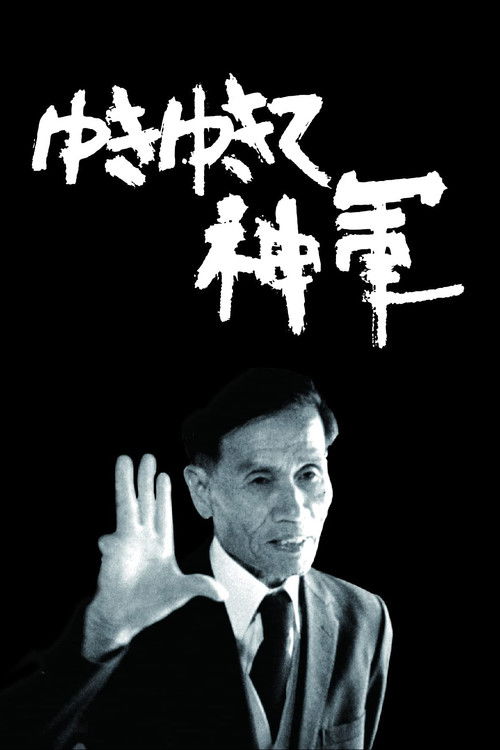
Kenzo Okuzaki est un des rares survivants parmi les soldats japonais qui se trouvaient en Nouvelle-Guinee pendant la guerre. Rapatrié au Japon, il tient un petit commerce à Kobe, mais ne peut pas oublier le destin subi par ses camarades pendant la guerre.
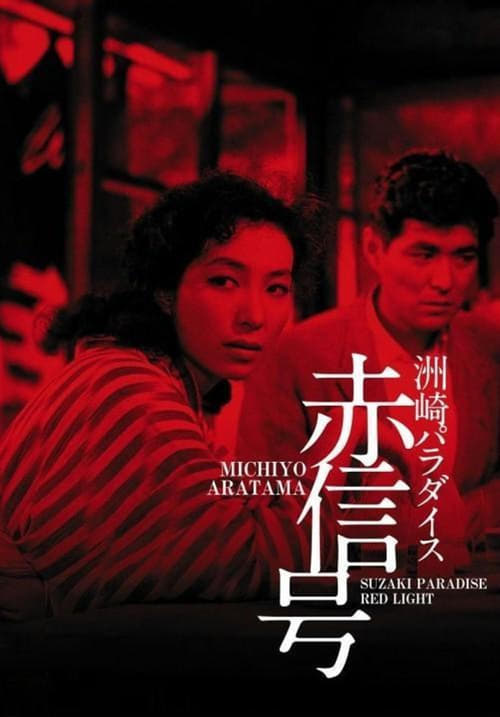
A Tokyo, un couple se retrouve à la rue à errer sans savoir où aller. Lui est sans emploi, elle, une fille du quartier à geisha, Suzaki Paradise, qu’elle vient de quitter pour s’enfuir avec lui. Le destin les ramène très vite aux portes de ce quartier dont on accède par un pont sur lequel une gigantesque pancarte accueille les visiteurs comme à l’entrée d’un parc d’attraction. Ils demandent du travail à un petit bar juste à la sortie du quartier où la patronne cherche une serveuse. Elle les accueille et trouvera un travail à l’homme tout près, dans une échoppe de sobas. Souvent tentés par la petite malhonnêteté, ils s’écartent peu à peu l’un de l’autre, éloignés seulement de quelques pâtés de maison : le travail de serveuse et les habitudes de fille de bar de la fille attisant à raison la jalousie de l’homme. D’un autre côté, la patronne du bar attend son homme parti rejoindre une fille dans ce zoo humain qu’est Suzaki Paradise…
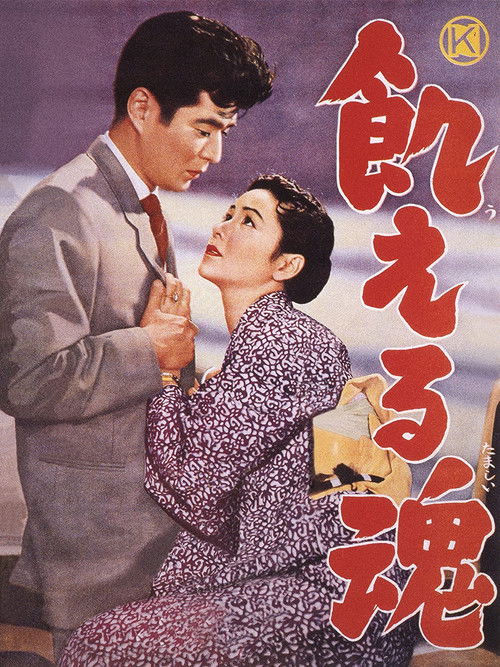
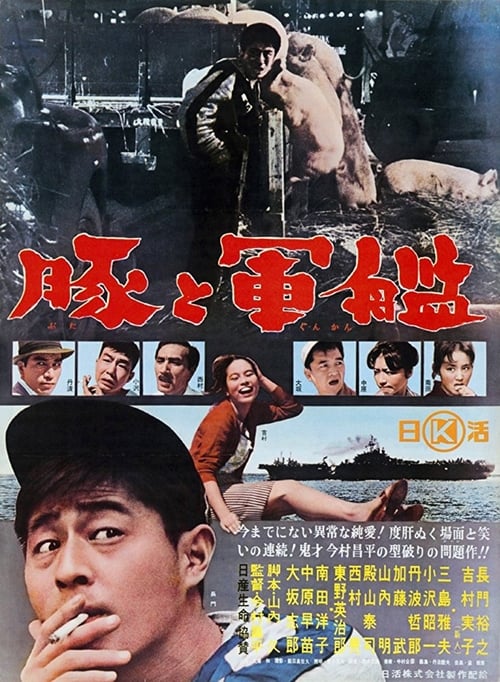
Les marins de la base US ont transformé la ville de Yokosuka en un vaste bordel. Un jeune garçon, Kinta, et sa petite amie, Haruko, essaient de faire leur trou dans ce magma humain dévoyé.
Dans une maison close de Shinagawa où se retrouvent marchands, artisans et samouraïs, un jeune conteur de rakugo qui ne peut pas régler ses dettes est pris en otage par le patron des lieux.
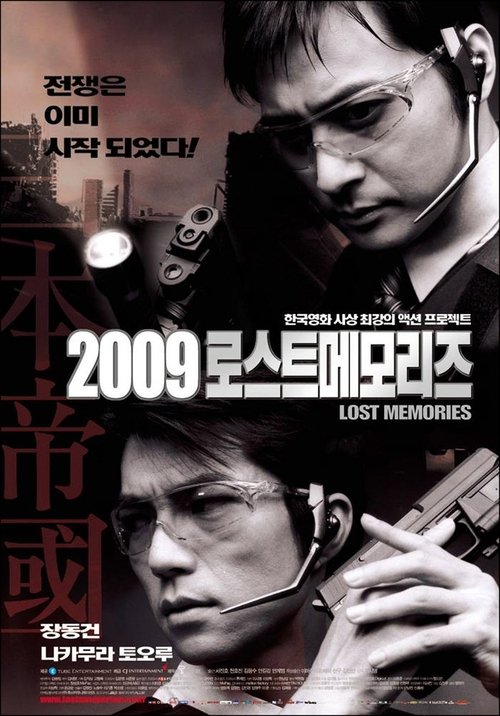
En 2009, alors que la Corée fait partie de l'empire japonais, deux policiers font équipe pour enquêter sur un groupe terroriste de résistance...