Amos Gitai
Directing
Biography
From Wikipedia, the free encyclopedia. Amos Gitai (born 11 October 1950 in Haifa, Israel) is an Israeli film director. Description above from the Wikipedia article Amos Gitai, licensed under CC-BY-SA, full list of contributors on Wikipedia.
Known For

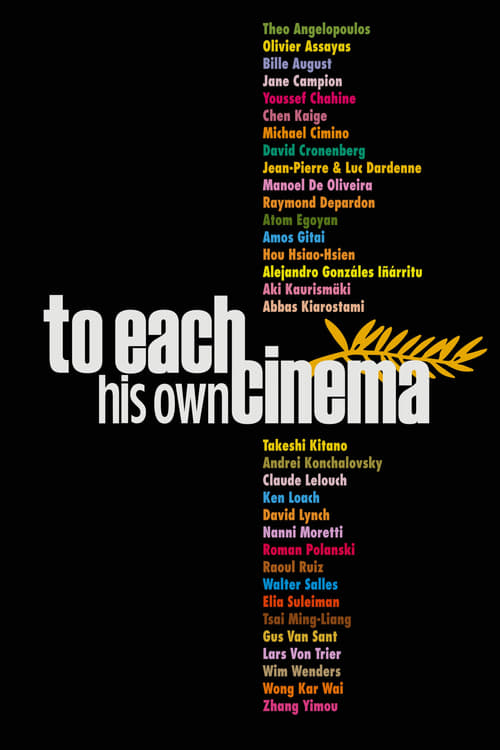
Commissioned to mark the 60th anniversary of the Cannes Film Festival, "To Each His Own Cinema" brought together 33 of the world's pre-eminent filmmakers to produce short pieces exploring the multifarious facets of cinema and their perspective on the state of their chosen artform in the early 21st century.
To Each His Own Cinema

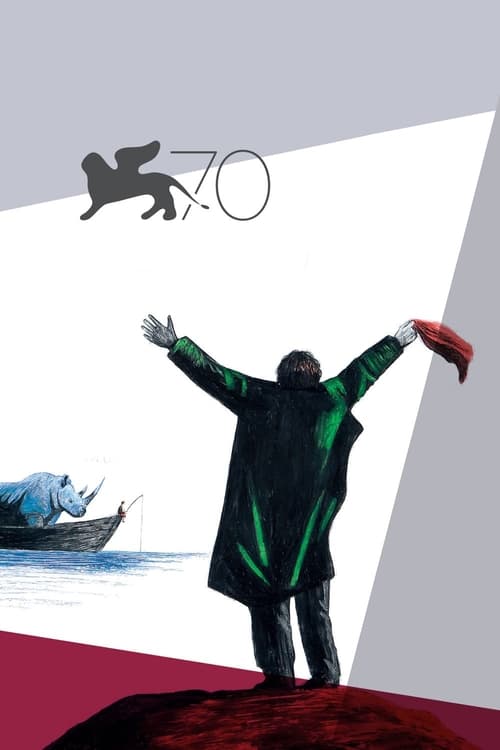
Made for the Venice Film Festival's 70th anniversary, seventy filmmakers made a short film between 60 and 90 seconds long on their interpretation of the future of cinema.
Venice 70: Future Reloaded

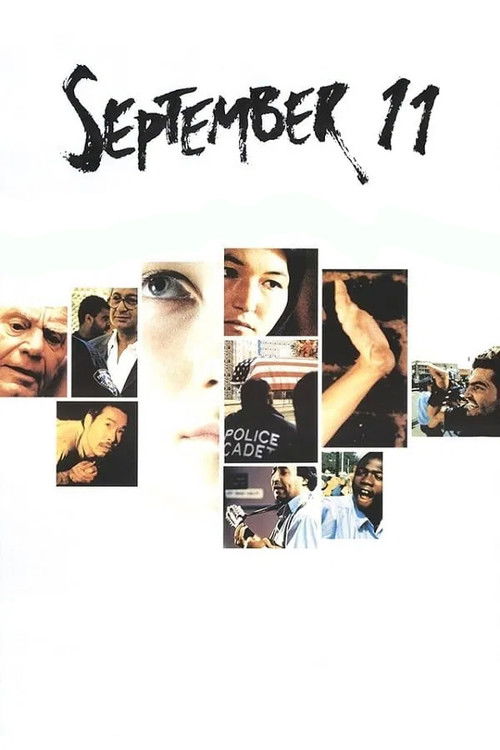
An anthology of short films inspired by the events of the September 11 World Trade Center attacks.
September 11

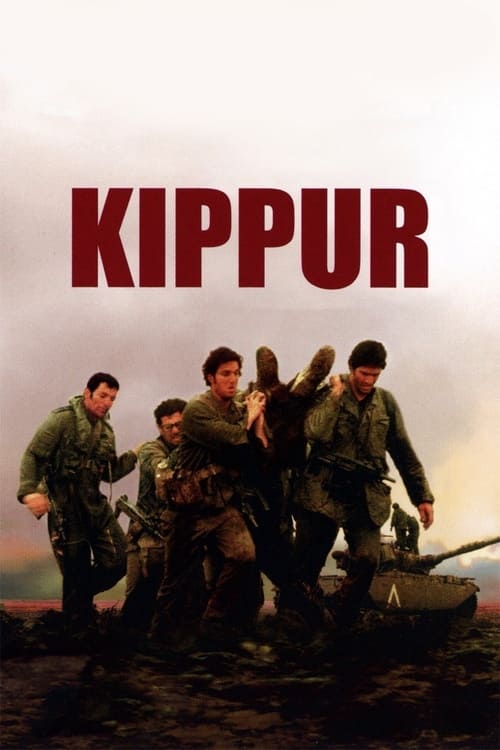
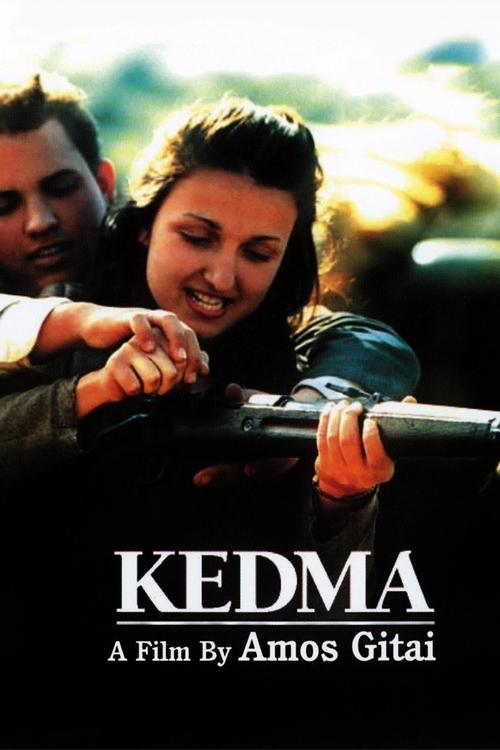
The film takes place in 1973 during the Yom Kippur War in which Egypt and Syria launched attacks in Sinai and the Golan Heights. The story is told from the perspective of Israeli soldiers. We are led by Weinraub and his friend Ruso on a day that begins with quiet city streets, but ends with death, destruction and devastation of both body and mind. Various scenes are awash in the surreal, as Weinraub's head hangs out over a rescue helicopter's open door, watching with tranquil desperation as the earth passes beneath, the overpowering whir of the blades creating a hypnotic state. It is not a traditional blood, guts and glory film. There are no men in battle, only the rescue crew trying to pick up the broken pieces.
Kippur

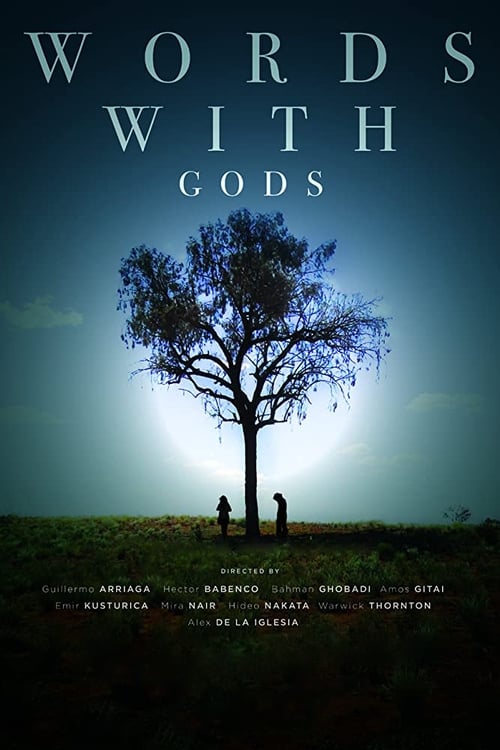
The first of four installments in the groundbreaking Heartbeat of the World anthology film series. Comprised of several short films by some of the world's most exciting directors, Words with Gods follows the theme of religion - specifically as it relates to an individual's relationship with his/her god or gods...or the lack thereof. In Words with Gods, each director recounts a narrative centered around human fragility, as well as environmental and cultural crises involving specific religions with which each has a personal relationship; including early Aboriginal Spirituality, Umbanda, Buddhism, the Abrahamic faiths, Hinduism, and Atheism. An animated sequence by Mexican animator Maribel Martinez is woven through each of the film segments, with each segment narratively connected as a feature-length film.
Words with Gods

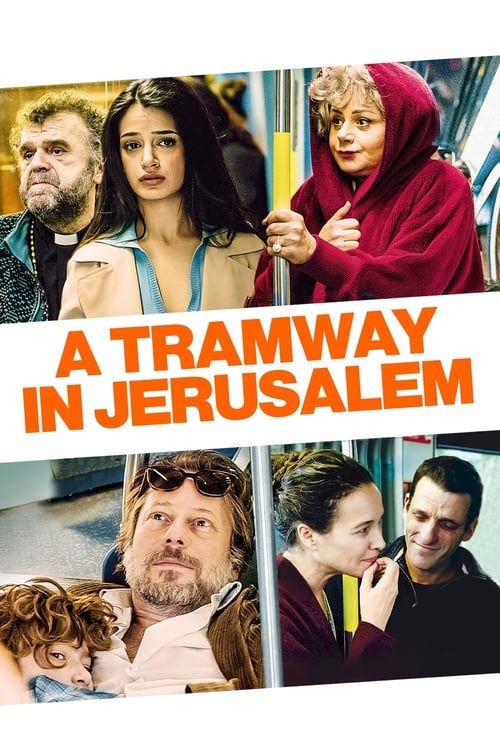
On a tramway that connects several of Jerusalem's neighborhoods from East to West, a mosaic of people from different religious and ethnic backgrounds are brought together.
A Tramway in Jerusalem

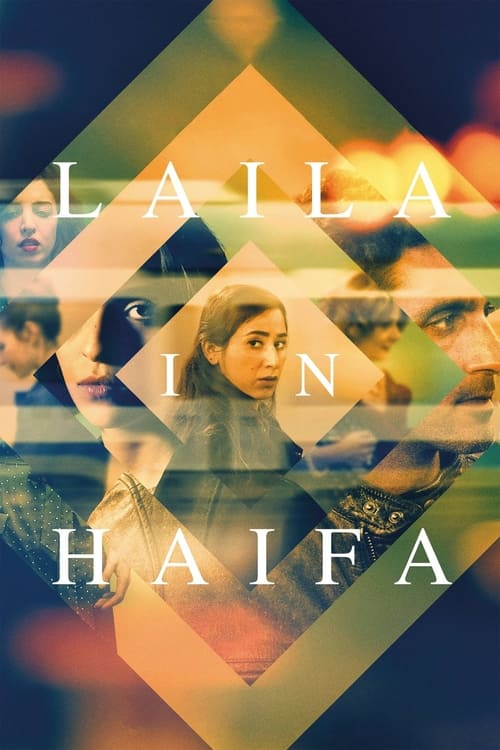
The film was shot entirely in a nightclub, with an adjoining contemporary art gallery, whose customers are both Israelis and Palestinians, in one of Israel’s most open cities, Haifa. A long night in a place where the most diverse people meet: Jews, Muslims, gays, heterosexuals, transvestites; and three women, who in that multifaceted microcosm, a gathering peaceful hideout, can find shelter from male bullying and arrogance.
Laila in Haifa

In 1939, Kalman, an ambitious young businessman, leaves Europe to join his sister Samantha in Palestine. She lives with Dov, an idealistic architect obsessed with the Bauhaus style. With their friends, they form a group, which discusses the future Israeli State.
Eden

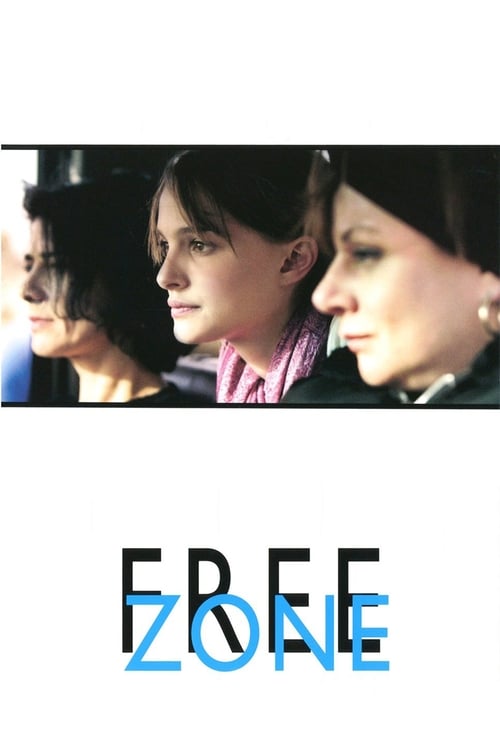
Rebecca, an American who has been living in Jerusalem for a few months now, has just broken off her engagement. She gets into a cab driven by Hanna, an Israeli. But Hanna is on her way to Jordan, to the Free Zone, to pick up a large sum of money.
Free Zone

A man endeavors to collect memories of his grandparents who died in a concentration camp during the Holocaust.
One Day You'll Understand

Life in a Tel Aviv apartment complex, an urban mosaic whose seedy characters, try as they might, can't get out of one another's faces. Gabi, a bobbed haired sexpot, and her lover Hezi—who's older, balding and married—rent a room to have an affair, while Ezra, a pot bellied divorcee, supervises an illegal construction site next door. All this racket drives Schwartz, a Holocaust survivor, to a mental breakdown. Other characters include illegal Chinese immigrants, a teenage boy who's afraid to serve in the army, and a corrupt police detective.
Alila

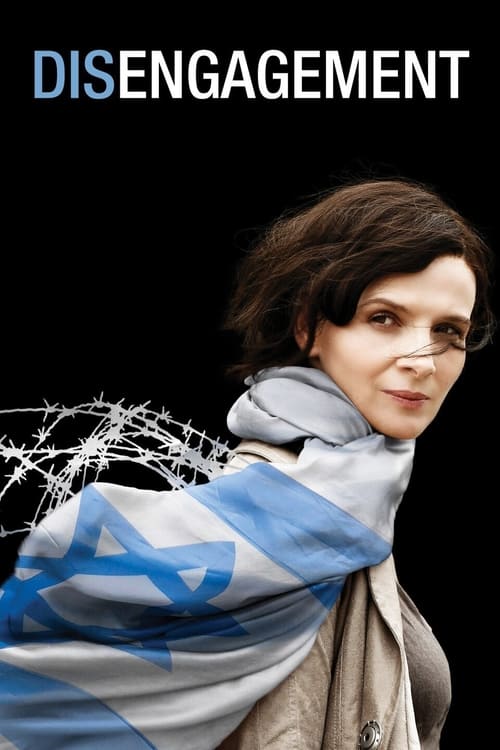
A political drama centered around Israel's pullout from the occupied Gaza strip, in which a French woman of Israeli origin comes to the Gaza Strip to find her long ago abandoned daughter.
Disengagement

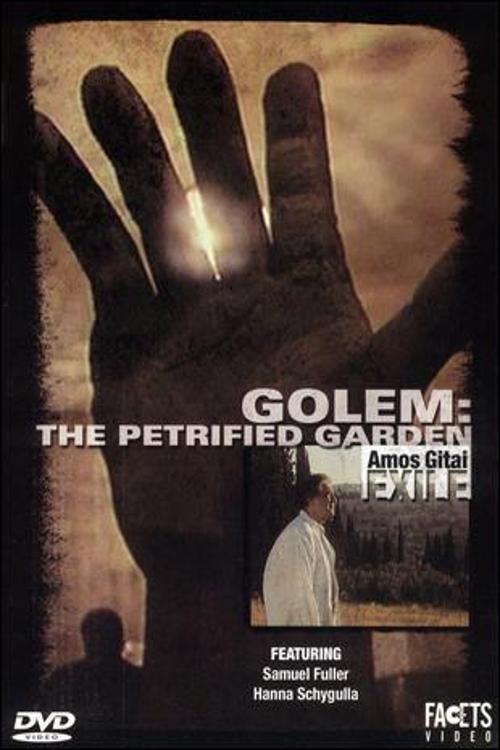
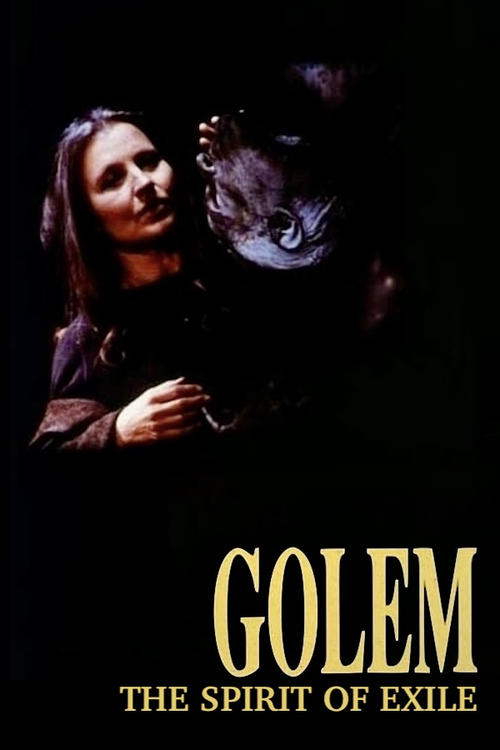
Danny Cornish, a sort of stateless man who arranges art exhibits, is called from Tel Aviv to Paris with the news that a great uncle has died, in Birobidjan, the autonomous Jewish zone in Russia, leaving him a valuable art collection and the hand of a huge sculpture of a Golem. The uncle's will instructs Danny to find the rest of the statue, so Danny, who speaks no Russian, embarks on a trip that takes him (and the Golem's hand) to Moscow, St. Petersburg, and Siberia, fumbling with hotel clerks, taxi drivers, and bureaucrats, following leads, and making discoveries about myth, story telling, art, and hope.
Golem: The Petrified Garden
Japan, 1986. At the tail end of the world tour promoting their latest album Revenge, Eurythmics tops the charts. Between concerts, pop duo Annie Lennox and Dave Stewart survey Japan's cultural soundscape with the help of Conny Plank: A world of sounds both brutally technological and highly refined by tradition.
Brand New Day

A young couple marry in France in the 1940s and the film follows the arc of their marriage over the next decade. As France recovers from the trauma of the war, the wife finds herself increasingly caught up in acquiring material possessions while the husband prefers a more traditional lifestyle.
Roses on Credit

The film intertwines historical events and intimate memories. I observe how architecture represents the transformations of society and those who give form to this architecture. We follow the journey of Munio, my father, born in 1909 in Silesia, Poland, the son of a tenant farmer of a Prussian junker. At the age of 18, Munio goes to Berlin and Dessau to meet Walter Gropius, Kandinsky and Paul Klee at the Bauhaus. In 1933, the Bauhaus was closed by the Nazis, who accused Munio of treason against the German people. Munio was imprisoned, then deported to Basel. He left for Palestine. Upon his arrival in Haifa, he began a career as an architect and adapted European modernist principles to the Middle East.
Lullaby to my Father

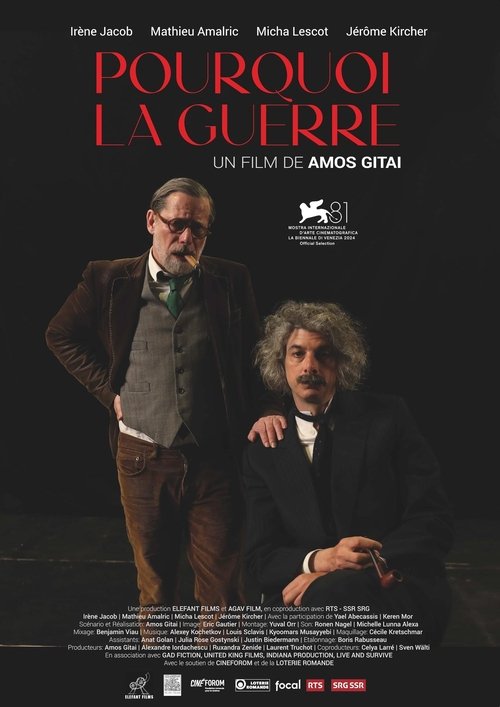
In 1932, Albert Einstein was invited by the League of Nations to address a letter on any subject to any person. He chose to correspond with Sigmund Freud about avoiding war. To this day, the correspondence about war of two great thinkers of all time proves to be more relevant than ever. Inspired by this correspondence between Albert Einstein and Sigmund Freud almost a century ago, the film Why War traces the roots of war, and embarks on a search for an explanation of the savagery of wars that inhabit our world.
Why War

Itzhak Rabin's murder ended all efforts of peace, and with him the whole left wing of Israel died. The movie shows the last of his days as prime minister, and what led to his murder.
Rabin, the Last Day

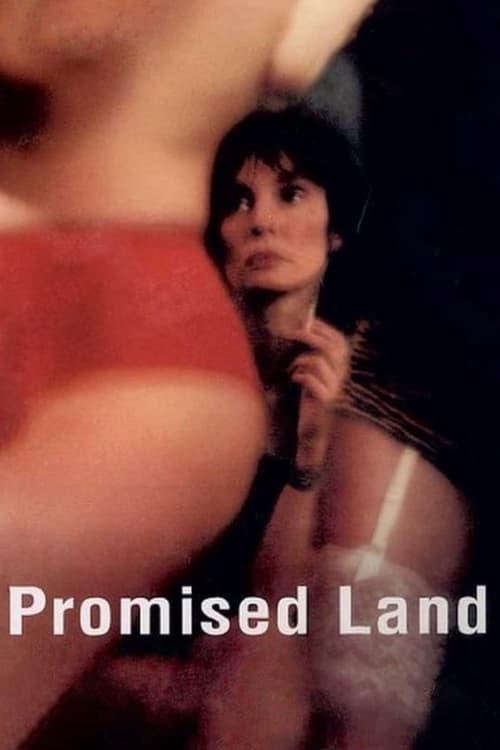
"Promised Land" tells the story of a group of young unwitting Estonian girls smuggled through Egypt to be auctioned off as prostitutes in Israel, and of their initiation into this trade of flesh, and finally of the accidental freeing of one girl who most fight for her freedom.
Promised Land

A diverse cross-section of Israeli society converges in a single multi-use building, the Shikun. As people of different languages, origins and generations come together in highly theatrical encounters, they grapple with the current state of affairs. In a poignant metaphor inspired by Eugène Ionesco’s famous play “Rhinoceros”, some begin to turn into rhinoceroses, while others resist.