D. Balasubramaniam
Acting
Known For
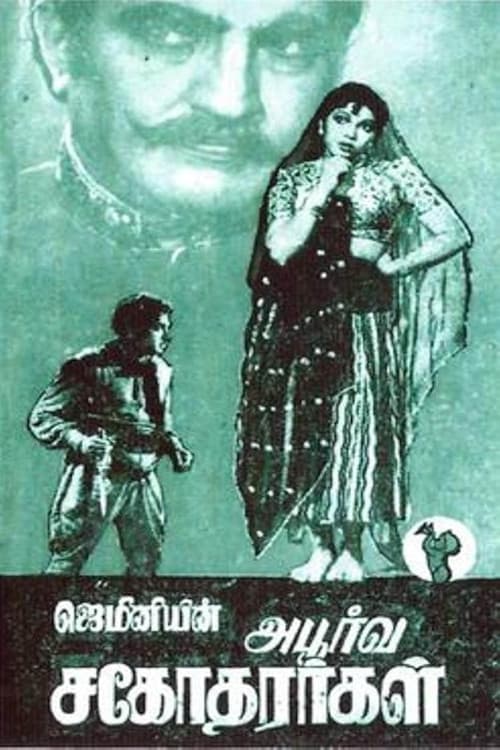
Twins Vijayan and Vikraman are separated at birth by the doctor who saved them. Later, when the doctor reveals the truth about how their parents were murdered, the two of them vow to exact revenge.
Apoorva Sagodharargal
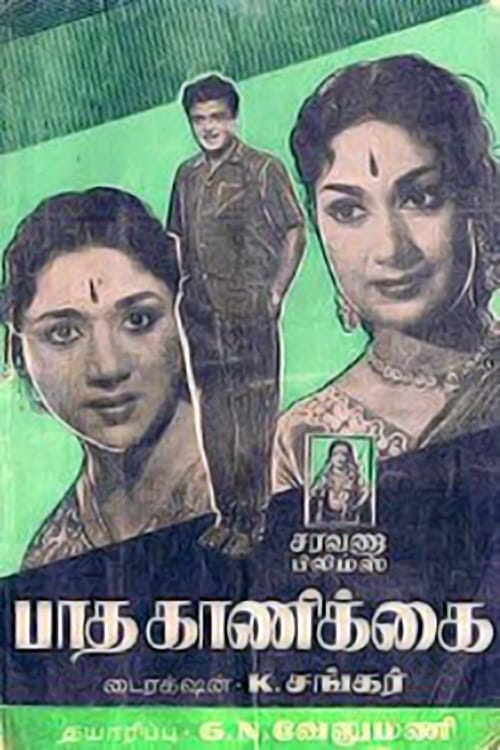
Paadha Kaanikkai (English: Offering to the feet) is a 1962 Tamil-language drama film directed by K. Shankar. The film features Gemini Ganesan, Savitri, M. R. Radha and Kamal Haasan in lead roles. The film, produced by G. N. Velumani, had musical score by Viswanathan–Ramamoorthy and was released on 28 September 1962.
Paadha Kaanikkai
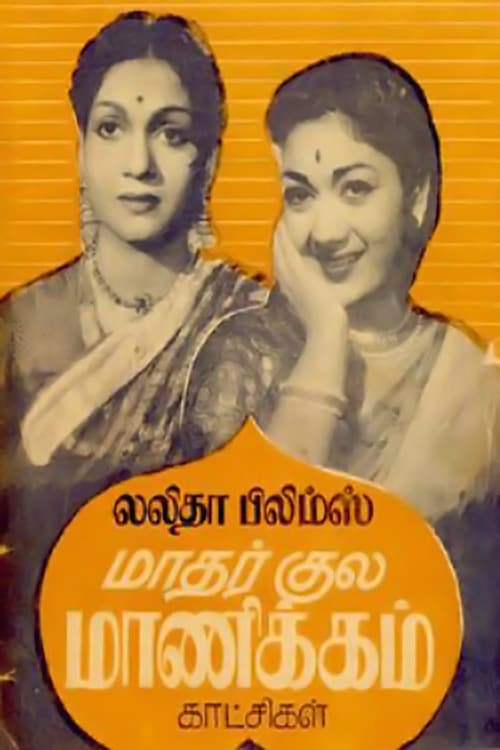
The film is based on two couples – where the first couple Dr. Chandra Shekar (Gemini Ganesan) & Parvathi (Anjali Devi) and the second couple is Ravi (A. Nageswara Rao) & Lakshmi (Savitri). Ravi & Lakshmi are happy lovers. Ravi is summoned and asked to marry another girl forcibly. Since his father's life & honor are at stake, Ravi agrees to the marriage. Simultaneously another marriage takes place in the same village Dr. Chandra Shekar visits his best friend's sister marriage but the marriage cancels in the last moment due to dowry problems to keep up his friend's prestige Shekar marriage's his sister called Parvathi. Due to sudden marriage, the couple doesn't see each other. Thereby because marriage is happening without his wish Ravi also not seen the bride's face. Both the bridal parties traveling on the same train which run into a disastrous accident. In the accident Ravi's parents and wife are dead.
Matharkula Manikkam
Sivaji Ganesan plays the younger physician to the king (R. Balasubramaniam) and his wife (Padmini) was modelled on Kannagi as the personification of female virtues. The physician is commanded to the palace to treat the king where the princess (M. N. Rajam) falls for him and virtually enslaves him, preventing him from going back to his wife.
Thangapadumai
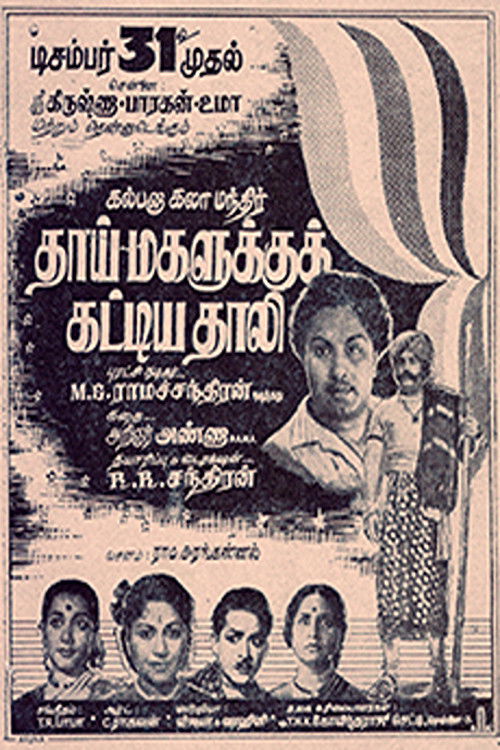
Thanabakkiam and her daughter Sundhari are forced to leave the village after Sundharam grabs their land and house. Later, Sundhari becomes friends with Kanagu when her mother saves his life.
Thaai Magalukku Kattiya Thaali

A social worker rescues a pretty young woman from an old rich landlord who wants to marry her. Enraged by this, the landlord falsely accuses the social worker of murdering his employee.
Nallavan Vazhvan
Kula Deivam was based on a Bengali film Banga Kora by noted writer Prabhavathi Devi Saraswathi
Kuladeivam
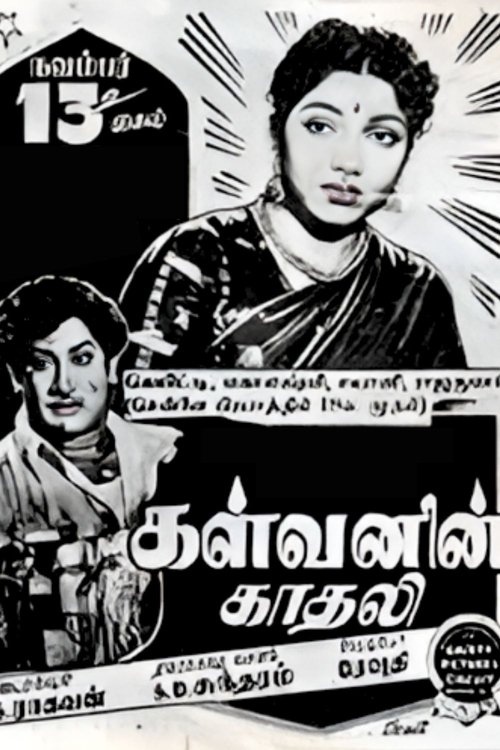
In the quiet village of Poonkulam, Kalyani and Muthayyan are deeply in love. But fate takes a cruel turn when Muthayyan is wrongfully branded a dacoit and forced to live in hiding within the forest. Despite the danger and distance, Kalyani remains unwavering in her love, and the two dream of escaping together to build a peaceful life as husband and wife. Their hopes rest on the shoulders of Kamalapathi, a loyal friend and stage actor, who devises a clever plan to outwit the police and help the lovers flee. Disguises, deception, and devotion all come into play—but a tragic misunderstanding sets off a chain of events that none of them could have foreseen.
Kalvanin Kadhali
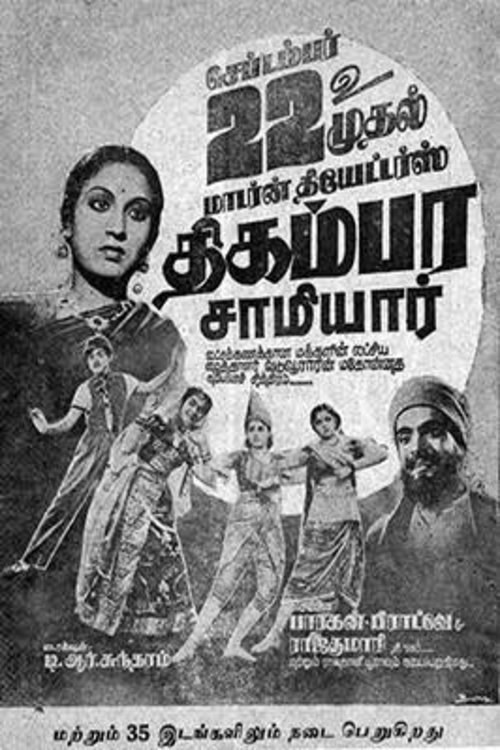
When Sattanathan, a corrupt lawyer, forces Vadivambal to marry his brother, a Chokkalingam Pillai arrives to rescue her and expose Sattanathan's activities.
Thigambara Samiar
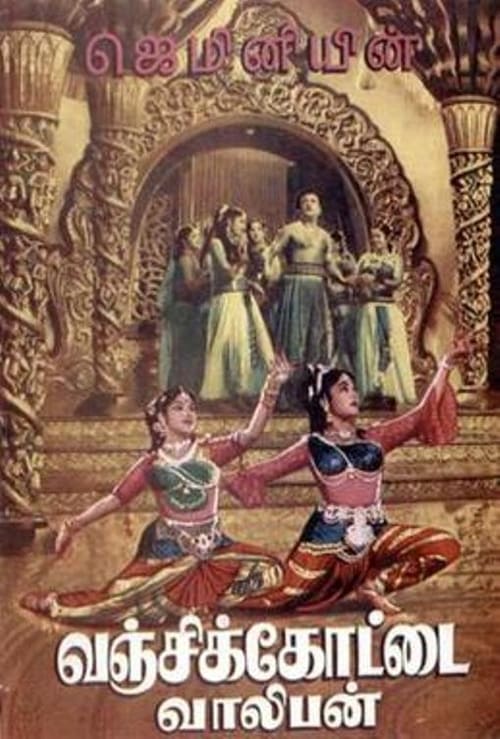
Vanjikkottai Valiban is a 1958 Indian Tamil-language romance film written by Gemini Studios story department consisting of K. J. Mahadevan, C. Srinivasan and Kothamangalam Subbu while the film was directed and produced by S. S. Vasan. It stars Gemini Ganesan and Vyjayanthimala in lead with Padmini, P.S. Veerappa, T. K. Shanmugam, Pasupuleti Kannamba, Vijayakumari, K. A. Thangavelu and M. S. Sundari Bai as the ensemble cast of the film.
Vanjikottai Valiban
Rajan loses his luggage in the train and ends up as a driver in Dharmalingam's family. He falls in love with Gomathy, the eldest daughter of Mullaivaasal Zamindar, his family's arch-rival.
Gomathiyin Kaadhalan
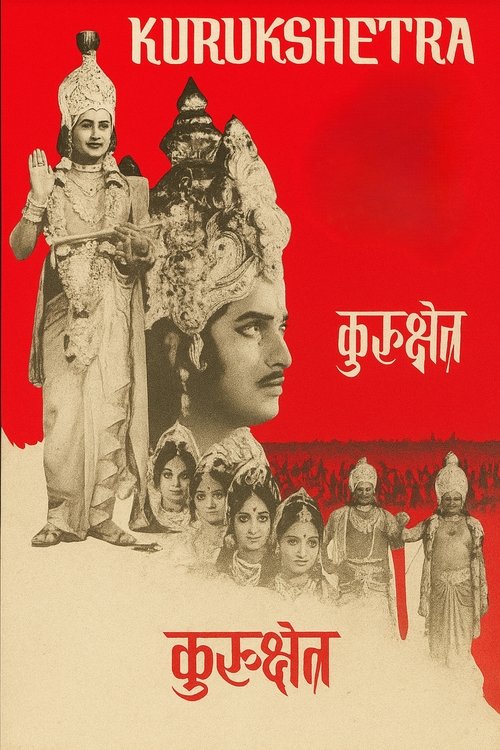
A combination of the epic story of the Mahabharata with contemporary social issues. It starts with a focus on a new social order, featuring three social workers, including Suvarnarekha, dedicated to eliminating idleness. The main narrative then unfolds by incorporating well-known mythological events like the Draupadi Swayamvar and the Sabha (Court) incident, progressing toward the Kurukshetra war. Throughout the film, these epic sequences are mixed with modern "social sequences" and philosophical lessons from the Bhagavad Gita in an attempt to address and provide solutions for national problems.
Kurukshetra
Saraswathi is a woman separated from her husband. She and her daughter Thilakam take refuge in her sister's family in Tiruchi. Saraswathi wants her daughter Thilakam to be married to her brother Sekhar. But her uncle Sambasivam wants to marry Thilakam to a rich but old man in Bombay. Sambasivam's son Gunasekharan is against this plan and wants Thilakam to be married to Sekhar.
Thilakam
1963 Tamil Film
Chitor Rani Padmini
A fake Godman lusts after a pious courtesan. How her devotion to God transforms both of them forms the rest of the story
Krishna Bhakthi
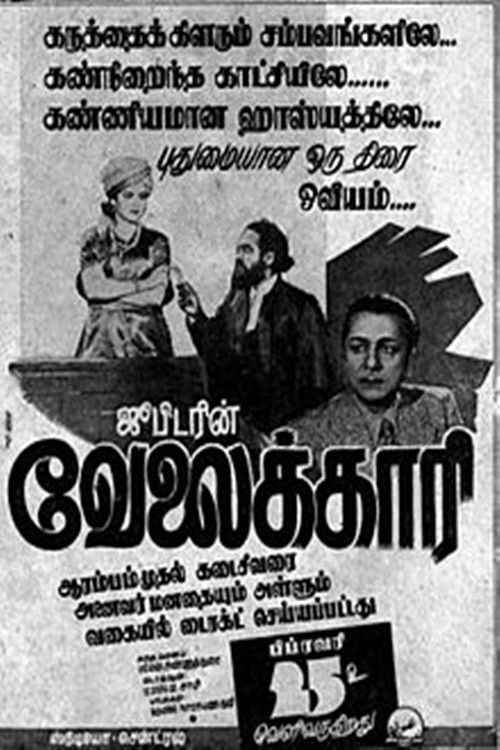
No description available.
Velaikari
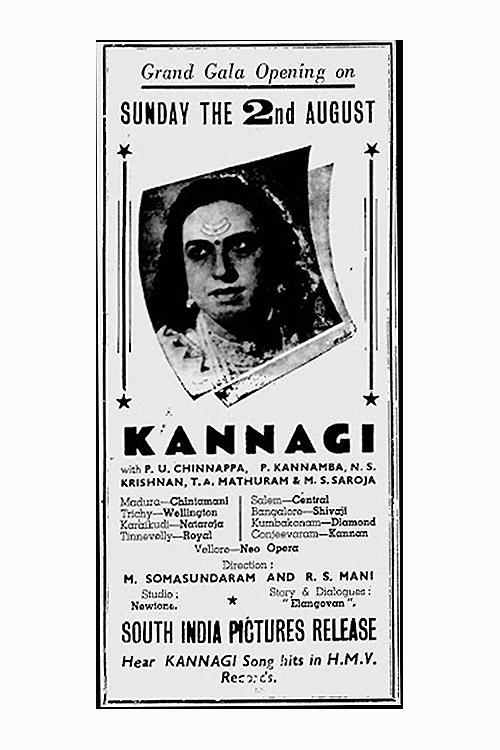
After losing his entire wealth to a courtesan, Kovalan returns to his wife, Kannagi. She offers him her last piece of jewellery to help him but he is falsely accused of theft and beheaded by the king.
Kannagi
A man, who goes from rags to riches, forgets his humble past. However, his daughter's loyalty towards her poor and sick husband proves an eye-opener for him.
Devaki
1944 Indian Tamil-language film
Jagathalapratapan
1947 Tamil film