Istvan Kantor
Directing
Biography
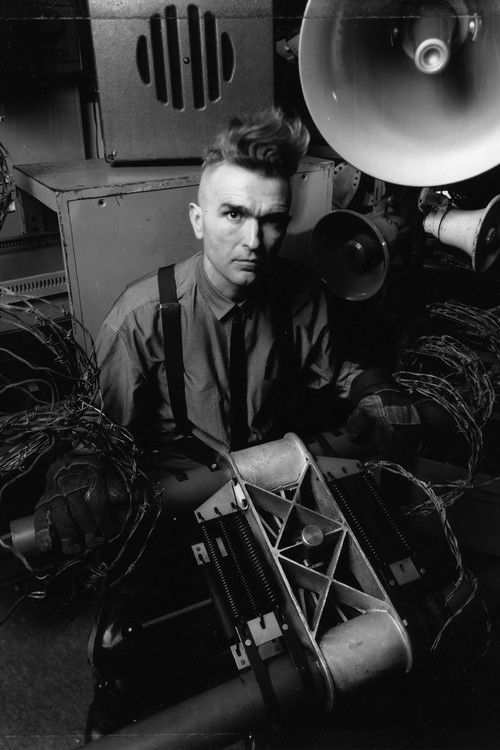
Better known as Monty Cantsin–founder of Neoism–Kantor/Cantsin immigrated from Hungary to Canada in 1976. In collaboration with correspondence artist David Zack, Kantor launched the Monty Cantsin open-pop-star project in 1978 in Portland, Oregon. He initiated both the international operations of Neoism and his major lifelong performance “Blood Campaign” in 1979 in Montreal. In 1986 Kantor/Cantsin relocated his headquarters to New York City to re-emerge as “self-appointed leader of the people of the Lower East Side.” He has been arrested and imprisoned several times for his spontaneous interventions in museums, including the Museum of Modern Art (New York), the National Gallery of Canada (Ottawa), the Art Gallery of Ontario (Toronto), the Musee d’art contemporain de Montreal, and the Ludwig Museum (Cologne). Kantor has created a body of work remarkable for its demonic energy, its subversive vision, and its encompassing range. He has explored mail art, music, kinetic sculpture, multi-media installation and, most prominently, performance art and video. He founded an indefinable and conspiratorial movement he called neoism. The intent of Kantor’s work has always been to disrupt closed systems of power, political and aesthetic, to lay bare the ways in which technology transforms human bodies and minds into elements of a vast robotic machine, and to confront today’s deadening systems of technological control.
Known For

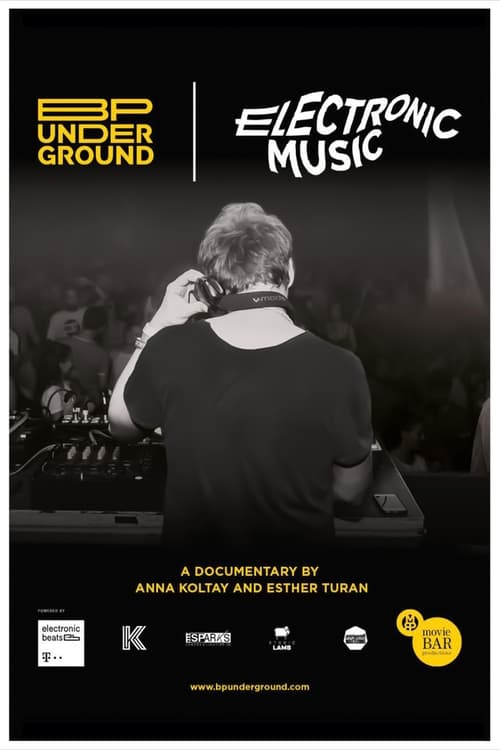
The third part of the BP Underground series is about Budapest's underground electronic music scene. Just like the other episodes it also evokes the emergence and growth of the genre with its unique visual world and a lot of archive footage. Among other things, it seeks to discover how Budapest as a center shaped the subculture.
BP Underground - Electronic music

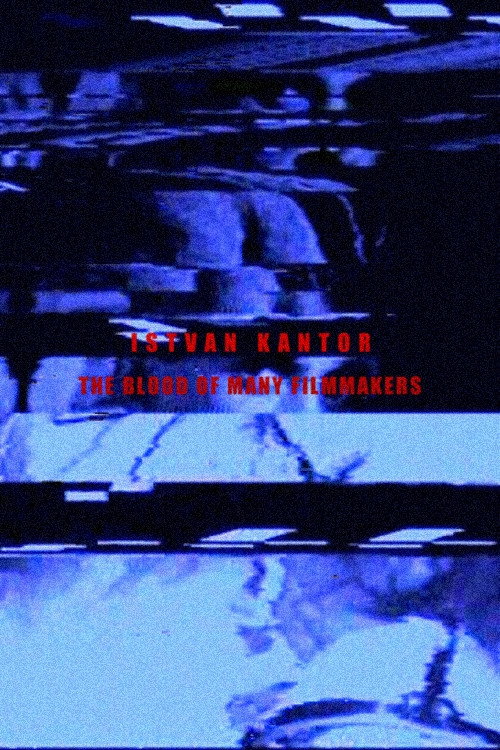
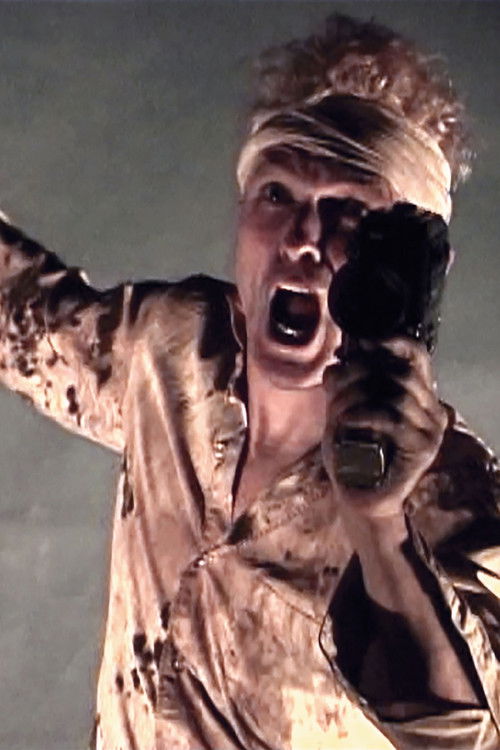
An army of phantom filmmakers destroys communication systems in order to restore film’s revolutionary power, following the example of the Kantorian pantheon’s filmography. In retaliation, the state destroys every existing film and converts movie theaters into barracks. This marks the death of film. The Battle of Algiers and The Discreet Charm of the Bourgeoisie perform its funeral dirge. In search of the vanished magic screen, Istvan Kantor praises the Sunday screenings of his childhood in the darkness conducive to dreams but also to conspiracy. This tribute to cinema is a necklace of videographic pearls worn on the shivering skin of its victim a few seconds before impact.
The Blood of Many Filmmakers

Utilizing approximately 20,000 rendered effects, Lebensraum/Lifespace – Spectacle of Noise is the culmination of Kantor’s digital processing extremes and Machine Sex Action. It is a shuddering, colour-coded allegory about the colonization of our lives by the all-pervasive entertainment/communication grid. It poses the question, are we being reduced to biological machinery units by global ideological transmission devices and kinetic control systems or are we still free thinkers?