Amber Bemak
Directing
Known For
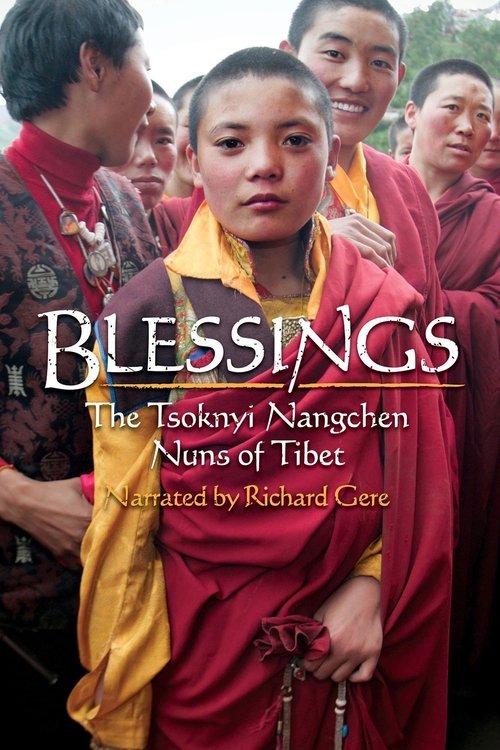
In Tibet, the word for woman translates as "lower rebirth." In a remote eastern region of the country, the Tsoknyi Nangchen nuns defy this definition. Devoted to the ancient practices of Tibetan Buddhism - once primarily a male domain - over 3,000 nuns have attained elevated status. Director Victress Hitchcock honors them in this moving documentary, which follows the journey of a small group of Western women to remote mountain hermitages to meet these nuns.
Blessings: The Tsoknyi Nangchen Nuns of Tibet

WHEN THE IRON BIRD FLIES takes us on an up-close and personal journey, exploring the complex interactions between contemporary Tibetan Buddhism and western culture. The film goes in-depth to portray the experiences and insights of both teachers and practitioners in the US and around the world. Along the way, it illuminates the wide ranging dialogs taking place between Buddhist teachings and science, psychology, gender theory and the arts. The film creates a vivid and entertaining portrait of the world of Tibetan Buddhism, as it is manifesting in the West and asks the vital question - 'In these increasingly chaotic modern times, can these age old teachings help us to find genuine happiness and create a saner, more compassionate 21st century world?'
When the Iron Bird Flies

"Tell Me When You Die" explores the juxtapositions between physical limitations and freedom, in both political and corporal contexts. It is about walking until you disappear into space. Being swallowed by sea, sky, or earth and the claustrophobia and intimacy of being surrounded by nature. We consider penetration as a cinematic rhythm, and experiment/perform being penetrated by air, water, fingers, and text. Thinking about porn as a genre which can be empowering or degrading in it’s engagement with women and their bodies, we use our own bodies to picture these extremes, at times our bodies are performing power and at times they are not. We also utilize our bodies in a satirical sense to experiment with presentations of gender, in relation to each other and our surroundings.
Tell Me When You Die
Goodbye Fantasy is about two bodies in relation to each other as they let go of multiple cinematic universes they occupy together. Transforming from a fantasy body to a dreaming body to a dying body, they enact different constellations of social and political power as they relate to each other within the tight construct of the frame.
Goodbye Fantasy
Dallas is a Fire works with an archive of local Dallas news from the year 1970. The loop of anti-Blackness circles and circles through the film, looking at the ways that history repeats itself through words, gestures, and actions.
Dallas is a Fire
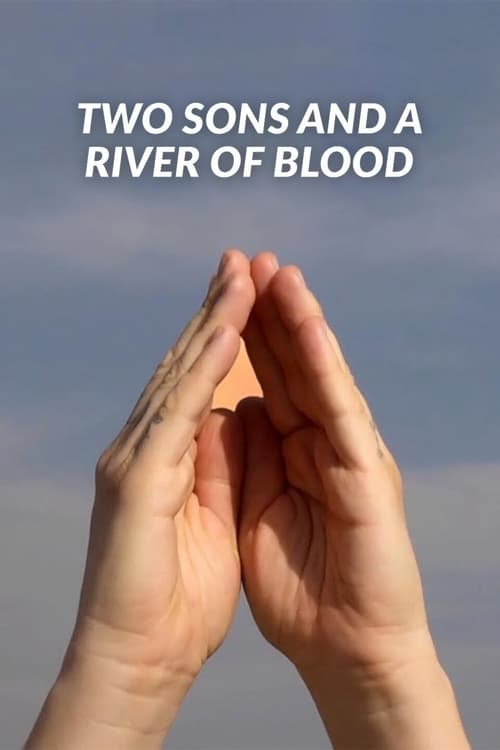
A queer woman is pregnant. The self-made family unit of two dykes and a trans man imagine a kind of erotic magic that will allow for procreation based solely on desire. Together they enact a public sex ritual to symbolize their hopefulness for multiplicity, acknowledging their cyborg bodies as technological interventions. When the queer woman miscarries her child, the three begin to build their own mythic understanding of where bodies live when they are not inside us. They create a story to trace movement of the non-body, from a hole, to a river, to a room. Images of an imaginary white room, an ikea-esque torture chamber of stillness, haunt them. As a parallel emerges between the pregnant body and the trans body, the techno-sex act becomes the key and a pyramid becomes the portal to access this other world of non-bodied existence.
Two Sons and a River of Blood

Taking place on a mythical border area between Colombia and the United States, Borderhole investigates the relationship between North and South America through the lens of the American Dream and the illumination of multiple tensions in/around the border. The film explores imperialism, globalization through pop music, the gender mutant in an international context, and the choreography of women’s bodies in relation to sociopolitical and ecosystems.
Borderhole

This vibrant documentary celebrates Guillermo Gómez-Peña and the contribution his radical, queer, anti-colonial art has made to conversations around border-thinking, gender politics and Latinx identity.