Acting
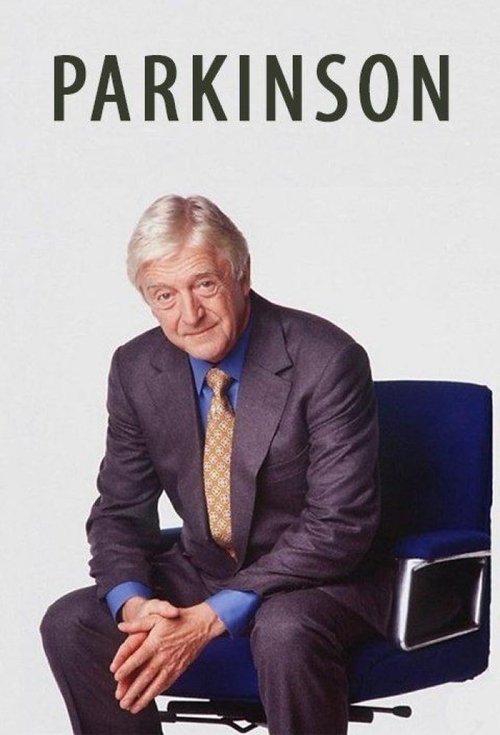
Michael Parkinson returns for a second run of his iconic talk show.
World in Action was Granada Television’s flagship ITV current affairs series, running from 7 Jan 1963 to 7 Dec 1998, and built a reputation for film-led investigative reporting and a forceful editorial stance. Its journalism produced major public and political repercussions—including investigations associated with miscarriages of justice such as the Birmingham Six—and it also served as a platform for landmark documentary projects, including the first broadcast of “Seven Up!” as part of the strand in 1964.
Going Live! was a Saturday morning magazine show, broadcast on BBC1 between 1987 and 1993. It was presented by Phillip Schofield and Sarah Greene. Other presenters included Trevor and Simon, Peter Simon, Emma Forbes, and puppet Gordon the Gopher. The show was broadcast during the autumn to spring seasons, with other shows such as the 8:15 from Manchester and Parallel 9 taking over during the summer months. It was preceded by Saturday Superstore, and succeeded by Live & Kicking. In 1988, when the second series started, Greene was hurt in a helicopter crash with her then boyfriend, Mike Smith. Guest presenters stood in for her including T'Pau's Carol Decker. Similarly, in 1992-93 during the final series, Schofield was starring in Joseph and the Amazing Technicolor Dreamcoat and was unable to present the show. A third presenter took his place. Originally, Neighbours actor Kristian Schmid took the role but soon left after problems with his work permit. Various other celebrities to stand in included Shane Richie and Robbie Williams during his Take That days.
Running for seven weeks from July 2007, each week focused on a different genre, examining British film by genre. Presented by Jessica Stevenson the series featured over 200 exclusive interviews with leading actors and directors including Sir Michael Caine, Sir Anthony Hopkins and Kate Winslet.
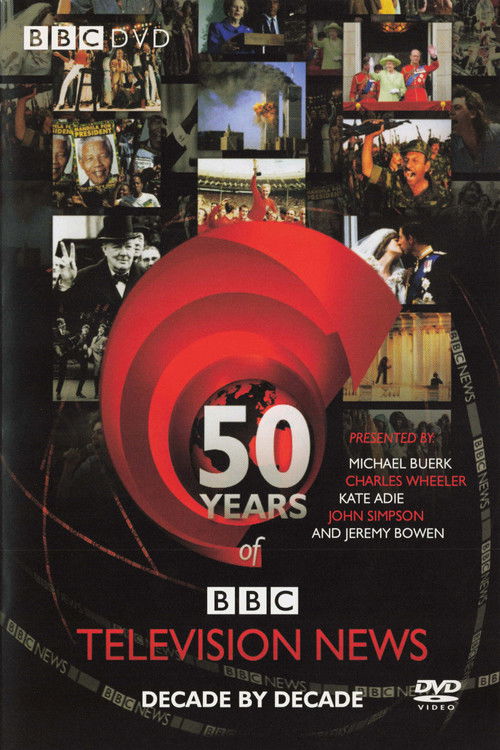
To mark 50 years of BBC TV News, a look back on how stories were reported in each decade. Narrated by key figures including Charles Wheeler, Michael Buerk, Kate Adie, John Simpson and Jeremy Bowen.
Esther Johnson’s film uses local archive footage to convey the story of Sunderland's involvement in the First World War, from the men who fought in the fields to those who stayed behind to work in the region’s shipyards and munitions factories.
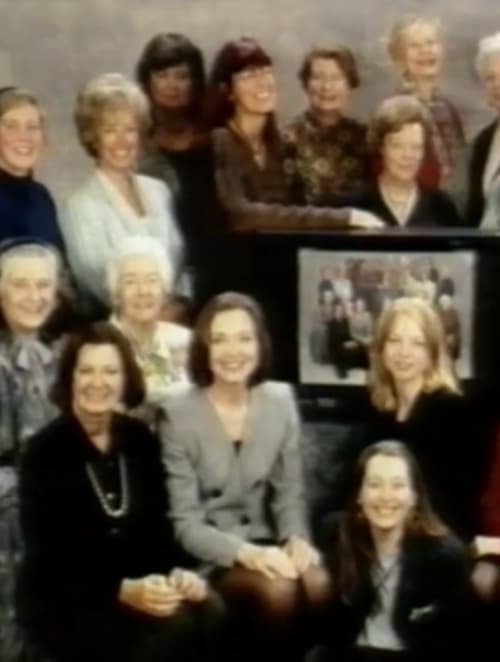
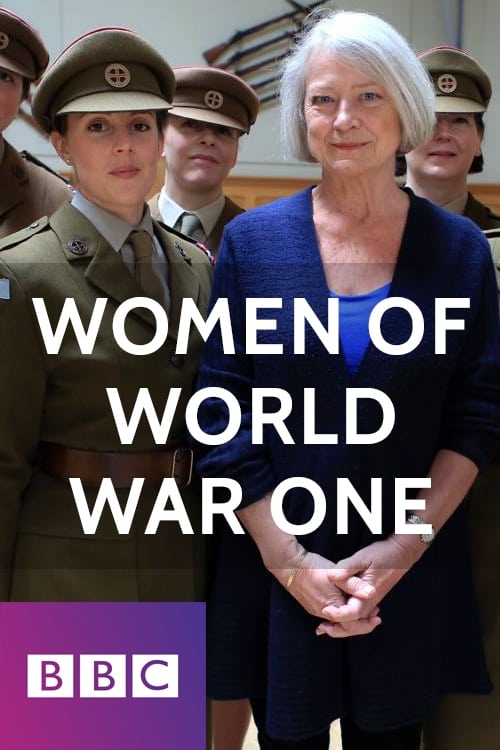
Traces the role of women in British television, from 1946 to 1997.
No description available.
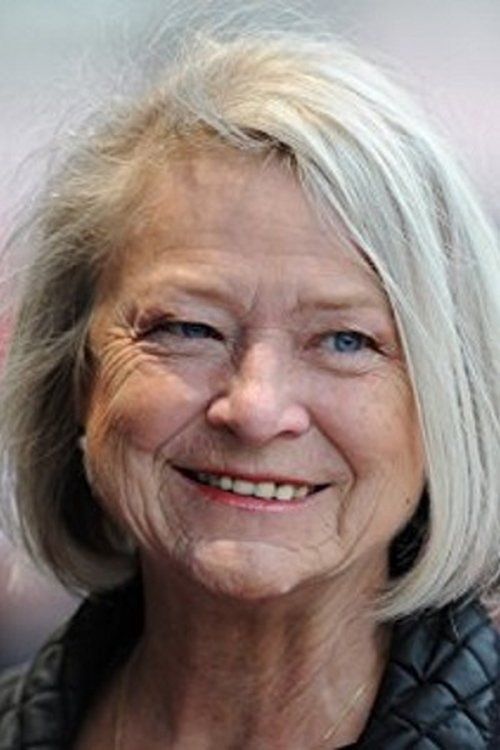
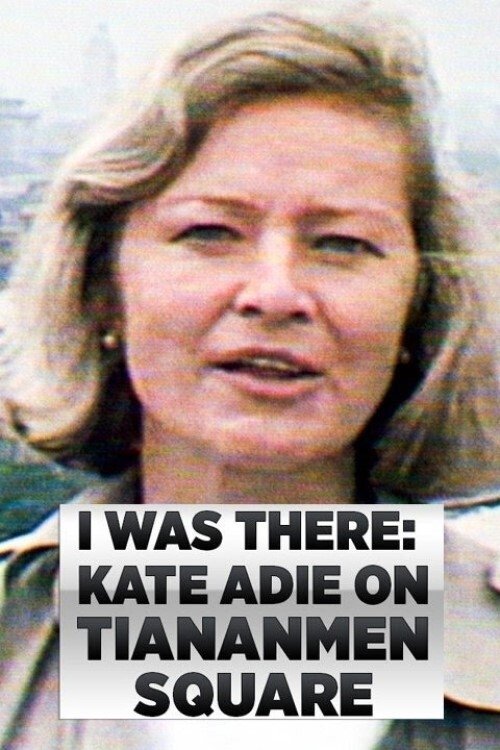
In a long-form interview, Kate recalls how she was wounded by gunfire and narrowly escaped death herself as she and her cameraman remained in the line of fire while an estimated 2,000 pro-democracy demonstrators were shot down by Chinese government troops. Kate reviews the reports she made on the ground, with additional insight from leading historian Professor Steve Tsang, and draws on the BBC's archive to assess how film-makers have portrayed China before and after the upheaval.