John Moore
Acting
Known For
A quirky spy show of the adventures of eccentrically suave British Agent John Steed and his predominantly female partners. Jonathan Steed - an urbane, proper gentleman spy - teams with various assistants throughout the series' run, including Dr. David Keel, Cathy Gale, Emma Peel and Tara King, to repeatedly save the world from diabolical schemes plotted by equally diabolical evil-doers (among them robots and man-eating monsters).
The Avengers
Jim Bergerac is a detective sergeant in The Foreigners Office who likes to do things his own way. While dealing with his own personal demons Bergerac has a knack of finding trouble, and sometimes causing it.
Bergerac
An anthology series of television plays which aired on BBC1 from October 1964 to May 1970. The plays were usually written for television, although adaptations from other sources also featured.
The Wednesday Play

Theatre 625 is a British television drama anthology series, produced by the BBC and transmitted on BBC2 from 1964 to 1968. It was one of the first regular programmes in the line-up of the channel, and the title referred to its production and transmission being in the higher-definition 625-line format, which only BBC2 used at the time.
Theatre 625
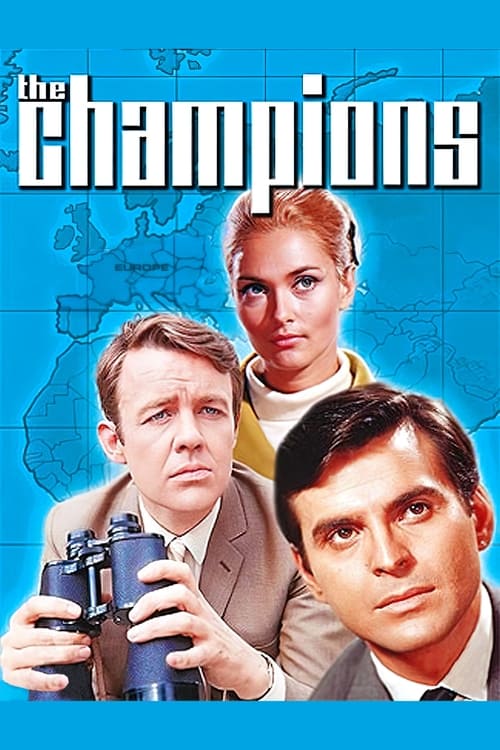
After a plane carrying three Agents crashes in the Himalayas, they are rescued by an advanced civilisation secretly living in Tibet who grant them enhanced versions of the ordinary five senses, and intellectual and physical abilities.
The Champions
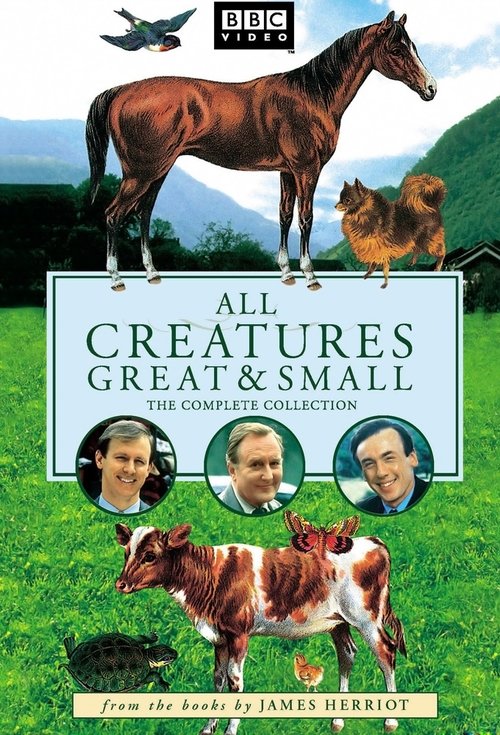
The trials and misadventures of the staff at a country veterinary office in Yorkshire. James Herriot, a young animal surgeon, moves to a small Yorkshire town to begin his first job.
All Creatures Great and Small
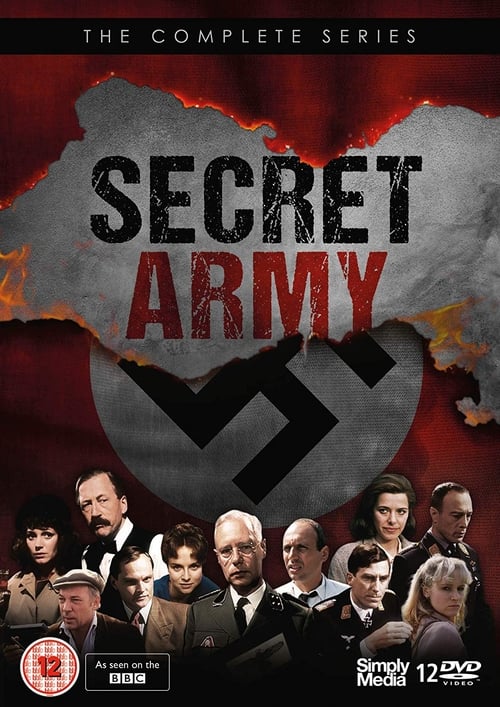
World War II drama about covert organisation Lifeline helping allied airmen escape after being shot down in occupied Europe, working with the Resistance and hiding from the Gestapo.
Secret Army
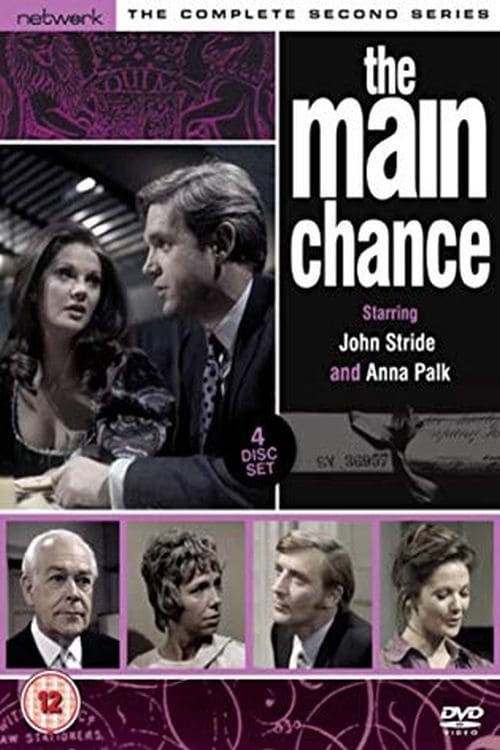
The Main Chance was a British television series which first aired on ITV between 1969,1970,1972 and 1975. A drama, it depicts the sudden transformation in the life of solicitor David Main who relocates from London to Leeds.
The Main Chance
Anthology series of half hour plays produced in BBC's Television Centre's studios.
Centre Play

Strangers is a 1978–82 ITV police procedural created and principally written by Murray Smith, based on characters created by Kenneth Royce in his novel series and subsequent 1977–78 television adaptation The XYY Man. Don Henderson and Dennis Blanch reprise their roles, respectively, of Detective Sergeant (DS) George Bulman and Detective Constable (DC) Derek Willis. A group of police officers are brought together from across the country to the north of England. There, the fact that they're not well-known gives them the advantage to infiltrate where a more familiar local detective could not. Despite being based around a comparatively small team of detectives, a regular feature in its early years is that few episodes feature the entire team, with most using just two or three regulars in any major role.
Strangers
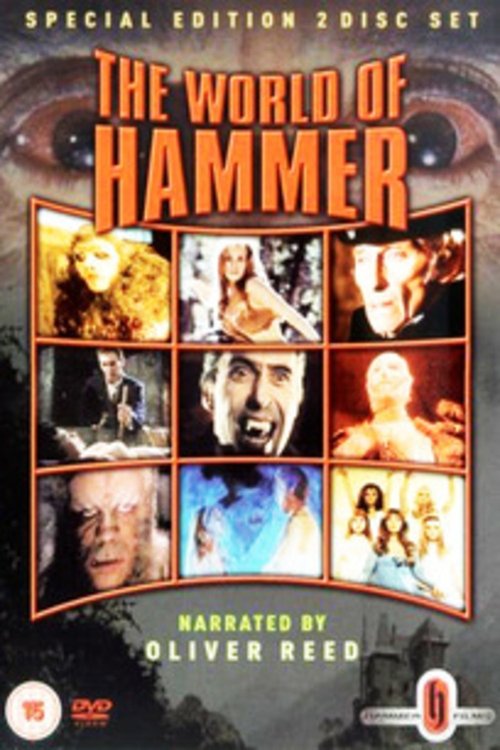
The World of Hammer is a thirteen-part British documentary series created and written by Robert and Ashley Sidaway for Channel 4. Initially broadcast from 12 August to 4 November 1994, the series is narrated by English actor and frequent Hammer collaborator Oliver Reed.
The World of Hammer
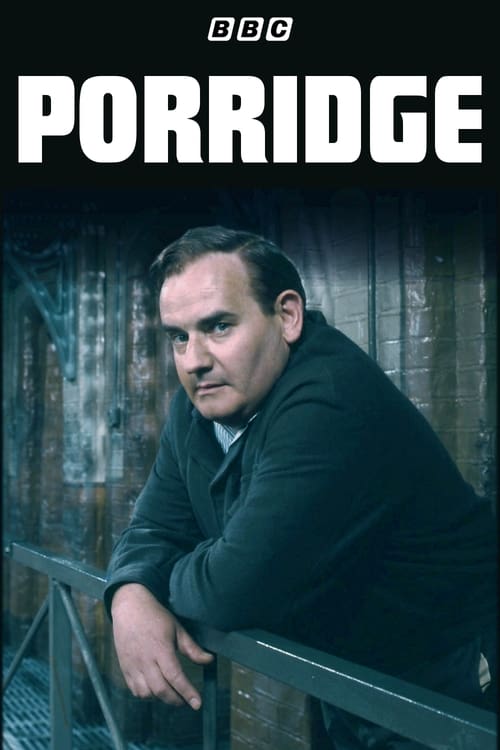
Porridge is a British situation comedy broadcast on BBC1 from 1974 to 1977, running for three series, two Christmas specials and a feature film also titled Porridge. Written by Dick Clement and Ian La Frenais, it stars Ronnie Barker and Richard Beckinsale as two inmates at the fictional HMP Slade in Cumberland. "Doing porridge" is British slang for serving a prison sentence, porridge once being the traditional breakfast in UK prisons. The series was followed by a 1978 sequel, Going Straight, which established that Fletcher would not be going back to prison again. Porridge was voted number seven in a 2004 BBC poll of the 100 greatest British sitcoms.
Porridge
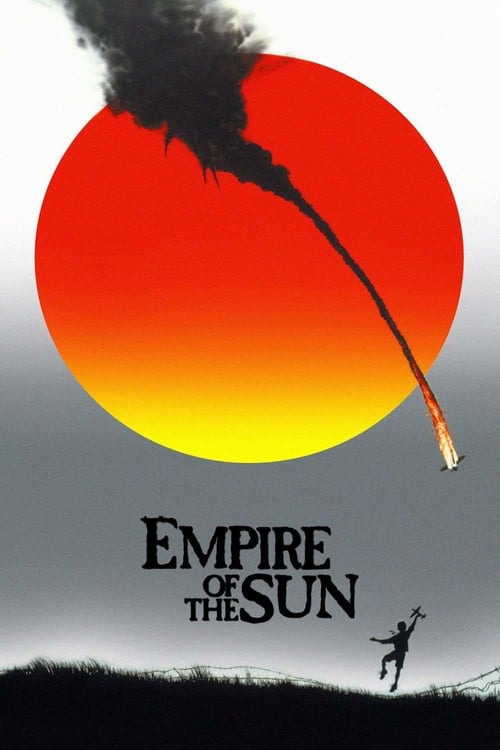
Jamie Graham, a privileged English boy, is living in Shanghai when the Japanese invade and force all foreigners into prison camps. Jamie is captured with an American sailor, who looks out for him while they are in the camp together. Even though he is separated from his parents and in a hostile environment, Jamie maintains his dignity and youthful spirit, providing a beacon of hope for the others held captive with him.
Empire of the Sun
Studio 4 is an anthology drama series utilising BBC Television Centre's Studio Four, and running for two series in 1962 on BBC One. It was envisaged as a sequel to Storyboard, a similar anthology series which had been transmitted the previous year.
Studio 4
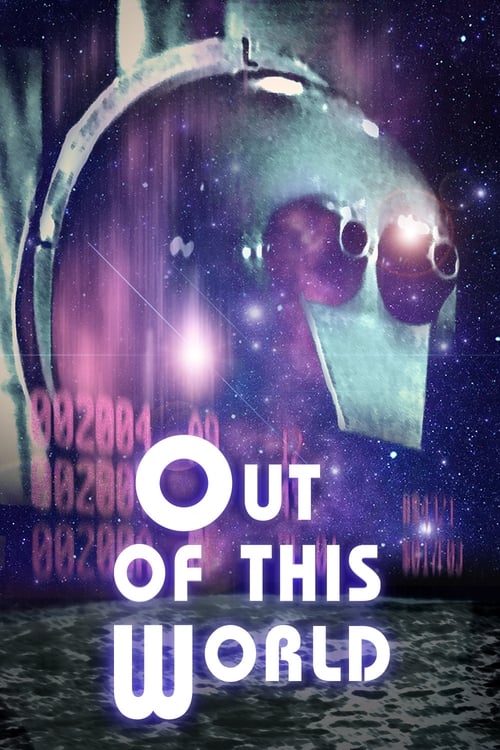
Out of This World is a British science fiction anthology television series made by ABC Television and broadcast in 1962. A spin-off from the popular anthology series Armchair Theatre, each episode is introduced by actor Boris Karloff. Many episodes are adaptations of stories by sci-fi writers including Isaac Asimov, Philip K. Dick and Clifford D. Simak. The series is generally seen as a precursor to the BBC science fiction anthology Out of the Unknown.
Out of This World

Nicholas Nickleby, a young boy in search of a better life, struggles to save his family and friends from the abusive exploitation of his coldheartedly grasping uncle.
Nicholas Nickleby
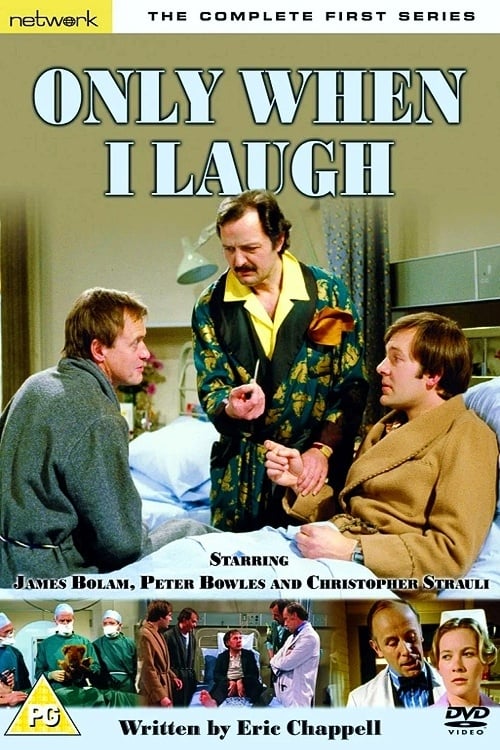
Only When I Laugh is an ITV1 sitcom broadcast from 29 October 1979 to 16 December 1982 for four series with seven episodes each, and a Christmas special in 1981. The title is the answer to the question, "Does it hurt?" A naïve middle-class man is admitted to an NHS hospital ward, shared with a working-class layabout and an upper-class hypochondriac. The trio never fail to cause a nuisance for the poor, unsuspecting staff.
Only When I Laugh
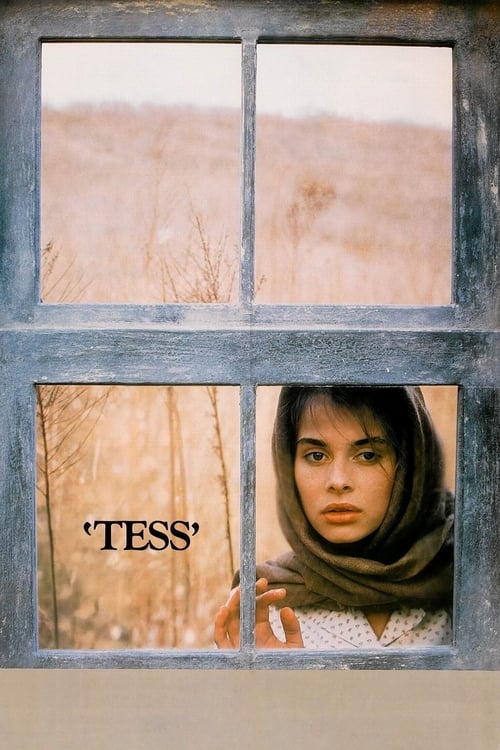
A strong-willed peasant girl is sent by her father to the estate of some local aristocrats to capitalize on a rumour that their families are from the same line. This fateful visit commences an epic narrative of sex, class, betrayal, and revenge.
Tess
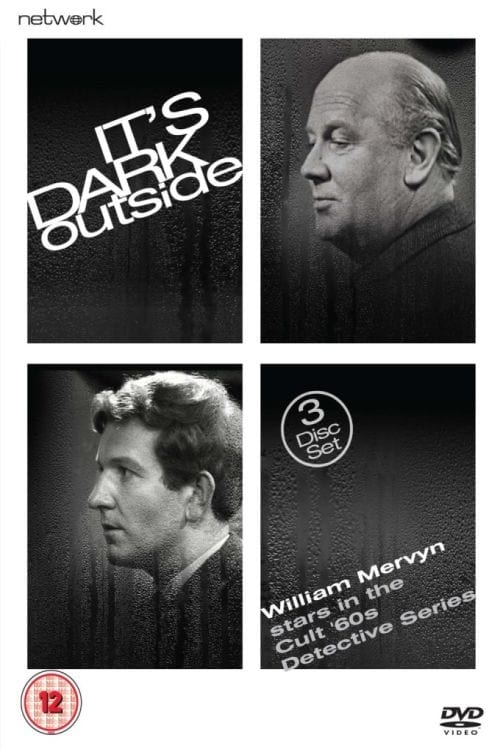
This spin-off from The Odd Man (1962) starred William Mervyn as the acerbic Inspector Rose, who, alongside the soft-hearted pensive Det. Sgt. Swift (Keith Barron), are joined by Anthony (John Carson) and Alice Brand (June Toblin), a barrister and his journalist wife, though not for long. By the second season, the Brands and Swift departed, leaving the calm, cold Rose in prime position, supported by newcomers DS Hunter (Anthony Ainley), his girlfriend Claire (Veronica Strong), and her boozy reporter friend Fred Blaine (John Stratton).
It's Dark Outside
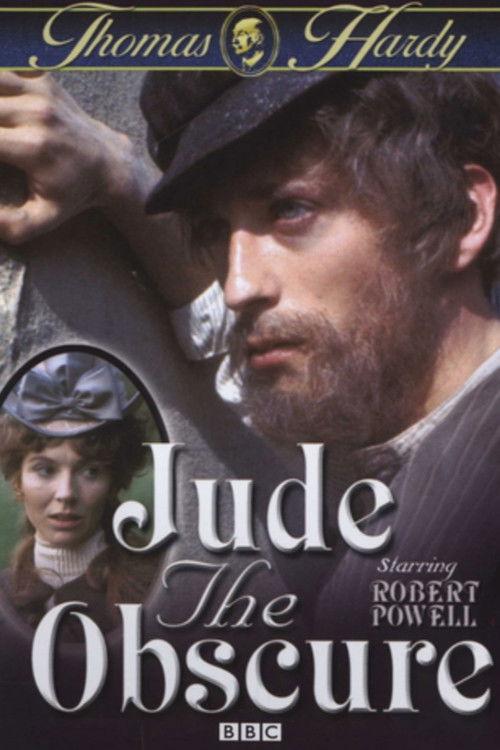
Jude the Obscure is a British television serial directed by Hugh David and dramatised by Harry Green, based on Thomas Hardy's 1895 novel of the same name. Born into poverty, young Jude Fawley refuses to accept his lot in life. As his dreams are shattered one by one, his life gradually descends into tragedy.