Cinthia Marcelle
Directing
Known For
Two air currents create abstract shapes on rows of powder. A subtle and yet powerful interpretation of sex and maybe love.
Black Hole

An empty area is covered, in a few moments, by currents of water coming from all sides, suggesting the beginning of a flood. Gradually, the volume and rhythm of the tides become more aggressive, in a movement that seems to drag everything towards the center.
Leitmotif
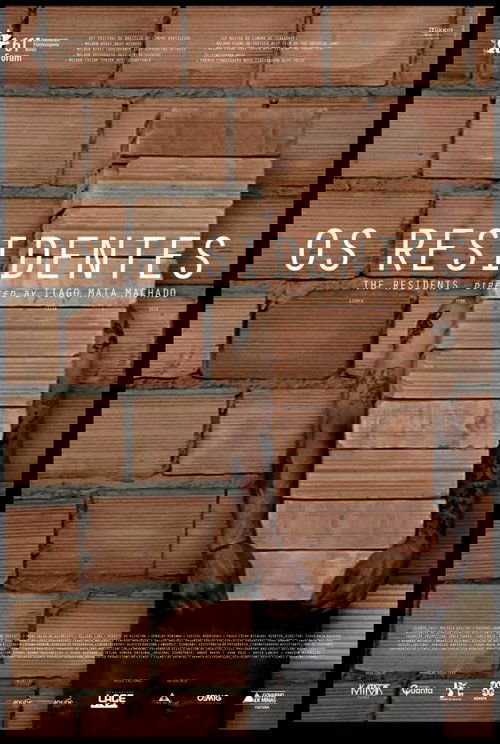
Living in a temporary autonomous zone, the residents spend their days dealing with small lunatic plots, quixotesque farces and rimbaudian delusions.
The Residents

A family is sitting amid what is left of their home, their belongings piled up in the open air without shelter, while bulldozers shift piles of raw material with relentless aggression. A few moments later, members of the family walk away with whatever small items they can carry on their backs, while a worker prepares the ground for the erecting of a barbed-wire fence. The persistent sound of cargo trains haunts the visually stunning but despoiled landscape in a reminder of how money never sleeps.
Acumulação Primitiva
The destructive character sees nothing permanent. But for this very reason he sees ways everywhere. Where others encounter walls or mountains, there, too, he sees a way. But because he sees a way everywhere, he has to clear things from it everywhere. Not always by brute force; sometimes by the most refined. Because he sees ways everywhere, he always stands at a crossroads. No moment can know what the next will bring. What exists he reduces to rubble – not for the sake of rubble, but for that of the way leading through it.
One Way Street

The Century (O Século) is both the documentary of a performance and the documentary of an allegory. Without a human figure in view, scraps, debris, and junk are thrown dramatically from one side of an alley to the other, and then a volley begins from the other side.