Stéphane Collaro
Acting
Biographie
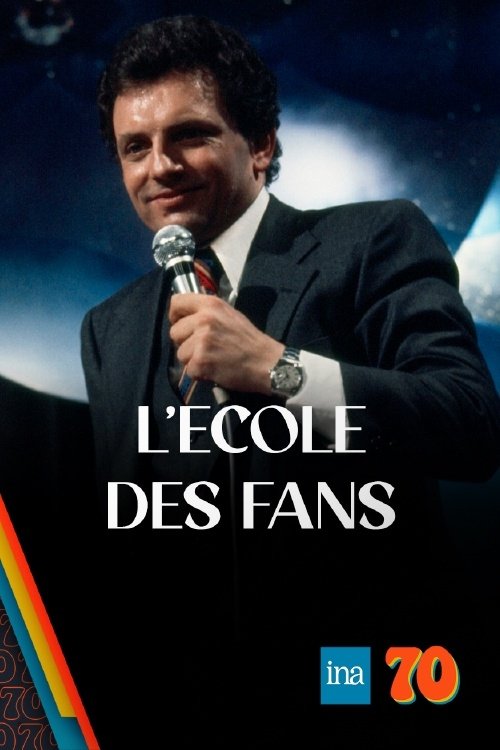
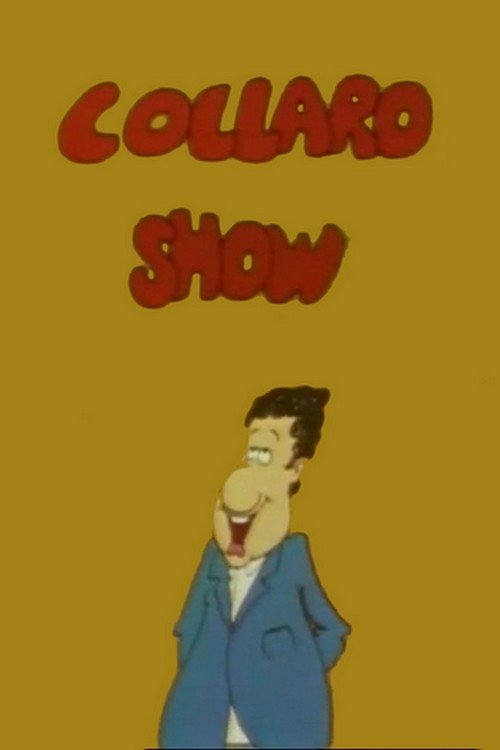
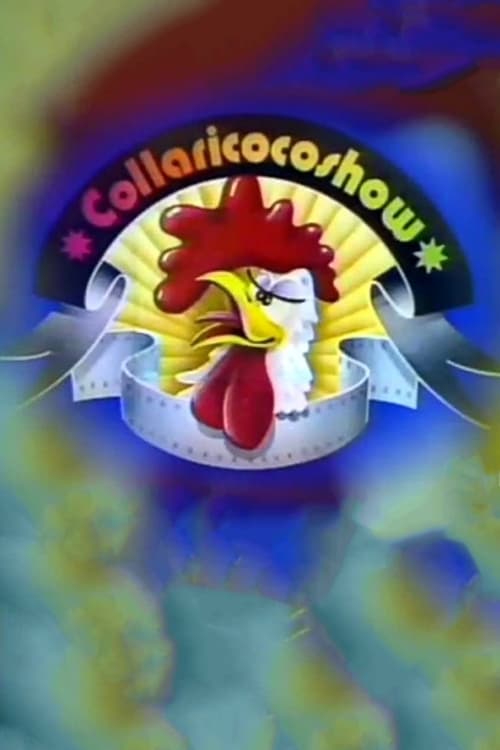
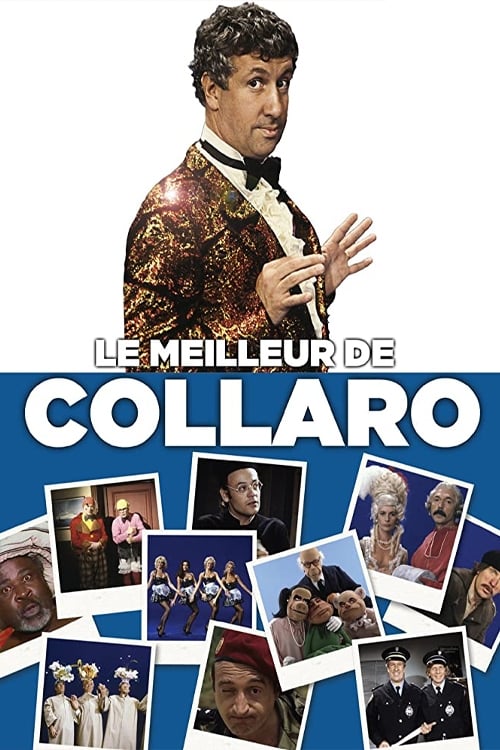
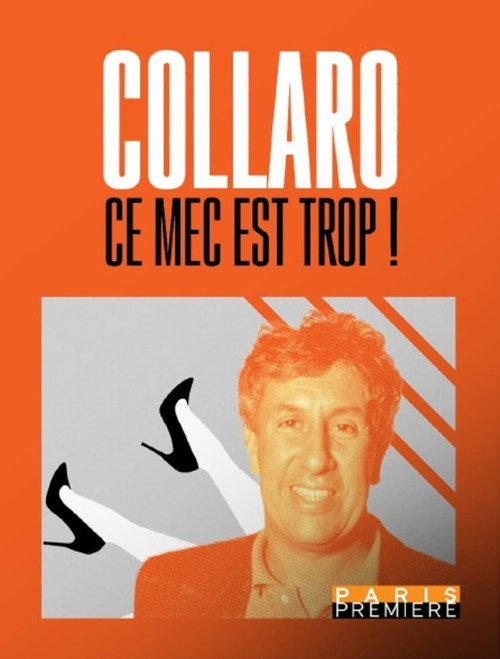
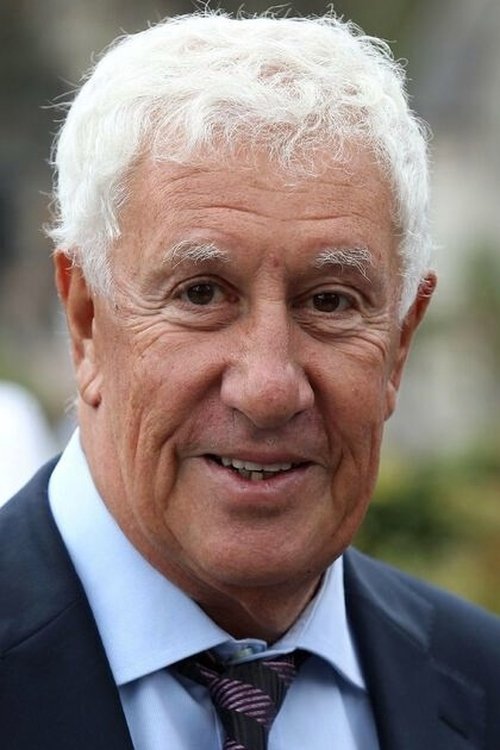
Stéphane Collaro, né le 20 mai 1943 à Neuilly-sur-Seine, est un journaliste, humoriste, acteur, réalisateur, scénariste et animateur de télévision. Après avoir quitté le monde de la télévision en 1996, il se reconvertit en tant qu'exploitant hôtelier et promoteur immobilier, en outre-mer. Stéphane Collaro naît dans une famille bourgeoise de Neuilly-sur-Seine le 20 mai 1943. Il est le fils d'Étienne Collaro, un industriel, et de Maud Marquès. Sa famille est originaire de Nice et d'Italie. Après être passé par le collège Stanislas, l'école Saint-François-Xavier, les lycées Carnot, Condorcet de Paris et le lycée Marceau de Chartres où il obtient un bac littéraire (série de l'époque: A), Stéphane Collaro entre à la faculté de droit de Paris mais n'obtient aucun diplôme juridique. Il commence sa carrière dans les années 1960 comme journaliste d'actualités, puis comme journaliste sportif à la télévision française, qui est alors une des composantes de l'ORTF. Il y effectue principalement la couverture et les commentaires en direct des compétitions automobiles, mais aussi de natation. Pendant cette période, il est assez proche du pilote Jean-Pierre Beltoise (il devait notamment être son copilote lors du Rallye Méditerranée en 1969, mais fut remplacé juste avant le départ de l'épreuve). En 1974, il quitte le journalisme afin de participer, à partir de 1975, à des émissions humoristiques comme Le Petit Rapporteur de Jacques Martin sur TF1. Puis, à partir de janvier 1977, sur Antenne 2, toujours avec Jacques Martin, il présente l'émission Bon Dimanche dont fait partie notamment La Lorgnette, Ces messieurs vous disent, l'École des fans et Musique and Music, et ce jusqu'à l'été 1978. En 1976, il représente la France au jeu international des télévisions francophones intitulé Le Francophonissime, animé à l'époque par Georges de Caunes et arbitré par Maître Capello. En 1978, il anime sur Europe 1 une émission en matinée à partir de 8h45 avec Guy Montagné et Brigitte; il y restera 6 ans. En parallèle, il crée ses propres émissions de divertissement, dont certaines réalisées par Gérard Espinasse: à la rentrée 1979, Stéphane Collaro lance sa première émission, intitulée Le Collaro show, émission d'humour diffusée hebdomadairement en seconde partie de soirée le samedi, puis diffusée en 1980 mensuellement le mercredi en première partie de soirée, jusqu'en 1981, année où il rejoint TF1 pour y animer, à partir de 1982, Coco-Boy, Cocoricocoboy, le Grand Ring Dingue, etc. En 1984, il connaît des ennuis avec l'autorité de tutelle de la télévision française lorsque, dans son émission, une jolie femme (la playmate) fait un numéro de striptease, le sponsor de l'émission apparaissant de manière un peu trop ostensible, alors que selon les accords entre TF1 et la Haute Autorité, son nom ne devait apparaître que dans les génériques de début et de fin d'émission. Pour ses émissions, il crée une troupe de danseuses baptisées les coco-girls. Parmi les coco-girls, on retrouvera notamment Natty Tardivel, Sophie Favier et Fenella Masse Mathews. ... Source: Article "Stéphane Collaro" de Wikipédia en français, soumis à la licence CC-BY-SA.