Directing
Murders in... is a collection of French-Belgian police TV movies taking place each time in a different French city and region.
What do X-rays, microwaves and light have in common? Part of the Science Please! collection for children.
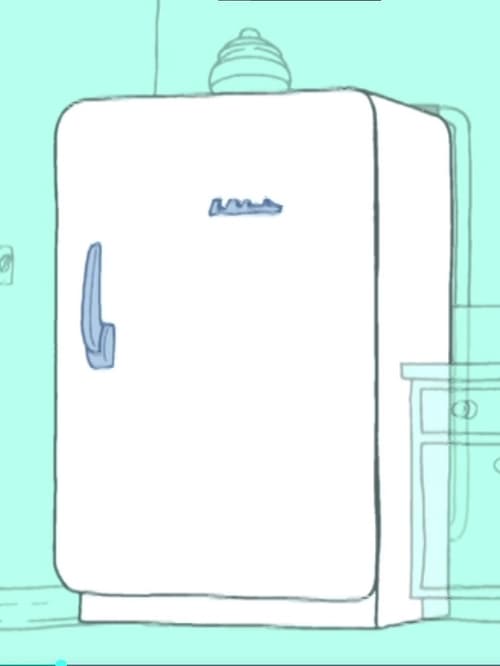
What makes a fridge cool? A clip from the Science Please! collection.
After her death, Gabrielle writes a poignant posthumous love letter to her grieving husband, Philippe, who is enduring the family ritual of the funeral alone.
What lights your fire? Part of the Science Please! collection for children.
A minute of science, please. is a delightful collection of small one-minute films each explaining, using animation, archival images, and an often humorous narrative, various phenomena and scientific discoveries.
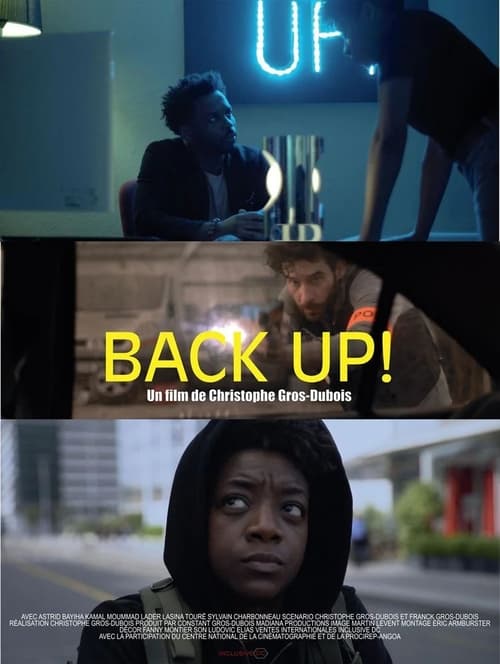
Today, death of a project youth following a police control - 25 years ago, disappearance of an activist - The journalists from "Back Up!", an alternative media, are investigating - Their opponent? The State determined to keep control over the Republic's forgotten territories.
A clip in the Science Please! collection, Slippery Ice! uses archival footage, animated illustrations and amusing narration to explain why we slip on ice.
January 1966. In a Paris apartment, police discovers the corpse of Georges Figon, the man who broke the scandal of the Ben Barka affair and undermined Gaullist power.
In a cinema, the day of the premiere of J'irai cracher sur vos tombes (adapted from his novel), Boris Vian has a heart attack. During his discomfort, he relives the major stages of his life: the meeting with Raymond Queneau, the nights of Saint-Germain-des-Prés, the scandal of J'irai cracher sur vos tombes, his love stories with Michelle Léglise then Ursula Kubler or his relationship with Jean-Paul Sartre. Through his memories, Boris Vian relives all his “parallel lives”.
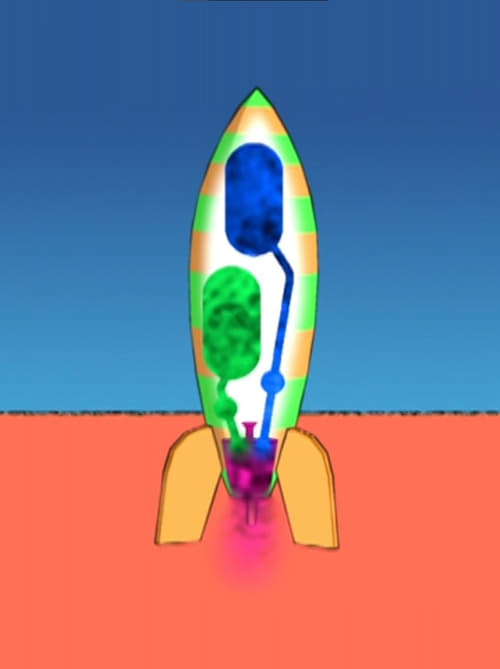
A clip in the Science Please! collection,Lift Off uses archival footage, animated illustrations and amusing narration to explain what makes a rocket lift off.
A clip in the Science Please! collection, Sound Is Vibration uses archival footage, animated illustrations and amusing narration to explain what is the sound.
What keeps us down to earth? This clip from Science Please! answers the question.
Edison's bright idea, or how the electric light bulb works?
A clip in the Science Please! collection, Lightning uses archival footage, animated illustrations and amusing narration to explain: What causes the electrical discharge we see as lightning?
A clip in the Science Please. collection, The Wonderful World of Colour uses archival footage, animated illustrations and amusing narration to explain how the cones of the retina enable us to perceive the spectrum of colours.
A clip in the Science Please! collection, Magnets uses archival footage, animated illustrations and amusing narration to explain: North Pole, South Pole... what's the big attraction?
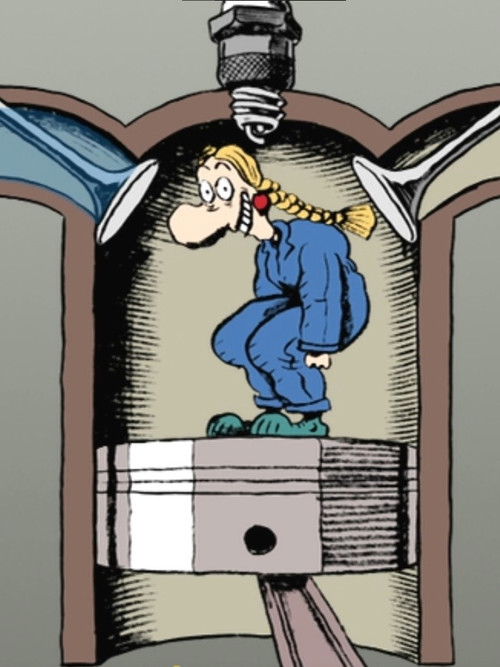
Four strokes of genius.
A clip in the Science Please! collection, Operation Lever uses archival footage, animated illustrations and amusing narration to explain how a lever increases force.
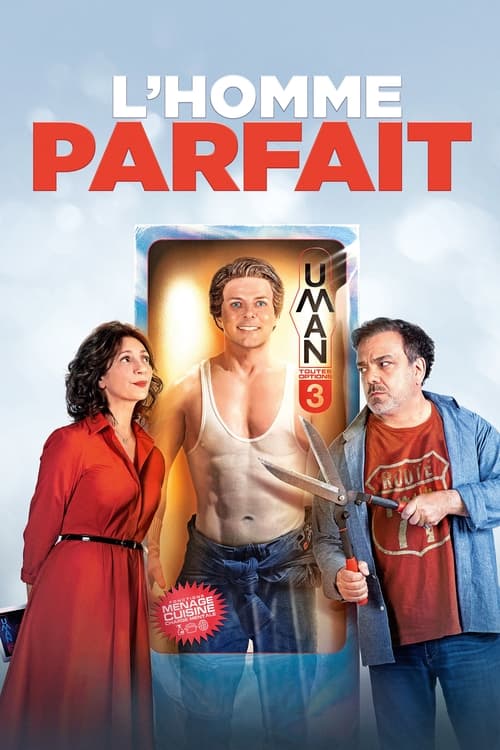
Florence, a lawyer overwhelmed by her family life, decides to buy a humanoid robot with a perfect physique. The robot meets all her expectations: maintain the house, take care of the children, and more... By maliciously disrupting their daily routine, the robot also arouses the jealousy of her self-centered careless husband, Franck, a second-class actor who suddenly realizes he must make some efforts not to lose the love of his wife.