Directing
No description available.
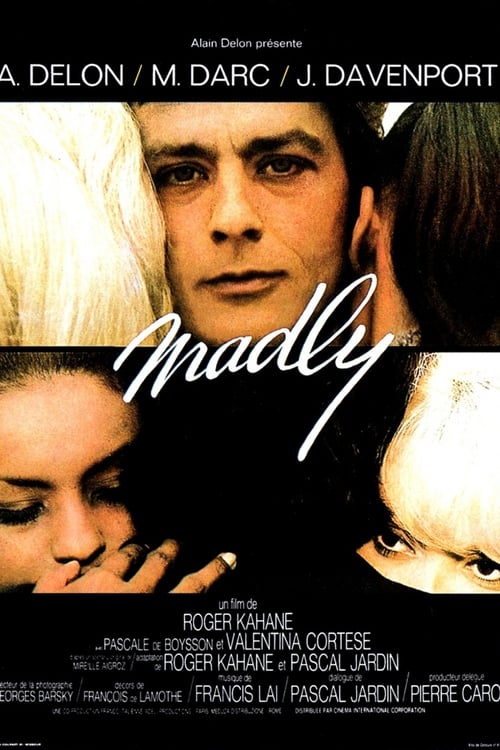
Julien and Agatha appear to be a great couple, loving, caring and seem to feel complete with each other. Though Julien often gives the impression of being interested in other girls, his lover doesn't care all that much and sometimes even looks like she's encouraging him to do that. It all changes when they meet an American woman who'll change their lives and their perception of love.
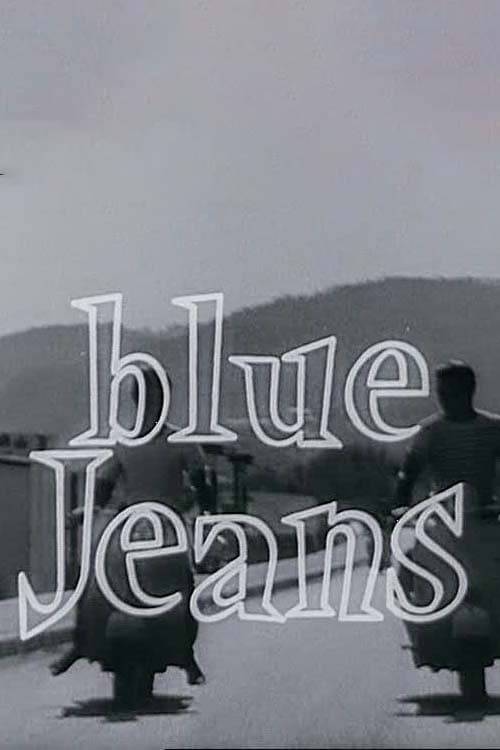
The story of two seventeen year old boys. They are wearing medals around their necks. They have their pockets full of chewing gum something that they chew ceaselessly. They are wearing blue jeans. They spend the day along the beach front in Cannes looking for girls to win over.
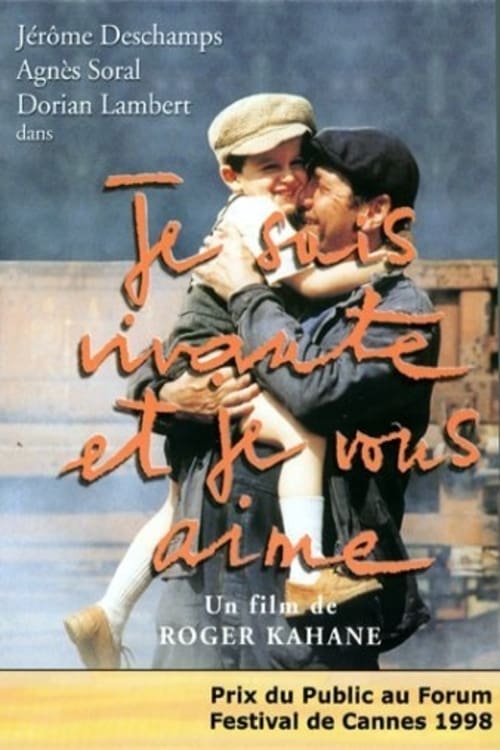
During World War II, a woman aboard a railroad car full of deportees slips French railway worker Julien a note with an address and a simple message: "I am alive, and I love you," and he decides to track down the intended recipients. When he finds the woman's Jewish family, he is inspired to do what he can to protect them from the Nazi atrocities.
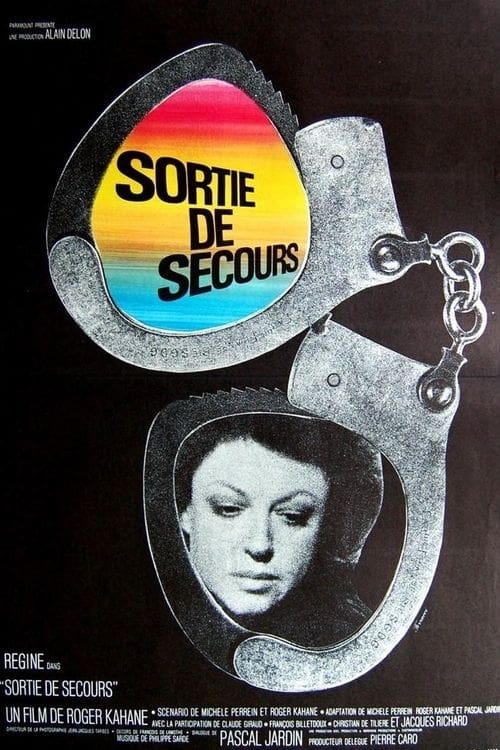
A failed actress sinks into neurosis and mythomania. To give relief to her dismal existence, she engages in all kinds of activities ranging from false testimony to occasional prostitution.
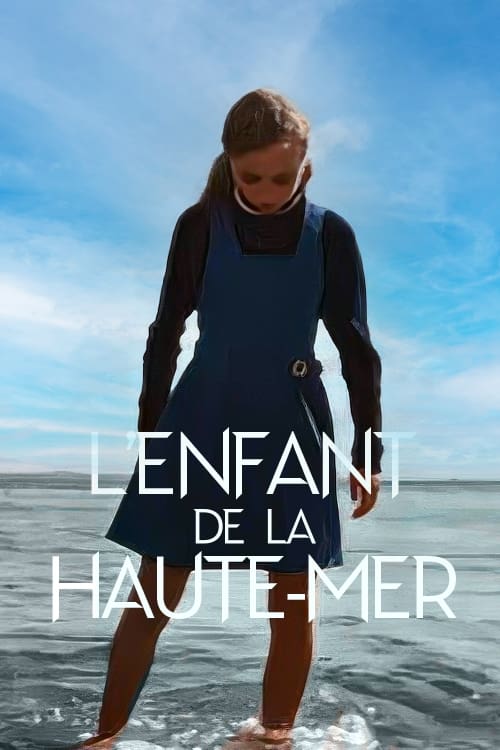
In a Breton village by the sea, a little girl lives alone. She never meets anyone, never ages, and seems trapped in this abandoned village. Does she really exist? Actor François Périer narrates this short poetic fable, adapted from a short story by Jules Supervielle.
While Camille refuses Perdican's advances, she takes offense when he courts Rosette. Then begins a confrontation of pride, where each seeks to establish his ascendancy over the other in the name of love.
Broadcast once a month, Dim Dam Dom was a TV variety show on the second channel of French public television agency ORTF made up of a series of short sequences presented by one–off guest presenters. On the 30th of April 1965, Marguerite Duras interviewed François, a little seven-year old boy. Duras asked him what he thought about the inventions of the future, school, the usefulness of TV, "Belphégor" and talking horses. Francois answered the writer’s cunning questions with humour, candour and poetry.
Examines the work and contributions of the French photographer Henri Cartier-Bresson, considered to be the father of modern film journalism.