Art
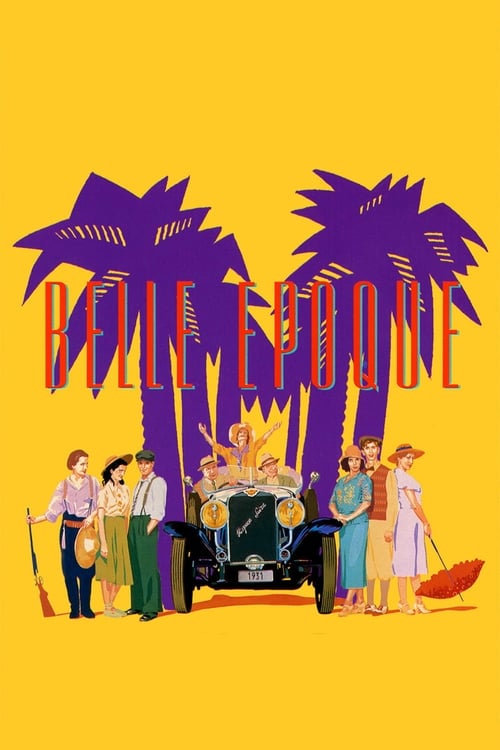
In 1931, a young soldier deserts from the army and falls into a country farm, where he is welcomed by the owner due to his political ideas. Manolo has four daughters, Fernando likes all of them and they like him, so he has to decide which one to love.
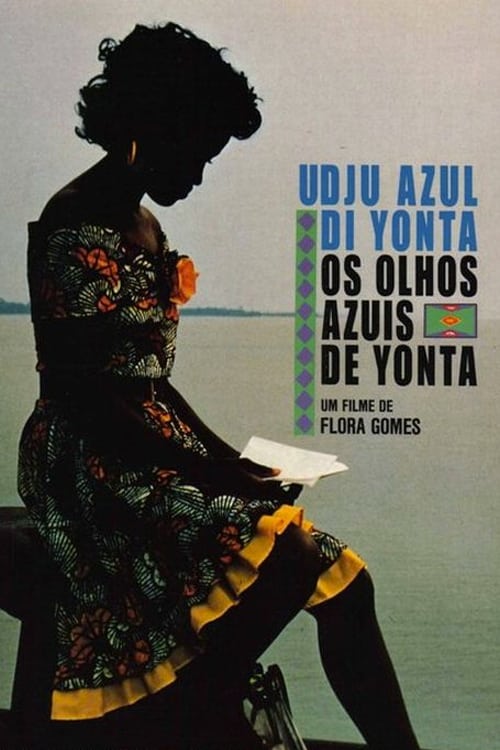
A beautiful, intelligent and flirtatious young girl, Yonta, is secretly in love with a friend of her parents, Vicente, a hero of the war of independence. Vicente is unaware of her passion as she is of the love of a young man who sends her anonymous love letters.
The story of a child who faces the emptiness that surrounds the figure of his parents, disappeared in Africa.
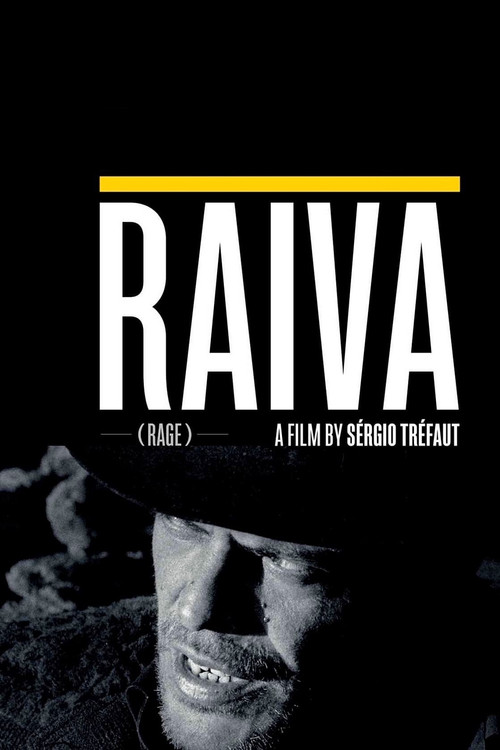
Alentejo, Portugal, 1950. In a desolate region, where the wind seems to speak, where misery and hunger reign over poorest, a desperate man takes his revenge on those who caused his ruin during the darkest night, unable to get honestly the bread needed to feed his family in the daylight.
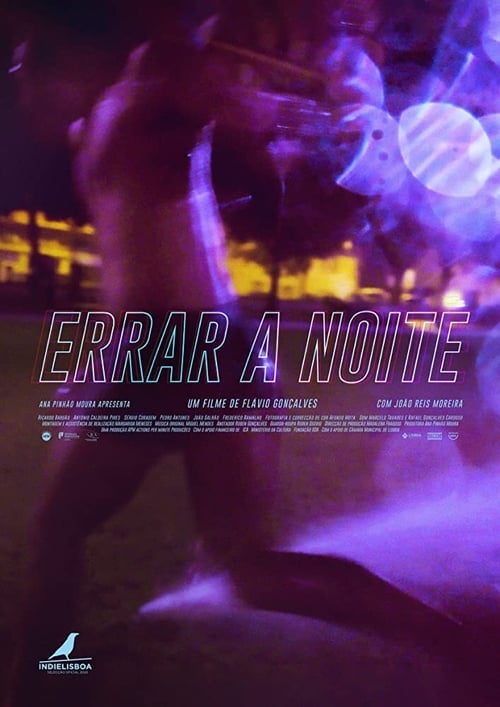
Paulo works in a bar and when his shift is over he wonders through the Lisbon night. Between a romantic and desolate tone, Flávio Gonçalves films in the poetry of the night. A poetry made of encounters, ferocious lights and bodies that love and fear.
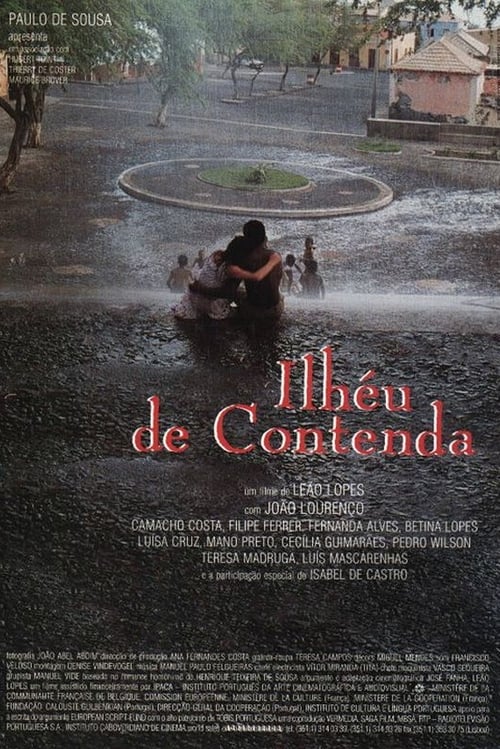
Cape Verde, 1964. At the feet of a mighty volcano, the traditional Cape Verdean society is undergoing a steady change. The old land-owning aristocracy is disintegrating. A class of "mulattos" begins to emerge, with a trade-based financial power that threatens the landlords. A new identity arises, a mix of old and new, of African and Portuguese culture, sensual and dynamic. The songs of Cesária Évora follow this inevitable transformation. From the novel by Henrique Teixeira de Sousa.
A satirical and delirious short which sums up the obsessions of João César Monteiro: film-making and… young women.