Crew
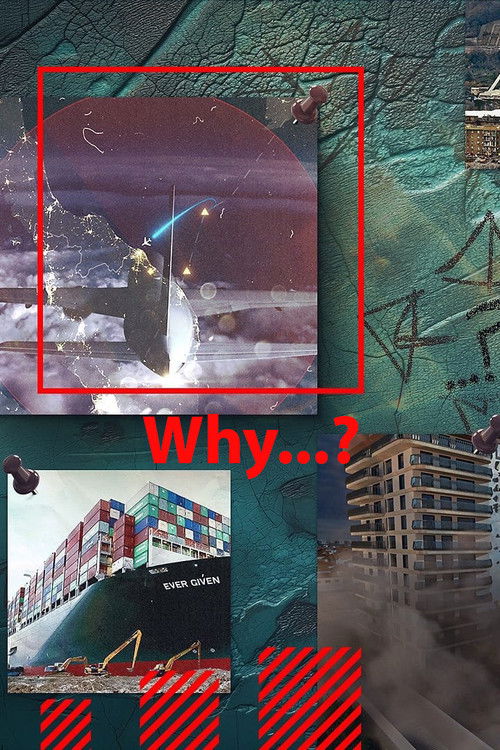
From shark attacks to transport disasters and collapsing buildings - why do these events happen? Delve into the mysteries and science behind the stories that hit the headlines.
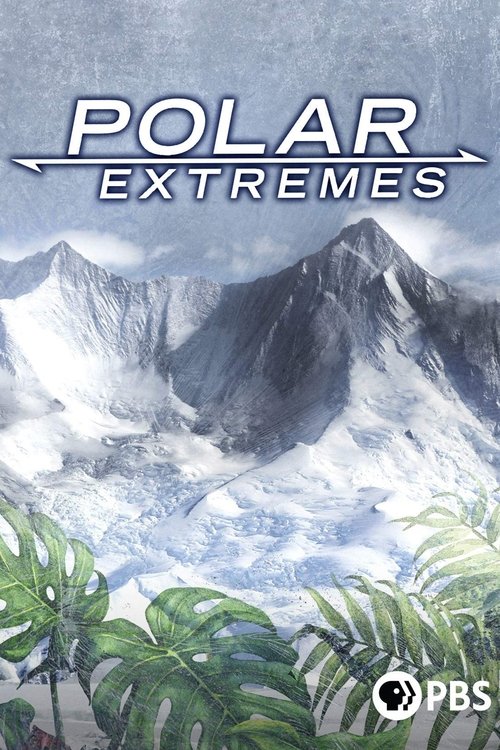
Renowned paleontologist Kirk Johnson takes us on an epic adventure through time at the polar extremes of our planet. Following a trail of strange fossils found in all the wrong places—beech trees in Antarctica, hippo-like mammals in the Arctic—Johnson uncovers the bizarre history of the poles, from miles-high ice sheets to warm polar forests teeming with life. What caused such dramatic changes at the ends of the Earth? And what can the past reveal about our planet’s climate today—and in the future?
Over 7,000 incredible islands, bursting with unique natural wonders. Liz Bonnin shares the sights that ignited her passion for nature and discovers the Caribbean's untamed heart.
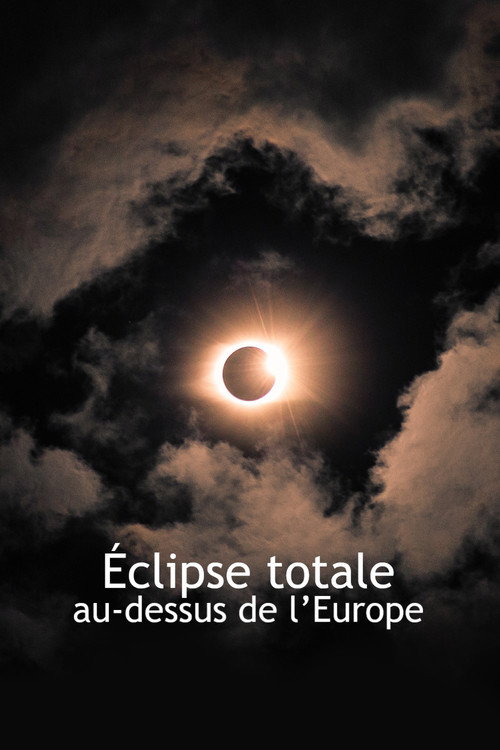
On Wednesday, August 12, 2026, Europe will look to the skies for a once-in-a-lifetime event: a total solar eclipse. For the first time in 27 years, the moon’s shadow will sweep dramatically across Greenland, Iceland, and Spain, captivating an estimated 980 million viewers. Traveling at an astonishing 1,500 mph and stretching 190 miles wide, this cosmic marvel promises to be the most talked-about natural event of the decade. Our one-hour special delivers the ultimate front-row seat to this breathtaking phenomenon, packed with expert insights, cutting-edge visuals, and a countdown to the moment the world stands still.
WW II: In August of 1945, after the US had dropped two nuclear bombs on Japan, the Japanese emperor, Emperor Hirohito, prepared his nation for unconditional surrender. But what he does not know is that there is a military faction plotting to keep fighting the war. How close did the faction get to changing World History?
No description available.
Hitler's dead. The Allies are closing in on Berlin. The Nazis give their terms to end the war but the Allies demand unconditional surrender. How can they reach agreement?
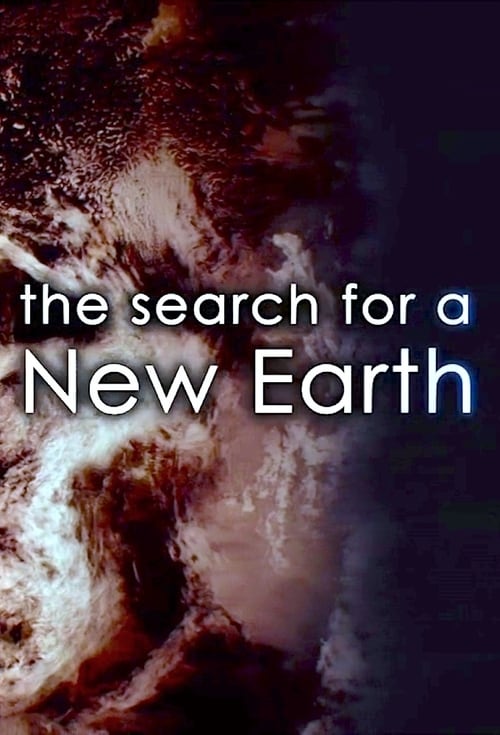
In this landmark film Professor Hawking, alongside engineer and radio astronomy expert Professor Danielle George and a former student, Christophe Galfard, join forces to find out if, and how, humans can reach for the stars and relocate to different planets. Travelling the globe, they meet top scientists, technologists and engineers who are working to answer our biggest questions: is there another planet out there that we could call home? How will we travel across the vast distances of space to get there? How will we survive the journey? And how will we set up a new human civilization on an alien world? Taking in the latest advances in astronomy, biology and rocket technology from the Atacama Desert to the wilds of the Arctic, viewers will discover a whole world of cutting edge research. This programme shows that Professor Hawking’s ambition isn’t as fantastical as it sounds - and that science fiction is closer to science fact than we ever thought.