Acting
This is a story about a Neapolitan guy, Antonello, immigrant in Turin, who, for a living, hooks on the street as Rosatigre. Sasà, a friend of his, tries to bring him back to Naples, but, after a tortured decision, Antonello chooses to come back North and to keep living “on the street”.
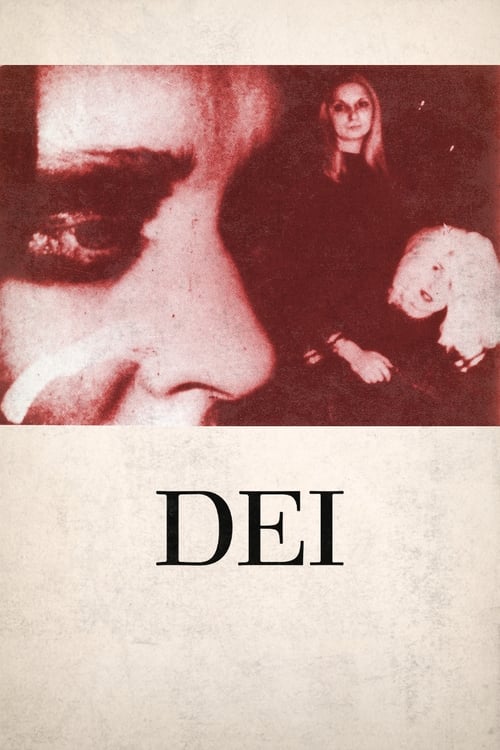
The construction of the film is very simple. Most of the time we see faces in close-up. Three pairs of faces, usually, on three different levels of superimpositions. At first, the faces are very theatrical, made-up. It's not clear whether they are men or women. They move only slightly. They are, indeed, godlike. As the film progresses, very unnoticeably, these faces begin to gain more life and masculine and feminine qualities. At the end of the film, after three hours, the faces are very real, and very human, and sexes and ages are very clearly defined: men, women, children.
No description available.
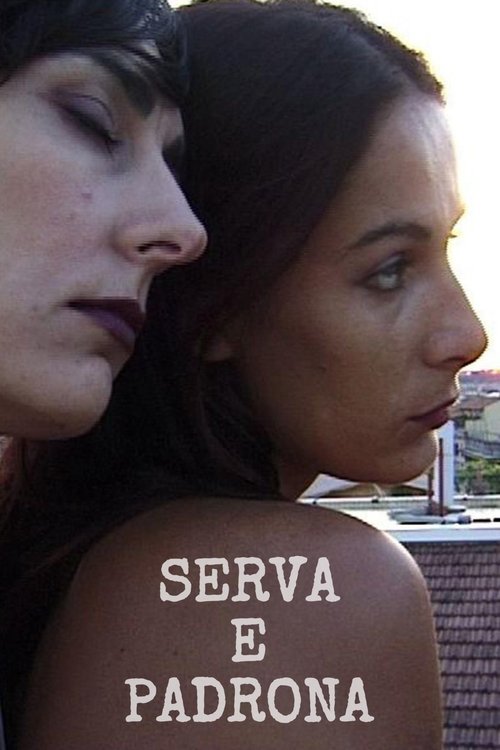
Three young women at home, the eye of the camera doesn't leave them for a moment and shows them first in a narrow kitchen, then in a small bathroom in front of a mirror, then in a bare living room where they spend part of the evening. The three are the mistress of the house and her servants, and the film is based on Les Bonnes by Genet. The servants pretend to unite to varying degrees against their mistress, and she, in turn, pretends to be a mistress who doesn't give explicit orders but who makes herself admired anyway. Each one of them plays the part that is most congenial to her.
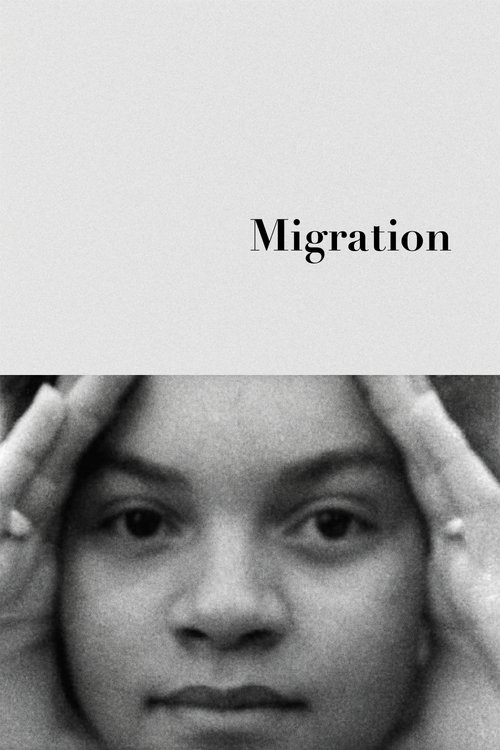
A series of migrants who at times narrate and impersonate shards of myths, among them the Great Goddess, the Virgin of Bach’s Magnificat, the Sulamite of Stockhausen’s Song of Solomon (“I am black but comely”), tales by Herodotus, Kafka, Villon (as set to music by Ezra Pound). Third part of the Flower of Eryngium cycle.
Lune (Moons) is a fragment from Cronache del sentimento e del sogno (Chronicles of the Sentiment and the Dream) and consists of a series of images-in-images of faces and bodies. It is a study of the significance of the face, movement and the character of (photographic) light.
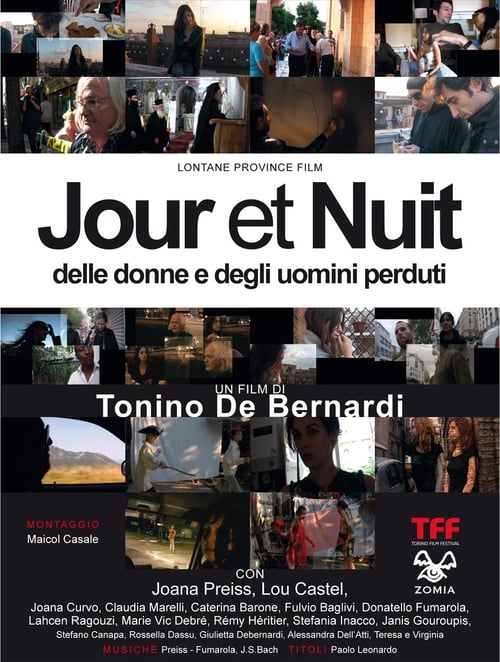
Portraits of women, stories from their past and their present as prostitutes working between Italy and France (and Brazil). Women who used to think they were lost, and men just as lost as them.
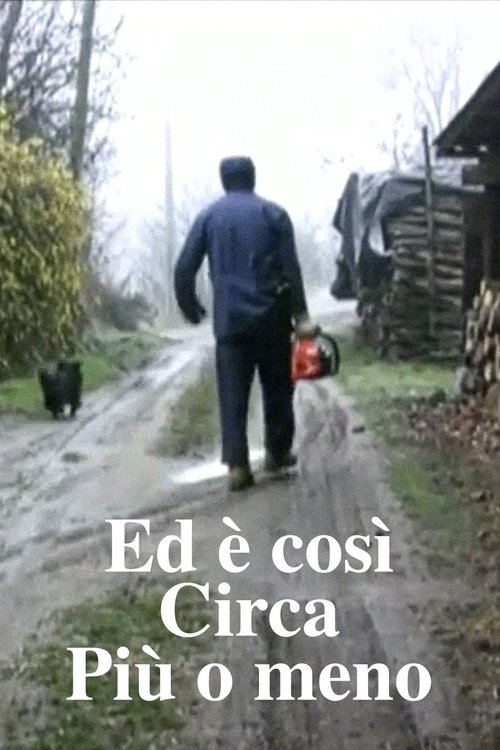
Husband and wife Carlo and Grazia make bread in their wood-burning oven and also distribute it to the sellers. They work all night long, every day of the week, as their families used to do. They live in Gorgiti, a village in Tuscany, on the mountains near Arezzo. On the other hand, in Rome, some young people live near Camellia's Square at Centocelle, in the suburbs. We see them at different moments in their lives. Their existences seem to belong to distant and very different universes. There seems to be an irreconcilable generation conflict. The film makes use of documentary and fiction, but tries to amalgamate them while simultaneously using them as opposites.
Short made for double parallel projections, for which Allen Ginsberg said that it's his favorite underground European film, debut from the director, cheeky hommage to B-movies.
A film in seven chapters. A documentary overwhelmed by life. A story with no plot. A trip. From the countryside to cities, from Italy to India to Greece. Through the ages and generations, through the work of farmers and the exploitation of migrant bodies. In the end, the singing and music lead you elsewhere, to the pleasure of discovery.
Italian director Tonino De Bernardi, a regular guest at IFFR, filmed on the Greek island Evia (or Euboea) during the refugee crisis. Many immigrants arrived on the Greek islands, as well as in Italy. De Bernardi also filmed the border town Ventimiglia, where refugees play football and queue up for aid in a parking lot.
A film about various forms of migration: those of place, time, body and identity.
A whole summer long, Portuguese filmmaker Teresa Villaverde stayed with Italian cult director Tonino De Bernardi, who was working on projects including a film version of Sophocles’ Electra starring only local villagers. She sits at the table with the family in their garden, on the back seat of the car on the way home in the evening or listens to the stories told by the woman De Bernardi buys cheese and eggs from.