Jean Donohue
Directing
Known For
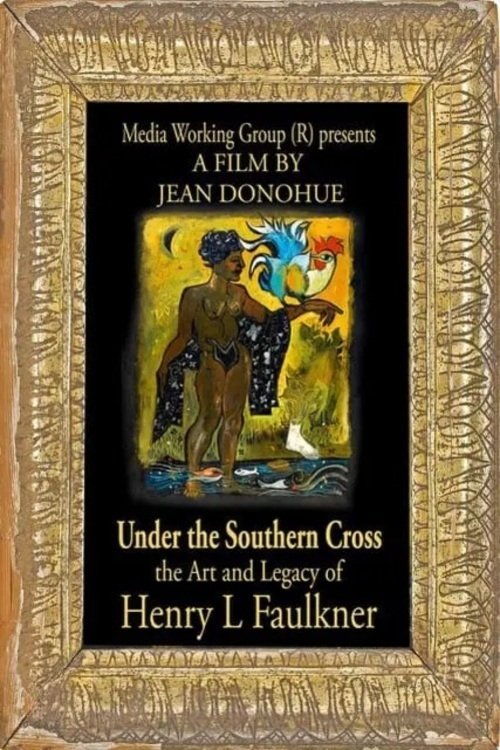
An unflinching portrayal of Appalachian queer painter and poet Henry L. Faulkner from Egypt, Kentucky (1924–1981). The most documented queer man in the history of Kentucky and possibly the country, Faulkner documented his life and lovers as an adolescent in the 1930s til the day he died. This film tells a raucous, unapologetic, and unfiltered story told with Faulkner’s photographs, paintings, poetry, rare film and audio recordings, and interviews with people who knew him. This film describes a boy and a man unwilling to hide who he is and willing to face the consequences for his authenticity. Faulkner was unashamedly gay at a time when many LGBTQ people lived closeted lives. Self-proclaimed a ‘radical homosexual,’ Henry’s art was a fusion of life experience, an acute sense of color, and his sexuality. His homes became refuges for many young people in Lexington, Kentucky, and Key West Florida, both gay and straight, in search of a freer way of life.
Under the Southern Cross: The Art and Legacy of Henry L. Faulkner
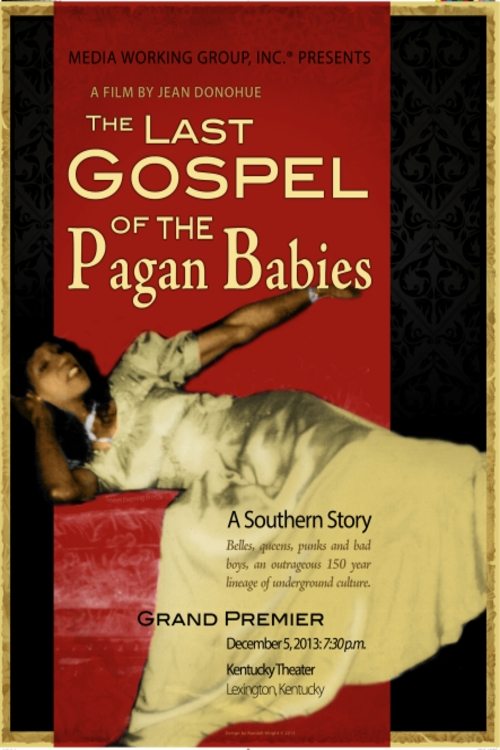
Filmmaker Jean Donohue unravels the story of an underground gay, gender bending community rooted in the Civil War and on a continuum through the closeted Old South homosexual society, gay liberation of the 1960s, the ecstatic 70s, to the grip of fear at the rise of the religious right and HIV AIDS epidemic of the 1980s. In 1970, the Old World Southern gay culture was changing, enter The Pagan Babies, a loose group of artists and drag queens who set out to challenge the hierarchical homosexual society with guerrilla theater interventions and fantastic costumes. Before Robert Mapplethorpe's infamous photos, there was R. Michael Walker and John Ashley who documented the Pagan Babies. The film also features a Kuchar film and this is what happened.