Directing
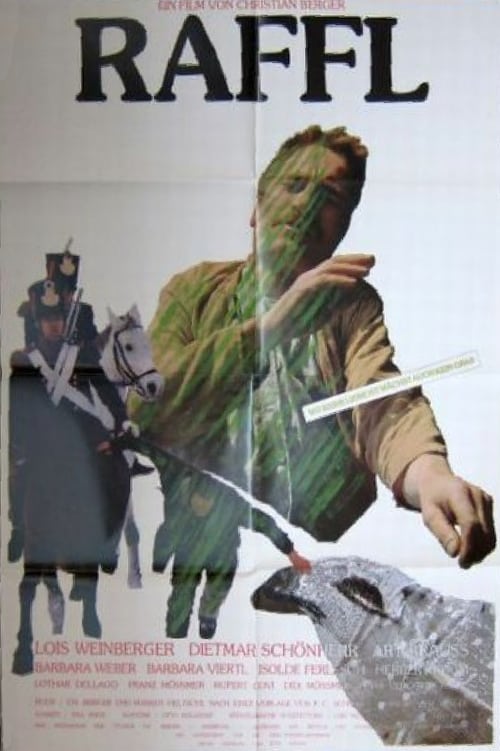
On February 20th, 1810, French and Bavarian forces killed the Tyrolean rebel leader Andreas Hofer in Mantua, at that time a part of Austria. Hofer had led the Tyroleans in their fight for independence from Bavaria and was betrayed by an insignificant farmer, the betrayal and its effect on the farmer is the subject of this historically-based drama. Director Christian Berger has shot the story emphasizing visual poetics, as well as close-ups to reveal the nuances of subtle emotions as they play across the human face. Whatever the farmer Raffl's motivation -- he is clearly an underdog, overworked, with his labor unrecognized -- he receives no expected reward for his betrayal of Hofer's hiding place, and he has to quickly leave for the city to escape his fellow villagers' wrath. Once in the city and working hard in a factory, Raffl must come to grips with the fact that his identity has changed, and he may have betrayed himself as well as Hofer.
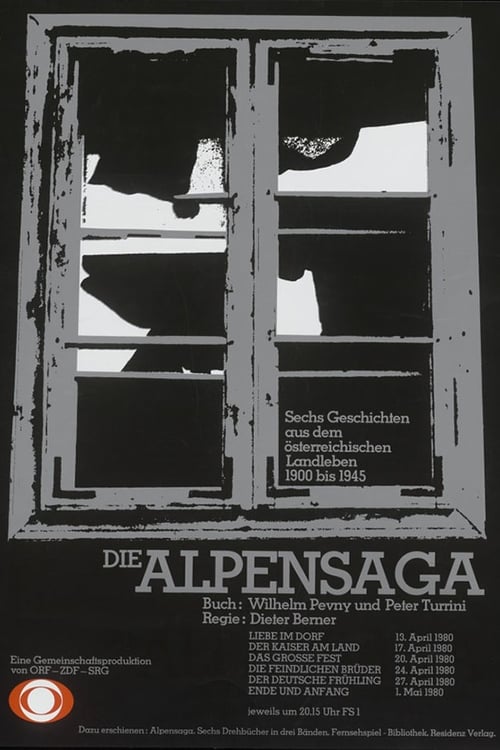
A six-part film series addressing the problems of rural Austria from 1900 to 1945. Contrary to the traditional "Heimatfilm", the Alpensaga detaches itself from typical clichés and tries to depict a critical view of societal structures of the time. World history is shown from the view of a peasant family living in a small village in Upper Austria.
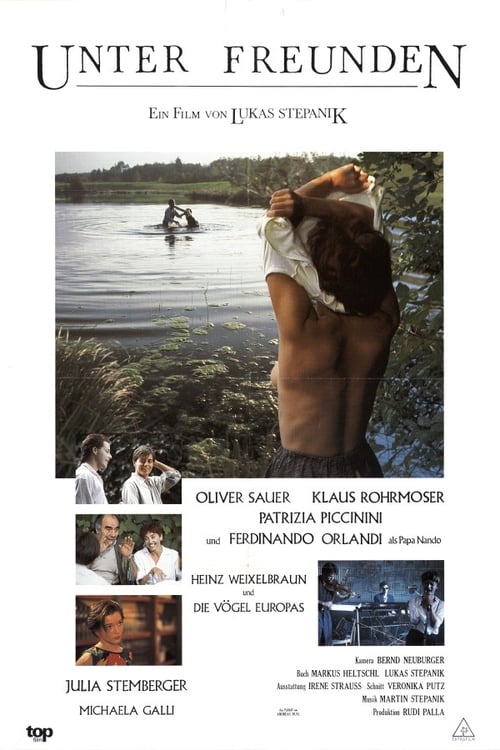
Two friends, Robert and Edgar, both fall in love with Sasa. Sasa and Robert have an affair, but when they break up, he suspects that she is cheating on him with his boyfriend. Their love for Sasa becomes a test for their friendship and in the end the reconciliation comes too late.
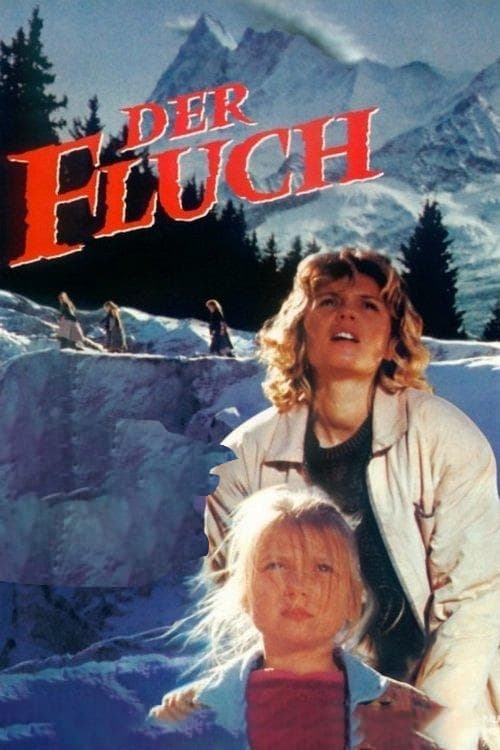
When a young family, father, mother and their daughter, is on a trip in the mountains, they lose orientation and have to stay there for the night. The daughter finds a dead young girl who does exactly look like herself. When they check for mountain rescue service they suddenly find themselves deeply involved in an local myth about a prophecy which seems to be fulfilling now. The mountains are bearing an old curse.
Hanna and Leo are expecting a child. They live near Innsbruck where the mountains touch the sky and where absolute bliss seems to reign. But things turn out quite differently.
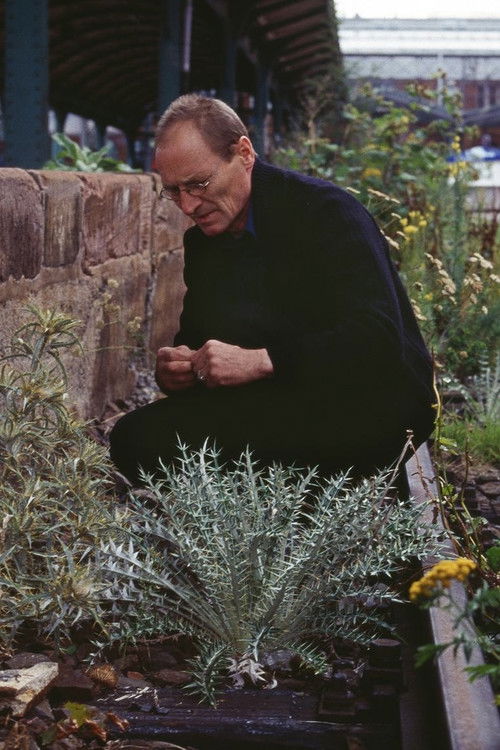
Lois Weinberger (1947 -2021) was one of the most important Austrian artists in recent years. He placed ruderal spaces at the center of his work. As early as the late 1980s, he began incorporating plants into his artistic practice, making him one of the pioneers of a movement that offered a new, non-romanticized perspective on the relationship between humans and nature. The film captures moments of inspiration and grace, portraying the artist’s work and legacy. Through intriguing collaborations, the film explains Weinberger’s works and specific projects while simultaneously capturing his essence.
No description available.
A policeman lunching with his daughter is present when a dead body washes up on shore. He investigates, leading him down a twisted and muddled path of nefarious connections reflecting, somewhat, his own life.
The movie is about the encounter of a man and a woman who meet for the first time in a foreign city. Together they embark on a journey which leads them to the edges, the peripheries of society, to places bloked from our vision, to marginal zones, wasteland, ghettos, urban slums, or the remnants of a dying rural culture.