Acting
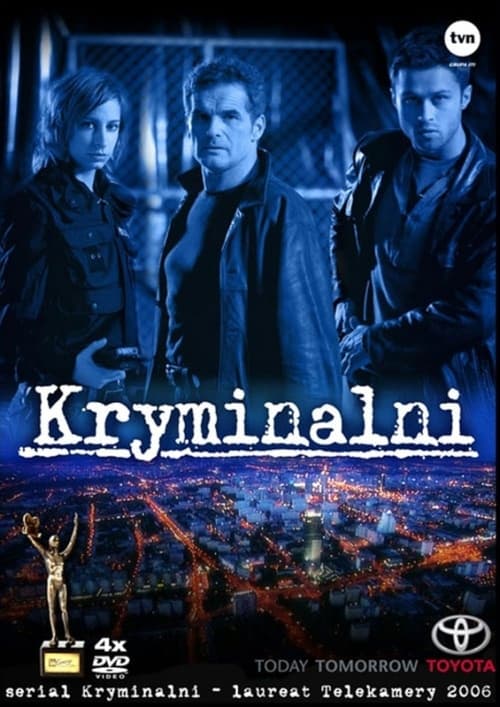
Kryminalni was a Polish crime drama television series that aired on TVN network from September 18, 2004 until May 24, 2008. It ran for 8 seasons and 101 episodes were broadcast in total. It was created by Polish director and screenwriter Piotr Wereśniak and produced by MTL Maxfilm studio. The series followed life and work of police officers from the elite Criminal Terror and Murders Division of the Warsaw Metropolitan Police; the title refers to police officers in the crime section. The three main characters were Adam Zawada, an experienced, tough cup, his younger colleague Marek Brodecki and Barbara Storosz, an ambitious female officer who in the first season joins the team just after graduating. Although none of the main actors had had star status before the series debuted, all three of them rose to prominence and popularity during the 5-year-long run. Many of Poland's best known actors guest starred, usually playing roles of people involved in just one particular investigation. The serial was one of the most popular in Poland: each week it had an audience of 4 million.
On September 1st, 1939, Nazi Germany invades Poland, unleashing World War II. On September 17th, the Soviet Red Army crosses the border. The Polish army, unable to fight on two fronts, is defeated. Thousands of Polish men, both military and government officials, are captured by the invaders. Their fate will only be known several years later.
The series evokes the events of 1900-35 - from the reign of Emperor Wilhelm II, through World War I, the birth of the Independent Poland, the Silesian Uprisings, to the increasingly turbulent period of the rising tide of fascism. The action takes place mainly in the palace of the Dukes of Pszczyna, where the last great descendant of the von Teuss family resides. Prince Hans Fredrich marries the beautiful Englishwoman, Princess Daisy, and has three sons with her. Their fate, the choice of completely different life paths and even different nationalities reflect the enormously complicated mutual relations between the Polish and German elements in the border areas.
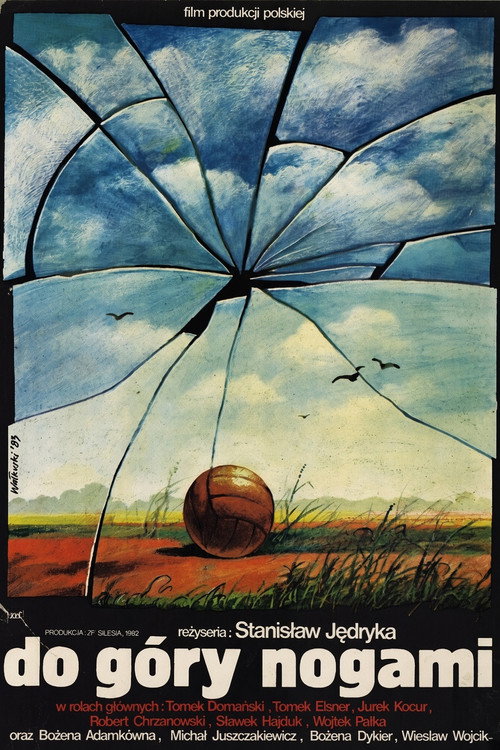
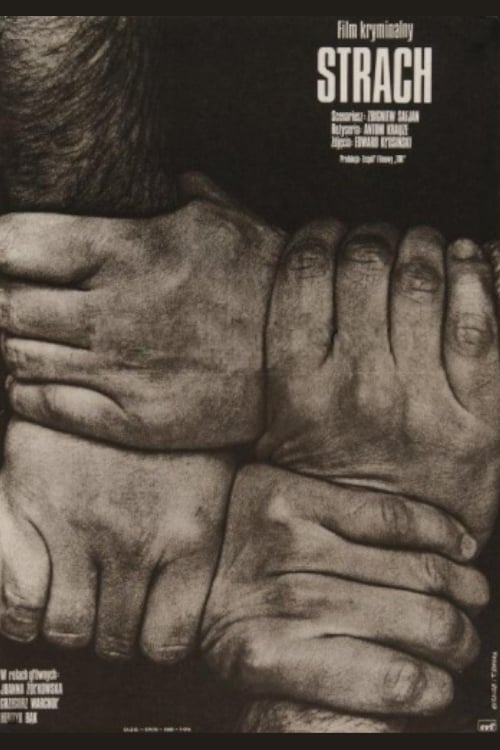
A new PE teacher arrives at a neglected provincial high school and turns it around with a handball team—until his obsessive control, blackmail, and abuse drive a student to attempt suicide.
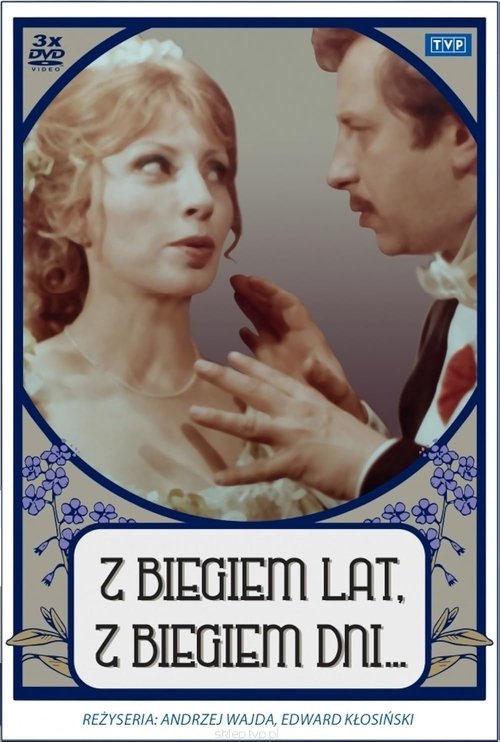
Created to mark the 60th anniversary of Poland's regained independence, Andrzej Wajda's acclaimed seven-hour stage production As the Years Go By, As the Days go By... follows two Kraków families between 1874 and 1914.
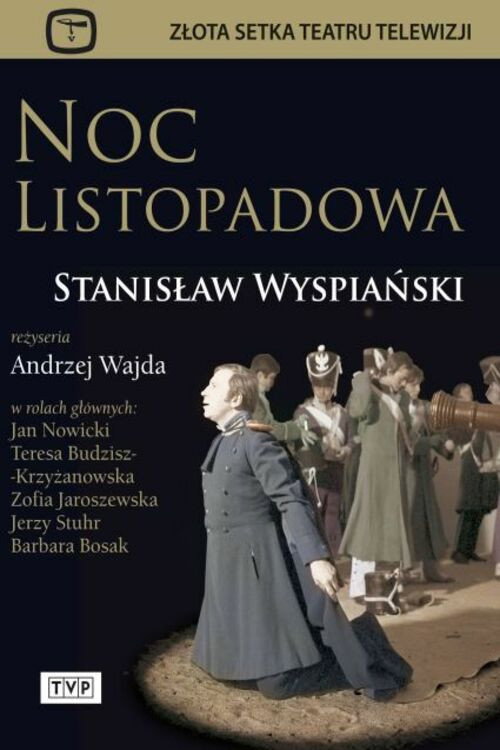
Television play adaptation of Wajda's stage play of Stanisław Wyspiański's November Night. The drama takes place on two levels - historical and metaphorical. The first one is almost a chronicle of several hours of the uprising - it shows the drama of the attitudes of Poles at the beginning of the armed struggle, in confrontation with the attitude of Grand Duke Constantine, the Tsar's deputy in Poland. The second one presents the world of gods playing out their arguments. Man becomes a plaything in their hands, but it is he who experiences his fear, heroism and hope.
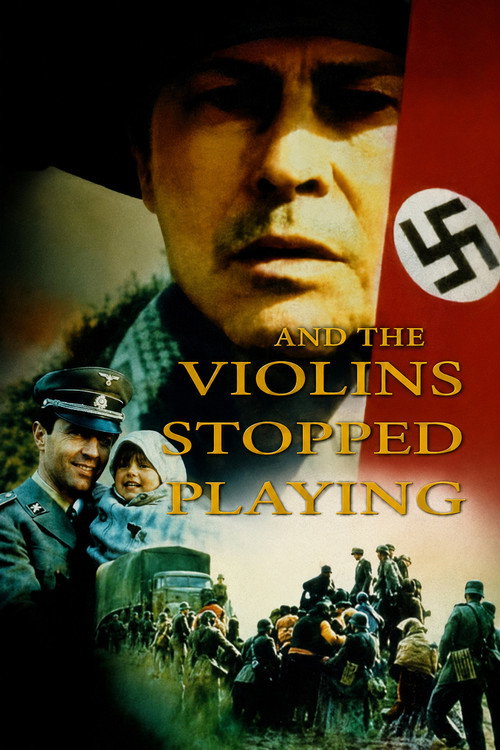
With the Nazi occupation of Poland, several children in a village there become very unhappy and then get in deep trouble for a drawing of the Nazi Führer hanged from a tree.
No description available.
A young Polish filmmaker sets out to find out what happened to Mateusz Birkut, a bricklayer who became a propaganda hero in the 1950s but later fell out of favor and disappeared.
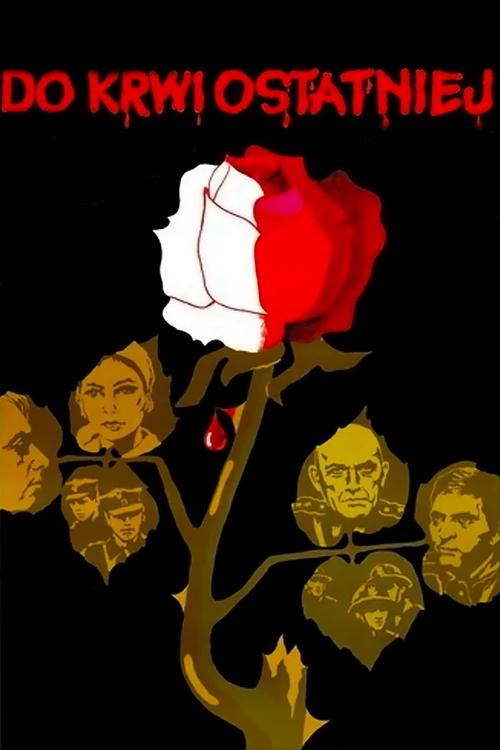
Katowice, the night of December 12-13, 1981. Military units occupy strategic points in the city. A group of Zomovniks, smashing union security, drags the chairman of the Company Commission of the NSZZ Solidarity in the Wujek mine out of his apartment. The news quickly spreads to the miners. Initially surprised, they soon react with spontaneous protest. On December 14, a strike breaks out at the plant. The miners demand the lifting of martial law and the release of the chairman. When negotiations fail, the army, ZOMO and militia storm the mine.
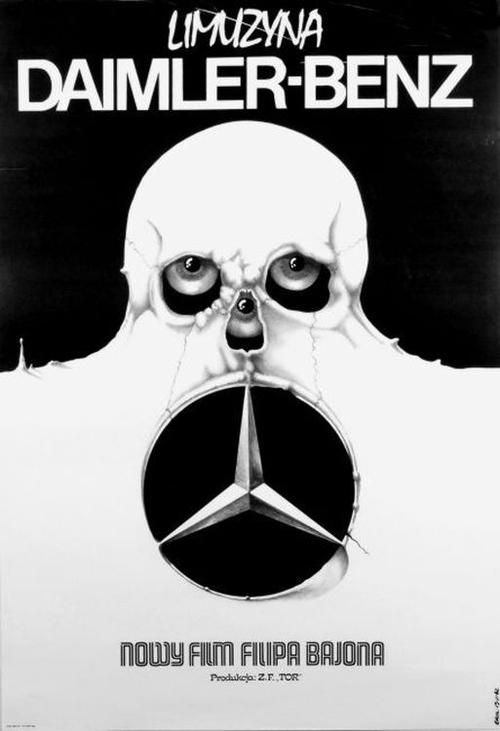
Two brothers living in 1939 Poland decide on a whim to steal the limousine of a German consul. The seemingly small act of youthful rebellion will have massive ramifications on the two, each dealing with the aftermath in their own way - one resorts to art, the other to direct political action.
This is the true story about a group of Romani's (gypsy) in occupied Poland during World War II as they confront the atrocities and tragedies of a forgotten holocaust.
A morality tale that starts from answering a mysterious passenger's mobile phone left on a train, and intertwines the lives of student Bartek, who leads an immoral life, and several strangers.
More documentary in its approach than dramatized history, this is a compelling story about a 1901 children's strike in Wrzesnia near the Polish border with Prussia. Poland was partitioned at this time, and a rigidly patriotic Prussian teacher in Wrzesnia follows the dictates of the Germans in parliament and insists that the children be taught their religion classes in German. When the children refuse to take part in the classes, they are supported by the local priest, but that does not save them from being beaten. They are also kept after school and tormented in other ways as well. Newspapers, parents, and the nation as a whole get involved, transforming a simple children's strike into a national incident.
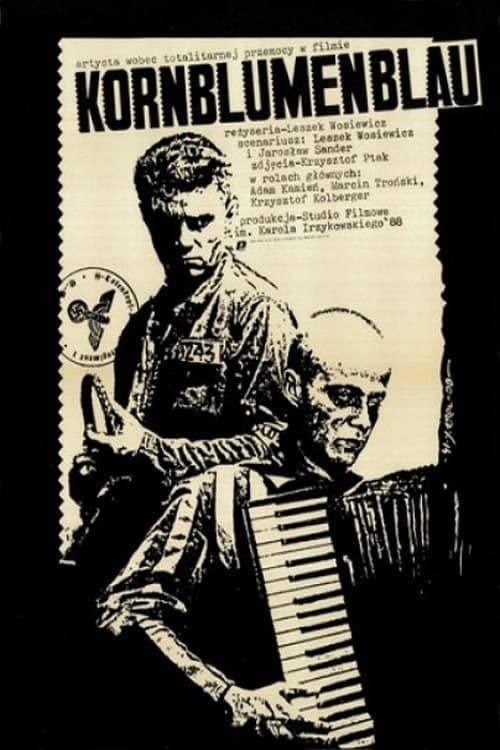
Based on a true story of a Polish musician who survived the concentration camp only because he could play on the accordion the title melody.
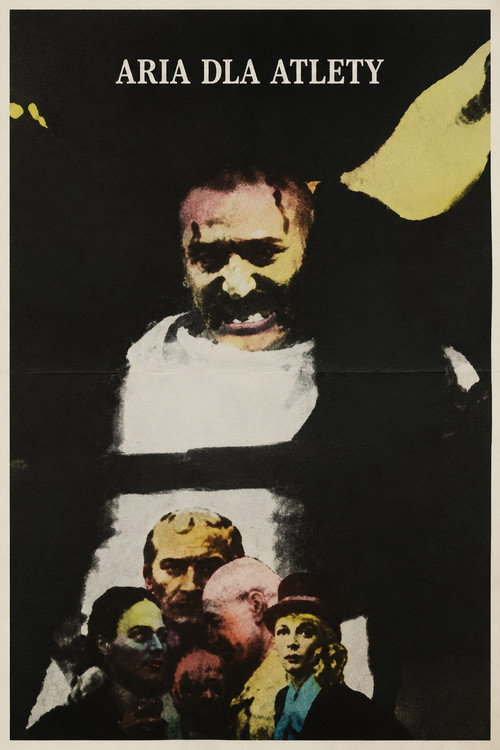
Set at the turn of the century it presents a story of a famous Polish athlete, Zbyszko Cyganiewicz. It begins in a small town where a traveling circus attracts a shy boy into a phony wrestling game to please the crowds. The youth, however, takes his strength seriously, eventually defeating a name wrestler in a fair match. Angered circus manager fires him; he leaves happily due to two wrestler brothers who were harassing him. The wrestler goes on to fame, performing in the world's top arenas, and one day is serenaded by a tenor from the crowd. Fame brings him women and admirers but he is uncompromising on his profession. He has his revenge on one of his tormentors defeating him in the ring. One day, attending a game in a tuxedo, he is challenged by another of the brothers and drawn into a brutal game, in course of which he kills his opponent. Thus his career ends.
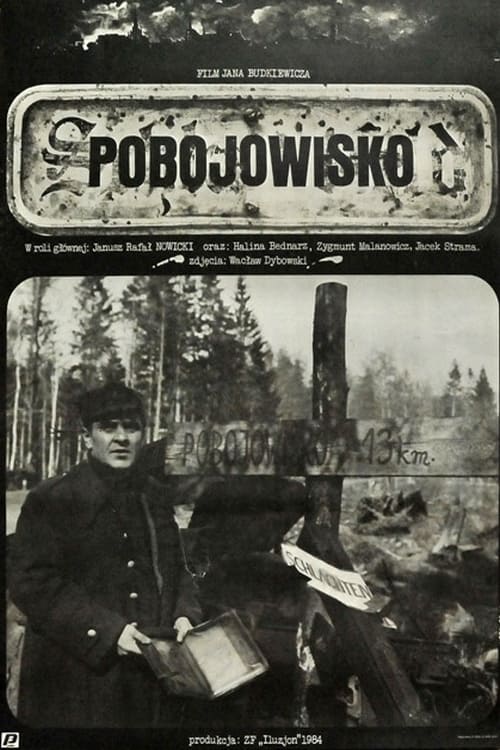
Soon after the end of the war, a former officer moves to a small seaside town in the Recovered Lands. The situation in this post-German territory is still unsettled.
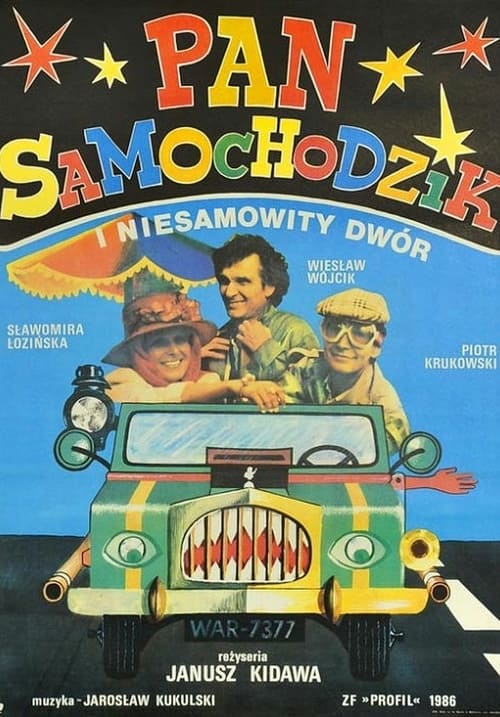
The adventures of a motorized museum worker in a mansion full of free-spirited...
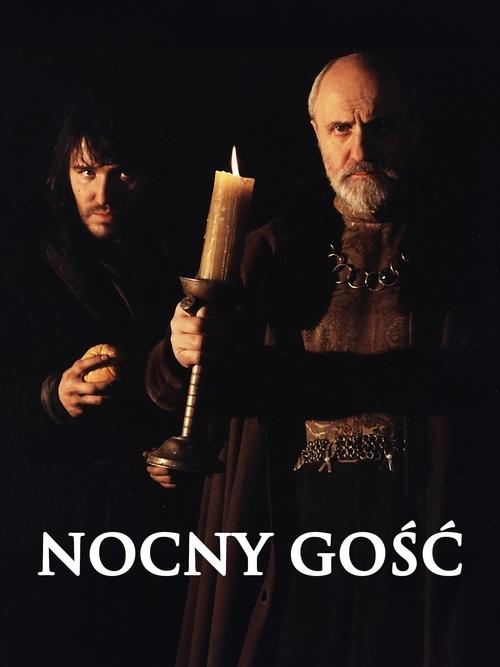
In 1456, Francis Villon and his companions attack a merchant in the forest. On the cart they find a girl dead of the plague. They give up the robbery. Villon spends the evening in an inn. He drinks, dances - the fun is interrupted by the arrival of a leper. Only Villon is not afraid to touch him, he treats him as a neighbor. In bed, his lover Gretel complains to the poet that no one wants to marry her....