Laurence Favre
Directing
Known For

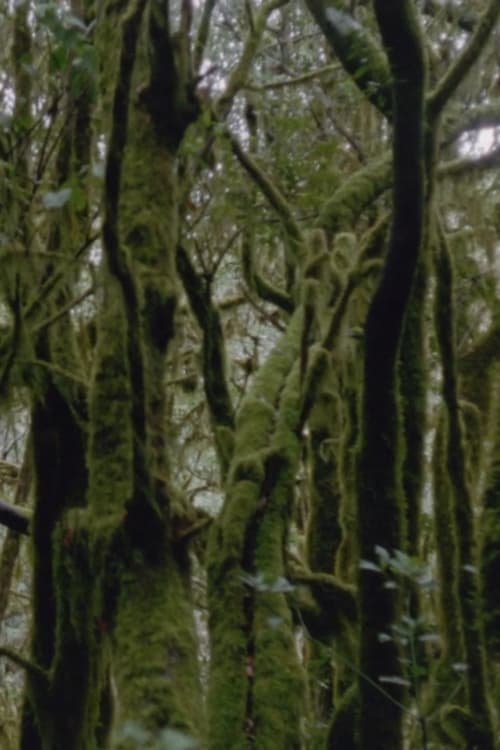
A sensory exploration of the forest and the tensions that inhabit it, Osmosis interweaves images of pure chlorophyll and the dense blackness of burnt forests. The dynamics of these cycles of life and death imprinted pictorially on 16mm film are amplified by a soundscape articulating sensations of anxiety and appeasement, connecting human and non human in an organic mesh.
Osmosis

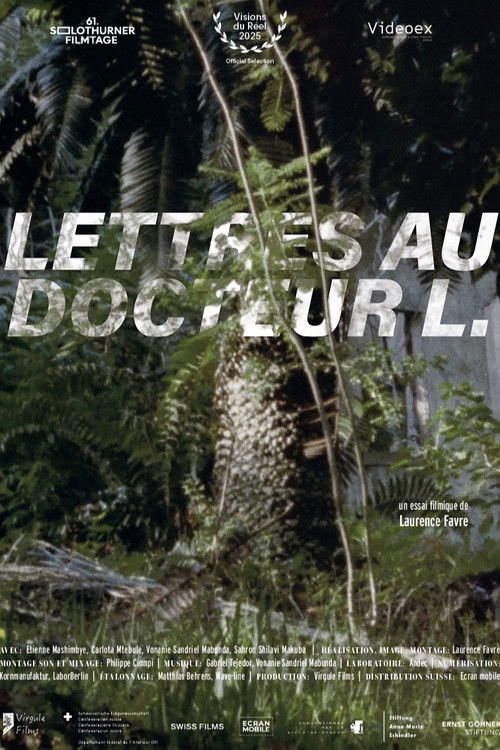
Amid landscapes of confused memories, Doctor L, a missionary in southern Africa, recounts his journeys and adventures in the bush, intensive evangelisation efforts and surgical operations at the end of the 19th century. 150 years later, four inhabitants of the region send him a letter in the form of sound capsules, evoking a past whose traces can still be keenly felt.
Letters to Doctor L
A film by Laurence Favre.
Lettres au Docteur L

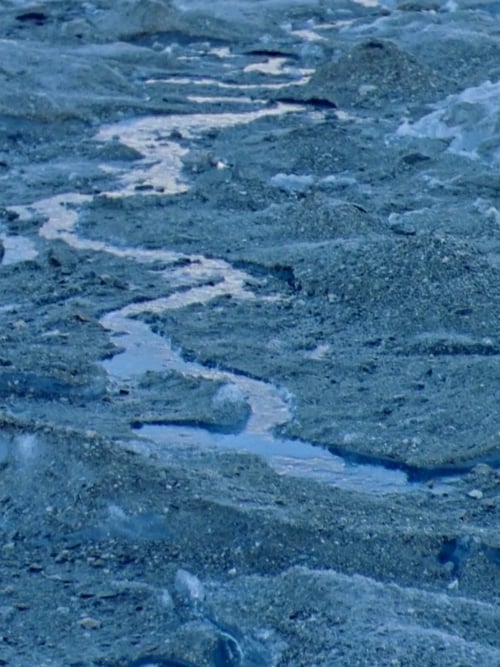
Seeming as though they’ve been there for ever, marked by the two moraines along the snowslide, the glacier is enormous. Looking majestic, timeless in a monochrome landscape, it is imposing, but turns out to be vulnerable too. The objects it spits out: empty tins, the skeletal remains of an airplane, are the manifestation of man’s fleeting passage, and bear witness to its continued and irreversible thawing. Yet it still resists.
Résistance
No description available.
Butterfly Stories: Malaise II
In the streets of Geneva, a stationary bus is open three nights a week for any person practising prostiution, regularly or occasionally. Street sexworkers come in to get free condoms, seringues and other risk reduction material, but mostly they come to talk and exchange. Welcomed by social workers, nurses and/or cultural mediators whos motto is the non-judgnmental attitude, they come to and stay for a few minutes in a warm environement before going back to work in the streets. This film is the outcome of an audio-visual work, conducted within a global research on prostitution at the Departement of Sociology of Geneva University.
Health Bus at the Red Light District
Archival footage of a friend’s week-end on the beach encounter the sound of distant memories : the rock band, the pre-sixties flowerpower movement, a feeling of carefreeness and freedom… it was the 1950s in the United states of America. The now aged protagonists share their memories and thoughts about a remote youth, that some still can feel. In Loving Memory of the Future is an essay on memory and the (un-)truth of images.
In Loving Memory of the Future

An immersion in the desert with a Bolex and some questions… How do we perceive “nature”? Is it a “thing” to which we, humans, are external? Or are we all part of a mesh without center or periphery? Can film help us to perceive nature not as a thing, but as a living entity endowed with sensitivity and agency?
Zerzura

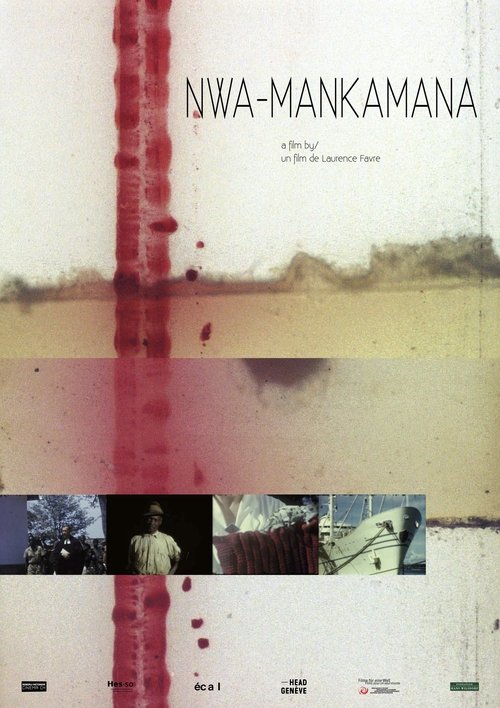
In 1947, Marie Tinguely leaves her homeland to go work in a hospital for the Swiss mission in the South African bush. After her death, the films shot over 25 years as a missionary, as well as some of the letters she wrote are found in a family apartment. I decide to explore them.
Nwa-Mankamana

HIC&NUNC is a film projected in 16mm on a wax screen. The images and sounds offer an immersive experience in an artist's studio, creating a subjective portrait that explores gestures, materials, and the concept of reproduction.