Acting
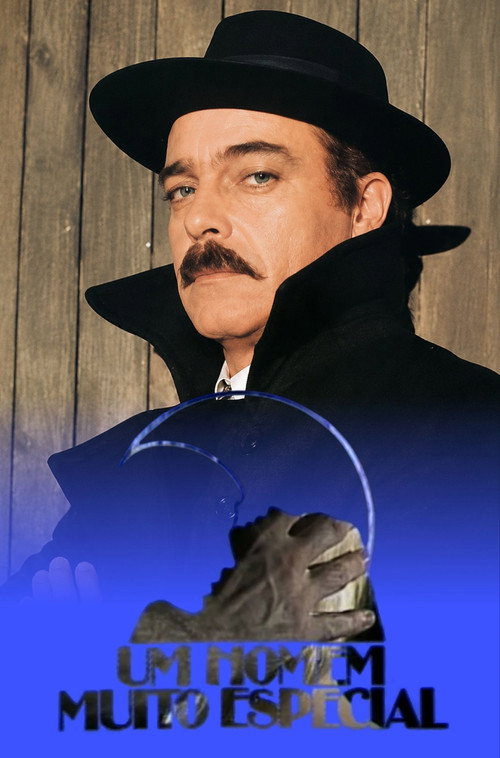
Aníbal is a millionaire, knowing that he is going to die, invites a group of relatives and friends to stay at his luxury hotel. They are all linked to a mystery of their past. Some will be rewarded with inclusion in the will; others will be punished. To know who was his real friend and who harmed him, Aníbal starts to manipulate everyone, as if they were puppets.
No description available.
Four teenagers, each facing a major conflict. Majô, the daughter of separated parents, has fallen in love with her mother Raquel’s husband, the teacher Túlio. Caíto, who is gay, lives in a dysfunctional home where his parents' marriage—Dirceu and Marilu’s—is going from bad to worse. Doca is a drug addict, and his sister Bia has become pregnant by her boyfriend, Michel. Their parents, Odilon and Paula, are deeply unhappy as well. Interwoven with their stories is that of Túlio—a former addict turned upstanding teacher—who encounters a haunting figure from his past: his ex-sister-in-law, Fernanda.
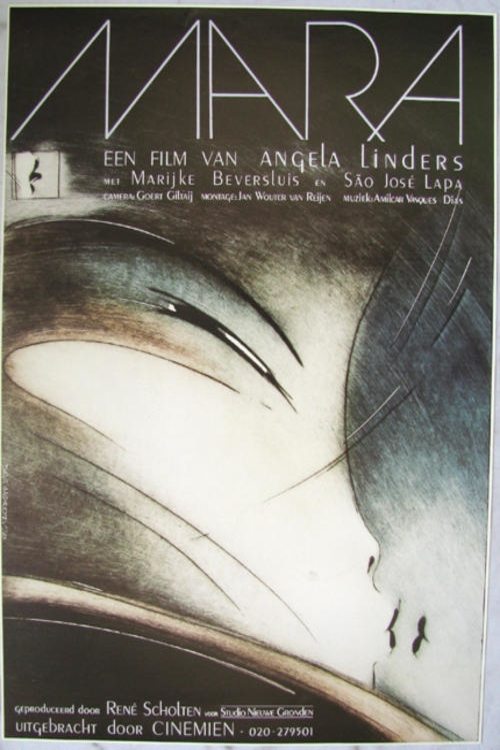
A Dutch woman visits a girlfriend in Portugal, but first spends a few days in a deserted villa by the sea. In flashbacks it becomes clear that her life is dominated by fear. She slowly starts to bring more order to her existence.
After a lifetime apart, two childhood friends reunite, now widowed and elderly, in the village where they grew up. As they try to resolve past disagreements, they deal with their families' decision to place them in a nursing home. Knowing that they are nearing the end of their lives, the two friends strive to fulfill their old promise to stay together forever.
A woman seeks the blessing of her wealthy father when she becomes engaged.
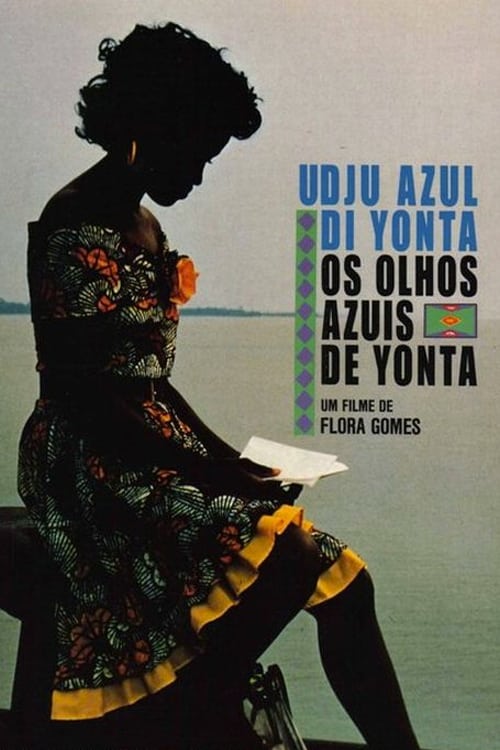
A beautiful, intelligent and flirtatious young girl, Yonta, is secretly in love with a friend of her parents, Vicente, a hero of the war of independence. Vicente is unaware of her passion as she is of the love of a young man who sends her anonymous love letters.
In 1752, a ship arrives in Brazil, bringing doctor and writer Gaspar de Fróes. He keeps a diary about the dangerous trip, the diseases and hunger aboard, his impressions of the new country, and the political struggle between the crowns of Castela and Portugal. In Brazil, he is going to fall in love with the wife of a Portuguese officer.
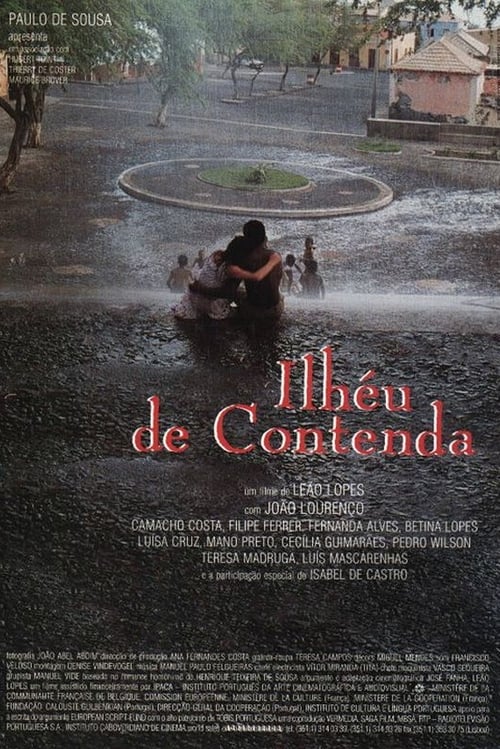
Cape Verde, 1964. At the feet of a mighty volcano, the traditional Cape Verdean society is undergoing a steady change. The old land-owning aristocracy is disintegrating. A class of "mulattos" begins to emerge, with a trade-based financial power that threatens the landlords. A new identity arises, a mix of old and new, of African and Portuguese culture, sensual and dynamic. The songs of Cesária Évora follow this inevitable transformation. From the novel by Henrique Teixeira de Sousa.
Zézé Gamboa's sardonic historical drama follows a good-hearted, apolitical con man who, on the eve of Angolan independence in the mid-1970s, pulls off a massive swindle at the expense of the Portuguese colonial administration — and soon after finds himself hailed as a hero of the national liberation struggle.
Rui Sequeira, a former fighter in the Colonial War, resident of a small village of Alentejo, celebrates another anniversary of the Carnation Revolution in the company of his wife and her daughter, the young Sara, with which he has a not so good relationship. On the night of the celebrations, the death of a friend forever alters his live, waking up a whole past long dormant.