Jules Bucher
Directing
Biography
Jules V. D. Bucher is the jack-of-all-trades of American documentary and one of its busiest men. By 1940, he had been a producer for the Harmon Foundation, photographer for the child psychology series at Yale University and for the American sequence of Rotha's New Worlds For Old, editor of Men and Dust and besides countless other activities had photographed the world tours of Julien Bryan. He worked closely with Bryan on the latter's Inter-American series, in particular making a fine directorial job of the document of the Aymara Indians, High Plain (1943). In 1945, for the O.W.I. Overseas news-reel, he directed and photographed the brilliant five-minute film The Window Cleaner. One of the few examples of humour in American documentary, it was a dry study of a day in the life of a mild, elderly workman calmly attending to his job as he hangs like a fly from the facade of the Empire State Building. In marked contrast with the sententious official tone of too many Government documentaries, The Window Cleaner joyously seized upon a detail of the American scene which told its own story without editorialising.
Known For

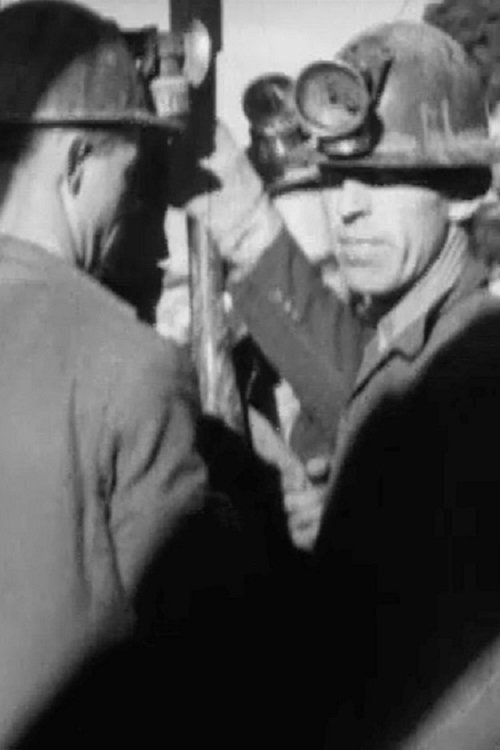
This labor advocacy film is about diseases plaguing miners in Kansas, Missouri and Oklahoma. Sponsored by the Tri-State Survey Committee, "Men and Dust" is a stylistically innovative documentary and a valuable ecological record of landscapes radically transformed by extractive industry.
Men and Dust

A collection of twenty short films, averaging 2-3 minutes, by various filmmakers depicting American life, intended to be shown in a continuous loop at the American Pavilion of the 1958 Brussels World’s Fair. Some releases of the film include ten extra minutes of rough cuts.
Brussels Loops

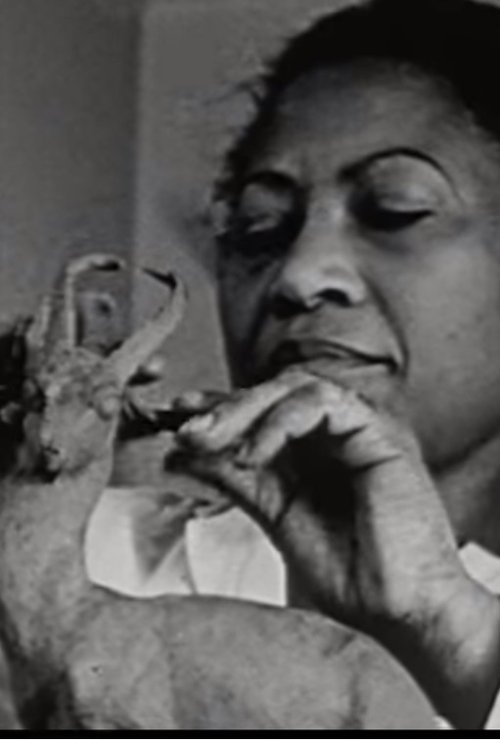
This film shows several important visual artists of the Harlem Renaissance at work.
A Study of Negro Artists

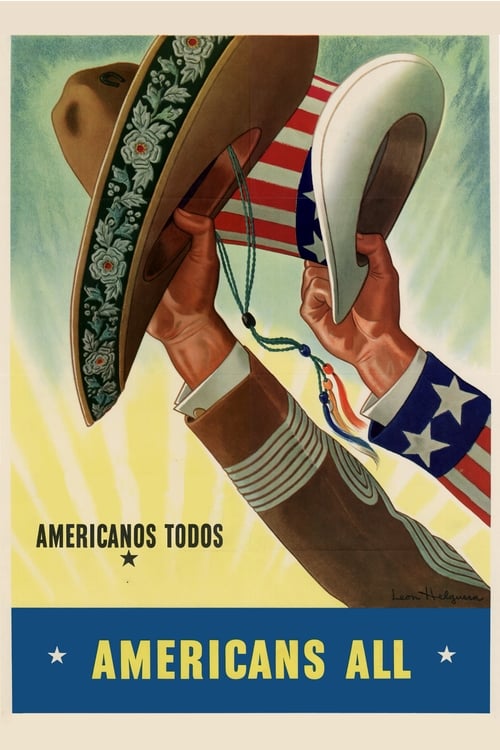
A film sponsored by the U.S. Office of the Coordinator of Inter-American Affairs to promote friendly relations with American countries just before World War II. Stresses the importance of the Good Neighbor Policy and Western Hemisphere cooperation in the face of Europe's disintegration. The first half is an historical summary of the American continent. Postulating that youth will build a new world, the last half considers youth at work, youth at school, health conditions, defense, and ends with a plea for American solidarity.
Americans All

A film sponsored by the U.S. Office of the Coordinator of Inter-American Affairs to promote friendly relations with South American countries just before World War II.
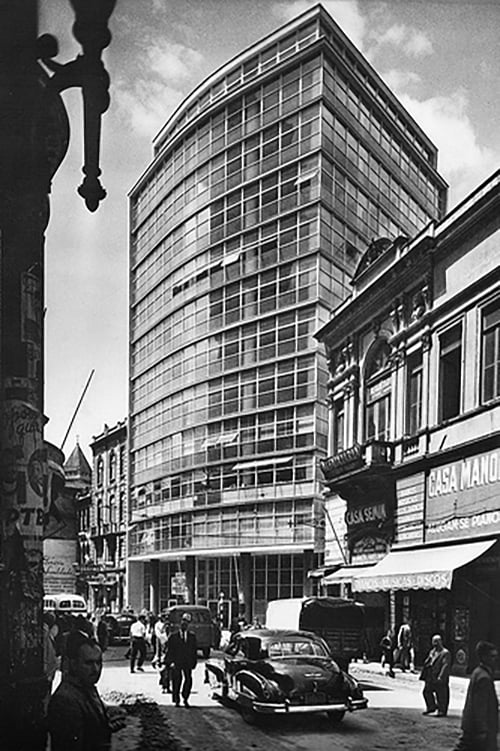
São Paulo: The Fastest Growing City in the World
The story of a young violinist, his ballet dancing friend and a siren woman of the world who completes the inevitable triangle.