Acting
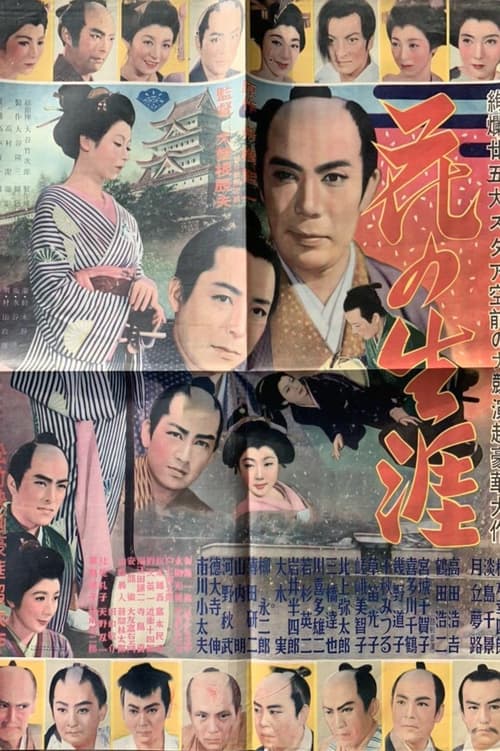
In 1842, in the Umemoku Mansion within Hikone Castle, Naosuke Ii, despite the tumultuous times, was engrossed in the world of tea ceremony. His friend, the Kokugaku scholar Nagano Shuzen, introduced him to a captivating shamisen master named Murayama Taka. Naosuke became deeply infatuated with her, disregarding the jealousy of his consort Shizu and the warnings of his senior retainer, Gaiji. However, upon discovering Taka's relationship with Shuzen, Naosuke promptly ended his ties with her.
A country boss gives up his way of life because of his daughter's marriage.
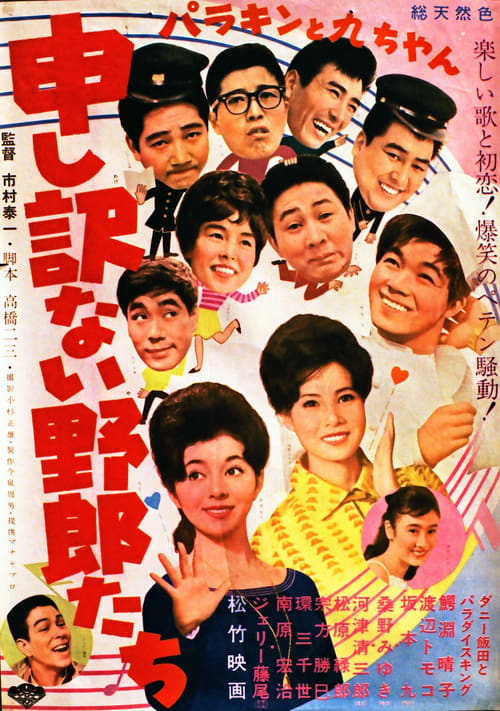
Immigrant gangs terrorize a Japanese town with their threats, loud jazz, and tasteless fashion sense, and only the tough but suave Dr. Amamiya (Ando) can stop them, as long as he gets rid of his silly peace-loving ideals.
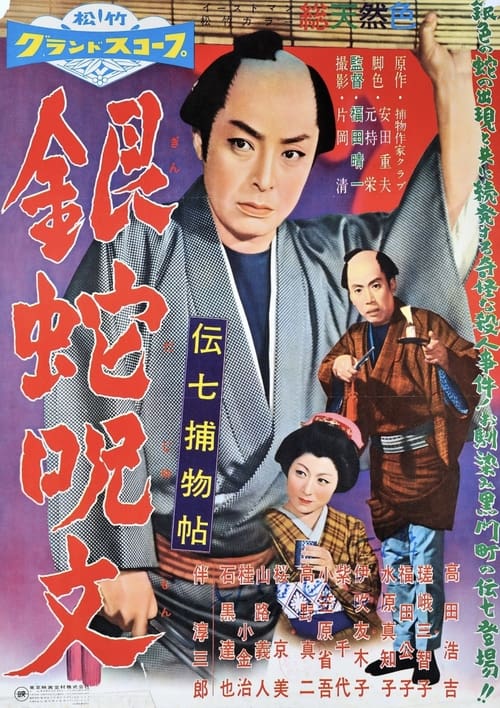
Kofu duty guard Yamauchi Hinata-kami cultivated illegal drugs and had them sold through Omiya, a drug wholesaler in Edo Muromachi. One day, a strange spell descends on Omiya, killing his wife Osetsu, and then his second daughter Okyo as well. After that, there was a rumor that a ghost playing a flute appeared in the town of Edo. Sanshiro Tachibana, a member of the Kitamachi Magistrate Doshin, asked Denshichi to investigate these incident.
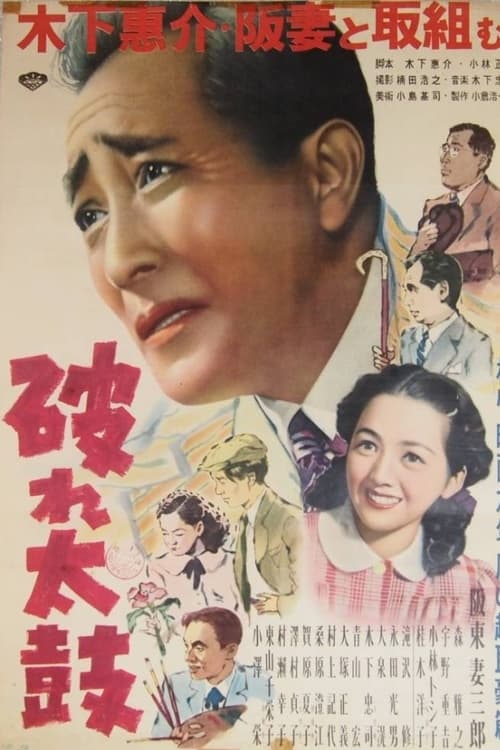
Japanese life during the past thirty-five turbulent years is depicted in this film through the eyes of two police detectives. One is Henmi, who comes to Tokyo in 1926 from faraway Kagoshima to join the Tokyo police force. His closest friend is Nihei, a farmer's son from Tohoku who becomes the steadying influence on headstrong Henmi.
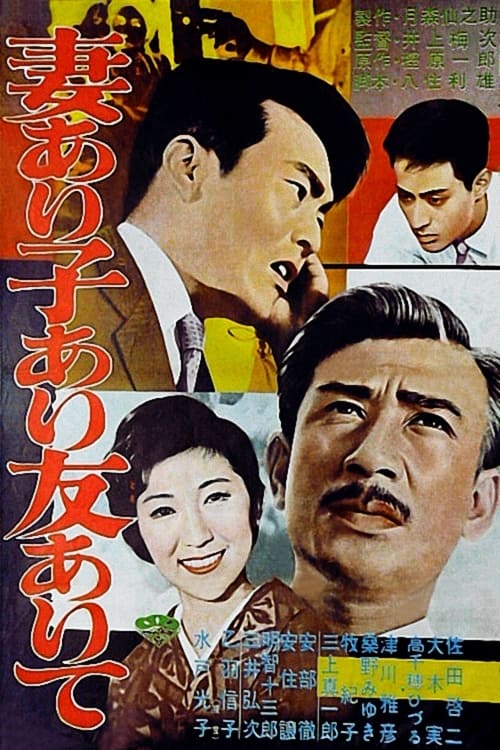
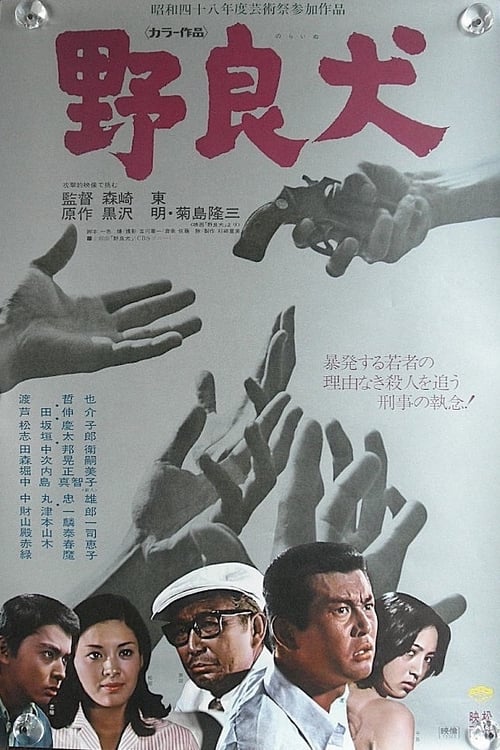
When his pistol is stolen, police detective Murakami is humiliated, especially when the gun is later implicated in a crime. Working with his superior, Chief Detective Sato, Murakami works feverishly to trace the location of his pistol, ultimately clashing with a gang of youthful Okinawans.
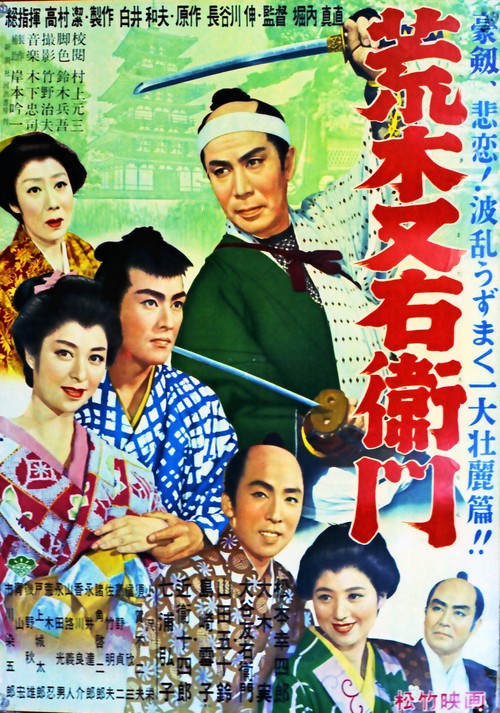
Watanabe Kazuma and Kawai Matagorō from the Bizen Okayama Ikeda clan were close friends, but they inevitably became enemies after Matagorō killed Kazuma's younger brother, Gentayū, and fled. Seeking assistance, Kazuma asked his brother-in-law, Araki Mataemon, for help, but Mataemon refused, saying that it was against the code for a brother to avenge another brother's death. On the other hand, the lord of the clan, Ikeda Tadao, ordered a search for Matagorō, who was found to be sheltered by the Hatamoto, including Andō Jiemon, in Edo. Tadao was furious but unable to act. Matagorō, in Edo, came to regret his birth as a samurai. He met and fell in love with Okō, a bathhouse maid. As the discord between the Hatamoto and the Ikeda clan deepened, Tadao died of illness. Seizing the opportunity to ease the conflict, the shogunate ordered the Ikeda clan to be succeeded by the young lord Katsugorō and to relocate to the Ikeda clan of Inshū Tottori. Meanwhile, Matagorō was exiled from Edo.
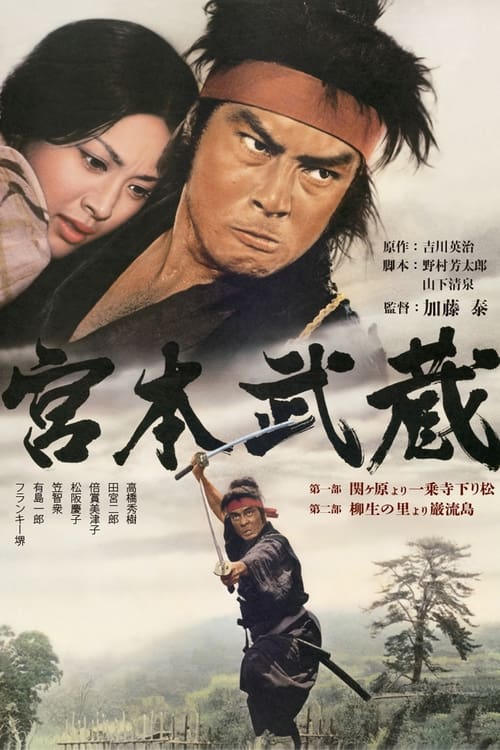
In Part I we see the young would-be swordsman setting out to achieve greatness in war, achieving nothing because fighting on the losing side, & then beginning his long period of wandering & training, with the goal always in mind of his duel with Kojiro. Part II builds toward that great duel on Ganryu Island, with considerable focus on Musashi's planning & forethought as to how to gain an advantage.
No description available.
1962 Japanese movie
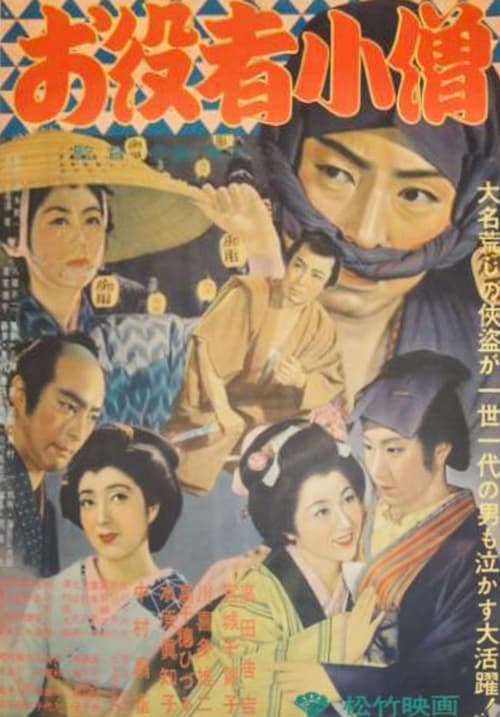
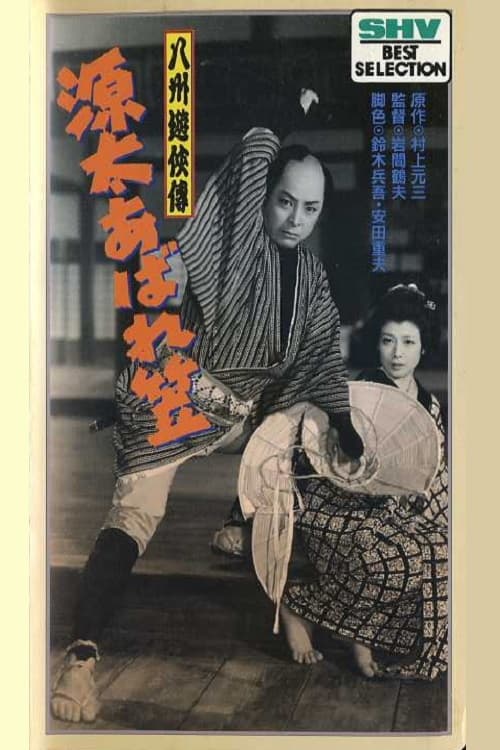
The phantom thief, known as the "Actor Kid", who was creating a stir in the Daimyo's mansion, especially in the inner chambers, was called Inaba Goutaro. He was the adopted son of a samurai, Inaba Buemon. An incident occurred where his foster father collided with the palanquin of the lord's concubine. In the subsequent altercation, Goutaro killed one of the attendants. Taking responsibility for the act, his foster father committed seppuku, and Goutaro was hunted down. Facing death, his foster father revealed to Goutaro that after the death of his biological father, Goutaro's real mother and his younger brother were forcibly made to serve a lord. This revelation ignited Goutaro's determination to infiltrate the Daimyo's mansion to meet his birth mother.
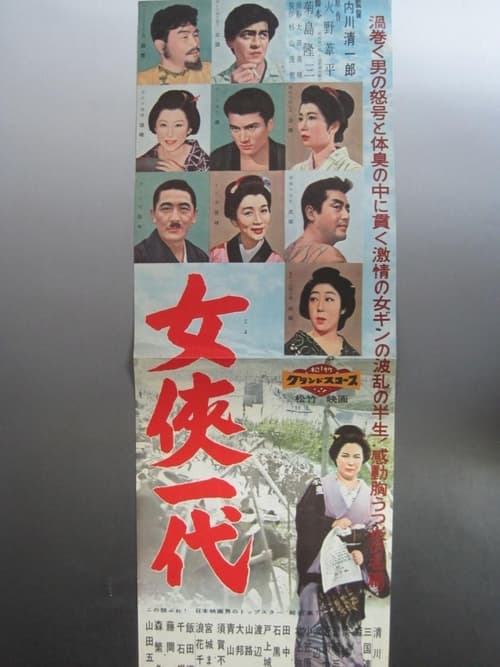
A tea master and his daughter Ogin are both Christians in feudal Japan. Ogin falls in love with a married feudal prince who shares her faith. When the Shogun bans Christianity, the situation worsens.
1960 Japanese movie
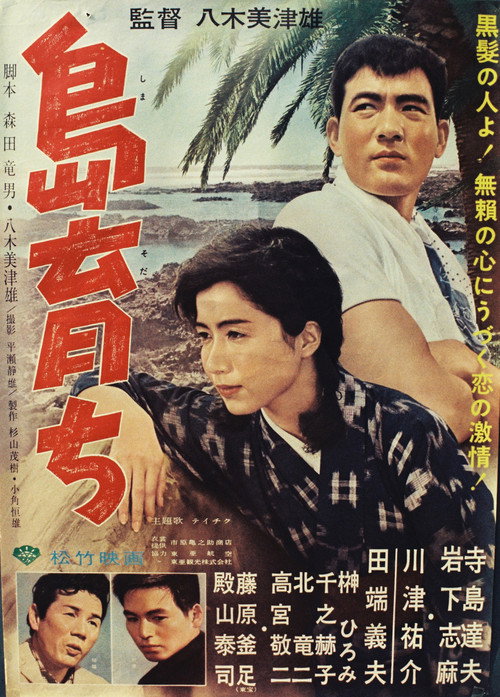
A melodrama based on a hit song by Yoshio Tabata. Set on Kikaijima Island, the story depicts the love between a simple-hearted island girl and a down-to-earth island man.
The spaceship AAB-Gamma is dispatched from FAFC headquarters in Japan to make a landing on the planet Mars and investigate reports of UFOs in the area. As they near the red planet, they encounter a mysterious UFO that coats the ship's hull with unusual spores. Taking one of the specimens back to earth, it soon develops and grows into a giant chicken-lizard-alien monster that tramples Japan.
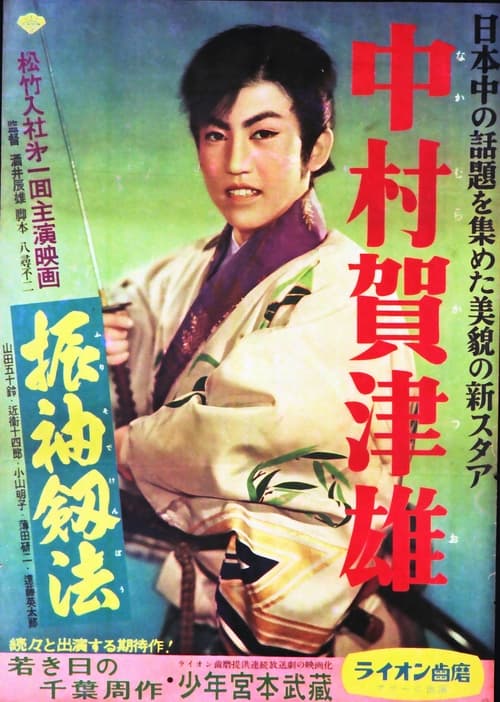
In Marugame Domain of Shikoku, a low-ranking foot soldier named Tagami Genbachi was envied for marrying Tsuji, the most beautiful woman in the domain. However, due to a personal grudge held by Horikawa Gentazaemon, the swordsmanship instructor, Genbachi met an untimely and bitter death through foul means within the precincts of the Hachiman Shrine. Due to the domain's oppressive treatment of those of low status, Tsuji, now with her infant son Botaro, was dispossessed of her home and exiled.
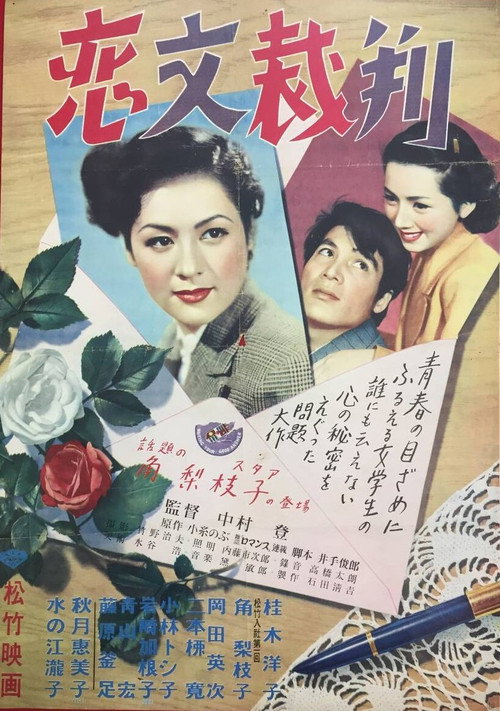
This story takes place at a school under the new educational system. It all began when a love letter addressed to Takeshi Kodama, the straightforward art teacher, from Yoko Kagawa, a young and beautiful female teacher, was found lying in the school hallway. It soon became clear that Ms. Kagawa was not the one who had written the letter, but this incident made her feel the need to explore the emotions of her adolescent female students.
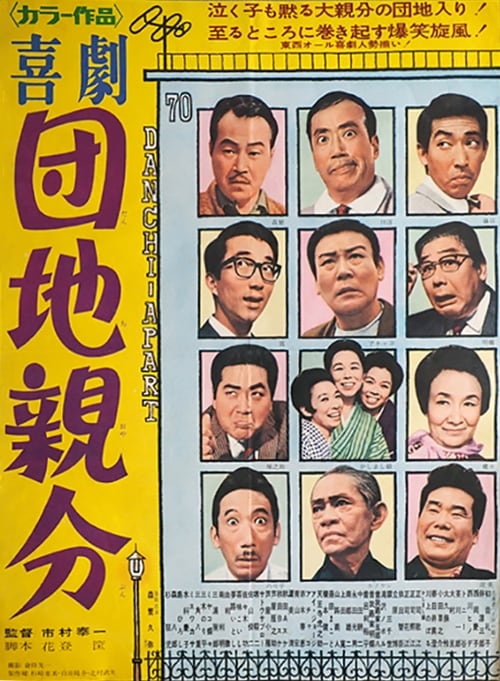
When the future of his construction company falls into danger, a controlling father pushes his children into unsatisfying marriages and careers in order to regain financial stability.