Camera
By chance, Martin and Laura travel to Villa Gesell at the same time. They are not together anymore but 18 years ago they conceived their son, Pablo, there. Soon, situations as absurd as they are touching will arise from their encounter. Juan Villegas ventures into comedy and is back at Bafici with a nostalgic, intimate film.
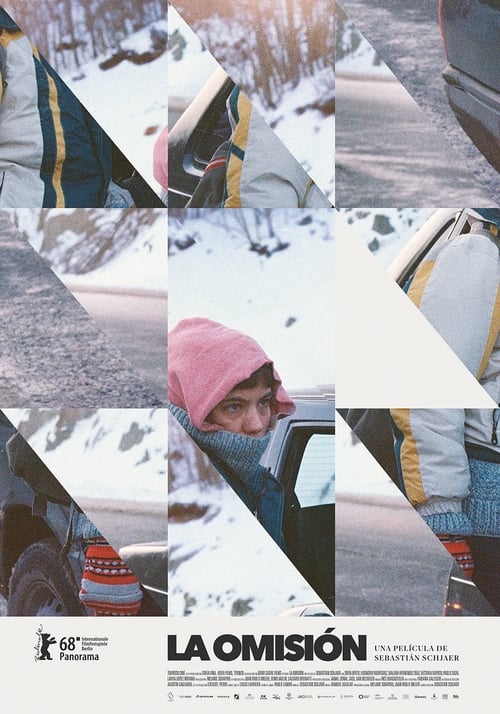
In a snowy and industrial city in the south of Argentina, Paula, a 23-year-old girl from Buenos Aires, starts an intense job hunt with the sole purpose of saving money. The lack of a job, a home and a stable emotional environment will end up turning that search into a personal and introspective journey.
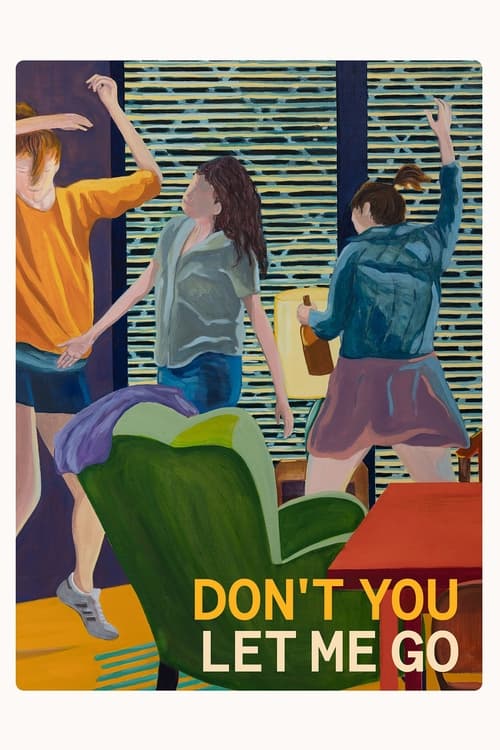
Three women meet by chance at the end of the world, in Argentinian Patagonia, and set out on a polyamorous journey, caught up in the search for new kinds of relationships, far from possession and pain. They become the Daughters of Fire, a band dedicated to helping those women who look for their own path to erotica.
The introduction to a feature film in progress called Punas (continuation of Puna, from 2006, a work made in Jujuy by the same filmmaker). Sunblasting explores the Andean world in connection with the historical and geographical. A framework in which beliefs, rituals and contemporaneity are superimposed.
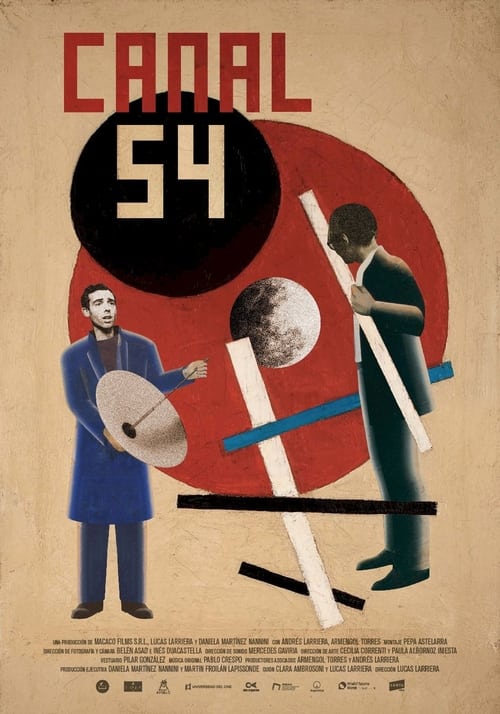
An investigation about a transmission parallel to that of man’s arrival to the Moon, captured by a radio ham from Avellaneda, confronts the director of Channel 54 with a series of conspiracy theories and mysterious figures. Doing so also means questioning the nature of the images.
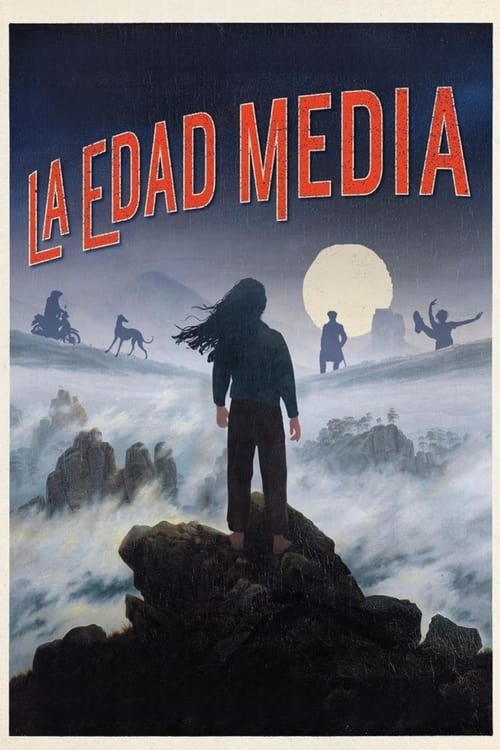
In the wake of her best friend’s death, Adela embarks on a journey through time to a distant autumn, where Elena eagerly awaits, armed with detective novels and the warmth of a crackling fire. A tale of timeless sisterhood and celebration of life, Adela must confront her grief and unravel the mysteries that bind them together.
Morán works as a clerk in a bank in Buenos Aires. He is as good as invisible to his colleagues. Over dinner with his colleague Román, Morán tells him that he stole exactly $650,000, which is exactly double what he would have made until his retirement. He plans to turn himself in, but not before offering Román to split the money if agrees to hide it for the duration of his incarceration.
With the strange disappearance of Laura, two colleagues, her older boyfriend, Rafael, and Ezequiel, learn of their recent discoveries, which may help them locate her. However, the story is bigger and stranger than they could imagine.
María Villar, Cleo Moguillansky and Alejo Moguillansky tried to read live -perhaps sing- a voiceover narrative in sync with the projection of a deleted scene of The Little Match Girl, between fiction, essay, exhumation, failure, and the time that goes by and is unforgiving.
It is no coincidence that the second feature by Argentinian Melisa Liebenthal begins with a quote from “Duino Elegies” by Rilke, who was concerned with existential angst. And, more prosaically, Marina, the film’s young protagonist, is faced with similar anxiety. In fact, her problem is her face. One morning, she discovers her face has changed, and she can no longer recognise herself. Not even her mother can, who bumps into her on the street and says hello to her like she would to any stranger (deadpan, surreal humor is part of the film’s recipe). Marina is thus forced to confront her identity: who is she? Is she determined by her parent’s DNA or by her ID card? Can she be identified by a family portrait, by biometrics or the love of those around her, including her Colombian boyfriend? Is she prettier now?
Ana introduces Ezequiel, her new boyfriend, to her parents, in a cabin in the middle of the woods on Christmas Eve. Ezequiel goes into the woods to look for firewood, and when he returns, she notices a change in him that raises questions.
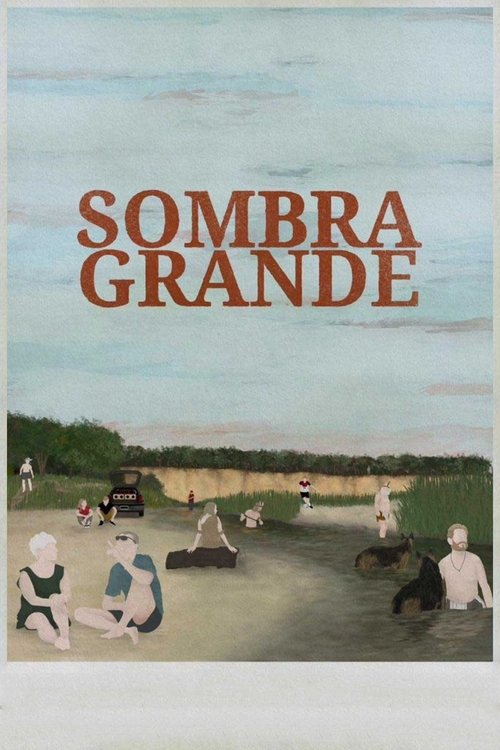
A few years ago a man appeared who claimed to speak an apparently lost language: Chaná. Soon dictionaries were published and the language could be completely recovered. This man also located the Chanás in the same place where the Volga Germans live today, in the province of Entre Ríos. Inspired by the book of poems of the same name, Big Shadow is the story of a group of friends who live in German villages while they prepare a film about the new language.
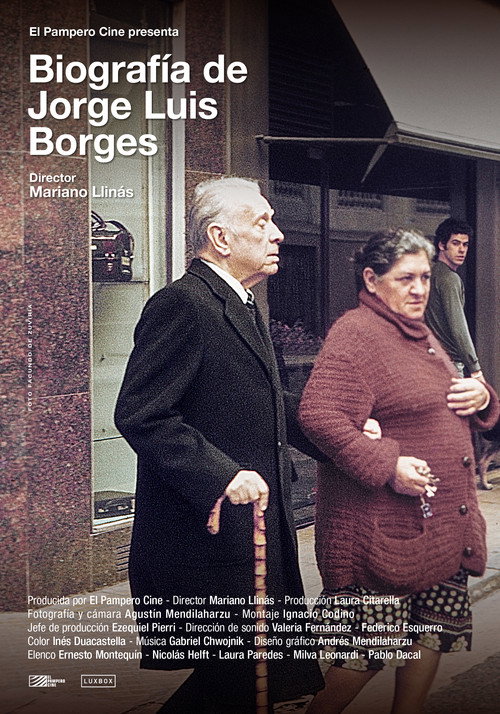
A biography of Jorge Luis Borges working from an exhaustive review of the papers he left, the books he read, the places he went to. And with this, an attempt to decipher a very peculiar life: someone who lived like a hidden, underground warrior, whose cause was literature, literature conceived as a kingdom and as a landscape. If Cold War spies fought from their desks or from an uninhabited house to defend their half of the world, Borges strove from a library to elevate and broaden the territories of his own tribe: the people for whom the most important part of the universe is books, plots and words. This film is devoted to that secret pilgrim (to borrow from Le Carré, the king of all spies).
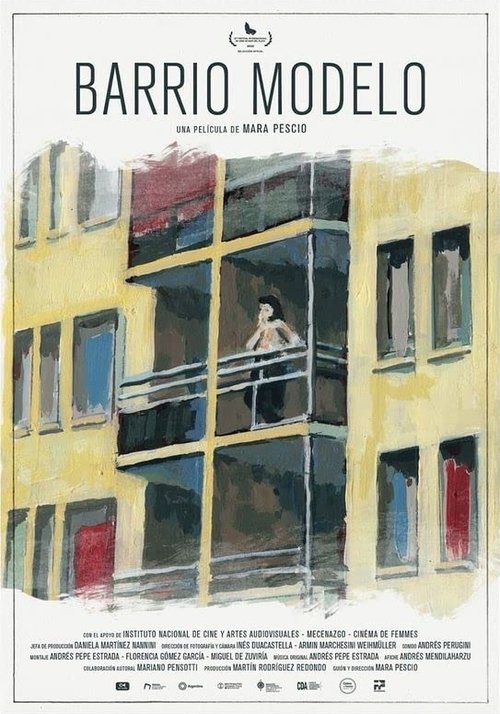
Silvia visited Moscow in the late 1960s, during the Soviet regime's heyday. There, she saw the structuralist-designed complexes designed to house working-class families. Upon returning to Buenos Aires, she discovered that the same collectivist spirit was embedded in the buildings constructed by the El Hogar Obrero cooperative. Embracing the ideal of socialism, Silvia abandoned everything, including her husband and children, to move into one of these apartments and write a novel in which she planned to portray its more than 200 owners. Shortly after, she traveled to Italy, and her trail was lost forever. Half a century later, a niece found her manuscripts and decided to bring to life on film what had been left unfinished in literature, combining archival material with scenes of the current inhabitants.
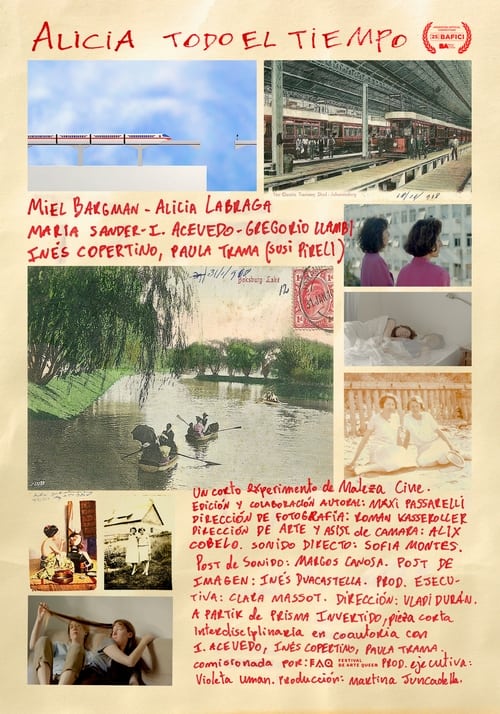
The pandemic, images from the past, images in the trash, various animals, a wounded lion boy, musical neighbors singing an old bolero, a medicinal herb vendor making cooking videos. An experimental piece in collaboration with I Acevedo, Paula Trama, and Inés Copertino, commissioned by the Buenos Aires Queer Art Festival.
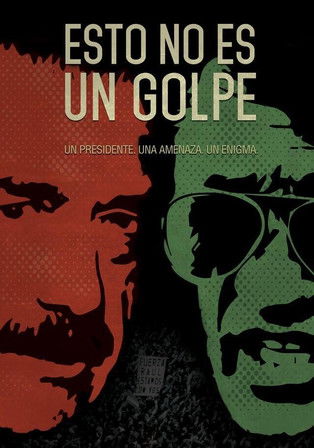
The first Carapintada uprising in 1987 puts Raúl Alfonsín’s presidency in check. A meeting and a speech install an even more latent enigma.
The Felpetos have managed a clandestine lottery business for decades. The family enterprise operates in a small housing development. Maribel leads a crew of clerks who log the bets from her living room. Alejandra, her mother, lives in an identicalhouse just a few meters away, which serves as the administrative office. Some lotto bankers have been raided lately, and the atmosphere in the neighborhood has become strage since. There has been talk about police dismissals and big-money movements. Nobody can tell what is true from the rumors or the news on TV
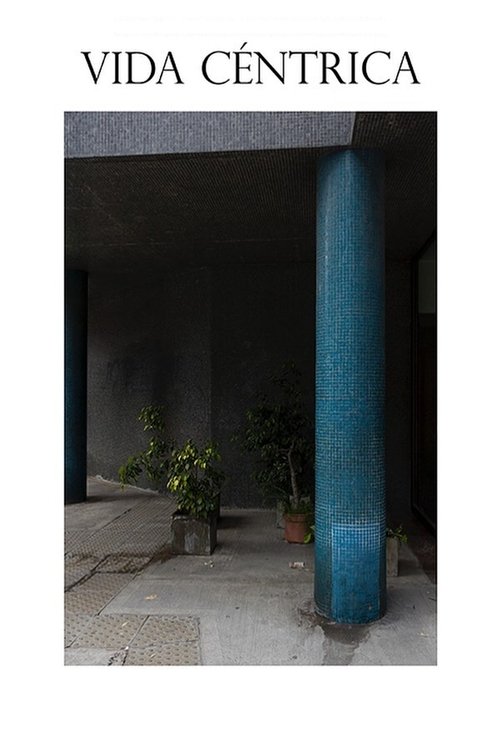
It is the first installment of a series of films titled Downtown Life, which is the result of the happy meeting of two friends who get together to film for the pleasure of walking and observing the city in which they live and where they grew up. What they see is the city that belongs to them, and turning that fact into a film is the way to share that belonging with others. Each observation, be it the movement of traffic at a street intersection, be it the force of the wind exerted on a branch, be it the rhythm of pedestrians at night, contains a form and a story and the confidence that they can be transmitted to whoever. be open to that contemplation.
A comedy during confinement? Probably so. A portrait of a little girl and her family during confinement? Apparently so. An absurd, Beckettian musical shot during confinement? Exactly, yes.
It’s winter holidays and fourteen-year-old Ana discovers that the metal plate she has in her arm from an accident she suffered as a child is now receiving a strange message in Morse code.