Nadja Velušček
Directing
Known For
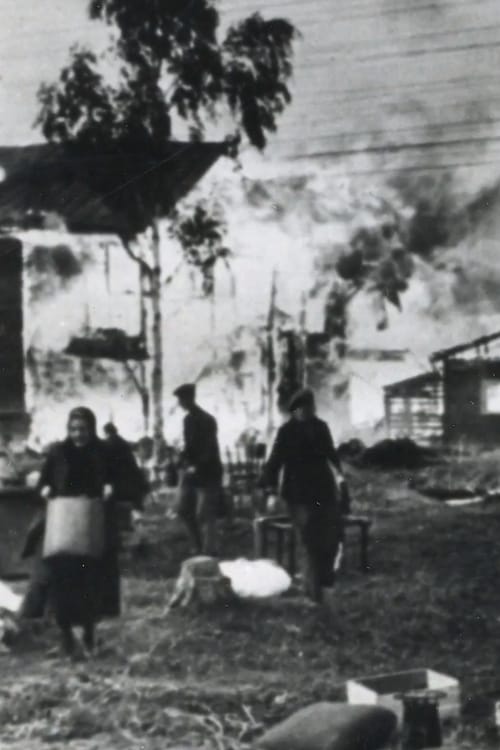
People from tripoint of Italy, Slovenia and Croatia tell their stories of the World War II events that happened there.
Burnt in Memories
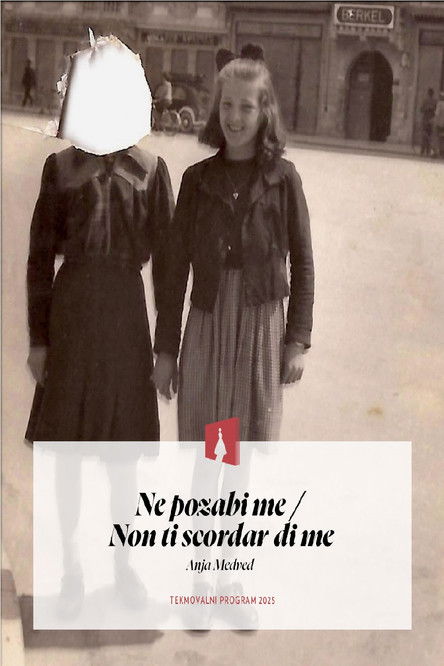
In this feature-length documentary film essay, archival footage weaves together childhood memories from once-opposing sides on the Gorizia border to rethink—80 years after WWII, and amid renewed calls for rearmament—the meaning of home and belonging.
Forget Me Not
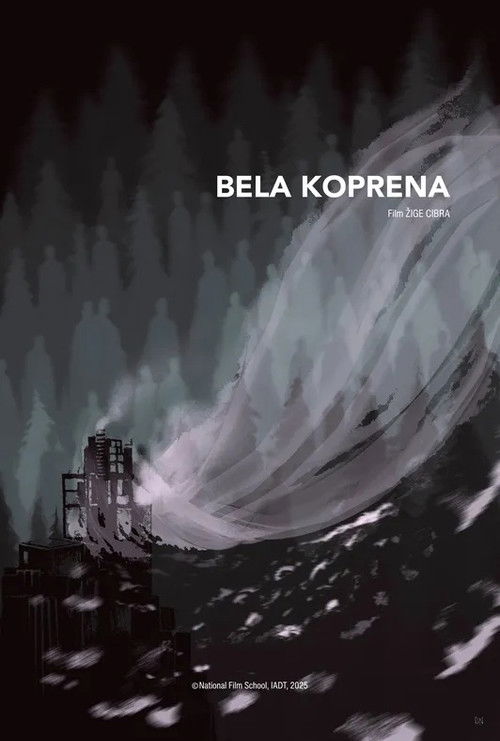
In the village of Anhovo on the Soča River, there lies an old asbestos factory that has managed to outlive wars, regimes and borders. It provided employment and stole life. Even today it continues to exhale smoke.
White Veil
Gorizia, September 16, 1947. The border has crept between houses and streets, between fields and gardens, dividing people and the world. It has become a barrier, but also a challenge. Those who still remember the undivided Gorizia area tell stories about life along the border. We get to know a piece of world history through the eyes of a girl who writes in her diary about the everyday life of growing up in a completely new country.
Moja meja
Water is the source of life, so people have always adapted to it. When they captured it and directed it to their advantage, they mastered life. Cultures were born and civilizations were built around water reservoirs. It connected people. Today, the times when people used to go for water with buckets seem like a distant past, but many still remember how lively it was at the wells. Every day of the year demanded its own bucket, so they watched every drop they used. Only the arrival of the water supply system made it possible for everyone to get their own water, which flowed without limit. The wells began to fall into disrepair. The film records fragments of 20th-century history, as reflected in the water reservoirs of the cross-border Gorizia Karst.
Ujeta voda
A short mosaic about theater and film actress Nora Gregor and her life, always torn between fairy tale and tragedy.
Nora Gregor
A customs office on the border between two cities, countries, social systems, between the Romance and Slavic worlds, 65 years after the end of the war. On 20 December 2007, with Slovenia's entry into the Schengen area, Nova Gorica found itself without border gates for the first time in its short history. That same evening, this traumatic space, now retired, was transformed into a meeting place. It was equipped with a camera, microphone, computer and a curtain, allowing for undisturbed remembrance. People come from both sides, bringing stories and images with them and donating them to a shared album of memories of both cities. The confided memories and fragments of family and archive films shot in this area show how two different realities can find themselves in the same place at the same time. The documentary video reveals the stories of the absurd, so characteristic of all border areas in the world.
Spovednica tihotapcev. Pogledi skozi železno zaveso.
The Soča has always been a border river. In its relatively short course, it connects two completely different landscapes, the Alps and the Mediterranean. And it really seems as if it consists of two personalities. It also has two names. Soča is female. Isonzo is male. The Soča is a water of contradictions; attractive and dangerous, known for its emerald color and bloody front. The First World War in these parts destroyed not only lives, villages and fields, but also the relationship that the people of that time had with nature. The survivors had to start from scratch and it seems that today we still live in this hastily concluded world. Meetings along the Soča reveal the contradictions in our modern relationship with nature. Compared to the life of the river, human life seems insignificant and yet we can today interfere with the laws of nature. At a time when political borders are being eliminated, we must know how to set our own boundaries in relation to our common river.
Trenutek reke
When Primorska was annexed to Yugoslavia, Gorica remained in Italy. On the Yugoslav side, construction of a new Gorica began in 1948. The town, located on a meadow, in a swamp, in an abandoned cemetery next to the old Frnaža, stood for many years like a skeleton in the middle of an empty space along an immensely wide street that led nowhere. People who moved there from all over soon realized that they had found themselves in the “wild west” and that they would have to build Nova Gorica themselves. The documentary video essay tells the story of the town’s origins and raises questions about its identity and vision at a time when the border is once again losing its meaning. It is narrated by its inhabitants and those who helped build it in one way or another.