Directing
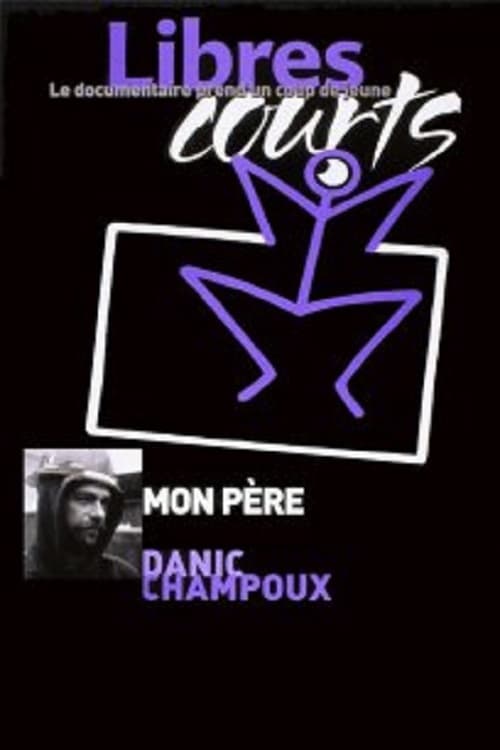
In his first short documentary, made for the series Libres courts, filmmaker Danic Champoux points his camera at his own father. This is one of those men who have to uproot themselves and leave their families to be able to work. How many of them have the terrible feeling that they are wasting their life to earn it? Exemplary suppliers, anonymous workers, nomadic builders, they move from factory to dam, from one site to the next and form a society apart. Every day, these men have to rise to the occasion. Each evening, they have to tame the loneliness a little more.
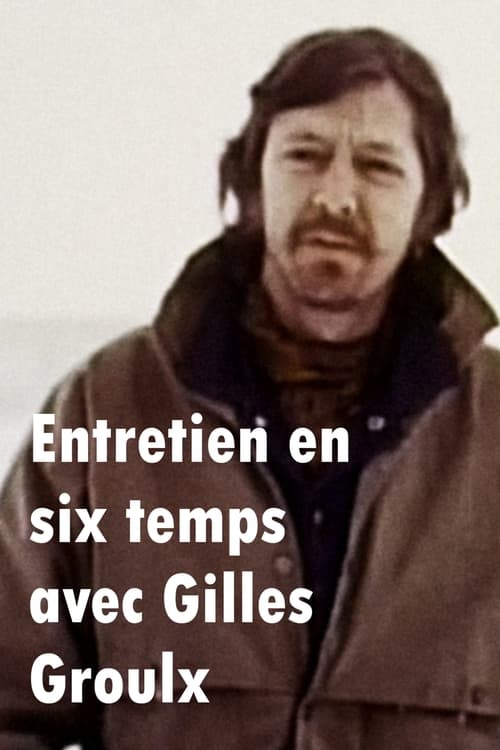
This feature-length documentary brings together six of the rare television interviews given by Gilles Groulx between 1966 and 1983. Through these interviews, the filmmaker's ethical and aesthetic concerns are revealed. A striking coherence emerges in his thinking regarding his conception of cinema and the role the filmmaker should play in his culture and society.
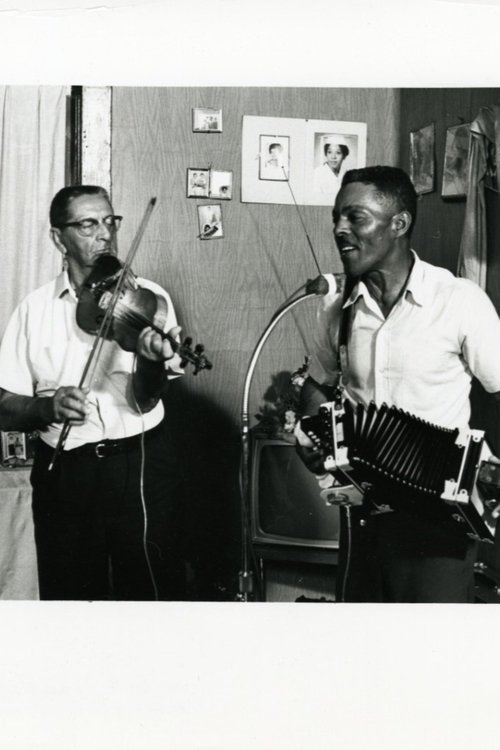
Zarico is the distinct folk music of the Black francophone Créole culture of southwestern Louisiana. In retracing the footsteps of the Créole population—who came from Africa, the Caribbean and Acadia—the various musical influences and development of the style are shown.
This short documentary is a tribute to the unknown father. Emerging filmmaker Danic Champoux poses the question "How many men still have to uproot themselves and leave their families to get work?" as he sets out to search for his own father. He wonders about these men who are labourers, itinerants, and mostly nameless, but who are all exemplary providers. But at what cost? This film was produced as part of the Libres Courts collection of first-time documentary shorts.
No description available.
Feature-length documentary filmed in three locations as far apart as possible: Louisiana, Acadia and Quebec, but where Le reel du pendu is played – a musical piece performed on the violin, harmonica and guitar or the accordion for over two hundred years. Through this improvised music of a death row inmate, the spectator is invited to discover for himself “the sound of the French in America”.
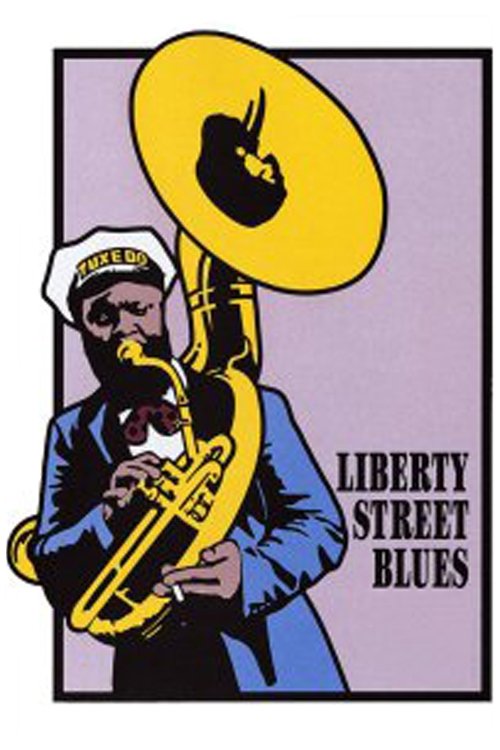
This feature documentary uses music to reveal the many faces of jazz, New Orleans style. Colourful and alive with music, the film captures the street life and traditions of this vibrant city and explores the roots of the music that springs from the soul of the African-American community.
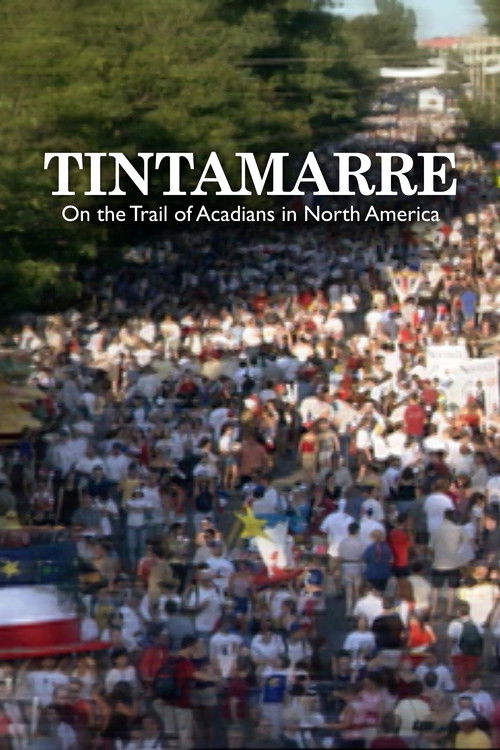
This feature documentary pays homage to the special character of an enduring people: the Acadians. Two hundred years after Expulsion of the Acadians by the British (1755–1764), Acadian culture is still very much alive. But why do Acadians—whose ancestors founded the first colony in North America—have to keep making a racket to tell the world they're still here?