Marcel Ophüls
Directing
Biography
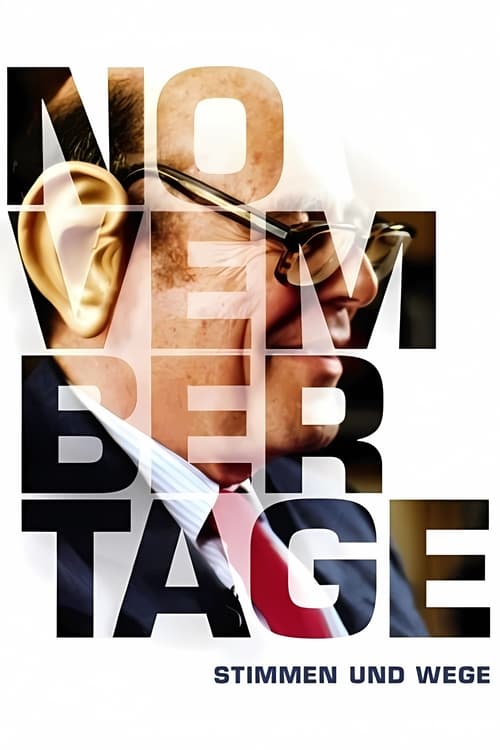
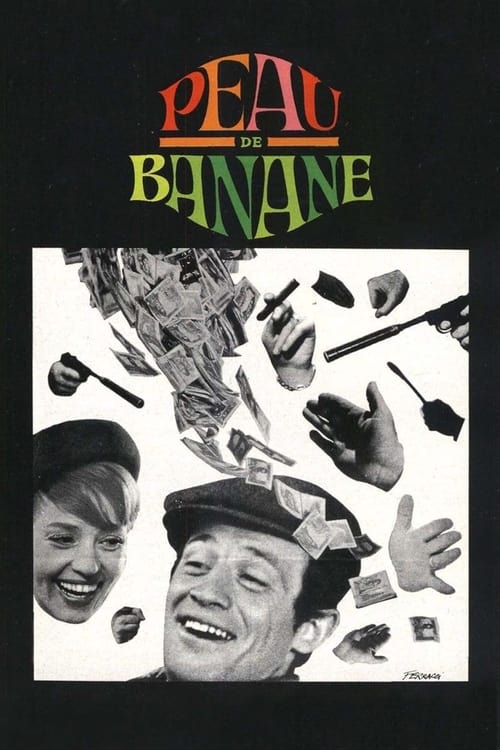
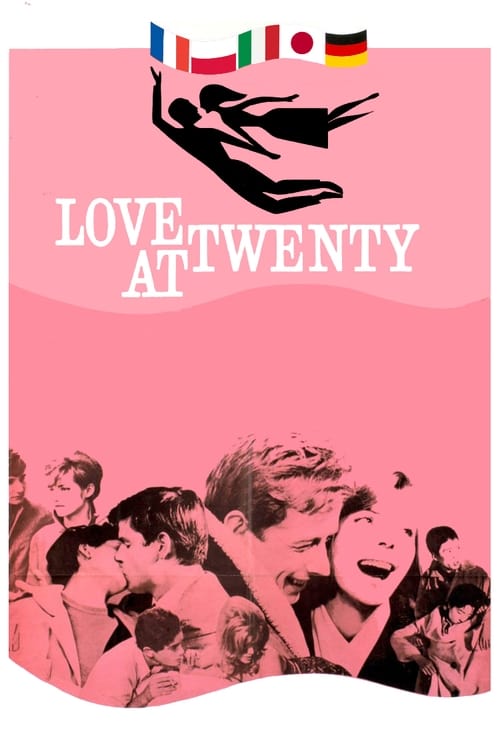
Marcel Ophuls (German: [ˈɔfʏls]; born 1 November 1927) was a German-French documentary film maker and former actor, best known for his films The Sorrow and the Pity and Hôtel Terminus: The Life and Times of Klaus Barbie. Ophuls was born in Frankfurt, Germany, the son of Hildegard Wall and the director Max Ophüls. His family left Germany in 1933 following the coming to power of the Nazi Party and settled in Paris, France. Following the invasion of France by Germany in May 1940 they were forced to flee to the Vichy zone, remaining in hiding for over a year before crossing the Pyrenees into Spain in order to travel to the United States, arriving there in December 1941. Marcel attended Hollywood High School, then Occidental College, Los Angeles. He spent a brief period serving in a U.S. Army theatrical unit in Japan in 1946, then studied at the University of California, Berkeley. Ophuls became a naturalized citizen of France in 1938, and of the United States in 1950. When the family returned to Paris in 1950 Marcel became an assistant to Julien Duvivier and Anatole Litvak, and worked on John Huston's Moulin Rouge (1952) and his father's Lola Montès (1955). Through François Truffaut, Ophuls got to direct an episode of the portmanteau film Love at Twenty (1962). There followed the commercial hit Banana Peel (1964), a detective film starring Jeanne Moreau and Jean-Paul Belmondo. With a slump in box-office fortunes, Ophuls turned to television news reporting and a documentary on the Munich crisis of 1938: Munich (1967). He then embarked on his examination of France under Nazi occupation, The Sorrow and the Pity. Although he enjoyed making entertaining films, Ophuls became identified as a documentarian, using a characteristically sober interview style to resolve disparate experiences into a persuasive argument. A Sense of Loss (1972) looked at Northern Ireland, and The Memory of Justice (1973) was an ambitious comparison of US policy in Vietnam and the atrocities of the Nazis. Disagreements with his French backers over interpretation led Ophuls to smuggle a print to New York where it was shown privately. Legal wrangles left him disappointed and financially broke, and Ophuls turned to university lecturing. In the mid-1970s, he began producing documentaries for CBS and ABC. His feature documentary Hotel Terminus: The Life and Times of Klaus Barbie (1988) won an Academy Award; since then he has made an interview film with two senior East German Communists, November Days (1992) and a ruminative look at how journalists cover war, The Trouble We've Seen (1994). Every year the IDFA (International Documentary Festival) in Amsterdam screens an acclaimed filmmaker's ten favorite films. In 2007, Iranian filmmaker Maziar Bahari selected The Sorrow and the Pity for his top ten classics from the history of documentary. At the 65th Berlin International Film Festival in February 2015 Ophuls received the Berlinale Camera award for his life work.
Known For

Marcello Mastroianni, Isabelle Adjani, Alain Delon, Martin Scorsese, Woody Allen... the biggest stars in cinema were welcomed by Christian Defaye on his show Spécial cinéma. Between intimate confessions from actors and immersion in the world of the greatest filmmakers, Christian Defaye took viewers on a journey into the fascinating world of cinema for nearly thirty years.
Spécial cinéma
Annual awarding of the Grimme Awards.
Grimme Award
No description available.
Wortwechsel

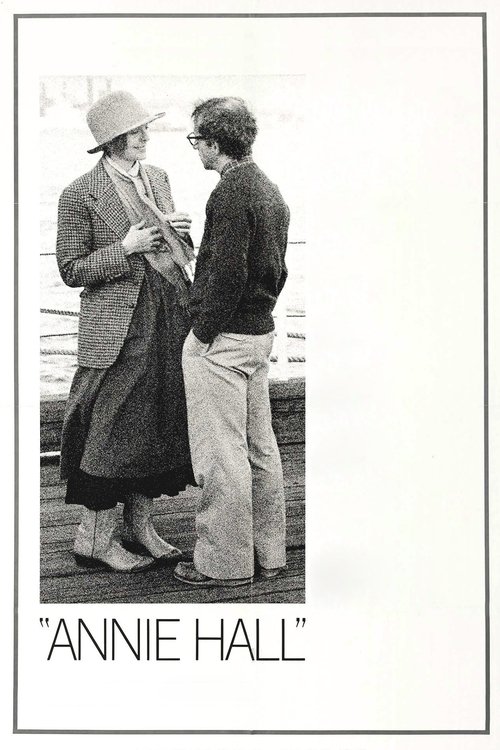
New York comedian Alvy Singer falls in love with the ditsy Annie Hall.
Annie Hall
No description available.
Zeil um Zehn

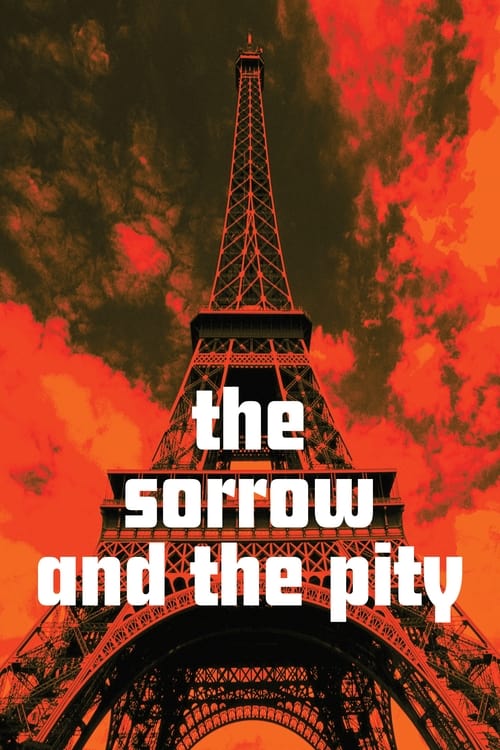
An investigation into the nature, details and reasons for the collaboration, from 1940 to 1944, during World War II, between the Vichy regime, established in the south of France and headed by Marshal Pétain, and Nazi Germany.
The Sorrow and the Pity

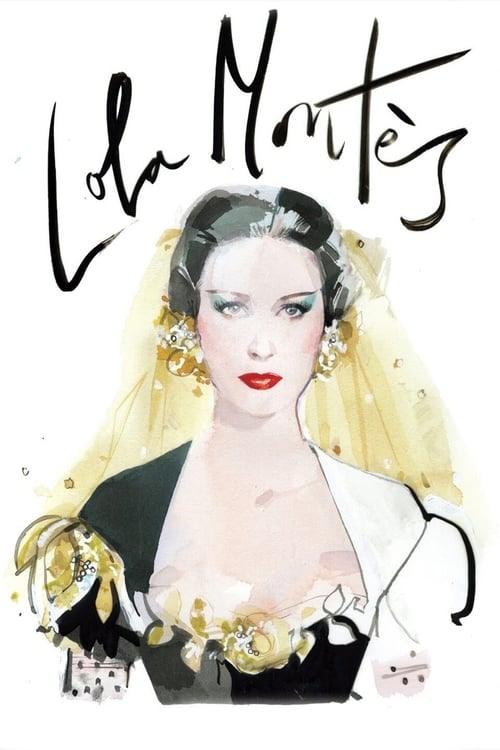
Lola Montes, previously a great adventuress, is reduced to being the attraction of a circus after having been the lover of various important men.
Lola Montès

Love at Twenty unites five directors from five different countries to present their different perspectives on what love really is at the age of 20. The episodes are united with the score of Georges Delerue and still photos of Henri Cartier-Bresson.
Love at Twenty

Two scoundrels cheat a millionaire out of a huge bankroll on the French Riviera.
Banana Peel

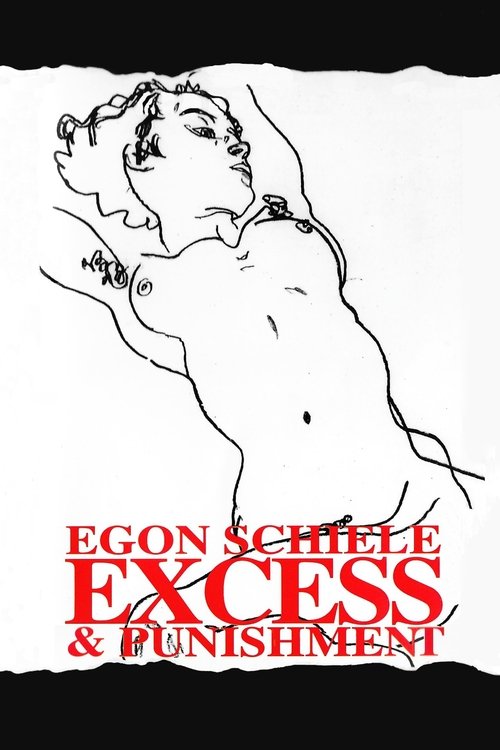
In 1912, in Austria, the painter Egon Schiele is sent to jail accused of pornography with the nymphet Tatjana in his erotic paints. His mate, the model Vally, gets help from a famous lawyer to release him. Then he leaves Vally, marries with another woman and goes to the war.
Egon Schiele: Excess and Punishment

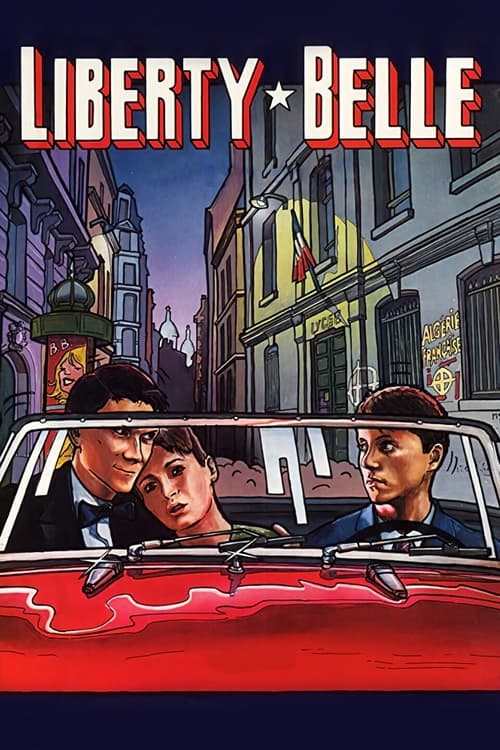
The story of a group of students' involvement with a group who oppose the French-Algerian war.
Liberty Belle

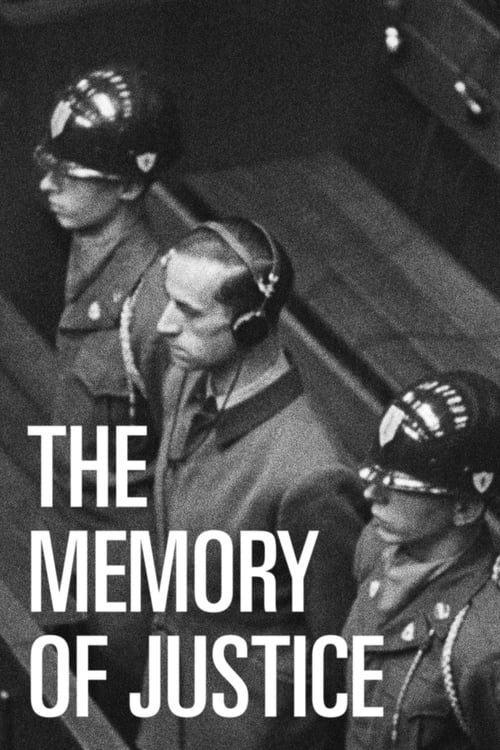
This exceptional, disturbing, and thought-provoking two-part documentary compares the atrocities committed by the Nazis as revealed during the Nuremberg trials to those committed by the French in Algeria and those done by the Americans in Vietnam. The four-hour epic questions the right of any country to pass self-righteous moral judgements upon the actions of another country.
The Memory of Justice

Marcel Ophuls' riveting film details the heinous legacy of the Gestapo head dubbed "The Butcher of Lyon." Responsible for over 4,000 deaths in occupied France during World War II, Barbie would escape—with U.S. help—to South America in 1951, where he lived until a global manhunt led to his 1983 arrest and subsequent trial.
Hôtel Terminus: The Life and Times of Klaus Barbie

Twenty-six people - including two daughters, an ex-wife, his last lover, actors, fellow directors and writers, a neighbor, and boyhood friends - talk about François Truffaut. They discuss his attitudes toward wealth, his early writings about cinema, the undercurrent of violence in his films and his personality, the way he used and altered events in his life when making films, his search for a father (both artistic and biological), his relationship with his mother, the scenes in his films that cause a squirm of embarrassment, and his ultimate mysticism. Clips from a dozen of his films are included.
François Truffaut: Stolen Portraits

The story of the documentary The Sorrow and the Pity (1971), directed by Marcel Ophüls, which caused a scandal in a France still traumatized by the German occupation during World War II, because it shattered the myth, cultivated by the followers of President Charles de Gaulle (1890-1970), of a united France that had supposedly stood firm in the face of the ruthless invaders.
The Sorrow and the Pity: The Film That Shocked France

A 1965 episode of the French television program Cinéastes de notre temps, featuring interviews with many of film director Max Ophuls’s collaborators
Cinéastes de notre temps : Max Ophuls ou la ronde

A famous American secret service agent tries to rescue a German 17-year-old prodigy scientist who has been captured by the Russians.
Make Your Bets Ladies

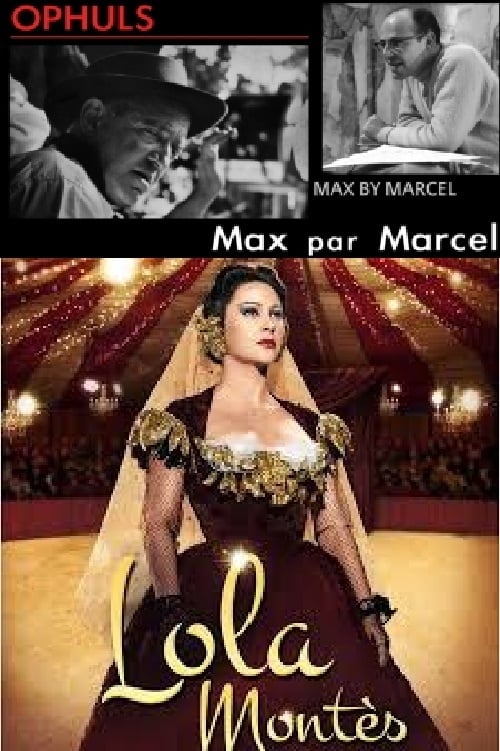
In a series of four documentaries, Marcel Ophuls pays tribute to his father Max, and in this last one discusses his role as an assistant director on "Lola Montès".
Max par Marcel: Lola Montès

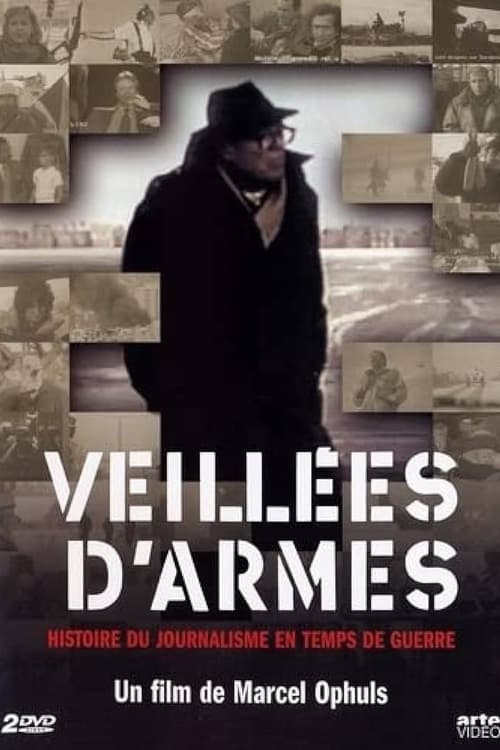
We follow Marcel Ophuls' two journeys to Sarajevo in 1993. He is starting a documentary about war correspondants. But this also becomes a reflexion about truth and life. The form consists in many interviews of mostly French and American journalists and reporters of television or newspapers.
The Troubles We've Seen
18 years after his last film, (The Troubles We've Seen), Marcel Ophuls emerges from retirement as one of our last masters, the most corrosive, the funniest as well. And the most forceful. The director of The Sorrow and the Pity shares with us stories of his exceptionally rich life in this light-hearted yet bitter escapade though the century and the movies. Son of the great Max Ophuls, he is generous in his admiration. We also meet Jeanne Moreau, Bertolt Brecht, Ernst Lubitsch, Otto Preminger, Woody Allen, Stanley Kubrick and of course François Truffaut. There are no great filmmakers without a memory, so here is the memory shop of Marcel Ophuls.