
Cláudia Clemente
Directing
Known For
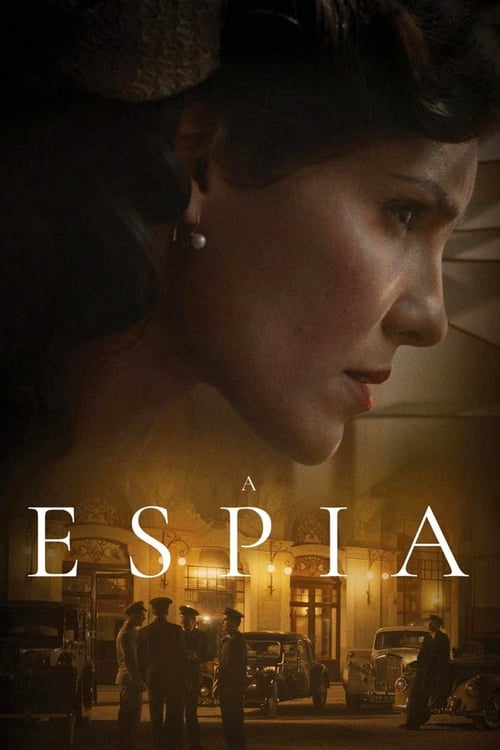
The story of Shell, one of several spy networks operating in Portugal during the Second World War. Directed by the British who operated in Portugal between 1941 and 1942, it had a plan to destroy infrastructures and act as a counterintelligence unit in case the country was invaded by the Germans.
The Spy

The story about the romance of Snu Abecassis and the former Portuguese prime minister Sá Carneiro.
Snu

Agnès Dormes, a famous opera singer, saves Julie, a baby girl who was about to be sacrificed during a black mass. Twenty years later, the baby has turned into a beautiful energetic twenty-year-old young lady determined to find out about her origins. In Avignon, Julie manages to meet Agnès and discovers on the occasion she is not her real mother. A series of adventures will ensue and at a time Julie is nearly burned on the stake. But she eventually achieves her end and can marry, a street performer close to her heart.
Julie, chevalier de Maupin
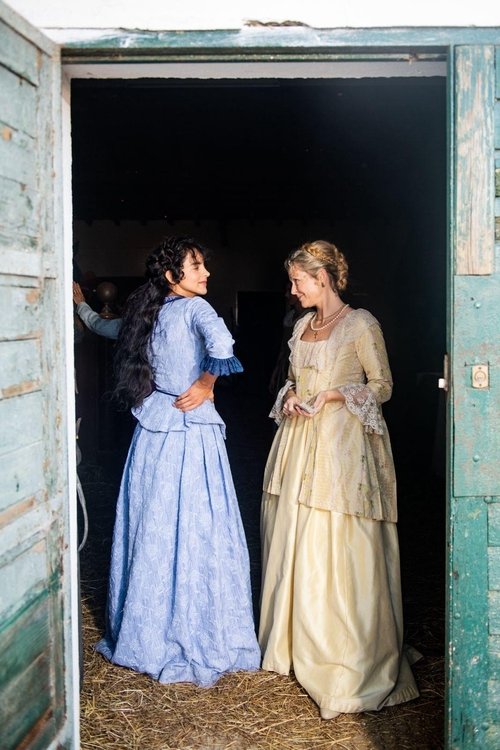
After her family is accused of regicide, Leonor de Almeida Portugal is imprisoned in a convent for eighteen years. Incarcerated, she becomes "Alcipe" through poetry and finds love and freedom in Carlos Augusto. But her life path is marked by the earthquake of 1755 and since that day, the earth has never stopped shaking. From the end of her luxurious life in Vienna, to her flight from France, to the loss of two children, Alcipe never gives up and always rises from the ashes.
The Marquise
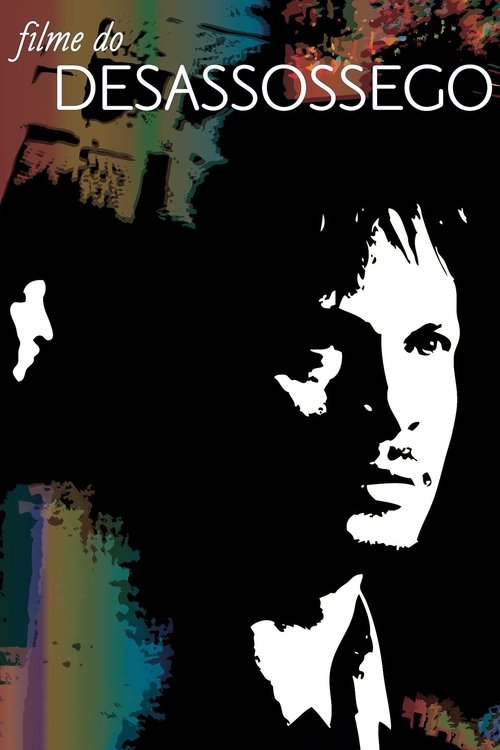
Lisbon, today. In a room of a house at Douradores Street, a man invents dreams and theorizes about them. The essence of the dreams itself becomes physical, palpable, visible. The text itself materializes in its musicality. And, in front of our eyes, this music can be felt with the ears, brain and heart. It spreads itself in the street where the man lives, in the city that he loves above all and over the entire world.
Disquiet
An adaptation of the story with the same name by Portuguese writer Alexandre Herculano.
A Abóbada
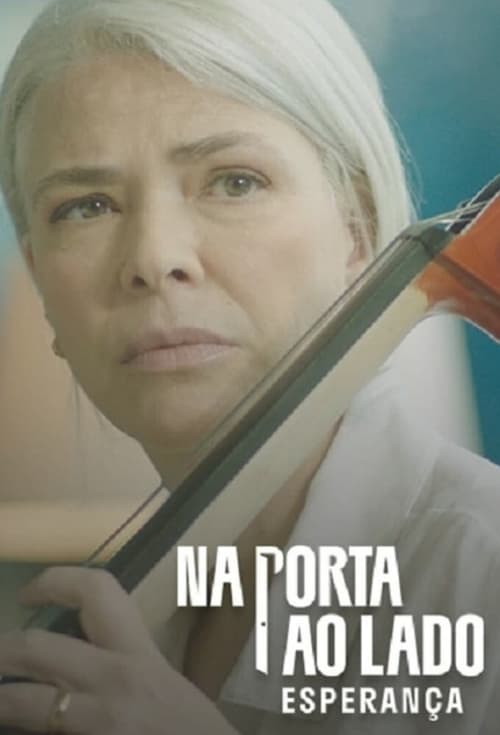
Cellist Helena is married to Mário, who criticizes her as an artist and a woman, leaving her insecure to the point of leaving the stage and becoming isolated and dependent on her husband.
Next Door: Hope
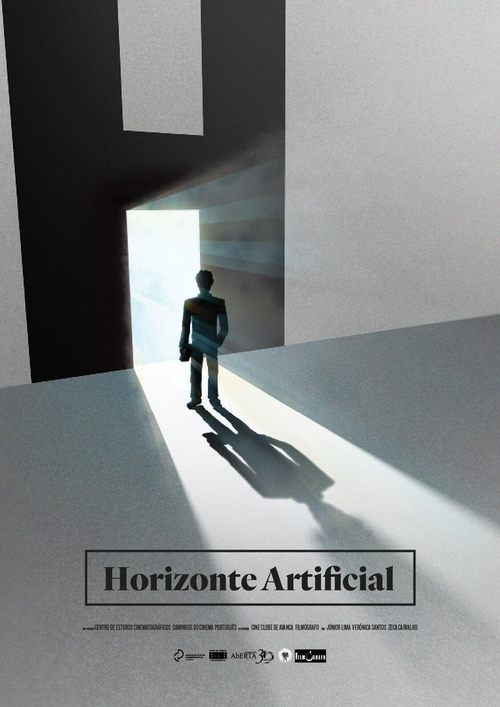
Álvaro Cordeiro, a failed and depressed writer, fights against a creative block that keeps him from writing his next book. Leonel Carraça, producer of popular television works, discovers Álvaro and invites him to write his next novel. The writer resists the invitation, believing that his talent is to write the classic "great literature." However, financial difficulties make him accept.
Artificial Horizon
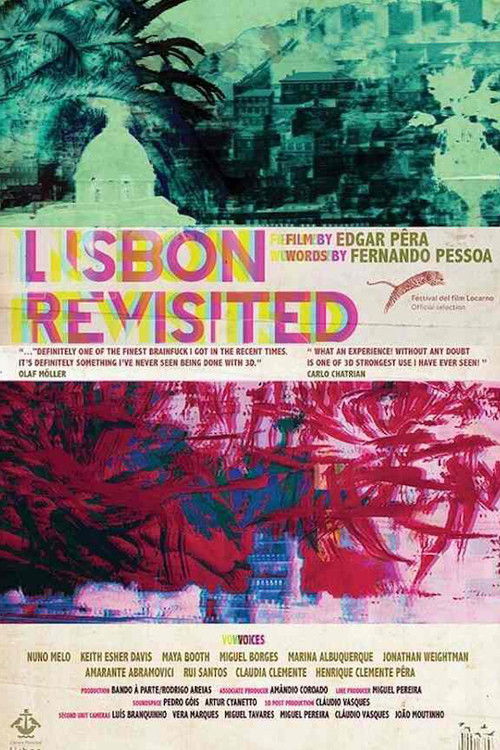
A dreamlike journey seen through the eyes of a trans-human as well as a kino-symphony of voices from the multiple personas of Fernando Pessoa, Lisbon Revisited shows alternative ways of looking at and hearing the city. Celebrating its greatest phantom and confronting his ambiguous and pervasive sexuality, the film is spoken in the three languages in which Pessoa wrote, Portuguese, English and French.
Lisbon Revisited
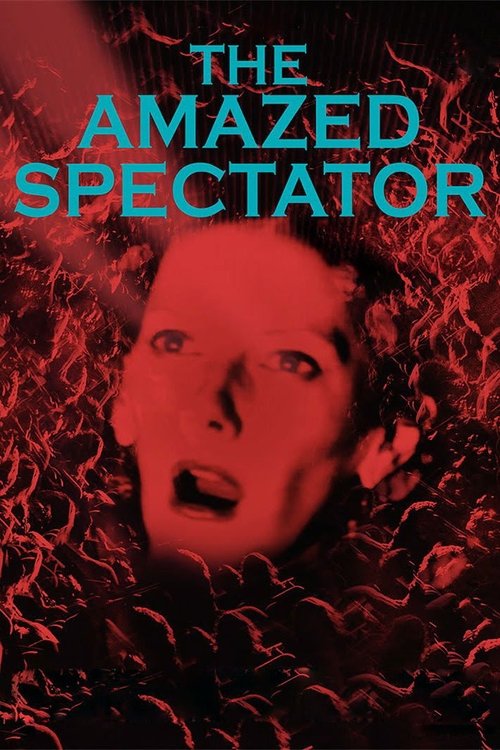
A kino-investigation about spectatorship, a continuous conversation between different kinds of spectators: which one is more cinema: Citizen Kane on a mobile phone or a football game projected in a cinema theatre? What is the cinema of uncertainty? How many kinds of amazement exist? Does fear and belief precede amazement? What are the rights and duties of the spectator? Is the essay film a manifesto against voyeurism? Should spectators be paid? What amazes the spectator of this day and age?
The Amazed Spectator

No description available.
O Anel
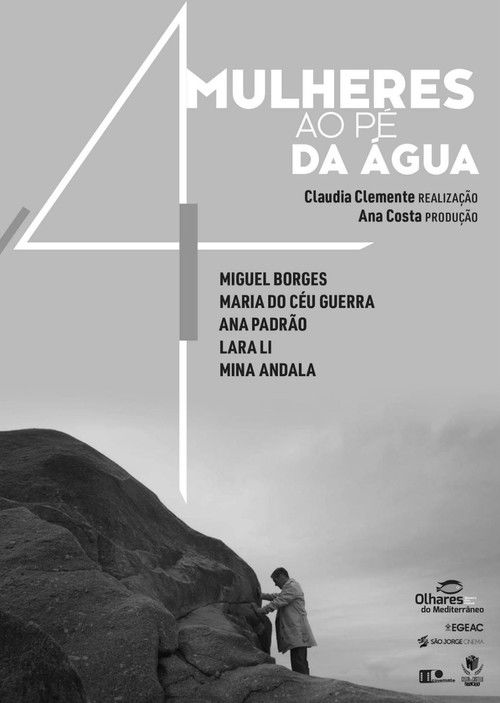
A man died under mysterious circumstances. An insurance company expert has to visit the four women in his life - his mother, his widow, his daughter and his mistress - to find out the causes of death. With each account, the deceased will appear in a new light, to the point where it is doubtful that it is the same man.
Quatro Mulheres ao Pé da Água
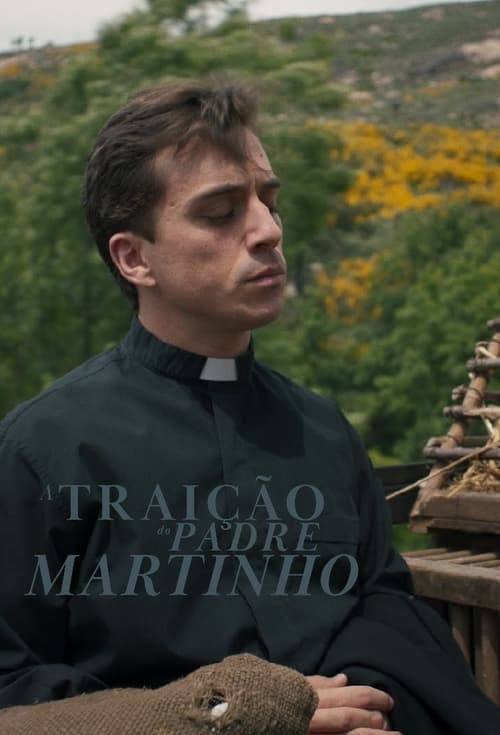
In a small Portuguese village in the late 1960s, a young priest sides with the population in their struggle for better living and working conditions. Following complaints from the industrialist who employs most of the village's population, the bishop decides to transfer the priest to another parish. When the people learn of his forced departure, they revolt and unite to prevent the priest from leaving the village.
A Traição do Padre Martinho

In the 1960s, António, an agent of the PIDE, is assigned to follow Aurora to Paris, a young woman suspected of oppositionism. It is May 1968, and during the student revolt, the two young people fall in love. Back in Porto, their forbidden passion ends abruptly. For decades, António writes Aurora letters that she keeps unopened. When the correspondence is unexpectedly interrupted, both give up on life. Based on the director's novel entitled "A Casa Azul" (The Blue House).
O dia em que as cartas pararam
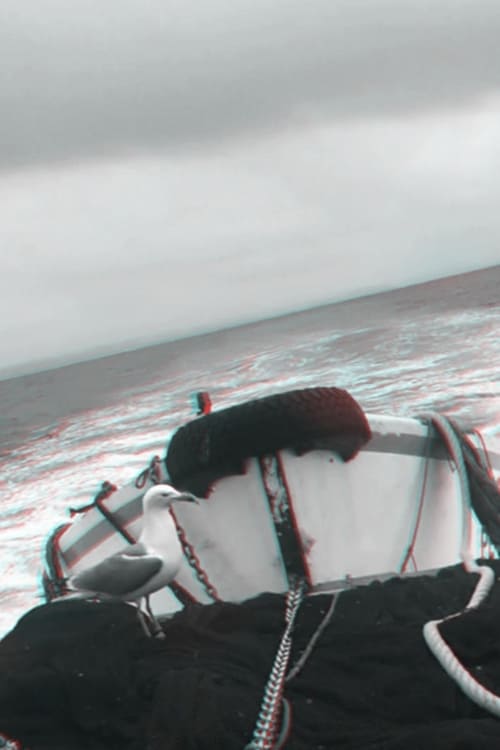
"Oh salty sea, how much of your salt / Are tears of Portugal! / To get across you, how many mothers cried, / How many sons prayed in vain! // How many brides were never to marry / In order to make you ours, oh sea! / Was it worth it? Everything is worthy / If the soul is not small." (Fernando Pessoa)
Portuguese Sea

At the end of the 19th century, a woman receives an invitation to travel through time across the Douro, meeting an unknown person from the 21st century.
Blind Date
Abel Salazar, a scientist and an artist persecuted by the Fascist regime in the 40ies, is trying to finish a portrait, obsessed by the face of a woman. Ana, a young researcher in the present days, is dreaming about him. Or is it the other way round?
The Portrait
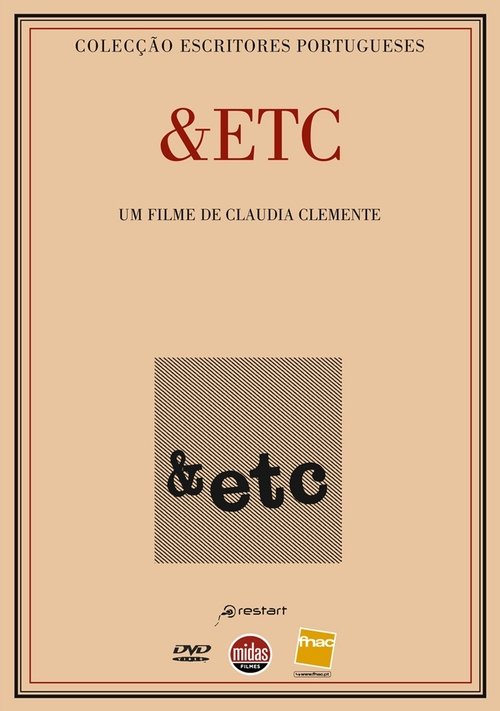
& etc was created in 1973. It is a small publisher, which since then and until today is governed by quite singular parameters - not for profit, does not publish "commercial" works, publishes unknown authors. It has become, over the years, a reference in the national panorama, known both for the plastic / aesthetic side of its square books and for the published characters, such as, for example, João César Monteiro, Adília Lopes or Alberto Pimenta, some of the most alternatives. Victor Silva Tavares and Rui Caeiro recall some episodes during the three decades of operation of this publishing house.