Camera
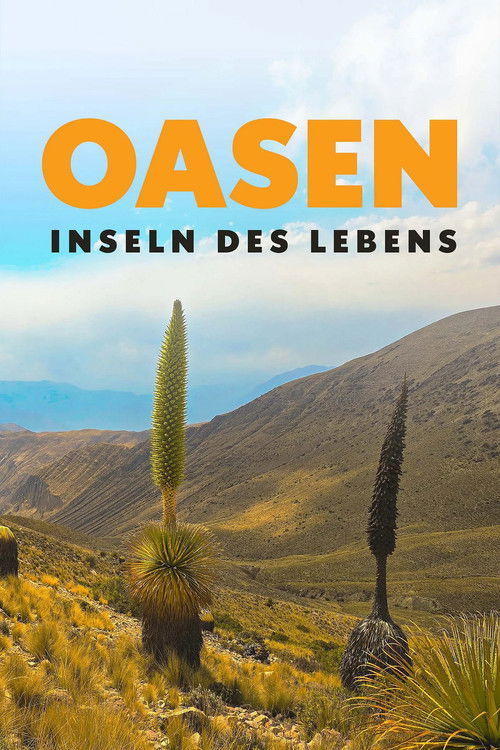
Oases are more than fairytale places in the desert sand. Amidst the stony heights of the Andes, the endless expanse of the Pacific, or the hectic concrete sausages of Mumbai, islands of life flourish. In breathtaking shots, the documentary explores the phenomenon of oases – and the magical places in the Saharan sand are of course included.
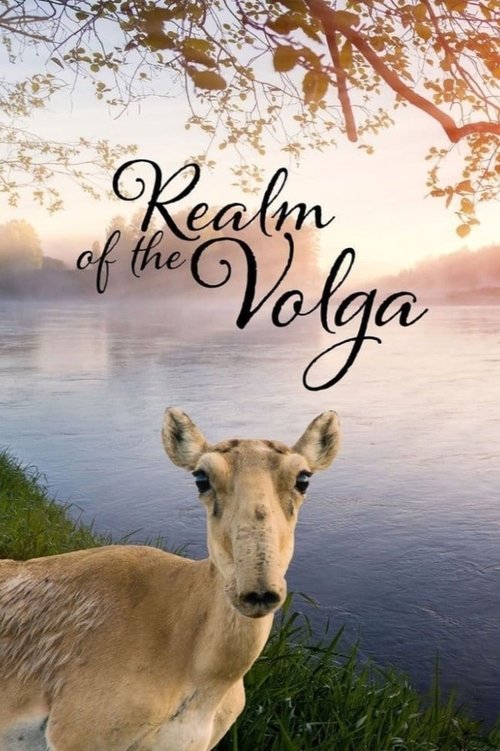
The Volga is a myth, a unique river of superlatives and the natural lifeline of Russia. With a length of more than 3,500 kilometers, it is the most powerful and water-rich river in Europe. Their catchment area is larger than France, Spain and Portugal combined. While all the other great rivers on earth flow into an ocean, the Volga fills its own sea, the largest inland lake on earth, the Caspian Sea. On the way there it flows through rustic forest areas, through wide steppes and dry semi-deserts, each of which is home to a unique wildlife. In three years of filming and on countless expeditions, the Altayfilm team and their Russian colleagues managed to capture the fascinating stream in grandiose pictures and to fully portray it for the first time. Opulent pictures and breathtaking aerial photographs alternate with animal behavior that has rarely been documented before, told with fine humor and a special lightness.
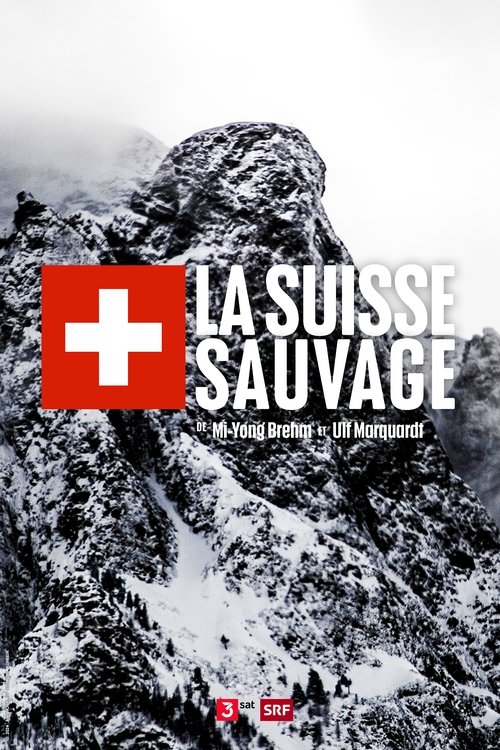
In the heart of Europe lies Switzerland. In its midst yet apart from it, like an island. The Swiss Confederation holds a special position not only politically and historically – in particular, its scenic diversity is something really special: majestic mountains, lush green valleys, craggy rock landscapes and Mediterranean lakes all close together in one small geographical location. Switzerland is proud of its distinction and autonomy, reflected amongst other things in its different cantons and linguistic regions. Each episode in our series “Wild Faces of Switzerland“ seeks to do justice to this diversity.
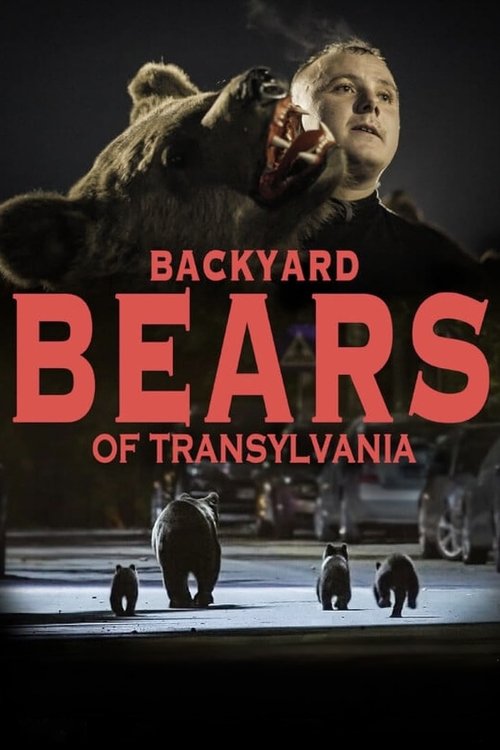
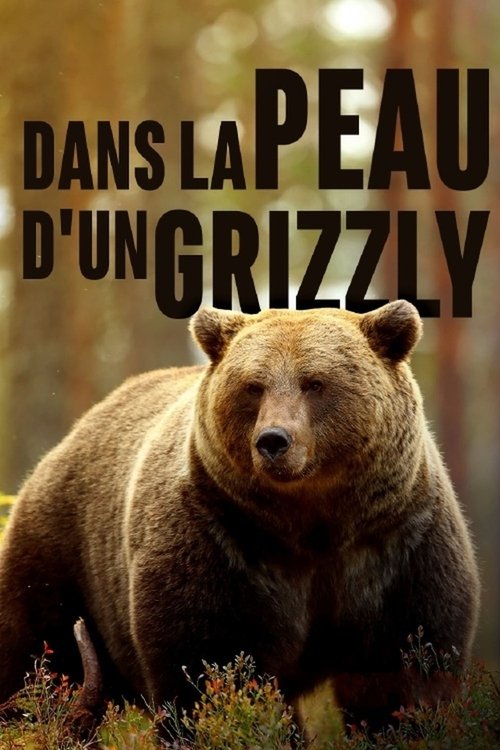
No other country in Europe has more bears than Romania. There are probably over 6000. Especially in Transylvania, they often come dangerously close to humans. As a result, people in many places are at their wits' end. The film follows a female bear and her three cubs as they leave the protection of the Carpathian forests and become 'problem bears'. Their dramatic fate highlights the challenges of bear-human coexistence. Is there still a common future in densely populated Europe?
No description available.
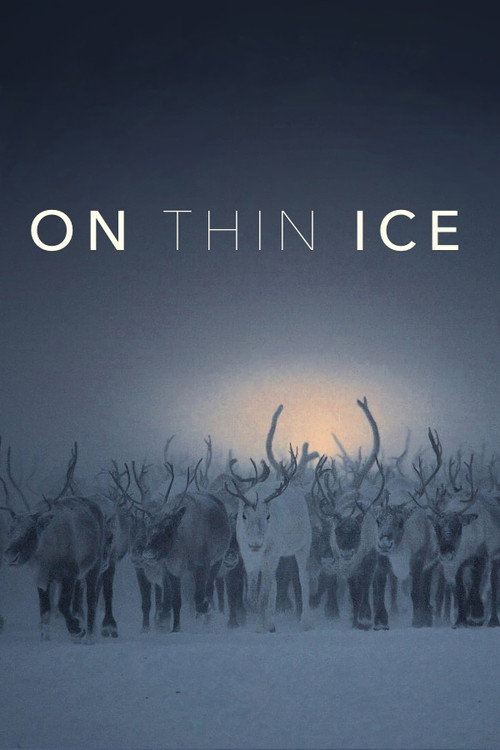
Climate change has reached the indigenous Nenets people in the north of Siberia. The nomads' herds of reindeer move on thin ice. The warming in the Russian Arctic is becoming dramatically visible. Huge craters open in the thawing permafrost and expose dangerous viruses and bacteria. Forest floors dry out and the taiga catches on fire. The pack ice off the coast is melting and depriving polar bears of their habitat so that they approach human settlements in their desperation. The changes in the nature of the Arctic Circle combine with the measurements of researchers and observations of the indigenous people to form a disturbing overall picture: In the Russian Arctic, Pandora's box has been opened! The film team had the chance to shoot in regions that were been restricted areas for decades. The documentary shows in impressive and depressing images already existing effects, phenomena and ominous interlinkages of global warming.
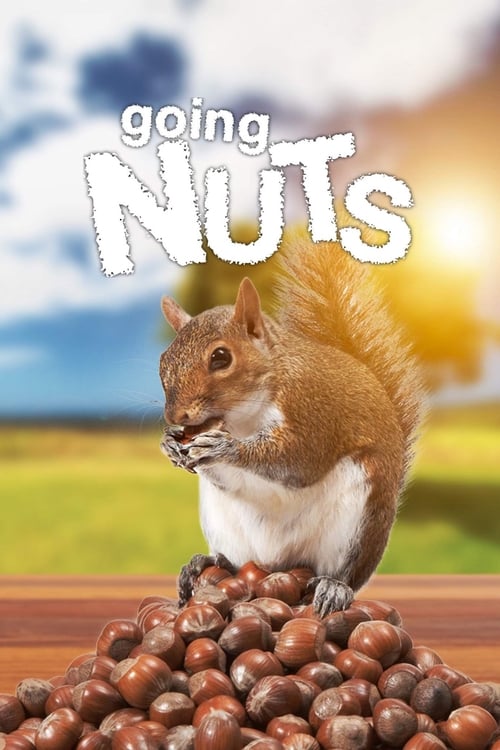
Squirrels are among the most widely known and recognized mammals. In many parts of the world they gladly join us for our lunches in city parks, amaze us with their acrobatics and entertain our children as cartoons on TV. Squirrels live in an extraordinarily diverse range of habitats. Some can fly, some can swim, some live in trees or underground, others love icy wastelands or burning hot deserts. But don’t let their cuteness fool you! They may be small, but squirrels are one of the most successful species on the planet. And they have big families. This blue-chip documentary explores some of the most fascinating squirrel species and shows how they became so successful dealing with extreme environments and curious (human) neighbors. 'Going Nuts' unveils the enchanting world of one of the “most watched” mammals on the planet.