Heo Chul-nyung
Directing
Biography
After graduating from the School of Film, TV, & Multimedia at Korea National University of Arts, Heo Chul-nyung majored in documentary at the KNUA graduate school. He served as co-director of the short documentary A Noted Place (2010), and then directed his first feature documentary The Remanent People (2012). This film was screened in the competition section of the DMZ International Documentary Film Festival and the Seoul Independent Film Festival. He was also invited to the Busan International Film Festival and the Seoul Independent Film Festival with The Whispering Trees in 2017.
Known For
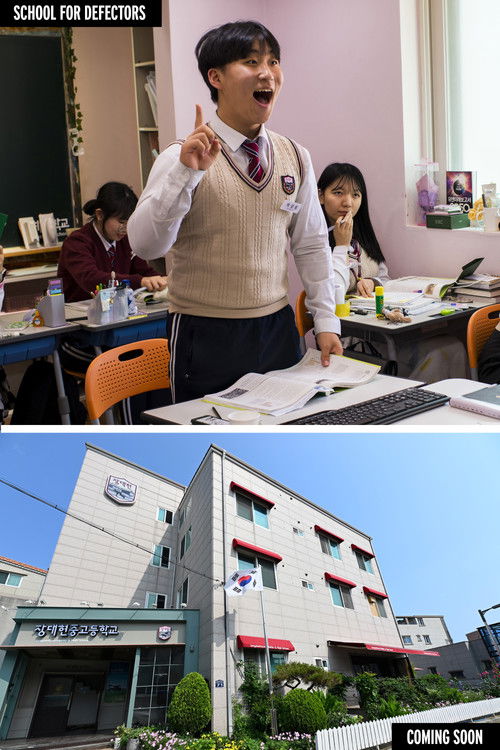
In an industrial corner of Busan, South Korea, stands the tiny Jangdaehyun School. It is home to 20 students, all of whom are North Korea defectors. With unprecedented access to a community never seen on film, SCHOOL FOR DEFECTORS gives voice to young people whom the world might otherwise overlook—illuminating not just what they’ve endured, but who they are about to become.
School for Defectors
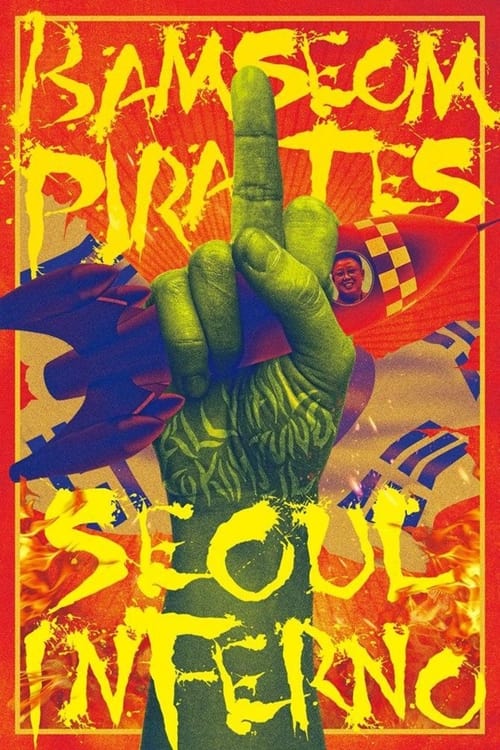
Grindcore punks Bamseom Pirates make music suitable for a sick society.
Bamseom Pirates Seoul Inferno
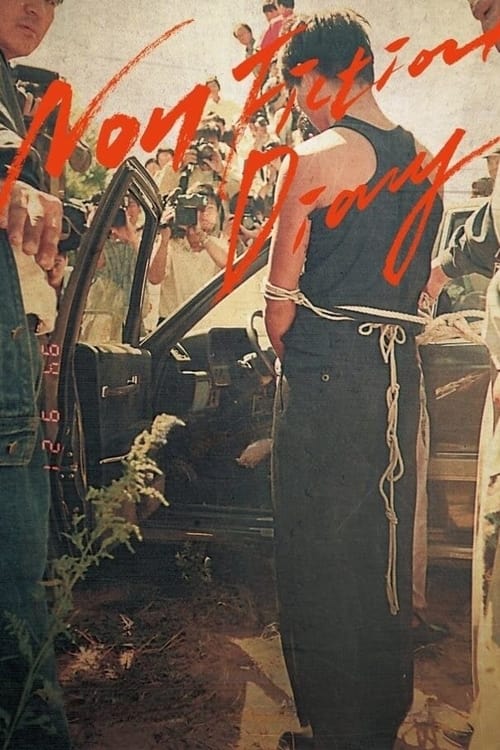
What happened in Korean society in the 1990s? The film starts with the Jijon-pa (Supreme Gangsters) case. The shocking story is narrated through the discussion by the two detectives who arrested the gangsters, of details of the roundup, data screens, and the death sentence. Nevertheless, Nonfiction Diary’s focus is not on the crime story. Starting from Jijon-pa onwards, the film reflects on the 1990s, when Korea digressed into contemporary history. The Seongsu Bridge and the Sampoong Department Store’s collapses are recalled, followed by the then-government’s punishment of the May 18 Uprising leaders, revealing the Korean legal system’s death penalty status, touching on political and power issues. The audience is reminded that today, 2013, is an extension of that same flow.
Non Fiction Diary
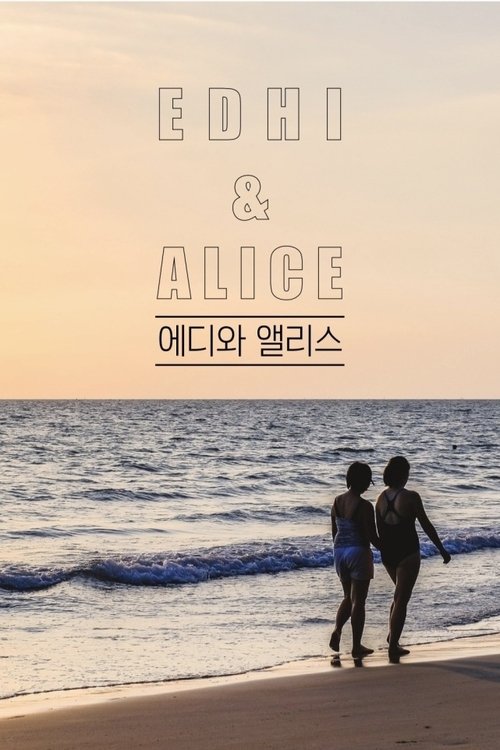
Edhi Alice: REVERSE begins from the perspective of Edhi, who is about to undergo gender confirmation surgery, and transitions into the journey of another protagonist, Alice, as she comes to terms with her body. The narrative of transition expands beyond a personal life story to encompass relationships, bodily experiences, and the sense of space, becoming a cinematic transformation.
Edhi Alice: REVERSE
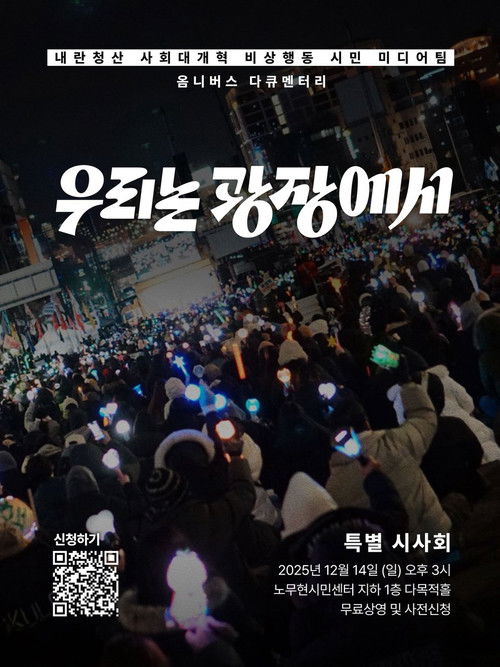
Ep1. The Martyr and the Left: Under the Yoon Suk-yeol administration, construction workers were branded as “construction gangsters,” forced to endure a period of hardship. Ep2. Purple Ribbon: Wearing purple jackets and holding purple light sticks, the families of the victims of the October 29 Itaewon Disaster stand out on the street. Ep3. Dream, Breath: “I” keep waking up from dreams of being chased, a recurring cycle that haunts me day after day. Ep4. Breaking the Silence: Chai-han, who once said their dream was to become a human-rights activist, gradually grows distant from that dream after entering university. Ep5. Dancing Volunteer: After the December 3 martial law was declared, Park Pyeong-hwa felt compelled to return to the square. Ep6. Beyound the Impeachment: We interviewed a diverse group of people who came to the square after the December 3 uprising.
Where We Become Us
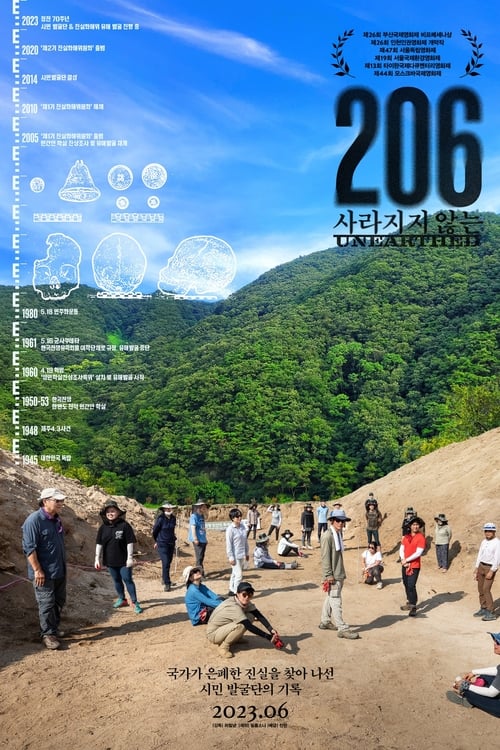
After the dissolution of the Truth and Reconciliation Commission, which was launched as a South Korean government organization in 2005, civic groups and bereaved families wishing to complete the mission the government had failed to accomplish form a joint organization to investigate the remains of civilians who were massacred during the Korean War. A three-year-long documentary about the organization’s three-year-long excavation efforts, 206: Unearthed is a record of sunlight, dirt, and sweat.
206: Unearthed
No description available.
Emergency 12.3
A documentary about 90-year-old KIM Mal-hae who never gives up on life even on the threshold of death. This film depicts tragic moments in Korean society starting with the National Bodo League Massacre and the more recent struggle against the building of transmission towers in Miryang, revealing the sometimes silent and sometimes defiant personal struggle of one elderly woman. “If only I could read, then my life would have a beginning and end” is the start of what will be Mal-hae’s first and last confession.