Malcolm X
Acting
Biography
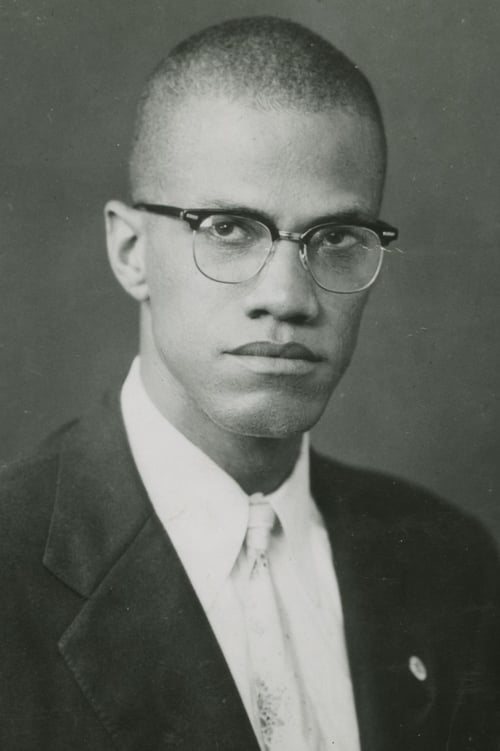
Malcolm X (May 19, 1925 – February 21, 1965), born Malcolm Little and also known as El-Hajj Malik El-Shabazz was an African-American Muslim minister, public speaker, and human rights activist. To his admirers, he was a courageous advocate for the rights of African Americans, a man who indicted white America in the harshest terms for its crimes against black Americans. His detractors accused him of preaching racism, black supremacy, antisemitism, and violence. He has been called one of the greatest and most influential African Americans in history, and in 1998, Time named The Autobiography of Malcolm X one of the ten most influential nonfiction books of the 20th century. Malcolm X was born in Omaha, Nebraska. The events of his childhood, including his father's lessons concerning black pride and self-reliance, and his own experiences concerning race played a significant role in Malcolm X's adult life. By the time he was thirteen, his father had died and his mother had been committed to a mental hospital. After living in a series of foster homes, Malcolm X became involved in a number of criminal activities in Boston and New York City. In 1946, Malcolm X was sentenced to eight to ten years in prison. While in prison, Malcolm X became a member of the Nation of Islam, and after his parole in 1952 he became one of the Nation's leaders and chief spokesmen. For nearly a dozen years he was the public face of the controversial group. Tension between Malcolm X and Elijah Muhammad, head of the Nation of Islam, led to Malcolm X's quitting the organization in March 1964. He subsequently traveled extensively throughout Africa and the Middle East and founded Muslim Mosque, Inc., a religious organization, and the secular Organization of Afro-American Unity, which advocated Pan-Africanism. Less than a year after he left the Nation of Islam, Malcolm X was assassinated by three members of the group while giving a speech in New York. The beliefs expressed by Malcolm X changed during his lifetime. As a spokesman for the Nation of Islam he taught black supremacy and deified the leaders of the organization. He also advocated the separation of black and white Americans, which put him at odds with the civil rights movement, which was working towards integration. After he left the Nation of Islam in 1964, Malcolm X became a Sunni Muslim, made the pilgrimage to Mecca and disavowed racism, while remaining a champion of black self-determination, self defense, and human rights. He expressed a willingness to work with civil rights leaders and described his previous position with the Nation of Islam as that of a "zombie". Description above from the Wikipedia article Malcolm X, licensed under CC-BY-SA, full list of contributors on Wikipedia.

Known For

Since it began in 1983, Frontline has been airing public-affairs documentaries that explore a wide scope of the complex human experience. Frontline's goal is to extend the impact of the documentary beyond its initial broadcast by serving as a catalyst for change.
Frontline

TV's most-watched history series brings to life the compelling stories from our past that inform our understanding of the world today.
American Experience

This documentary series, made in partnership with Vox, explain some of the world's current trends, from politics, to science to pop culture.
Explained

World in Action was Granada Television’s flagship ITV current affairs series, running from 7 Jan 1963 to 7 Dec 1998, and built a reputation for film-led investigative reporting and a forceful editorial stance. Its journalism produced major public and political repercussions—including investigations associated with miscarriages of justice such as the Birmingham Six—and it also served as a platform for landmark documentary projects, including the first broadcast of “Seven Up!” as part of the strand in 1964.
World in Action

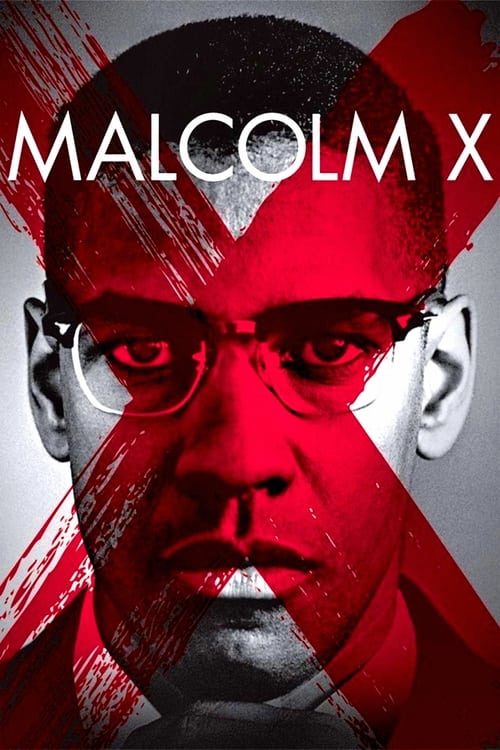
A tribute to the controversial black activist and leader of the struggle for black liberation. He hit bottom during his imprisonment in the '50s, he became a Black Muslim and then a leader in the Nation of Islam. His assassination in 1965 left a legacy of self-determination and racial pride.
Malcolm X

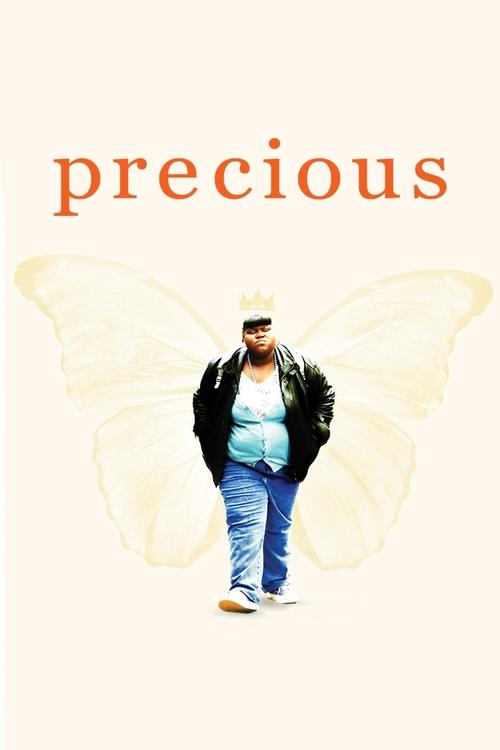
In Harlem in 1987, Claireece "Precious" Jones is a 16-year-old African American girl born into a life no one would want. She's pregnant for the second time by her absent father, and at home she must wait hand and foot on her mother, an angry woman who abuses her emotionally and physically. School is chaotic and Precious has reached the ninth grade with good marks and a secret – she can't read.
Precious: Based on the Novel 'Push' by Sapphire

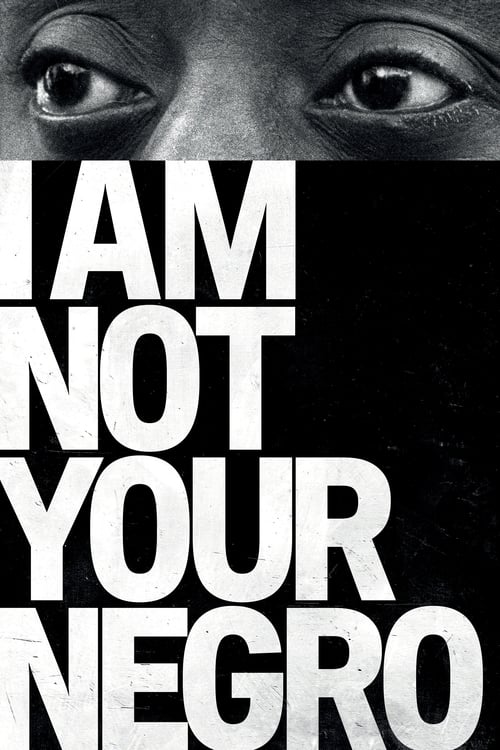
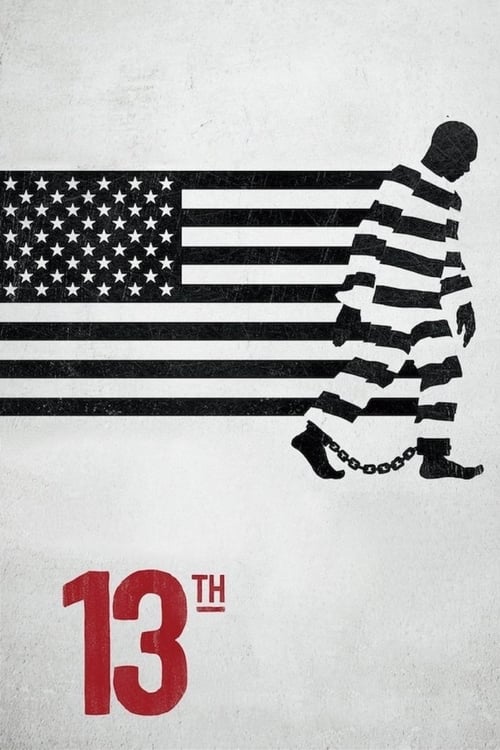
An in-depth look at the prison system in the United States and how it reveals the nation's history of racial inequality.
13th

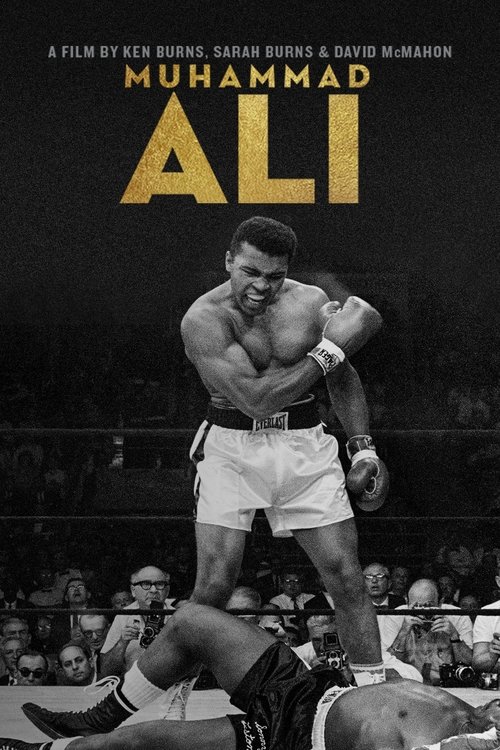
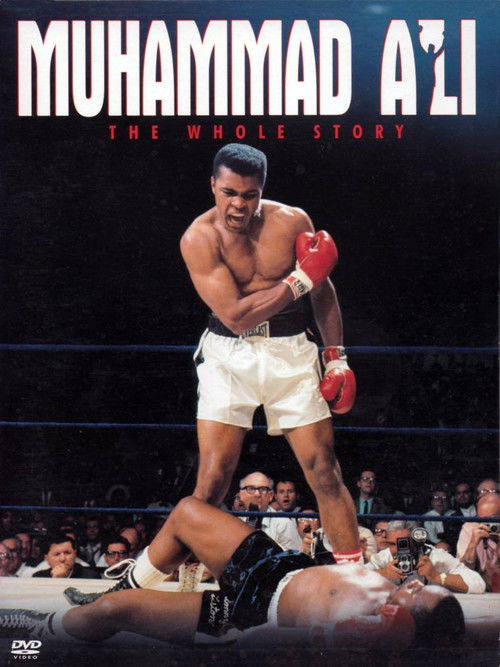
Muhammad Ali brings to life the iconic heavyweight boxing champion who became an inspiration to people everywhere.
Muhammad Ali

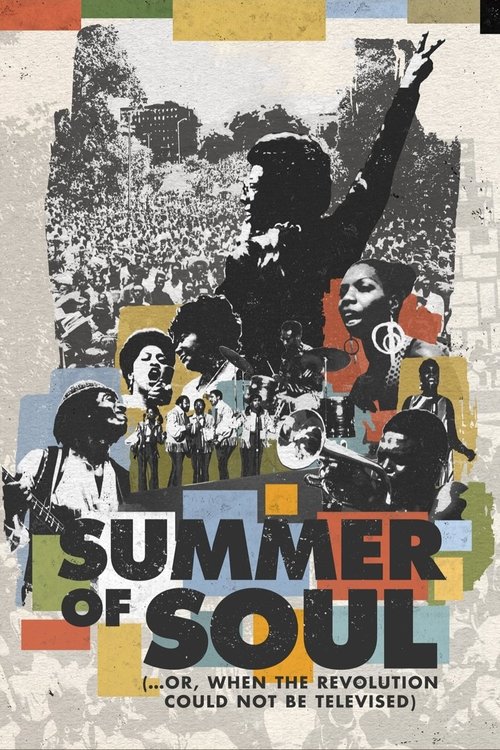
During the same summer as Woodstock, over 300,000 people attended the Harlem Cultural Festival, celebrating African American music and culture, and promoting Black pride and unity. The footage from the festival sat in a basement, unseen for over 50 years, keeping this incredible event in America's history lost — until now.
Summer of Soul (...Or, When the Revolution Could Not Be Televised)

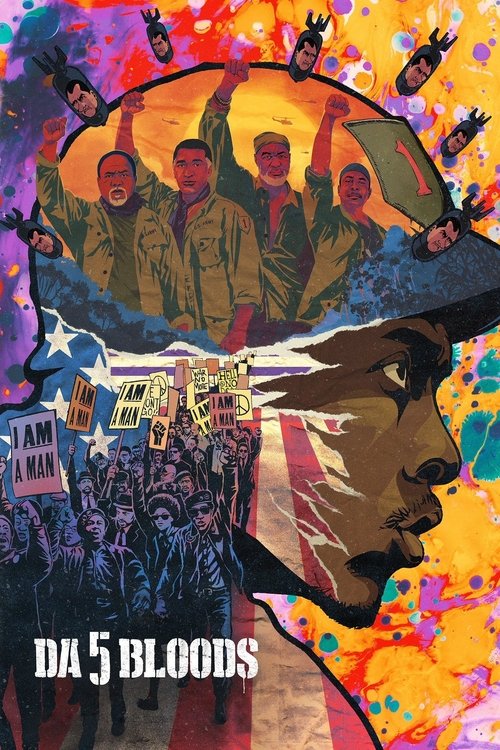
Four African-American Vietnam veterans return to Vietnam. They are in search of the remains of their fallen squad leader and the promise of buried treasure. These heroes battle forces of humanity and nature while confronted by the lasting ravages of the immorality of the Vietnam War.
Da 5 Bloods

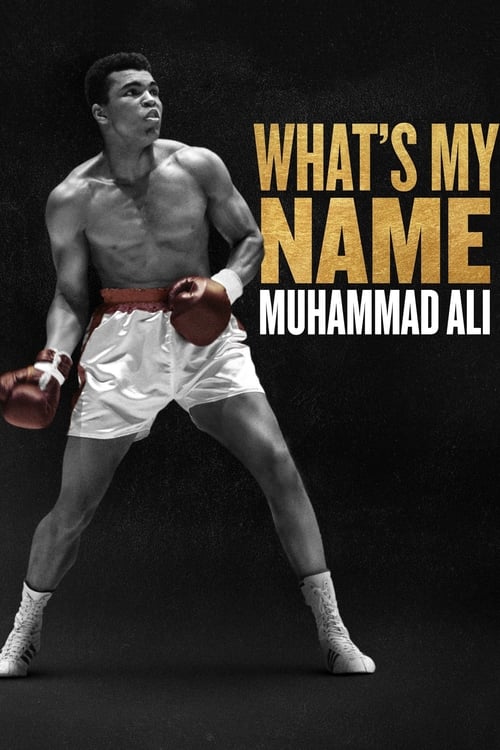
Explore Ali’s challenges, confrontations, comebacks and triumphs through recordings of his own voice. The two-part documentary paints an intimate portrait of a man who was a beacon of hope for oppressed people around the world and, in his later years, was recognized as a global citizen and a symbol of humanity and understanding.
What's My Name | Muhammad Ali

The second "visual album" (a collection of short films) by Beyoncé, this time around she takes a piercing look at racial issues and feminist concepts through a sexualized, satirical, and solemn tone.
Lemonade

From the 1950s to the present day, from Los Angeles to San Francisco via Berkeley University or Silicon Valley, this three-part documentary series unfolds the recent history of California, which is revolutionizing the world by its way of life and its incredible capacity for innovation.
La Californie !

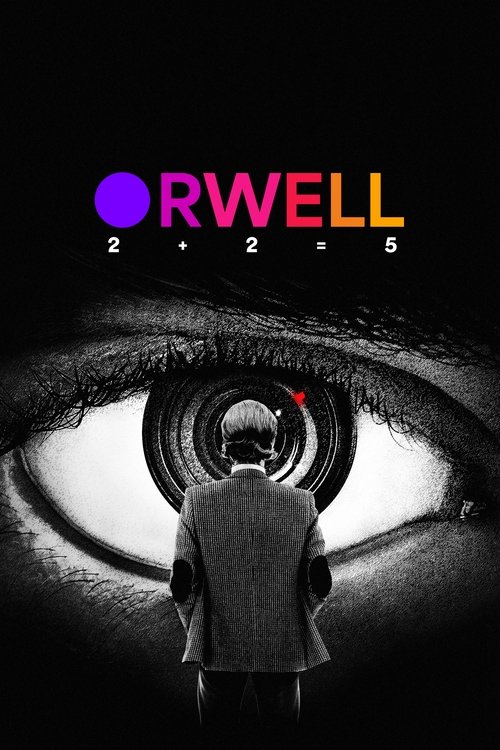
George Orwell was one of the most visionary authors of the 20th century, whose novels 1984 and Animal Farm foretold a chilling, authoritarian future. Acclaimed director Raoul Peck interweaves clips, readings from Orwell's diary, cinematic references, and modern-day footage to craft not only a portrait of the writer, but a fresh take on how prophetic his work has become.
Orwell: 2+2=5

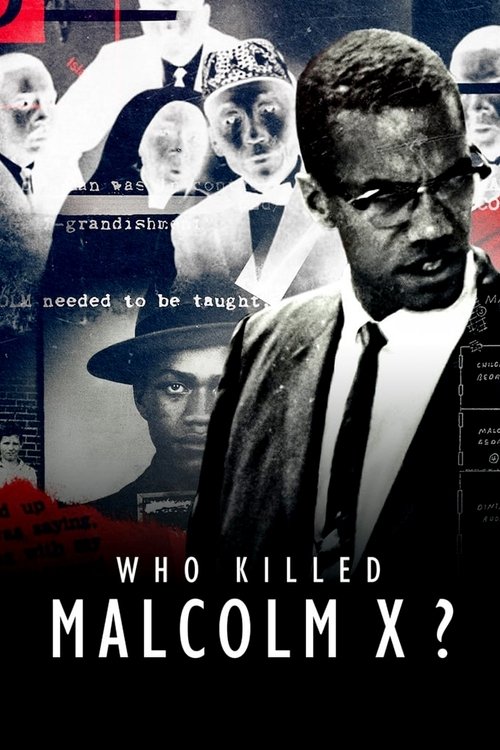
Decades after the assassination of African American leader Malcolm X, an activist embarks on a complex mission seeking truth in the name of justice.
Who Killed Malcolm X?

King: Man of Peace in a Time of War documents the work Martin Luther King did in attempting to bring peace to people during the turmoil of the Vietnam War and the Civil Rights Movement. The film includes interviews with contemporaries such as Jesse Jackson, and military experts like Colin Powell.
King: Man of Peace in a Time of War
illustrates how directors pushed boundaries and altered the art of filmmaking during the turbulent, swinging 1960s. Narrated by Woody Harrelson, "Reel Radicals" features clips from such seminal films as Arthur Penn's "Bonnie and Clyde" (1967); Mike Nichols' "The Graduate" (1967); Dennis Hopper's "Easy Rider" (1969); John Frankenheimer's "The Manchurian Candidate" (1962); Stanley Kubrick's "Dr. Strangelove" (1964) and "2001: A Space Odyssey" (1968); John Schlesinger's "Midnight Cowboy" (1969); Richard Brooks' "Elmer Gantry" (1960) and "In Cold Blood" (1967); and Norman Jewison's "In the Heat of the Night" (1967) and "The Thomas Crown Affair" (1968). Frankenheimer, Jewison, Hopper, Schlesinger, Penn, Buck Henry, Paul Mazursky, Roger Corman and Arthur Hiller are among the filmmakers who discuss the decade.
Reel Radicals: The Sixties Revolution in Film

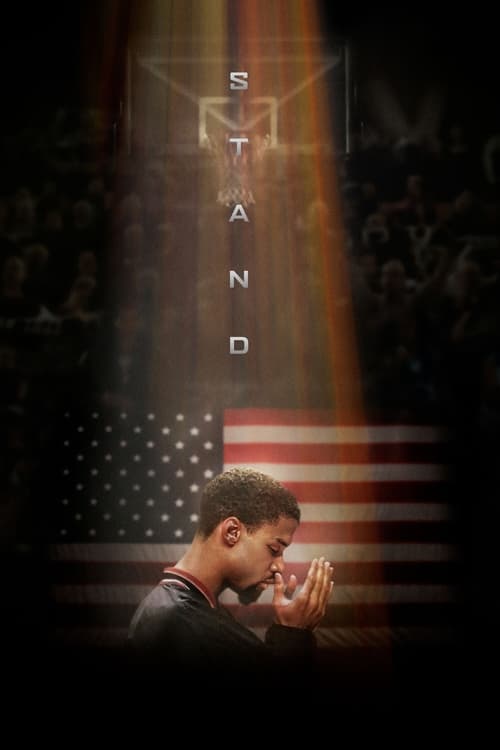
Raw and unflinching examination of the courageous life of basketball star and social justice activist Mahmoud Abdul-Rauf. Born Chris Jackson, he overcame tremendous adversity to reach the NBA and found his true calling when he converted to Islam. His decision not to stand for the national anthem, however, turned him from prodigy to pariah. Told candidly by Abdul-Rauf himself more than 20 years later it’s the remarkable story of one man who kept the faith and paved the way for a social justice movement.
Stand

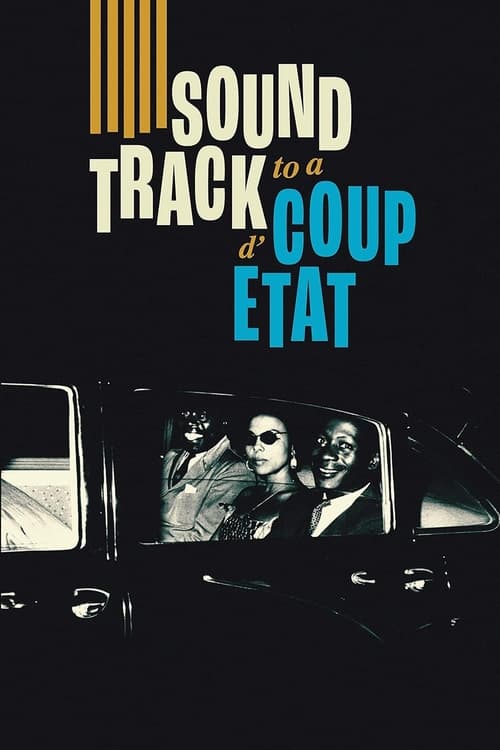
Jazz and decolonization are intertwined in a powerful narrative that recounts one of the tensest episodes of the Cold War.
Soundtrack to a Coup d'Etat

The history of New York City's Apollo Theater in Harlem is given the full treatment.