Directing
The residents of Coronation Street are ordinary, working-class people, and the show follows them through regular social and family interactions at home, in the workplace, and in their local pub, the Rovers Return Inn. Britain's longest-running soap.
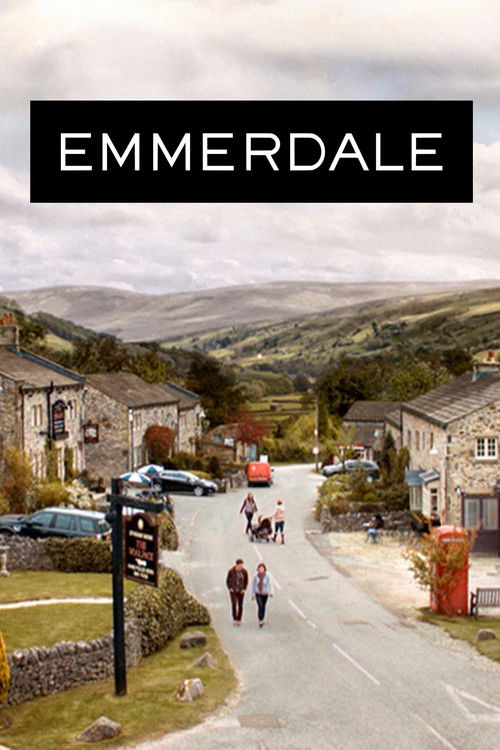
The lives of several families in the Yorkshire Dales revolve around a farm and the nearby village. With murders, affairs, lies, deceit, laughter and tears, it's all there in the village.
Play for Today is a British television anthology drama series, produced by the BBC and transmitted on BBC1 from 1970 to 1984. During the run, more than three hundred programmes, featuring original television plays, and adaptations of stage plays and novels, were transmitted. The individual episodes were between fifty and a hundred minutes in duration.
Crown Court is an afternoon television courtroom drama produced by Granada Television for the ITV network that ran from 1972, when the Crown Court system replaced Assize courts and Quarter sessions in the legal system of England and Wales, to 1984.
The daily lives of the men and women at Sun Hill Police Station as they fight crime on the streets of London. From bomb threats to armed robbery and drug raids to the routine demands of policing this ground-breaking series focuses as much on crime as it does on the personal lives of its characters.
ITV Playhouse is a British comedy-drama TV series that ran from 1967 to 1983, which featured contributions from playwrights such as Dennis Potter, Rhys Adrian and Alan Sharp. The series began in black and white, but was later shot in colour and was produced by various companies for the ITV network, a format that would inspire Dramarama. Actors appearing in the series included Leslie Anderson, Gwen Nelson, Ricky Alleyne, Pat Heywood, Michael Elphick, Ian Hendry, Edward Woodward, Margaret Lockwood, Jessie Matthews and Lloyd Peters.
An anthology of short plays shown on BBC Television between 1965 and 1973, used in part at least as a training ground for new writers, on account of its short length, and which therefore attracted many writers who later became well known.
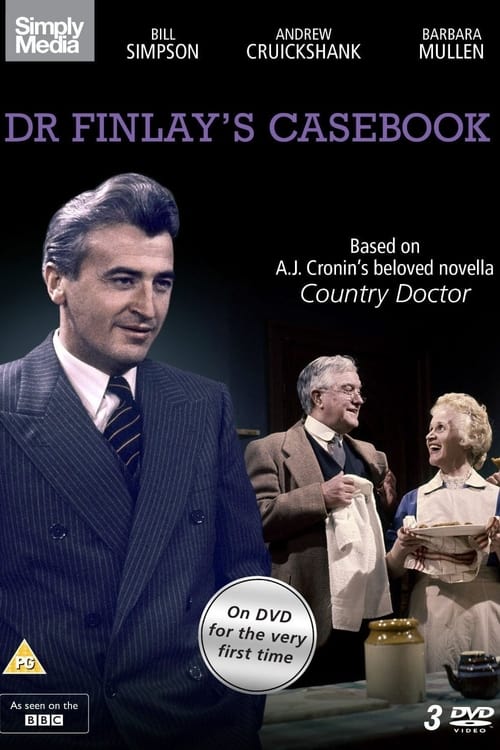
Dr Finlay's Casebook is a BBC television series that was broadcast from 1962 until 1971. Based on A. J. Cronin's novella Country Doctor, the storylines centred on a general medical practice in the fictional Scottish town of Tannochbrae during the late 1920s.
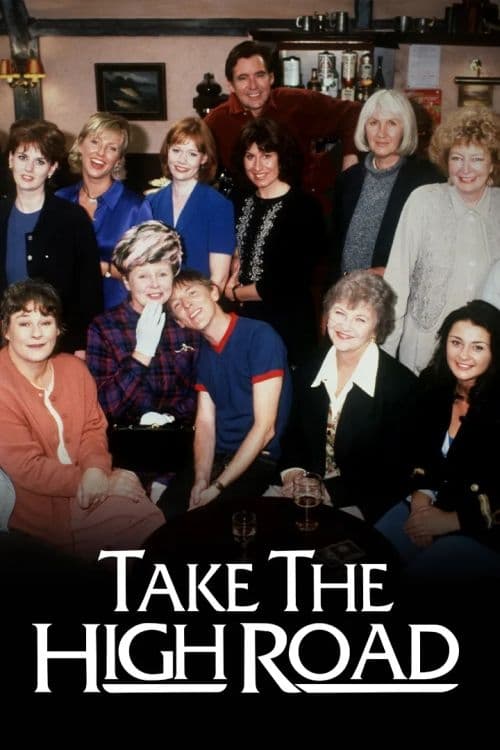
Take the High Road was a British soap opera produced by Scottish Television, set in the fictional village of Glendarroch, which started in February 1980 as an ITV daytime soap opera, and was dropped by the network in 1993, although various members of the ITV Network continued to screen the programme, while others had no interest in doing so. The programme has developed a cult following.
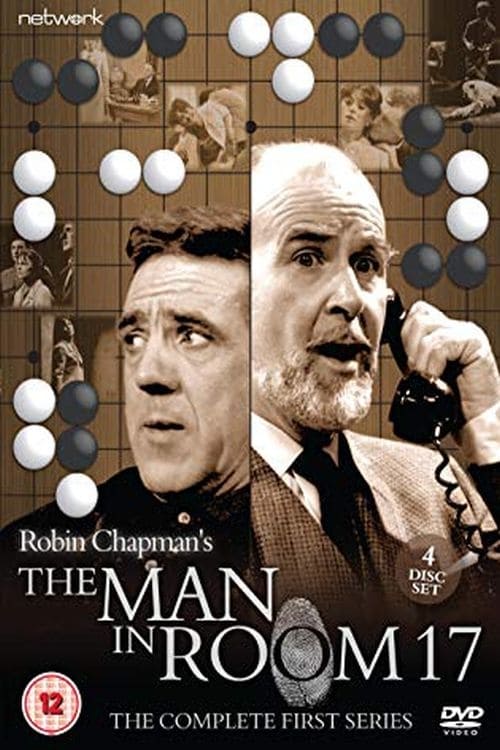
The Man in Room 17 is a British television series which ran for two seasons in the mid-1960s, produced by the Northern ITV franchise, Granada Television. Key to the series' success was the involvement of writer/producer Robin Chapman. The show was set in Room 17 of the Department of Social Research, where former wartime agent-turned-criminologist Edwin Oldenshaw solved difficult police cases through theory and discussions with his assistants. The novelty of the series was that Oldenshaw and his colleagues never needed to leave their office in order to resolve cases, preferring to spend their time playing the Japanese board game of Go. They simply provided their prognosis and left the police to do the cleaning up. Different directors were often appointed to film the Room 17 and outside-world scenes independently, to maintain a sense of distance between the two worlds.
Forward thinking anthology of dramas about the emerging problems of a city.
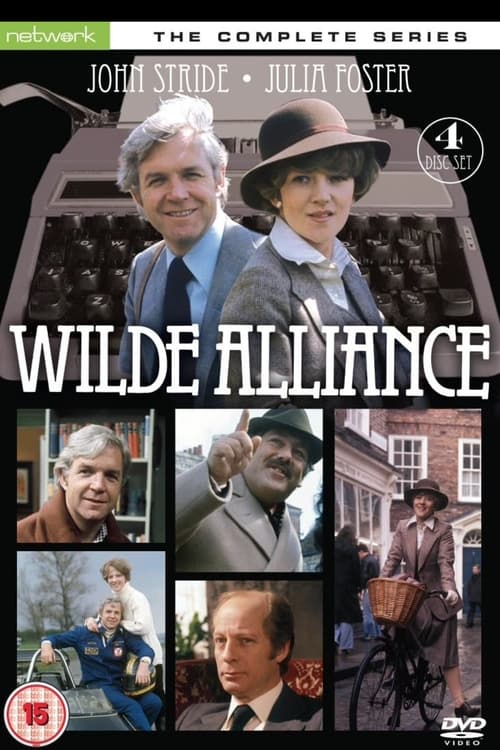
Wilde Alliance is a 1978 British television programme created by Ian Mackintosh and produced by Yorkshire Television for l ITV. The light-hearted mystery series follows husband-and-wife amateur detectives Rupert and Amy Wilde.
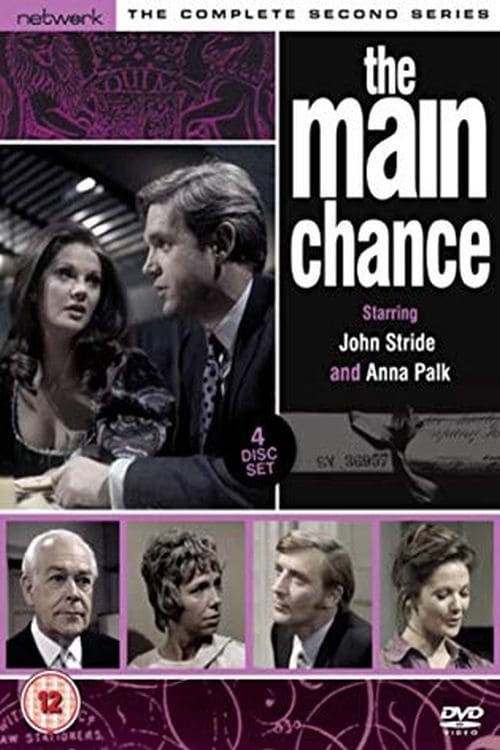
The Main Chance was a British television series which first aired on ITV between 1969,1970,1972 and 1975. A drama, it depicts the sudden transformation in the life of solicitor David Main who relocates from London to Leeds.
Teenage Billy Stanyon faces the loss of his parents in a sailing accident, only to discover that he was adopted. Billy then sets off on a journey to find his biological parents that takes him across Europe.
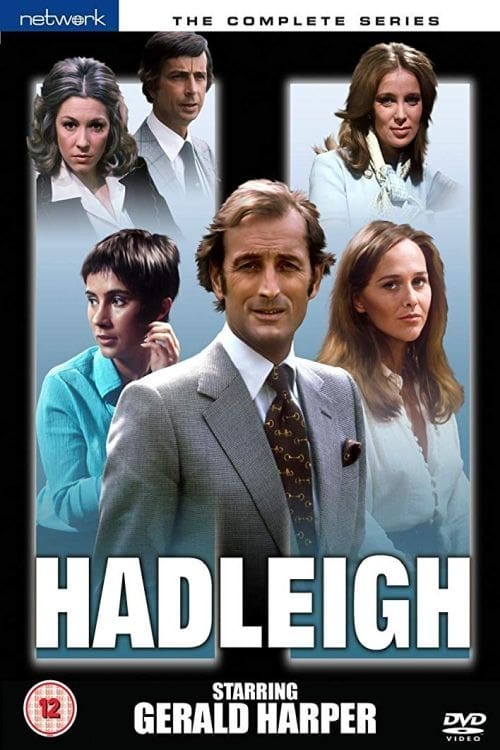
Hadleigh was a British television series made by Yorkshire Television which originally ran from 1969 to 1976. Developed by Robert Barr, it was a sequel to the writer's earlier Gazette for the same company. The theme music was composed by Alan Moorhouse and, from series 3, Tony Hatch. James Hadleigh played by Gerald Harper, was "the perfect squire, paternalistically careful of his tenantry's welfare, beloved in the village, respected in the council." A "knight in a shining white Aston Martin V8, he sets about correcting local injustices." His wife, from a lower-class background, was played by Hilary Dwyer. The series attracted around 17 million viewers at its peak.
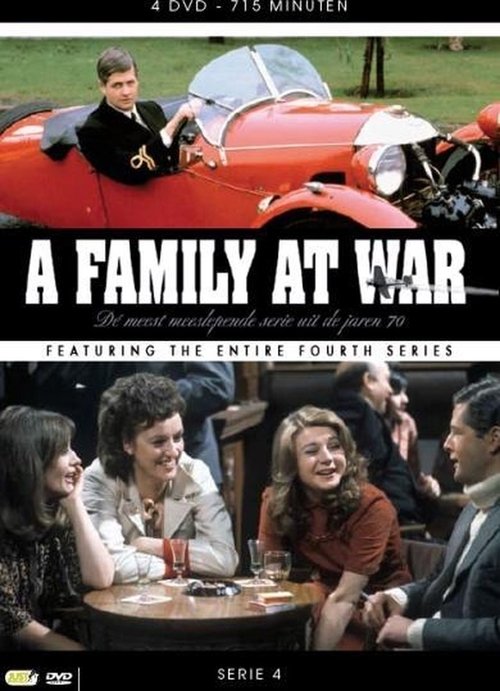
A Family at War is a British drama series created by John Finch and produced by Granada Television for ITV. It broadcast from 14 April 1970 to 16 February 1972. 52 episodes were made, all but eight in colour. Episodes numbers 25 to 32 were recorded in black and white because of the ITV Colour Strike (November 1970 — February 1971). The Ashton family struggles to deal with the harsh realities of the Second World War as their sons are sent away to fight. Those who remain at home in Liverpool live in constant fear of a knock on the door with a telegram from the War Office or the Luftwaffe bombs overhead as they sleep at night.
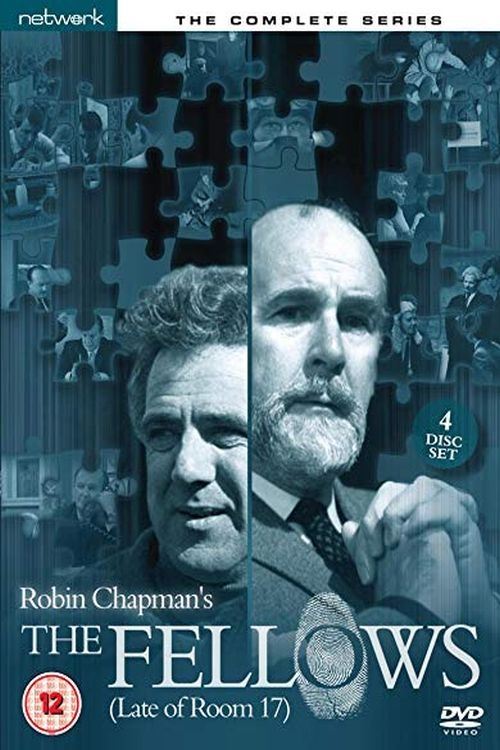
Richard Vernon and Michael Aldridge star as Home Office-appointed criminologists in this clever, humorous and highly original Granada series. Devised and co-written by the award-winning Robin Chapman – the creator of the series’ famous prequel The Man in Room 17 – The Fellows charts the continuing work and often strained relationship of Room 17’s former occupants Oldenshaw and Dimmock. Now appointed to the Peel Research Fellowship at All Saints’ College, Cambridge, they no longer simply solve crimes, trap spies and hunt traitors; their new brief is to investigate the changing nature of crime, ultimately advising the police, legislature and government. But the familiar cat-and-mouse game with the criminal fraternity isn’t over yet, and and their ingeniously unorthodox tactics help to ensnare several lynchpins of organised crime – including infamous gangland boss Spindoe.
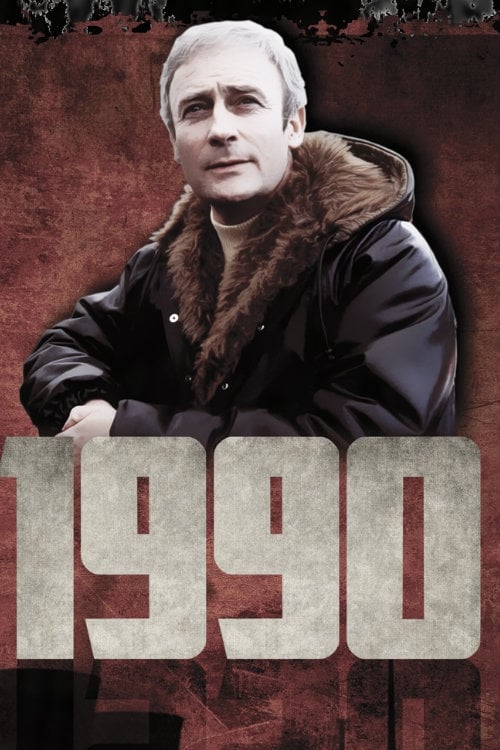
The series is set in a dystopian future in which Britain is under the grip of the Home Office's Department of Public Control (PCD), a tyrannically oppressive bureaucracy riding roughshod over the population's civil liberties. Edward Woodward plays Jim Kyle, a journalist on the last independent newspaper called The Star, who turns renegade and begins to fight the PCD covertly. The officials of the PCD, in turn, try to provide proof of Kyle's subversive activities.
Frank Osbaldistone refuses to join his father's business and travels to stay with his cousins in Scotland, where he is drawn into the conflict surrounding the second Jacobite rising and encounters the outlaw Rob Roy MacGregor.
Inheritance was a 1967 Granada produced ITV drama based on a 1932 novel by Phyllis Bentley. The ten-part period drama revolved around the fortunes of the Oldroyds, a Yorkshire mill owning family from 1812 to 1965. The early part of the series featured the Luddite riots involving the burning of mills and the subsequent execution of those responsible. The series turned the expression "There's trouble at t'mill" into a catchphrase. The series featured Michael Goodliffe, John Thaw and James Bolam in leading roles over the generations. Each new generation saw Goodliffe and Thaw playing father and eldest son with Bolam usually playing the part of the younger son. The series also included later books by Phyllis Bentley including The Rise of Henry Morcar and A Man of His Time.