Writing
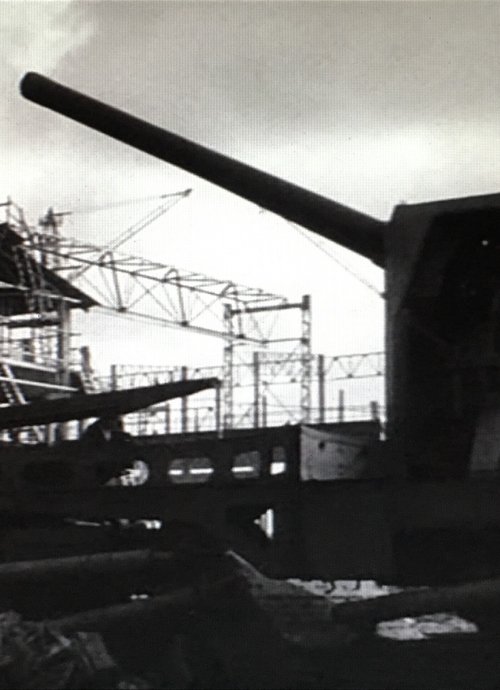
"The Worker is the last part of the trilogy, and differs somewhat from the rest. Rather then telling of yet another building site, the film centers on the abstract image of the Worker. The voice-over commentary describes the meaning of work in Soviet life – the role and significance of each individual. Melting an old tank at the smelting plant serves as a metaphor for peace that enables all workers to fully dedicate themselves to productive construction." VERZIO International Human Rights Documentary Film Festival
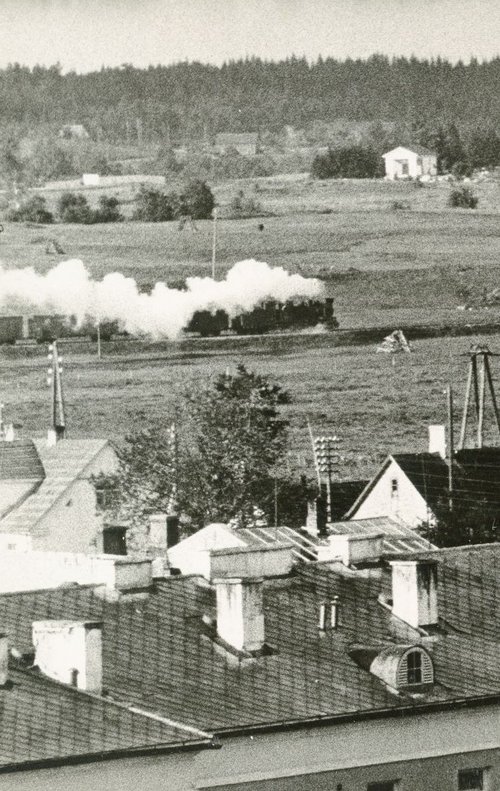
"A humorous story about the arrival of summer offers insight into the everyday lives of a town's inhabitants. An ironic voice-over, written by Armīns Lejiņš, comments on the events attentively shot by Uldis Brauns in the town. The scenes include a fire drill, a wedding, a school graduation, and other episodes of town life. Brauns and Lejiņš originally planned to make a fiction film, and filmed in Kuldīga, but the project was not realized at the time (the script was later used for Aivars Freimanis’ Kuldīga Frescoes, 1966), and was incorporated into this short film." - VERZIO International Human Rights Documentary Film Festival
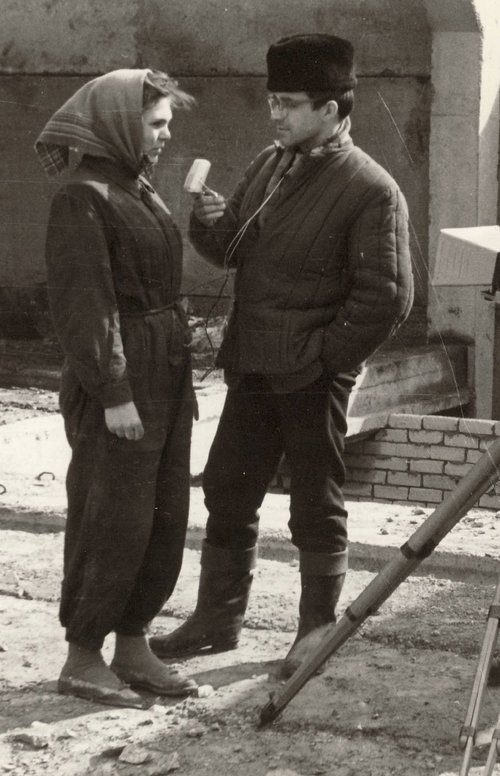
"The Construction is the second part of Uldis Brauns’ trilogy. It focuses on the construction of Daugavpils' synthetic fibre factory, and includes well-balanced, wide-angle shots and dramatic camera angles. The soundtrack is used imaginatively to create new meanings, and to construct metaphor like a musical artwork. The Construction also uses live interviews recorded on set; Armīns Lejiņš, the trilogy's scriptwriter, appears on camera interviewing people." - VERZIO International Human Rights Documentary Film Festival
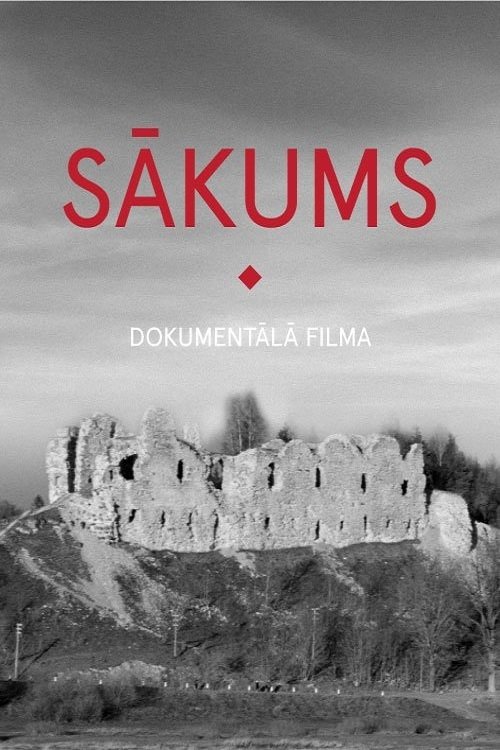
The Beginning is the first installment in Brauns’ trilogy dedicated to large-scale construction development in Latvia. It captures the building process of the Pļaviņas hydroelectric station on the country’s largest river. Observation of the builders, drivers, and engineers at work highlights the human aspect of construction work. The film’s title carries symbolic weight – this is the first Riga school film, Brauns’ directorial debut, the first widescreen picture made in Latvia, and the first part of a trilogy.
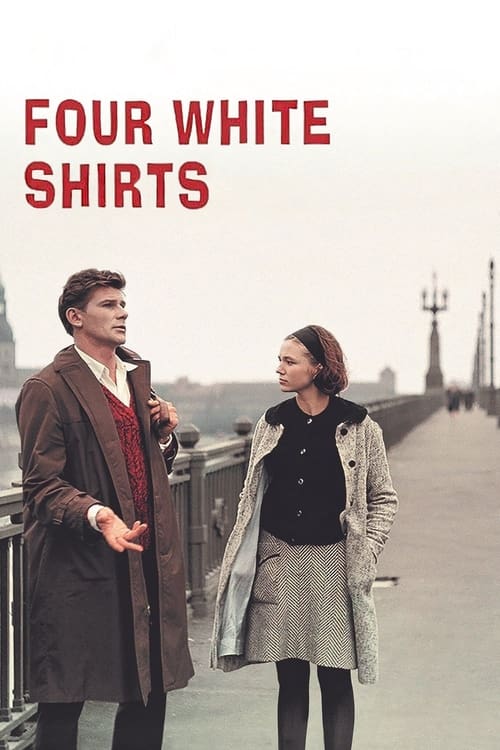
Cezars Kalnins installs telephones by day and composes pop songs by night. His band has a hard time receiving the permit from Soviet censorship authorities for a public debut. A member of the Culture Committee superficially listens to Cēzars' songs and deems the lyrics "unsuitable and frivolous” and "unfit for the Soviet youth”, and is later powerless to stop the grindstone of public debate, which she has herself initiated.
A documentary about farmers in the Latvian countryside.
A Latvian poetic documentary about the town Kuldīga.
One of the first socially relevant poetic films in Latvian cinema history, documenting the lives of female workers at a fiberglass factory – their work, leisure, dreams, hopes, and also the problems caused by the "influx" of young women into the small town after the factory was built.
A journey through time and space, accompanied by a 17th century guide, presenting a colorful array of unique material – the symbols of Riga, historical buildings, city administration issues – creating a detailed overview of Riga's history through the centuries. The film is a gift – a video book for the city's 800th anniversary celebrations, and it is an appendix to the joint work of the Riga History and Navigation Museum and SIA "Rīgas nami" – the book "Riga Administration in Eight Centuries."
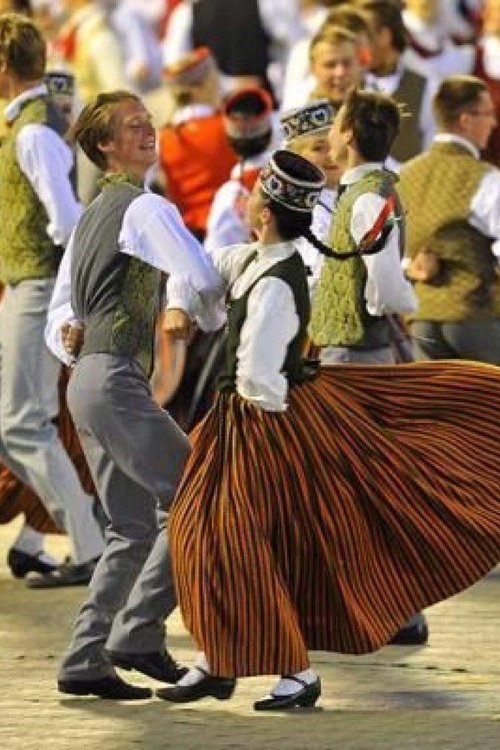
The film was made for the World Expo '70 in Osaka (Japan), introducing viewers to Latvian folk dances.