João Carlos Horta
Crew
Known For
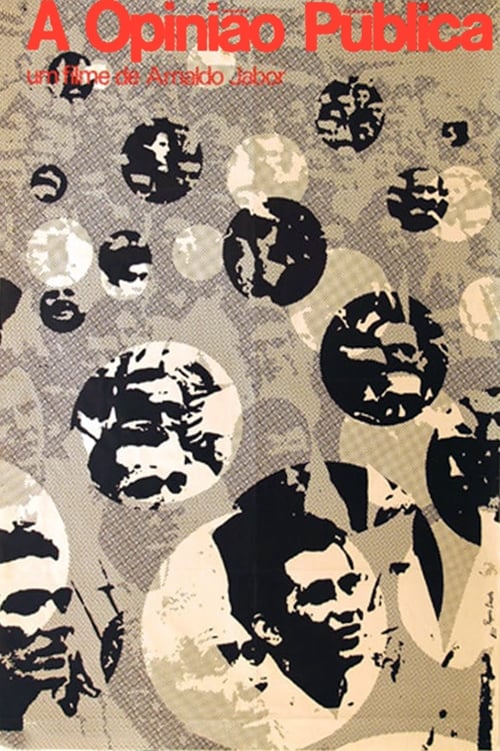
Documentary about middle-class people in Rio de Janeiro, in the 1960s, when Brazil was going through a hard period in its history, with the military coup and the following dictatorship. Interviews with people in the street disclose their fears, aspirations and political alienation.
A Public Opinion
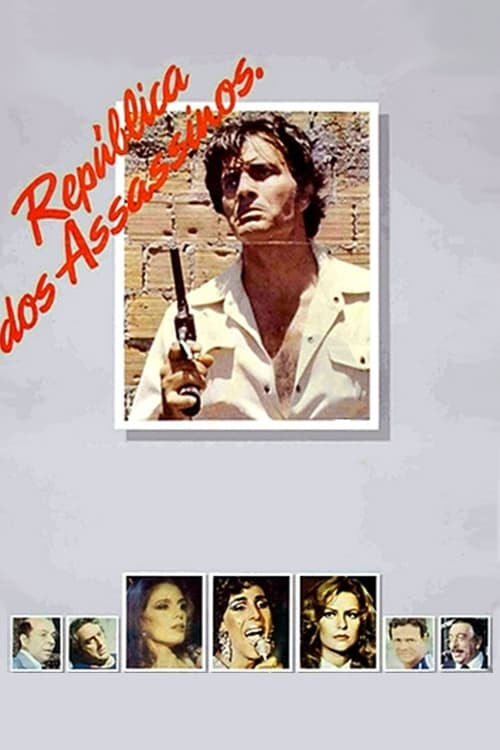
In 1970, the Esquadrão da Morte (Death Squad)' crimes for the refinement of violence provoked a wave of reactions throughout the country. The photos of the victims, adorned by the skull, symbol of the group, caused an uncomfortable indignation. This is the story of Mateus Romeiro, the most famous of the policemen, who was part of the Homens de Aço (Steelmen) group, one of the factions in which the squadron was divided.
República dos Assassinos

The importance of the Cannes Film Festival in world terms and what it represented for Brazil in 1971. For Brazilian cinema, Cannes 71 represented the transition from film to industrialized production. It is the meeting of producers, technicians, critics , celebrities in general, offering opportunities for greater knowledge and renewal of values
Brazil in Cannes
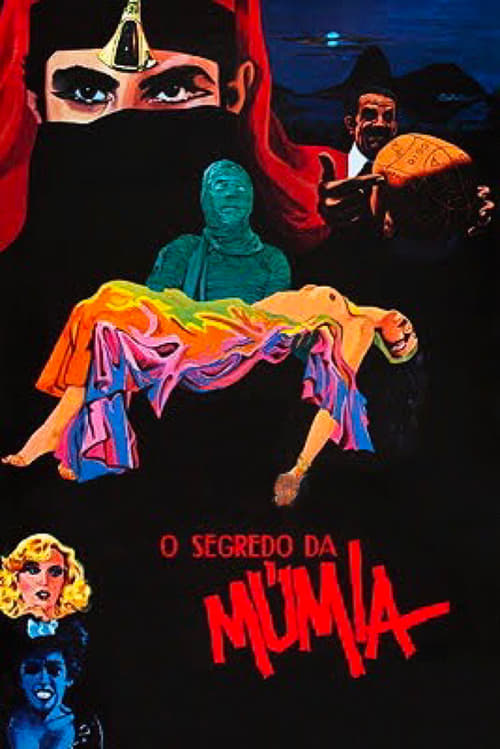
A mad scientist attempts to bring an ancient Egyptian mummy back to life.
The Secret of the Mummy

The tensions experienced by three different people during the military dictatorship in Brazil: a politician, a revolutionary and a common citizen.
BLABLABLÁ

In 1967, de Andrade was invited by the Italian company Olivetti to produce a documentary on the new Brazilian capital city of Brasília. Constructed during the latter half of the 1950s and founded in 1960, the city was part of an effort to populate Brazil’s vast interior region and was to be the embodiment of democratic urban planning, free from the class divisions and inequalities that characterize so many metropolises. Unsurprisingly, Brasília, Contradições de uma Cidade Nova (Brasília, Contradictions of a New City, 1968) revealed Brasília to be utopic only for the wealthy, replicating the same social problems present in every Brazilian city. (Senses of Cinema)
Brasilia, Contradictions of a New City
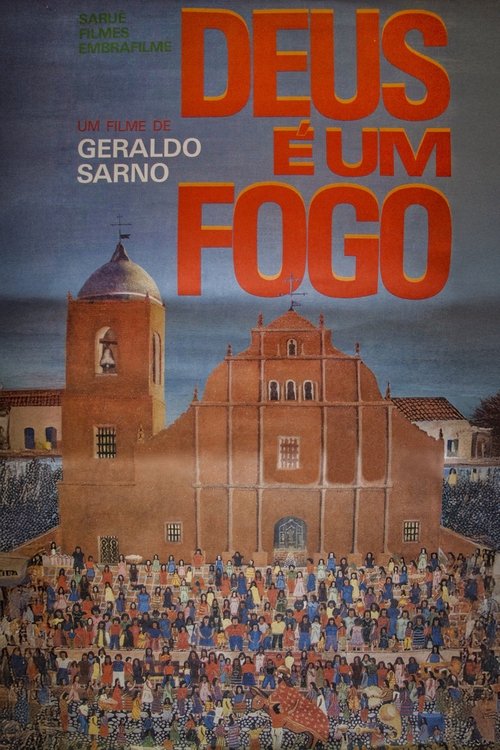
No description available.
Deus é um Fogo
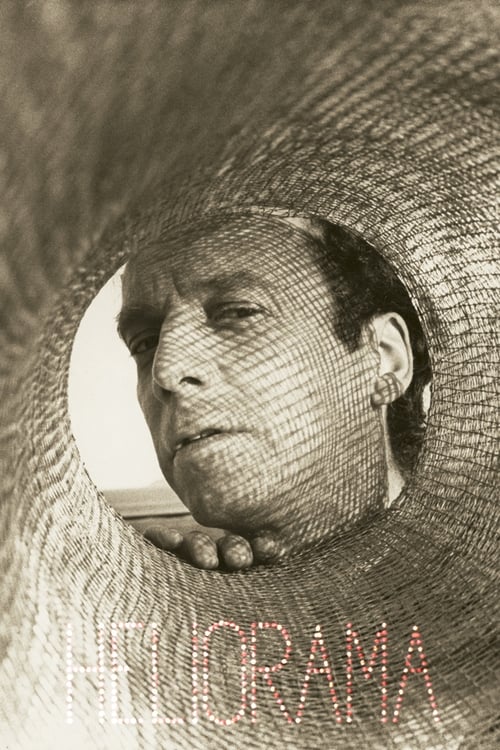
A collage of newsreels, trailers, clips and other visionary and unseen fragments of sight and sound regarding the late plastic artist Helio Oititica.
Heliorama
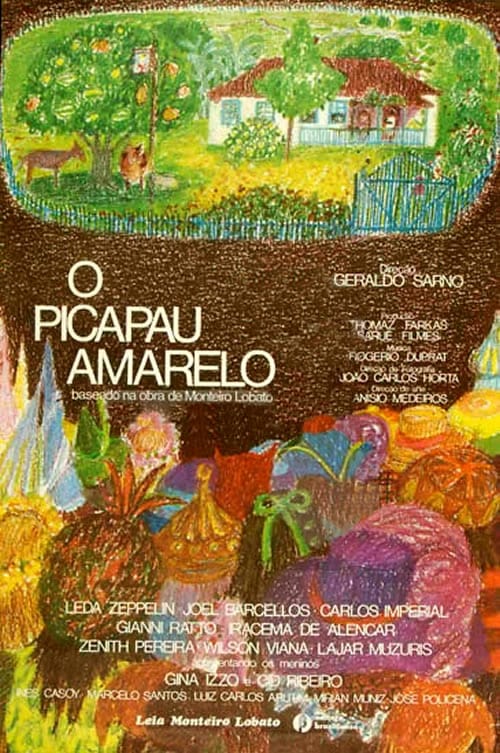
The Viscount of Sabugosa is locked in the library writing an encyclopedia about the characters in children's fables. Dona Benta receives a letter from little Thumb, written on a rose petal, in which he, realizing that the inhabitants of the world of fables are forgotten in the books on the shelves, requests that everyone live in Sítio do Picapau Amarelo. Emília and the children love the idea, and Dona Benta says yes. They move
O Picapau Amarelo
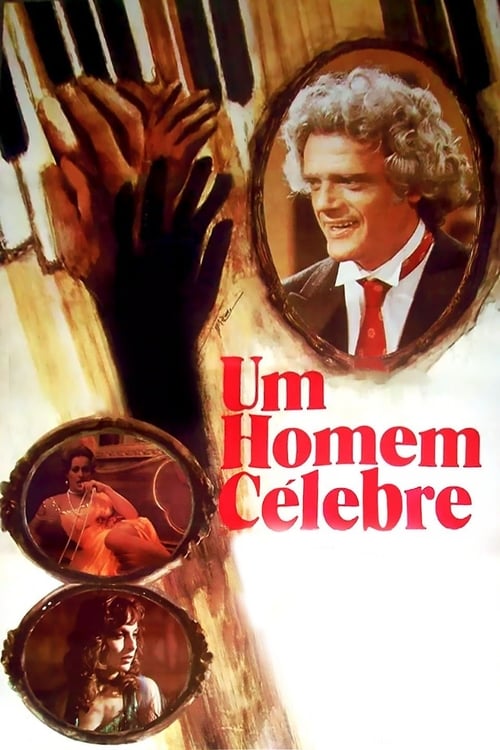
No description available.
Um Homem Célebre
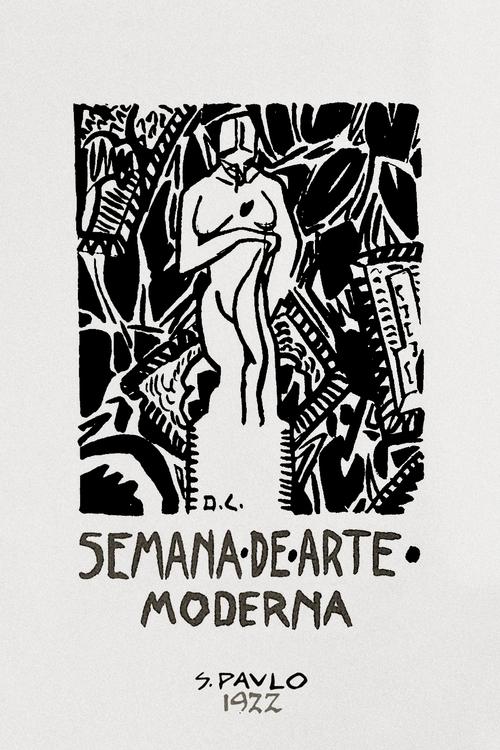
No description available.
Semana de Arte Moderna
No description available.
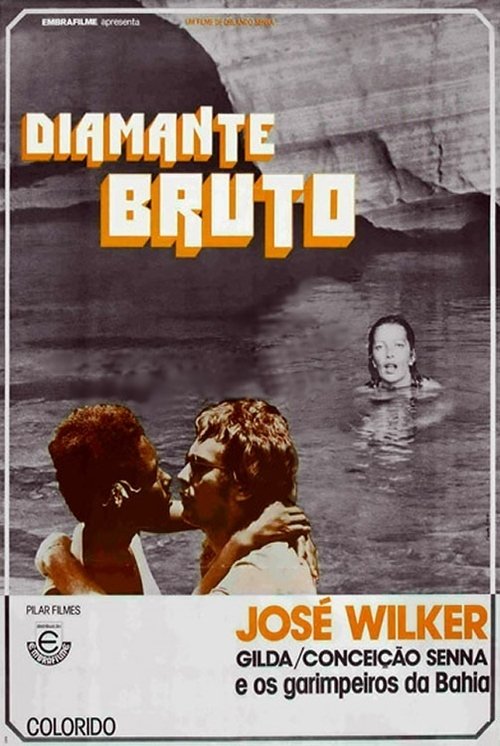
Diamante Bruto
No description available.
Waldemar Henrique canta Belém
No description available.
Casa Grande e Senzala
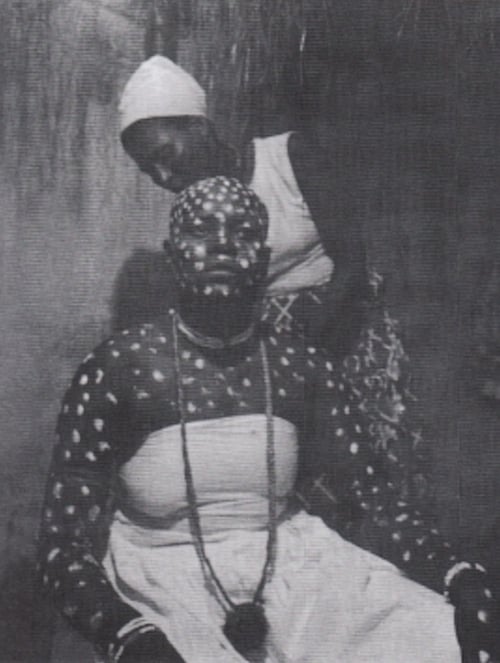
A documentary on the Afro-Brazilian religion of Candomblé and its rites.
Iaô: A iniciação num terreiro Gege Nagô
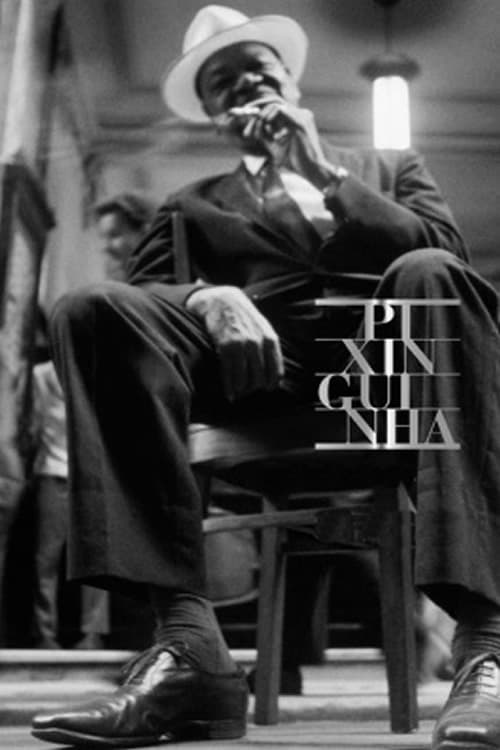
Pixinguinha, one of the pioneers of Brazilian music, composer of some incredibly sophisticated melodies, talks about his music and life.
Pixinguinha
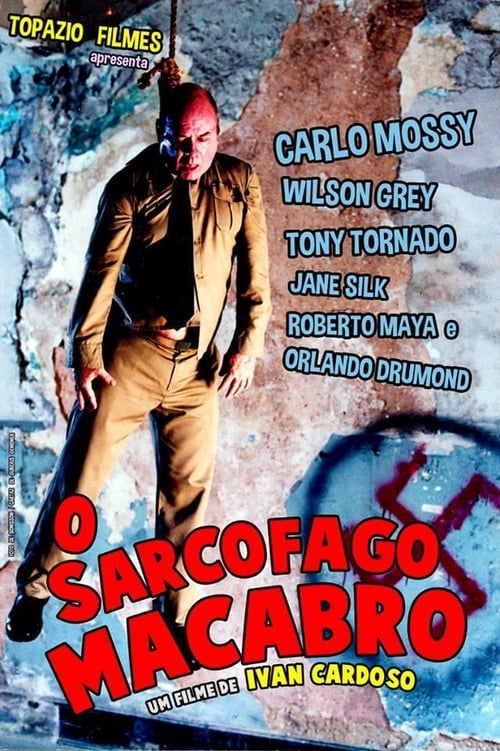
A CIA agent discovers a document about a Brazilian crazy scientist that transformed dead Nazis, including Adolf Hitler, into mummies.
The Macabre Sarcophagus
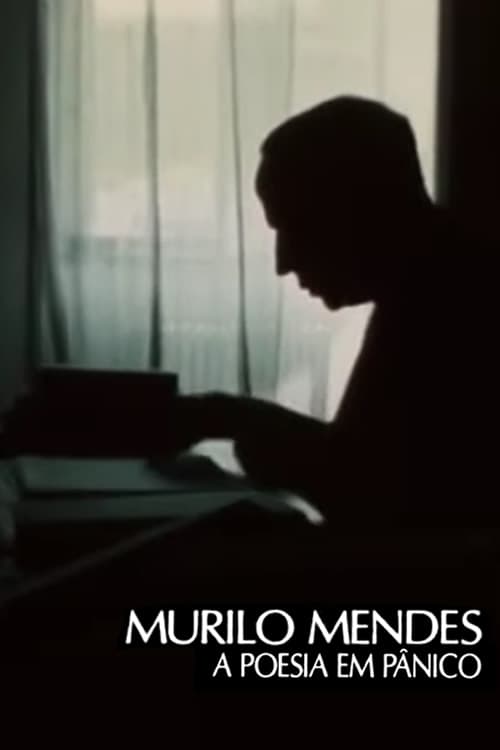
Short film about the life and work of the poet Murilo Mendes.
Murilo Mendes: A Poesia em Pânico
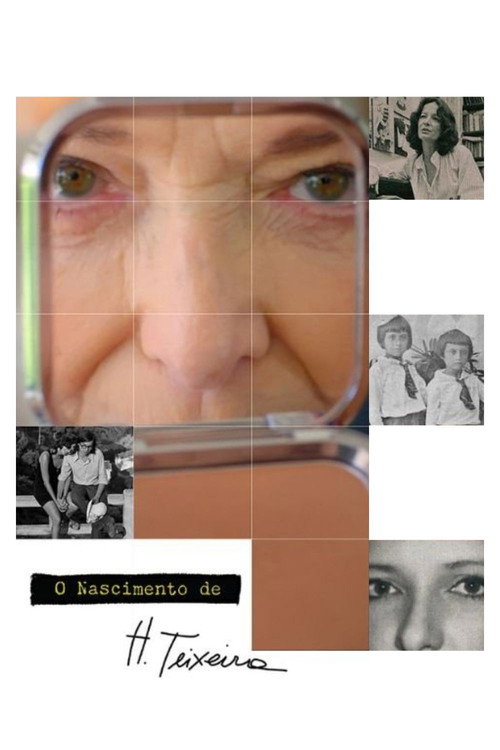
Documentary-poetic record of the birth of the persona Heloísa Teixeira, conducted through the lens of an 85-year-old woman who remains in tune, promoting and revealing a diverse Brazil.
O Nascimento de H. Teixeira
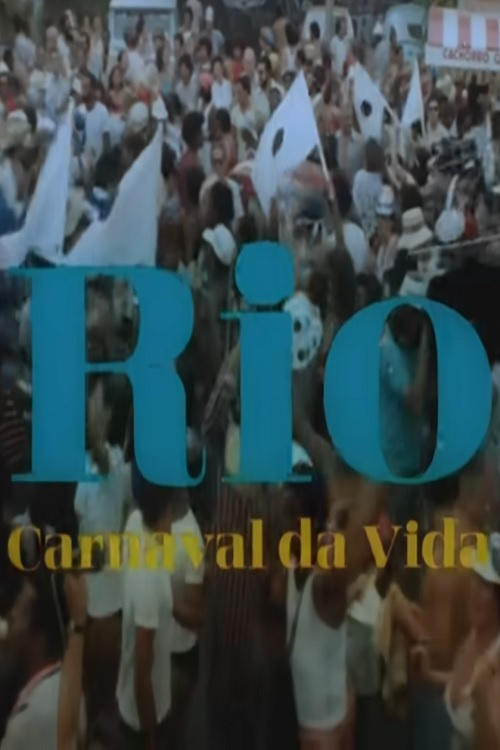
A documentary short on the 1978 Carnaval celebration in Rio de Janeiro, covering many aspects of the celebration's popular culture.