Acting
No description available.
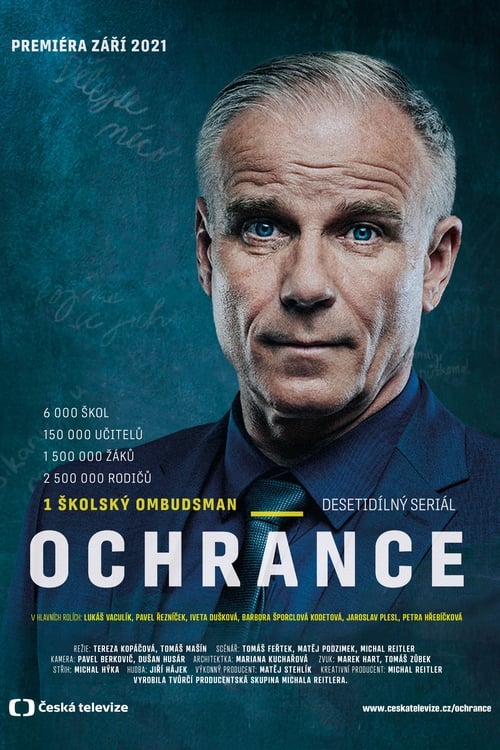
Alex Plan, a school ombudsman, strives for fair solutions for everyone, often going against the grain of the system and established practices. He advocates for people experiencing problems in education and tackles issues such as teacher murder and student sexual harassment.
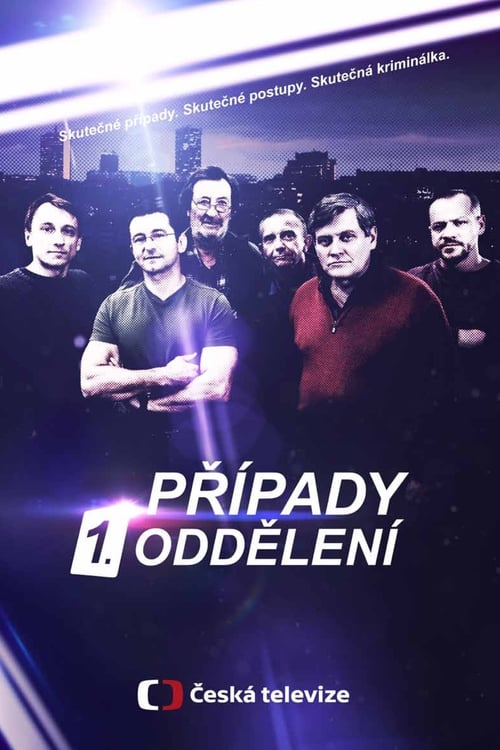
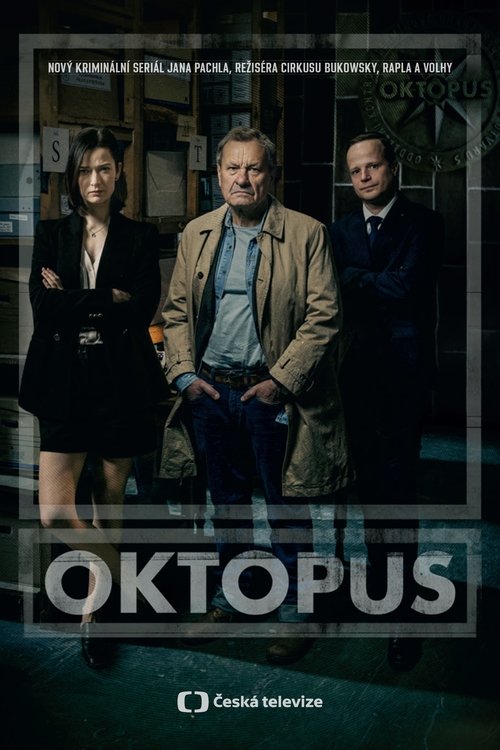
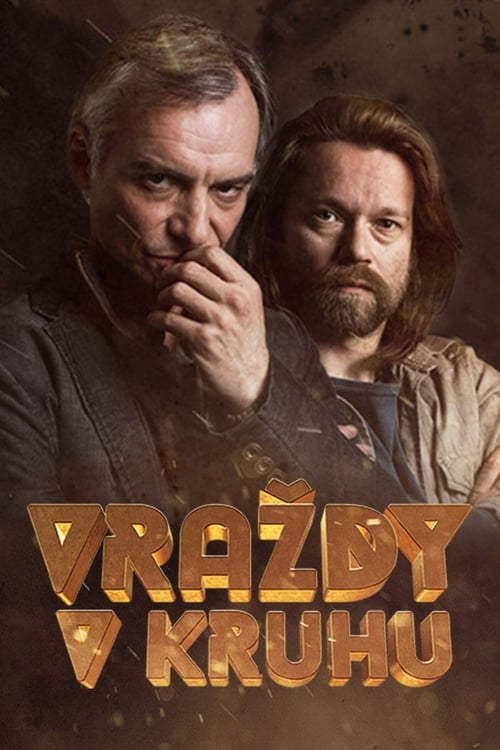
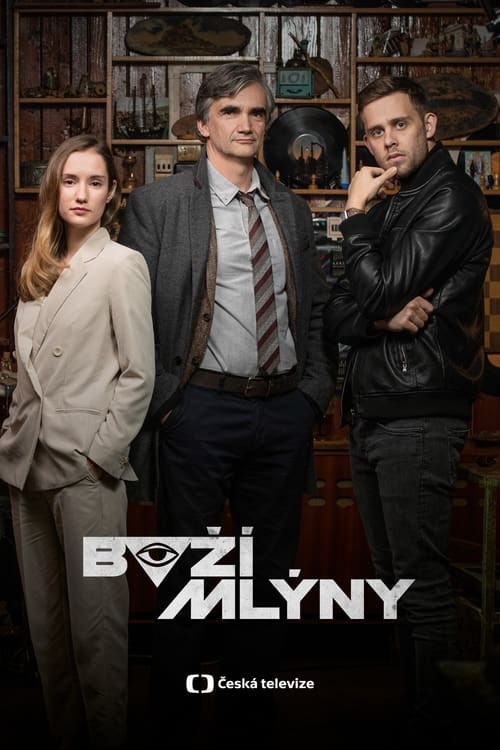
A Prague police unit reopens time‑critical cold cases before the statute of limitations runs out, pairing a seasoned loner with a principled young detective to re‑examine old evidence and pursue new leads across real city locations.
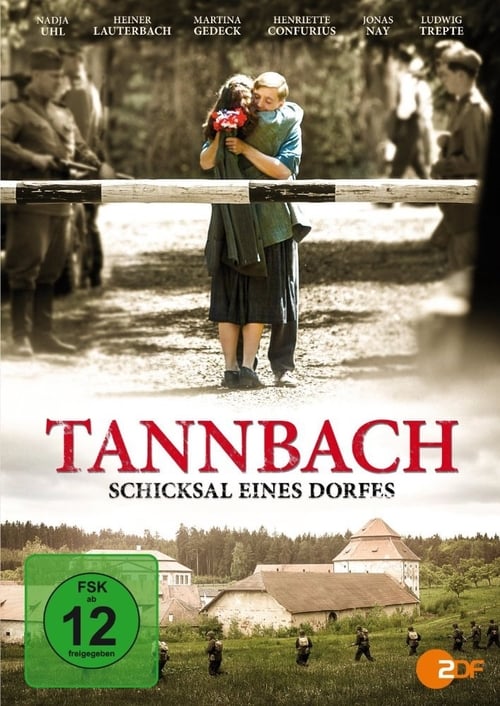
After the fall of the Third Reich, the small town of Tannbach is cruelly divided between East and West regimes and the town’s inhabitants suffer the consequences. A gripping historical drama exploring the devastating effects decades of conflict had on communities from the end of the Second War War to the fall of the Berlin Wall.
David must join forces with police analyst Petra as they are drawn deep into the tangled web of who controls the flow of meth into Europe.
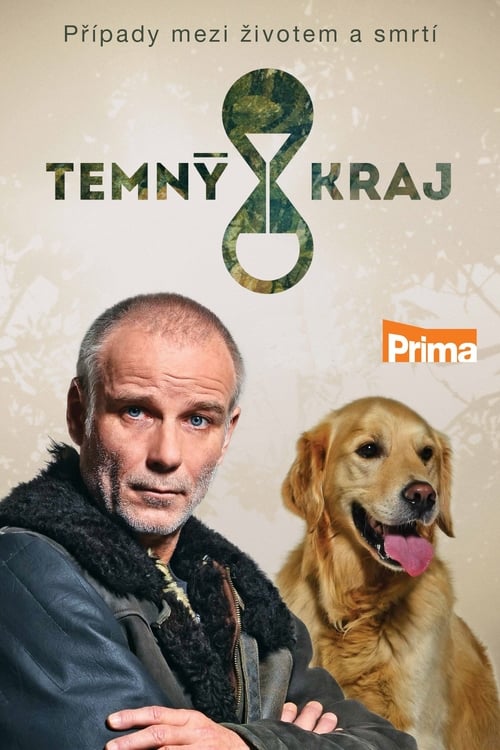
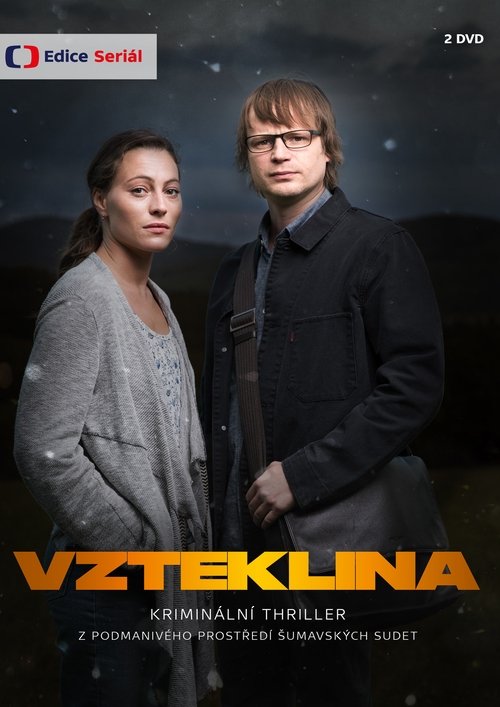
Although Czech republic is country free of rabbies, some cases of infected animals appear near one of villages in Sumava region. Virologist Pavel Rogl, that is in his thirties, has task to inspect the situation, supervise the vaccination and find the source of infection. He is also charged to elaborate an expertise for team of police detectives, that are investigating mysterious double homicide. It is possible, that murders are connected to infection. Is it a human murderer, or big beast that escaped?
During her third pregnancy, a divorced mother decides on an unusual solution to her life situation. Immediately after giving birth, she wants to entrust the child to new adoptive parents of her choice.
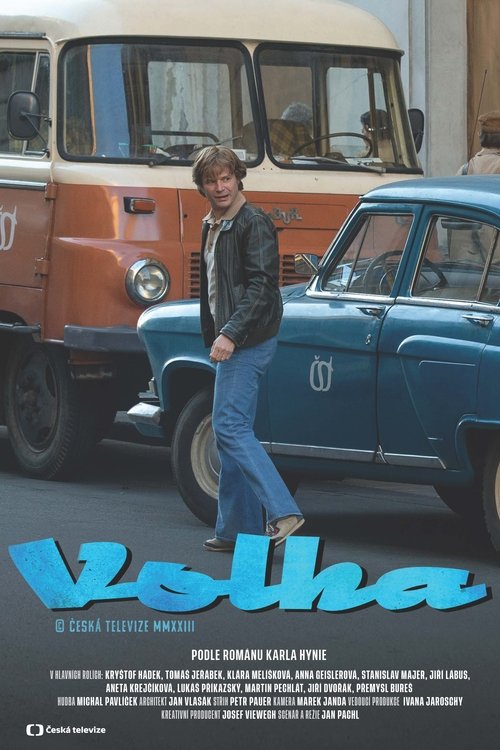
Standa Pekárek has three wishes in life: to drive a volga, to drive for the Humour and Folk Entertainment editorial office and to drive Got'ák. The five-part miniseries Volha is an adaptation of the novel of the same name by Karel Hynia, written in an extraordinary, bizarre and precisely echoed language. It can be perceived as a peculiar history of Czechoslovak television with a number of incredible, albeit real, "stories from the set". At the same time, however, it is a portrait of its main character - a limited egocentric who excels in inventing small tricks and deceptions - how to steal petrol, fake mileage, cheat his wife, get rid of the competition. Logically, he then also becomes a StB collaborator (with the code name Volha) who informs on all his co-workers and passengers without any remorse.
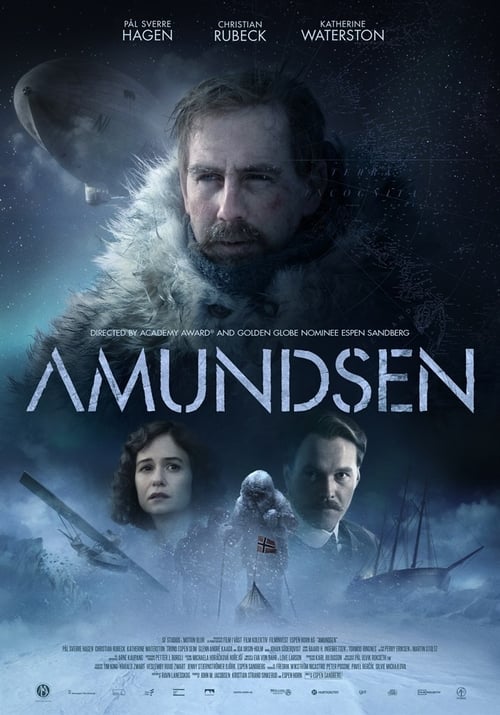
The story of Norwegian explorer Roald Amundsen, the leader of the first expedition to reach the South Pole in 1911, and the first person to reach both the North and South Poles in 1926. Follows his all-consuming drive as a polar explorer and the tragedy he brought on himself and others by sacrificing everything in the icy wastelands to achieve his dream.