Ron Finne
Directing
Biography
Oregon-based filmmaker Ron Finne was active as an independent documentarian in the late 60s and early 70s. His films often had an environmental message and would be made up of a variety of techniques, from archival material, to voiceover, to handheld footage and more.
Known For

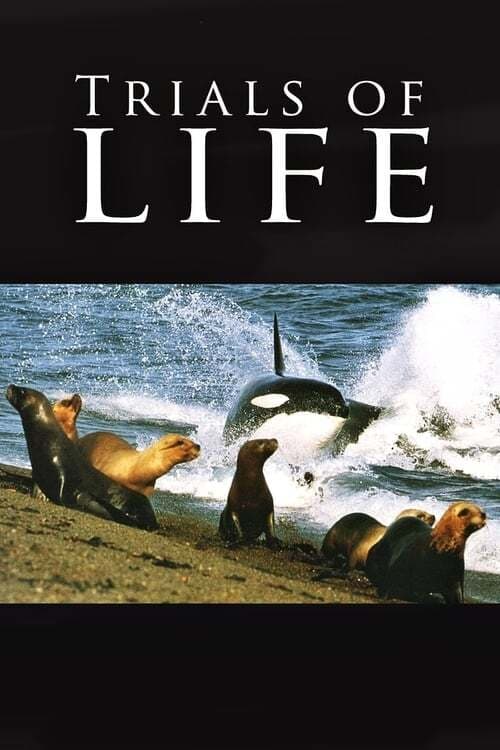
Each of the twelve 50-minute episodes features a different aspect of the journey through life, from birth to adulthood and continuation of the species through reproduction.
The Trials of Life

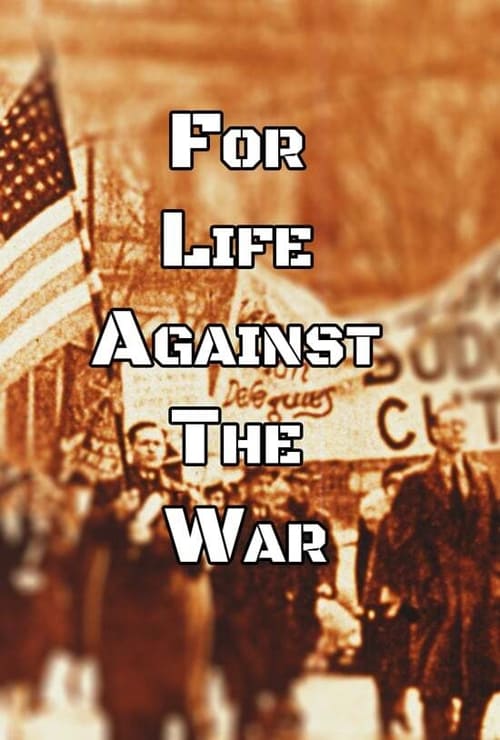
First shown on January 30, 1967, FOR LIFE AGAINST THE WAR was an open-call, collective statement from American independent filmmakers disparate in style and sensibility but united by their opposition to the Vietnam War. Part of the protest festival Week of the Angry Arts, the epic compilation film incorporated minute-long segments which were sent from many corners of the country, spliced together and projected. The original presentation of the works was more of an open forum with no curation or selection, and in 2000 Anthology Film Archives preserved a print featuring around 40 films from over 60 submissions.
For Life, Against the War

A film of the Pacific Northwest, the native people, poetry, history and the forces of change. This was an homage to the Indian heritage of the Pacific Northwest and a study in the contrast of how native people used the land, as opposed to European settlers who gradually took it over. It is experimental in style, combining time-lapse photography, archive footage, classic photographs by documentarist Edward Curtis, museum artifacts and other image sources.
Tamanawis Illahee
A film by Ron Finne
How Old is the Water

Tells the story of the logging industry in Oregon, with emphasis on older logging techniques. The film lacks a traditional narrator, instead giving us interviews with loggers taped in the field or their homes. To help us visualize the words of the loggers, Finne edits them together with shots of the Northwestern wilderness, both in Oregon and Washington. Also featured is old footage and photographs of loggers, stunts and jokes of the loggers.
Natural Timber Country
Found footage short film by Ron Finne.
Keep Off The Grass

A documentary short about the "exploding whale" in Florence, Oregon, in 1973, and the environmental impact of whaling.
The Whale
"Do something for the camera!" In the late twenties, 16mm home movie cameras became available and the well-off used them through the 1930s. Then the 8mm camera increased participation in the very events it recorded, drawing out the facts of who we are or play at being. In this film, Americans – across stages of life, across decades, in backyards, at a graduation picnic, on a beach and in other ordinary places – reveal silly, happy, intense and sad things about themselves, mostly with exuberance and dignity. The film is arranged without internal editing of the found sequences.
People Near Here
Noted lecturer, Eugene M. Wank, instructs us using a folding chair as a metaphor for life's choices. In this theatre event he shows the audience how to turn their chairs so that instead of facing front, facing the screen, they change to face each other across an aisle in which the innocent, funky ballet will be performed.