Nancy Nicol
Directing
Known For
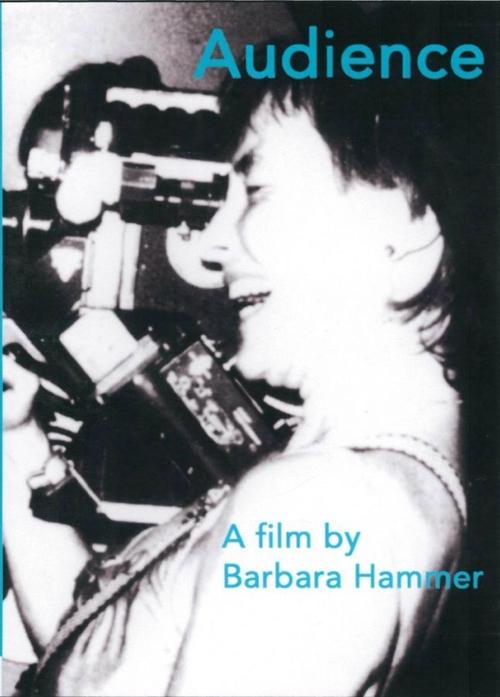
Barbara Hammer’s Audience is a fascinating deep cut from the director’s prodigious filmography. Relatively raw in its design, this 16mm diary of audience reactions at retrospectives of Hammer’s work in San Francisco, London, Toronto, and Montreal in the early 1980s bears none of the distinctive visual flourishes and essayistic form one usually finds in her filmmaking. Today, Audience serves as an invaluable historical archive, providing quick but complex portraits of lesbian scenes in different cities and countries: the San Francisco women are bold and raucous, treating Hammer like a celebrity; the London crowd more reserved and tentative; the Canadians politely critical after initial hesitation. It also functions as a testament to the power of Hammer herself as a figure of lesbian culture, showing how fully she engages audiences to incite new forms of discourse about representation.
Audience

Based in Quebec, this film is a portrait of lesbian and gay families as well as the story of how they organized out of conditions of violence and discrimination to win recognition of their relationships, families and parenting rights. Also tells the story of the landmark case in Quebec that broke the ban against same-sex marriage, making Quebec the third province in Canada to recognize equal marriage.
Politics of the Heart
Tells the stories of people who fled their families and sought sanctuary at Sangini, a shelter for lesbian, bi and trans-identified people in Delhi. Fleeing family imposed restrictions, violence and pressure to get married – a young woman, a trans man, and a lesbian couple recount their stories of flight and resilience, their struggle to assert their civil rights and independence, and their hopes for the future.
Sangini
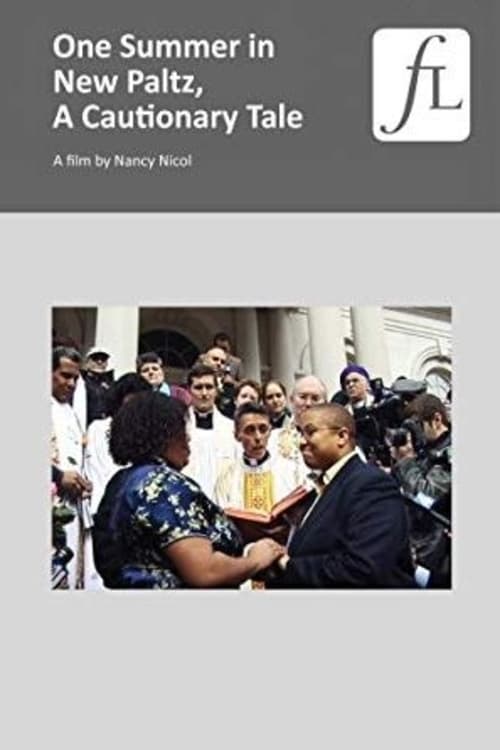
President Bush's call for an amendment to the Constitution of the United States to enshrine a heterosexual definition of marriage ignited a wave of civil disobedience same-sex marriages across the USA. "One Summer in New Paltz" focuses on the small village of New Paltz, NY, where the mayor, Jason West, began performing same-sex marriages on the steps of village hall and 1000s of couples flooded the village seeking to be married. The film goes on to document civil disobedience same-sex marriages and demonstrations across New York State, the Nyack Ten legal suit against New York state and the first day of legal same-sex marriages in Boston Massachusetts in May 2004. "One Summer in New Paltz", probes into the debate on same-sex marriage examining the intersection of same-sex marriage, war, the Constitution, race and the family. A strong work about grass roots organizing, straight/gay alliances and confrontation with state repression.
One Summer in New Paltz: A Cautionary Tale
The five-part series Struggle For Choice examines a 17 year period of the abortion rights movement from the liberalization of the abortion law between 1969 and 1987. The tapes present the abortion rights issue in an overall political context. Access covers access to abortion and family planning across Canada.
The Struggle for Choice: Part 2 - Access
The five-part series Struggle For Choice examines a 17 year period of the abortion rights movement from the liberalization of the abortion law between 1969 and 1987. The tapes present the abortion rights issue in an overall political context. Restraint / Repression covers the impact of the economic recession.
The Struggle for Choice: Part 4 - Restraint / Repression
The five-part series Struggle For Choice examines a 17 year period of the abortion rights movement from the liberalization of the abortion law between 1969 and 1987. The tapes present the abortion rights issue in an overall political context. Part One, Abortion Caravan examines the Federal law changes in 1969, which allowed for the legal dissemination of birth control information and the legalization of abortion if performed in an accredited hospital and approved by a therapeutic abortion committee of three doctors (it was not removed from the Criminal Code, making abortion illegal if performed in free-standing clinics or without the approval of a committee.) Women responded to the limitations of the new law with demonstrations. Participants in Abortion Caravan "declare war on the Government of Canada" and shut down Parliament for the first time in Canada's history
The Struggle for Choice: Part 1 - Abortion Caravan
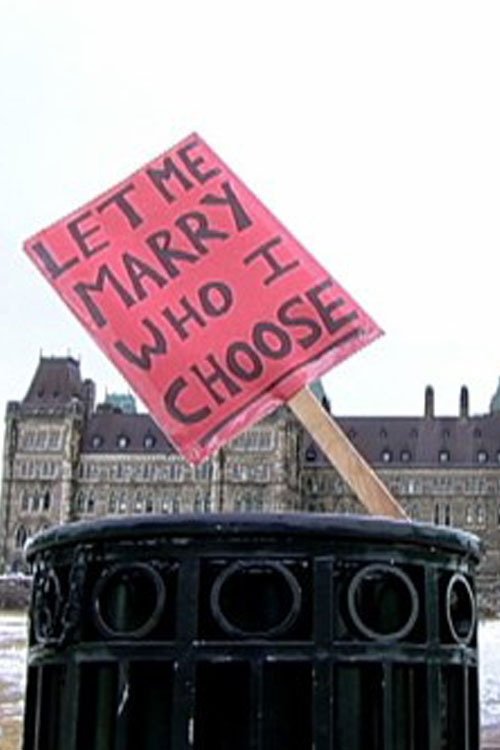
On July 20th, 2005, Canada became the fourth country in the world to extend the right to marry to lesbian and gay couples. The End of Second Class traces the story through the voices of three couples from Quebec, Ontario, and British Columbia, and key activists and human rights lawyers who were at the forefront of the battle.
The End of Second Class

A moving examination of the struggle to decriminalize homosexuality in contemporary India, told through the voices of HIV AIDS workers, queer activists, community leaders and legal experts.
No Easy Walk to Freedom
The five-part series Struggle For Choice examines a 17 year period of the abortion rights movement from the liberalization of the abortion law between 1969 and 1987. The tapes present the abortion rights issue in an overall political context. Part three covers the history of the abortion rights movement in Quebec.
The Struggle for Choice: Part 3 - Québec (1971 - 1980)
The five-part series Struggle For Choice examines a 17 year period of the abortion rights movement from the liberalization of the abortion law between 1969 and 1987. The tapes present the abortion rights issue in an overall political context. The Legal Battle covers Dr. Morgentaler's challenge to the abortion law from 1983-1987.