Directing
Sponsored by The Protestant Film Commission, this religiously-affiliated tale centers around citizen Henry Wood (played by Oscar winner James Dunn from "A Tree Grows in Brooklyn"), who loved family and church, gave to the needy, and donated most of his money to charity. Now deceased, his somewhat neglected daughter reflects on his past and ponders that age-old question, did he indeed have such "a wonderful life"?
Religious film starring a just starting out Peter Graves was produced by the Protestant Film Commission.
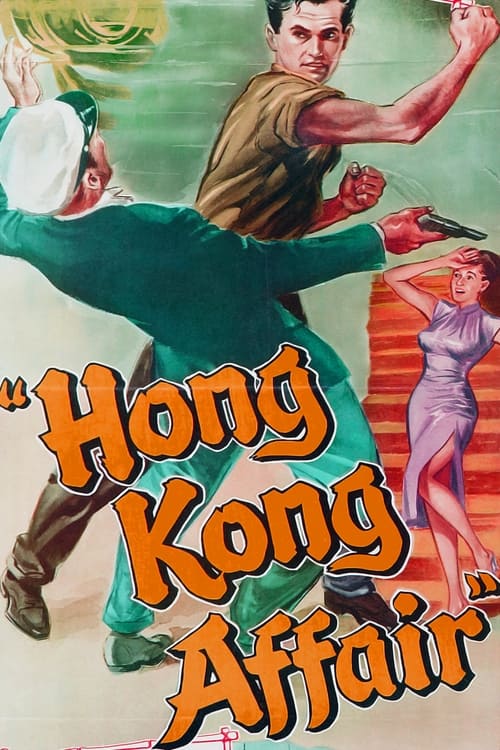
An American businessman travels to Hong Kong to find out why his tea plantation isn't making money. When he gets there he discovers that his business partner has been growing something on the plantation, but it isn't tea. Complications ensue.
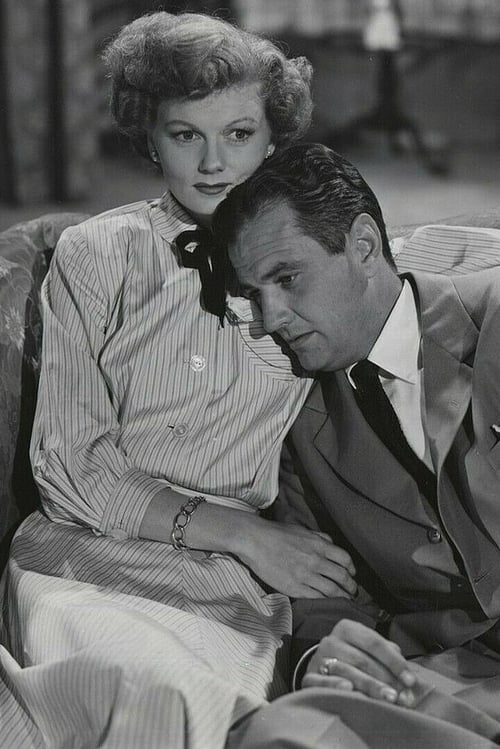
A bank president and his wife, facing a crisis in their life and both nearing the age of fifty, look back on what has happened to them over the years of their marriage.
Citizens of Fairview are outraged when they learn children from the "Patch", a squalid migrant camp on the outskirts of town, will soon be attending Fairview's school.
Joe Hanson, who believes himself to be tolerant of other races and religions, gradually comes to realize that he is prejudiced against many of them.
Kenji Comes Home is a 1949 documentary film produced by Paul F. Heard. Written and directed by Charles F. Schwep, it was filmed on location in Japan and employed native actors. The film is the story of Kenji, a repatriated prisoner of war in Japan, and his difficulties in settling down. He is torn between the glowing promises of communism and ideals of his girlfriend Aki's Christian religion. The film was nominated for an Academy Award for Best Documentary Feature.
A young American businessman visits Communist Berlin and meets a young German woman. When the Communist government attempts to pass a resolution condemning the motives of the democracies, the girl defies them. Although even the Communist leadership expresses concern with his government's doctrines, her life remains at risk. The businessman urges the girl to escape with him to the Allied zone, but she refuses, preferring to stay to fight for her ideals.
A young white collegian and a fellow black student struggling for understanding come to realize that living together harmoniously is a two-way street.