Eva Řepíková
Acting
Known For
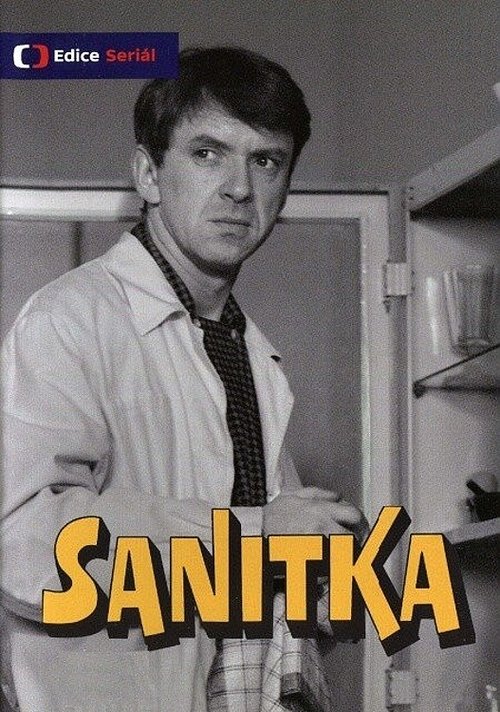
Sanitka was a Czech television, drama series, first broadcast in 1984 and eleven episodes were made. It starred Jaromír Hanzlík, Tomáš Juricka and Zlata Adamovská among others.
Sanitka
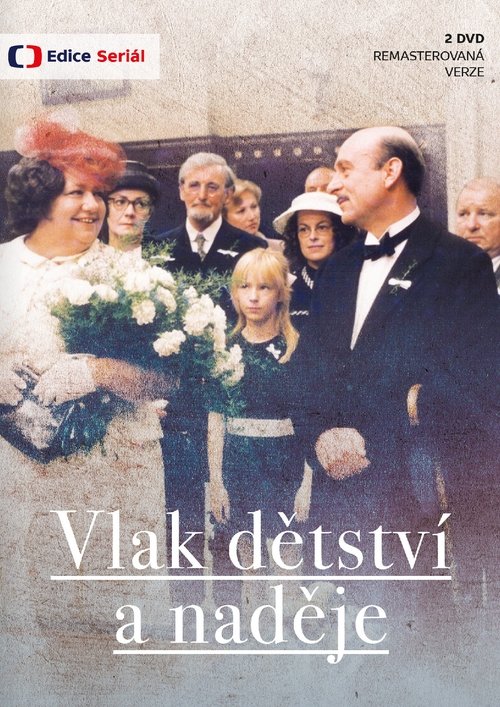
A story of a little girl Verka and her life during the beginning of WWII. Based on Vera Sládková novels.
The Train of Childhood and Expectation
No description available.
The Great Debureau
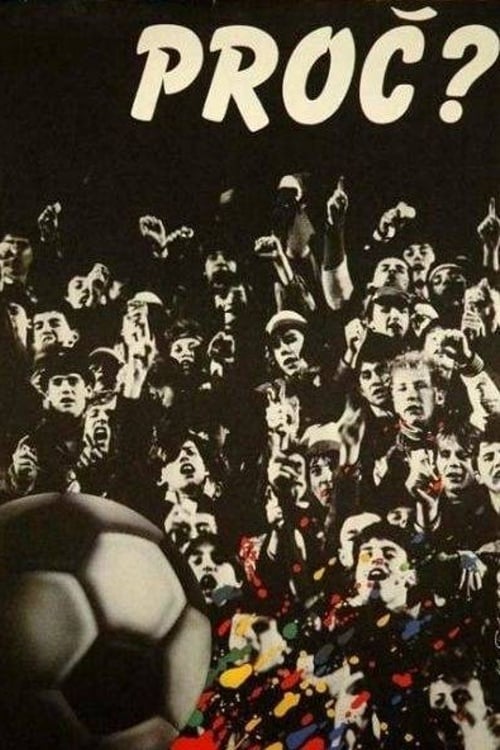
Why? (Czech: Proč?) is a 1987 Czechoslovak drama film directed by Karel Smyczek. It was screened in the Un Certain Regard section at the 1988 Cannes Film Festival. The film deals with the hooliganism in Czechoslovakia, particularly with the fans of football club Sparta from Prague, whose supporters were the pioneers of the football fan riots in Czechoslovakia, starting with hooligan actions already in the 1960s, like breaking the trains in which they travelled when they went on Sparta's away games. The film deals with one of such episodes
Why?
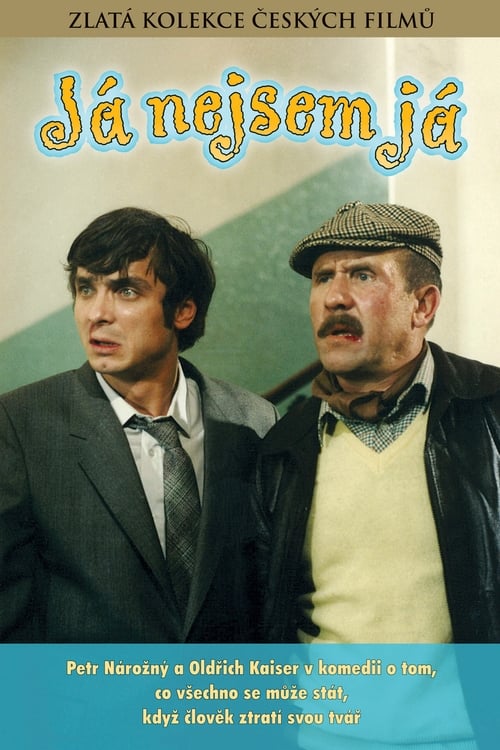
The two heroes of the film's story - the decent but dry engineer Zárub and the marriage swindler Majer - are granted this wish by the mysterious forces of the moon. The two men change their appearance, which, however, contrasts sharply with their unchanged characters and voices. The incomprehensible swap naturally becomes the source of many comic plots and situations.
It's Not Me

Set in a bleak, filth-ridden provincial hospital, a disillusioned doctor begins to find the philosophical ramblings of a mental patient more stimulating than the company of "sane" society. As their relationship deepens amidst the grimy and decaying wards, the doctor's own mental health is called into question by his suspicious colleagues.
Ark of Fools
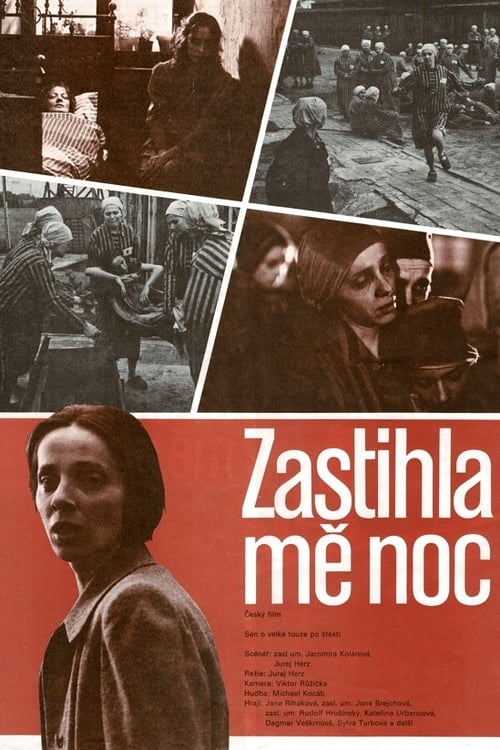
A communist journalist from Prague is sent to Ravensbruck concentration camp.
Caught by Night
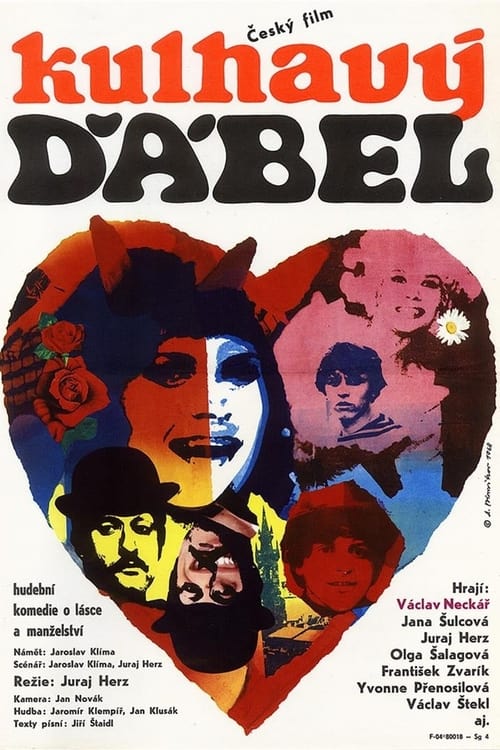
A baleful limping man walks through Prague. He is Asmodeus (Juraj Herz), the fiend of lustfulness, entertaining himself by putting together by magic couples of lovers. He only fails at the swimming pool. Zuzana (Jana Sulcová), the good-looking blonde, ignores the men whom the devil foists off onto her. She loves Honza (Václav Neckár) and the boy shares her feelings. The fiend is annoyed by the couple and tries to provoke a row. He sends heavy rain to force them into a hotel and then warns Zuzana's father by phone, but the young lovers manage to get out in time. Then the obstinate Asmodeus takes Honza in his sleep to the Institute for Emotional Disorders, where he shows him the ugly sides of love - hysteria, voyeurism, fetishism, suicide attempts...
The Limping Devil
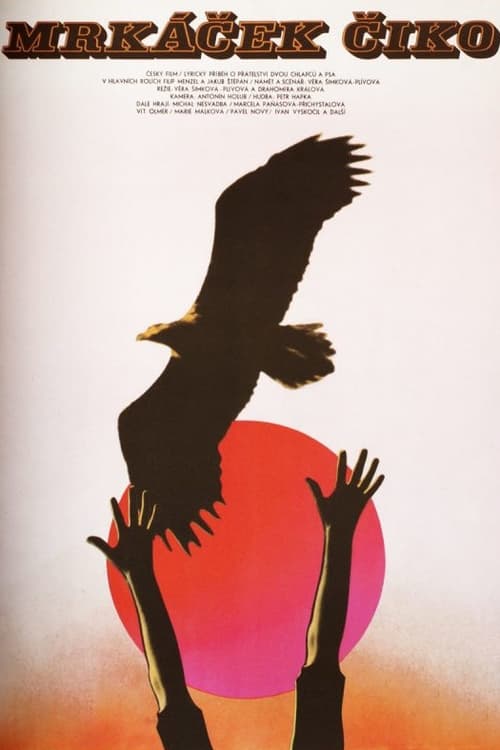
Roman Hlava grew up with his diplomat parents in Latin America where he had been home-schooled by his over doting mother. The over indulgence of affection and praise has given the boy an over confidence. This is quickly squashed by his new peers when the family returns to the Czech Republic. This leads to neurotic tics and the nickname Mrkácek the 'Blinker.' A stay at a children's camp provides new friends, acceptance, an appreciation of nature, a new outlook on life, and loss of the tics.
Blinker-Ciko
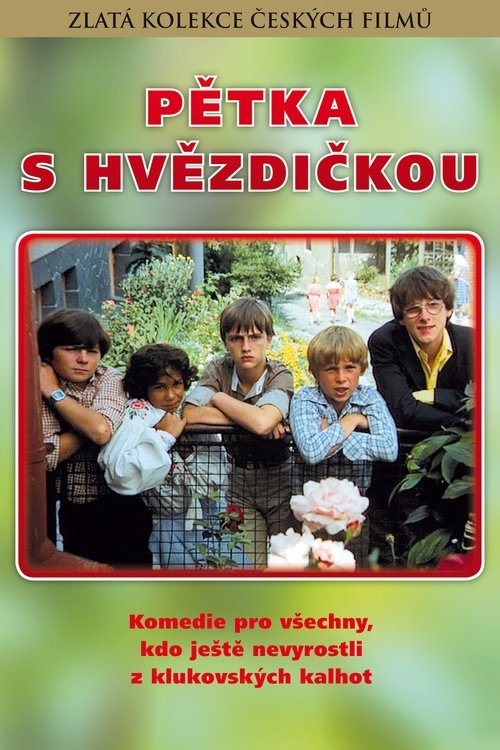
A funny movie about life and adventures of the five inseparable friends from little town in south Czech republic.
Inseparable Five
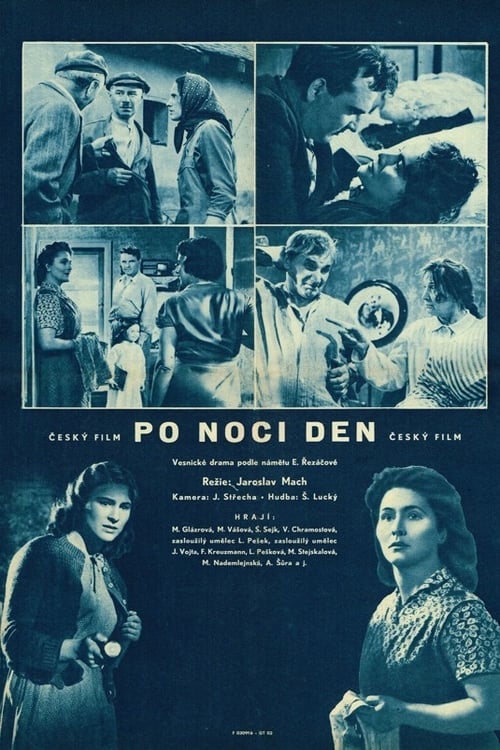
A Czech art film set in a modern village. The main character of the film is Karla Tolarová, a worker from a Prague printing house, who arrives for a harvest shift at a unified agricultural cooperative in Běšíčice at a critical time for the cooperative. The grain in the fields is ripe, the machine-tractor station does not have the necessary machines for the cooperative, the cooperative members do not trust each other, they lose interest in working together.
Po noci den
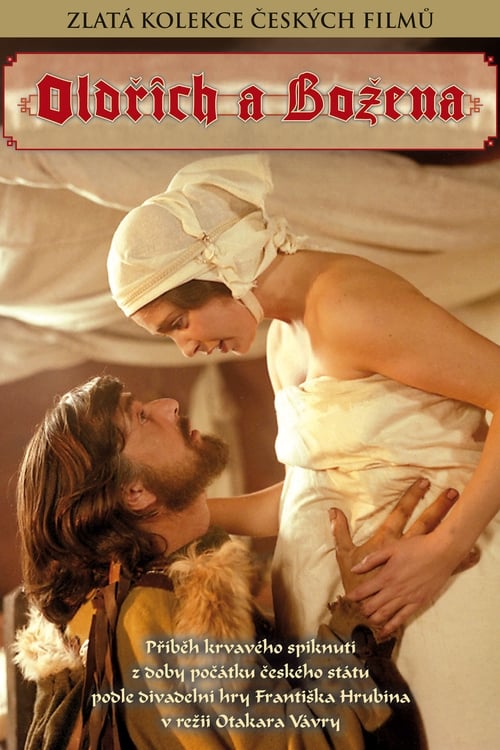
At the turn of the 10th and 11th centuries Boleslav's kingdom fell apart in the fratricidal war between the Přemyslovci and the other clans the main profiteer of this being the German emperor. At that time it seemed as if the Czech state and the lineage of its princes was awaiting its end..." It is with these words that the tale of this film begins, whose narrative is based upon the the play by František Hrubín of the same name.
Oldrich and Bozena
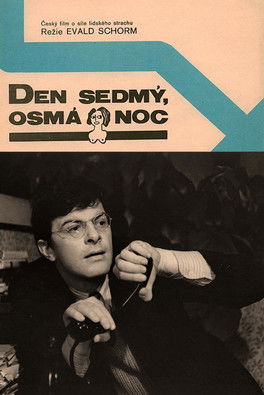
An allegory set in an archetypal Czech village, it tells the story of what happens when a series of mysterious events take place, including the disappearance of the station master. While everything has a rational explanation, collective paranoia takes over and everyone's worst instincts are unleashed. Interrogations, disenfranchisement, and the search for scapegoats ultimately lead to murder. The movie was completed in 1969, but it was banned and not released till 1990, Evald Schorm who died in 1988 never saw it completed.
The Seventh Day, the Eighth Night
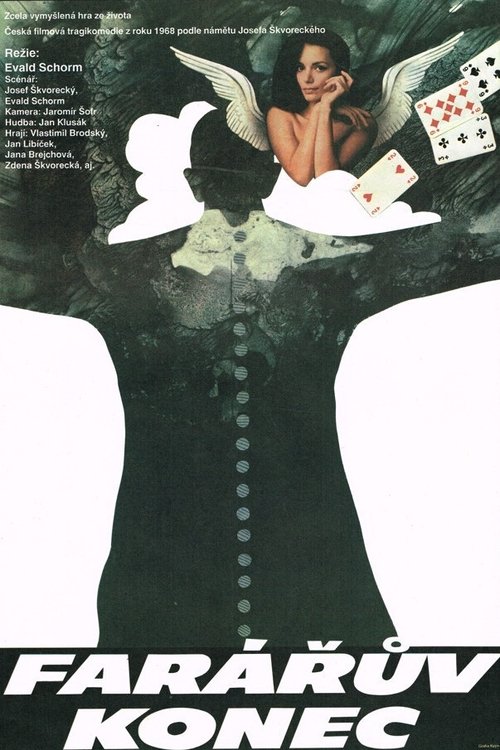
A verger, who likes to dress as a priest, is invited, by one of the villagers, to be the pastor at a vacant church. The atheist teacher resents the pastor, and tries to embarrass him in various ways, including being caught with the local girl, Majka.
The End of a Priest
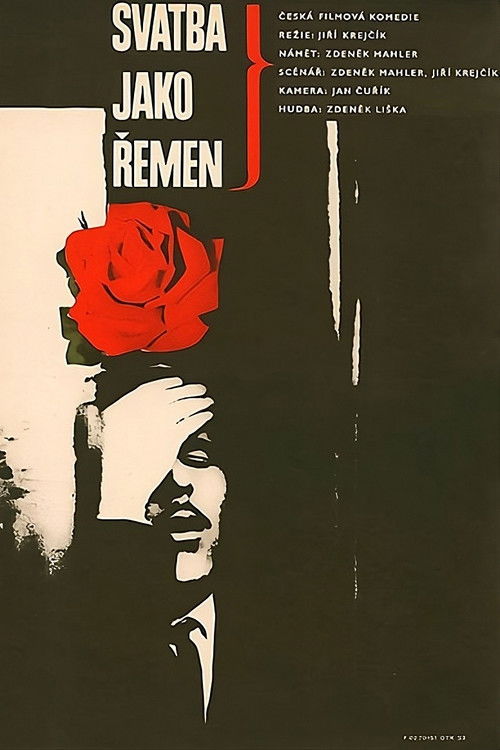
A comedy about two bumbling policemen investigating an alleged rape in a small Czech town. One of the alleged rapists is supposed to get married the day he's locked up.
The Unfortunate Bridegroom
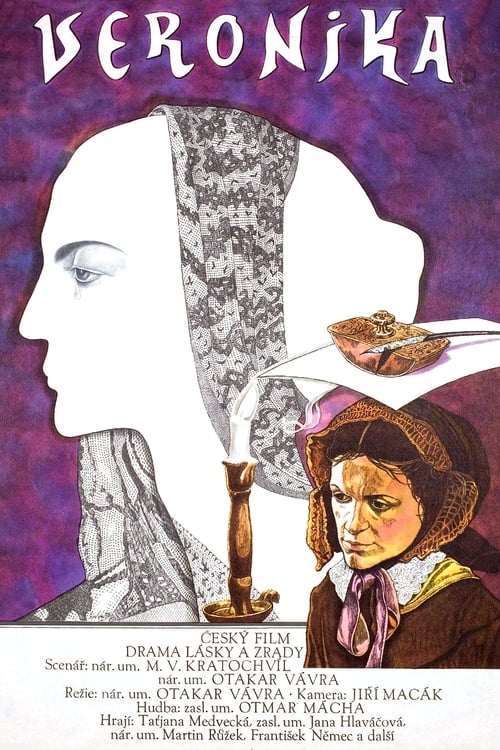
Emperor Francis Joseph I is about to arrive in Prague, and among those who came to Stromovka to welcome him is Veronika Pavlitová. She wants to submit a request for clemency for her imprisoned father to the emperor, because she is barely able to support herself and her siblings on the meager salary of a seamstress. By chance, the girl meets Božena Němcová, whom she admires immensely. She becomes her friend and confidant for a while. However, police director Paümann, who has been following Božena Němcová for a long time, takes advantage of the naivety of the young girl. Veronika, in her simple-mindedness, tells him many things. Only later will she understand how she was abused.
Veronika
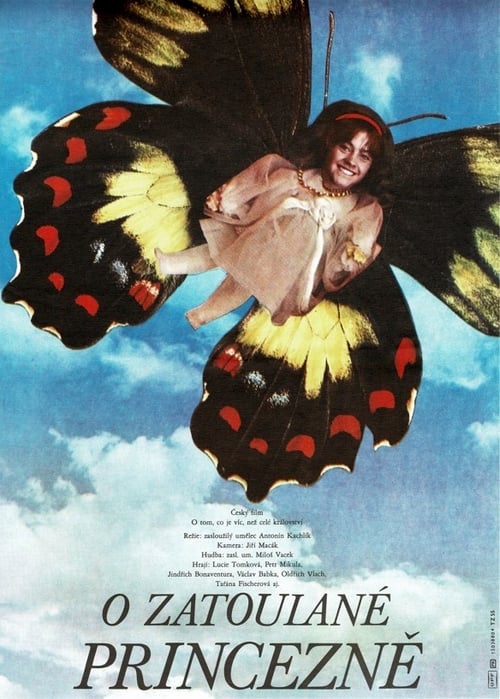
Princess Julia doesn't want to marry an old prince Hubert so she runs away from home. She meets two old magicians and join the circus, where she meets lovely Franta Kuldan and evil devil performer.
On a Wayward Princess
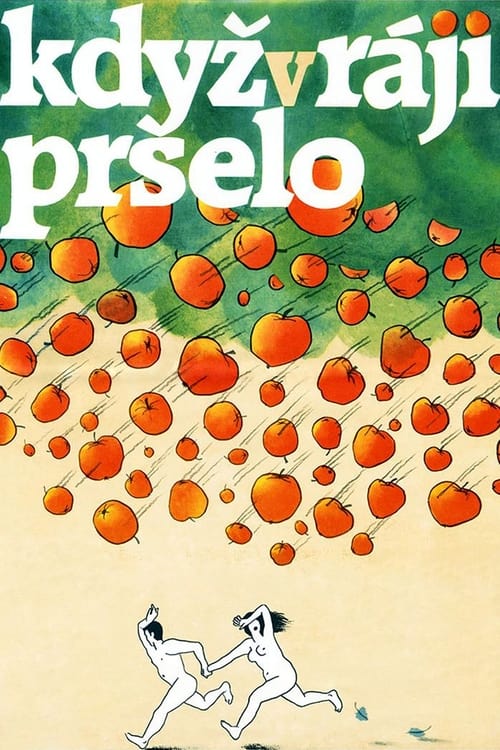
Petr and Lída Kadlec are moving to a dilapidated mill in the Bohemian Forest, which they plan to convert into a restaurant. Unsuspected obstacles from the locals get in the way of their dreams and ideas.
Když v ráji pršelo
A little boy, who has no time for his busy parents, solves his loneliness by befriending a dashing old man whose shed holds many surprising secrets and unseen things.
Červená kůlna
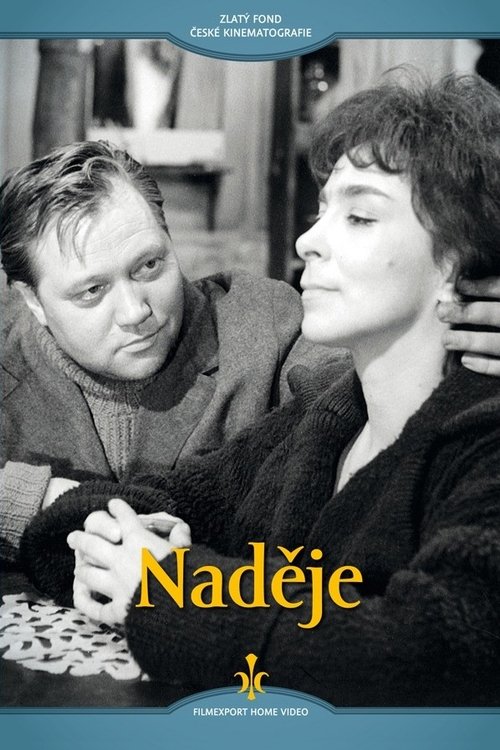
A group of outcasts, including a vagabond and a prostitute, gather at the outskirts of the industrial area of a large Czech city, one of the things that helps some of them survive is alcohol.