Acting
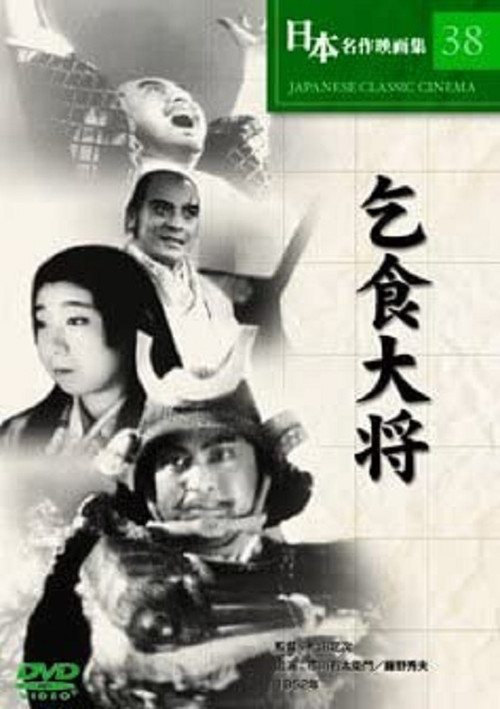
Gotō Matabei is the most able and fierce samurai of the Kuroda clan. However, he gradually dislikes the ruthless personality of Kuroda Nagamasa and leaves the clan. Seven years later, he joins Toyotomi Hideyori's army. Filmed in 1945 and released in 1952.
Early Japanese three-part samurai / fantasy serial.
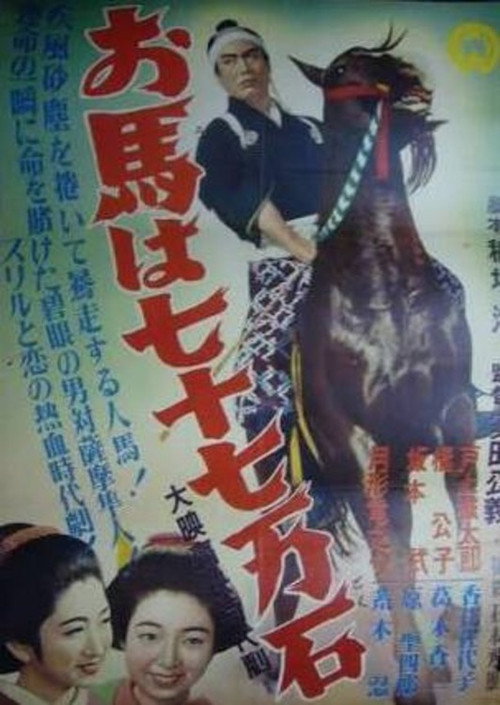
There is an inn named Asano Ya in the port town, and a beautiful woman works there. Every year, during a local festival, travelling artists and teachers gather from all over the country, including sesame oil sellers and organ grinders. The day before the festival, trouble arises with some horses.
A young samurai who’s strong in love but weak in compassion, with a string of eccentric antics, diving into the water, wielding his spear, and fighting valiantly.
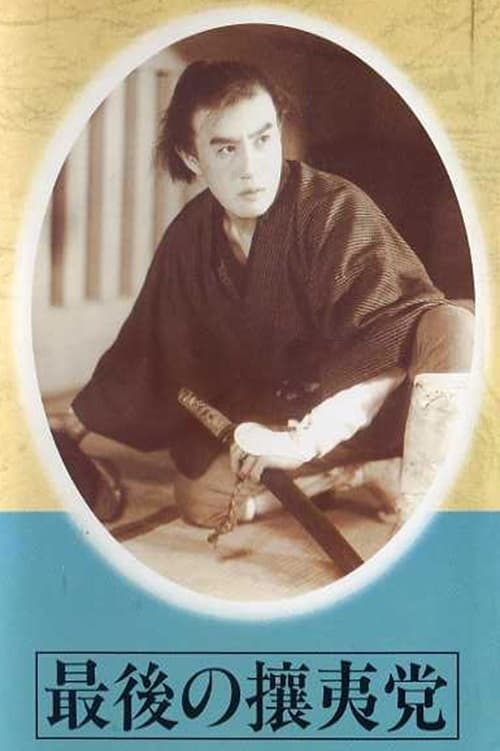
A ronin sets out on a journey with his horse, with no particular destination in mind. Re-released in 1953.
No description available.
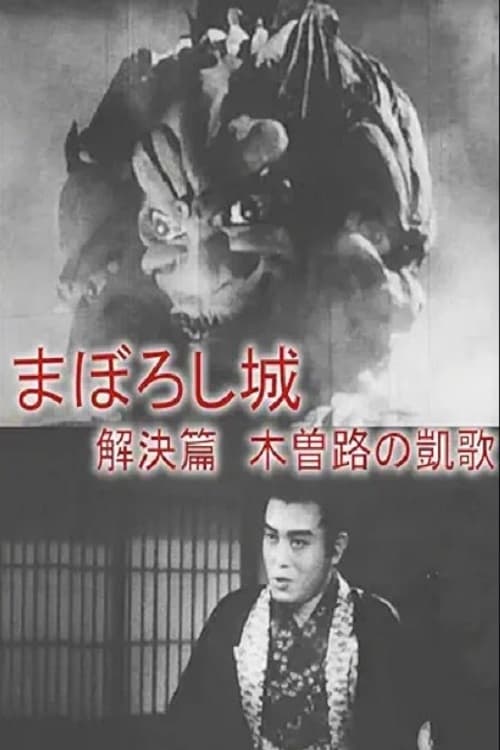
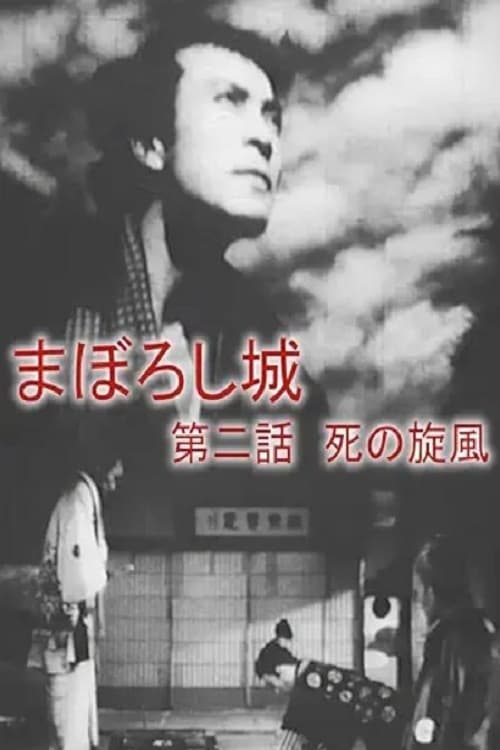
Tsukinosuke narrowly misses capturing the lord of the phantom castle by a hair's breadth. The mountain map was with Kirisaku at the Ashiwara residence, belonging to the phantom gang. Tsukinosuke heads to the Ashiwara residence to rescue Kirisaku, but in the meantime, the Matsudaira residence is attacked by the phantom gang... (Existing version. Please excuse any deterioration in image quality due to original conditions.)
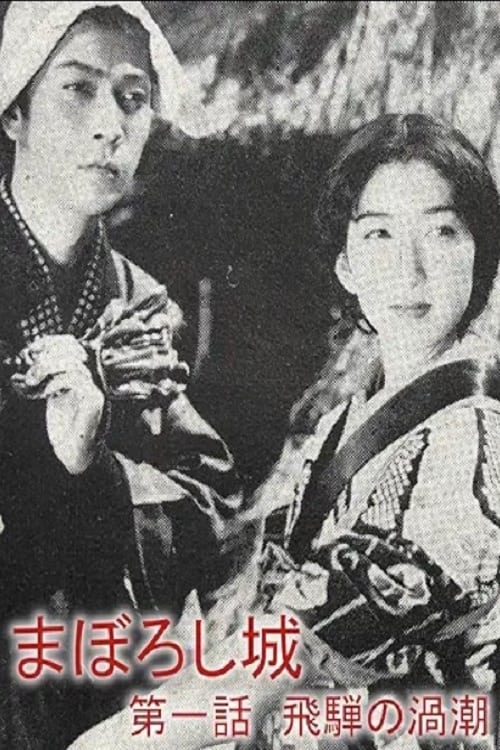
Mt. Norikura's natural fortress, the phantom castle. A white-clad iron mask, offering prayers to the eerie triple-faced deity of the Sennjogadake Rocks - the lord of the phantom castle, scheming to overthrow the Tokugawa shogunate that destroyed his lord. Sent by the shogunate to infiltrate Hida, Kigurumi Tsukinosuke's cover is blown... (Existing version. Please excuse any deterioration in image quality due to original conditions.)
Short film for the "A Commercial for Myself" programme.
1945 Japanese movie
The undercover agent Tsukinosuke Kigurumi successfully escapes with Kirisaku, who possesses the coveted Shinshu Mountain map targeted by the phantom gang, but loses the key to unlocking it. The one who picks up the key is Osumi, a female courier. (Existing version. Please excuse any deterioration in image quality due to original conditions.)