Acting
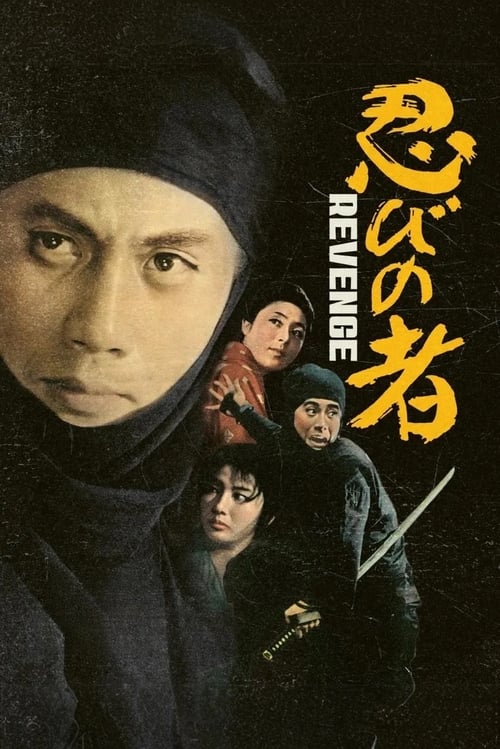
[Period covered: 1582-1594]. As the film opens, the warlod Nobunaga Oda rides to Iga Ayanokuni shrine. He is asked if he thinks he has destroyed all the ninja who opposed him and answers that he suspects that there may be more. A servant brings water and tests it first. The paige dies and we hear gunshots as two ninja flee the scene. His suspicions confirmed, Nobunaga oversees the execution of captured ninja and decides that, in the future, he needs a much crueler method of execution. The daimyo Hideyoshi comes to visit.
A story loosely based on the affair between Empress Kōken-Shōtoku and the monk Dōkyō, set during the Nara period (710–794 A.D.).
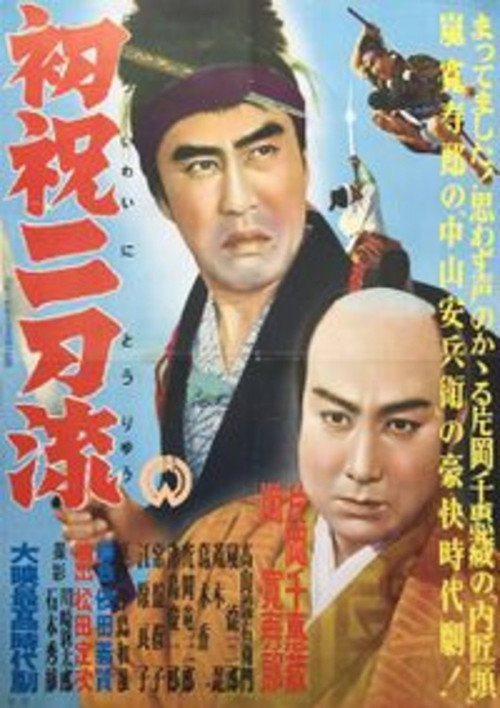
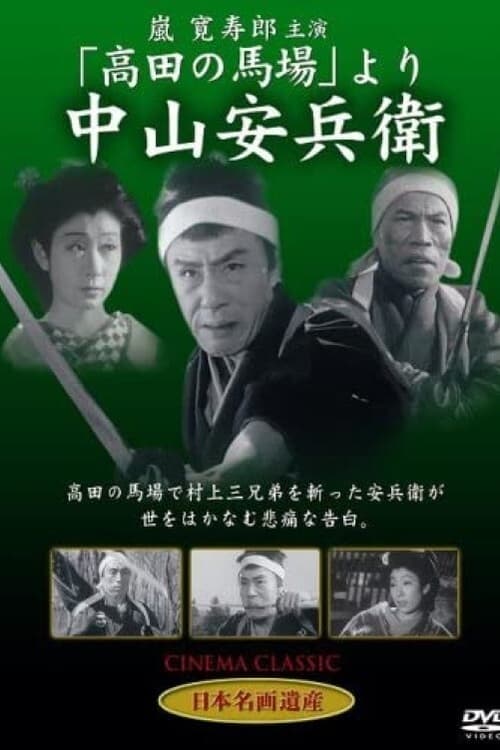
A whirlwind sweeps through Takadanobaba. The familiar fighter Yasubei stuns the city of Edo in this exhilarating tale of swordsmanship and human compassion.
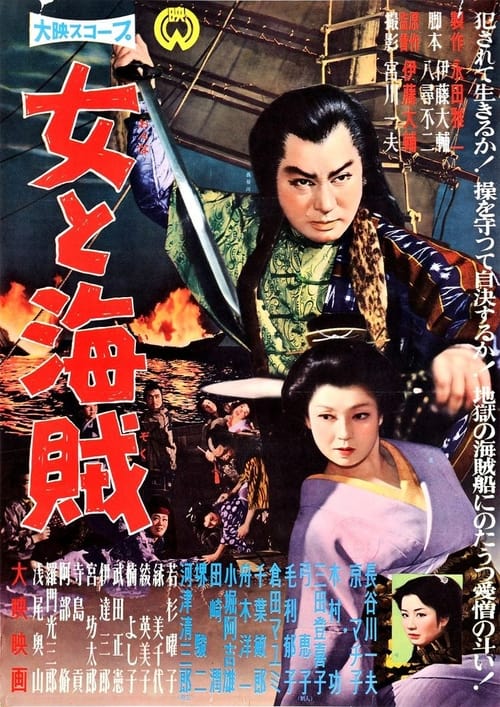
In the early Edo period, among the pirate ships that roamed the seas near Ryukyu and Korea, there was a ship called the Sueyoshi, led by a man known as Misaki Shogoro, who was infamous for his devilish cruelty. Shogoro had a rule: he would kill all the men from the ships he raided, while the women would be distributed among the crew for their pleasure. However, he himself never touched any woman. Aboard the ship was a young girl named Kogane, who had been raised on the ship since she was a child and dressed as a boy. Unbeknownst to others, she had grown to secretly adore Shogoro.
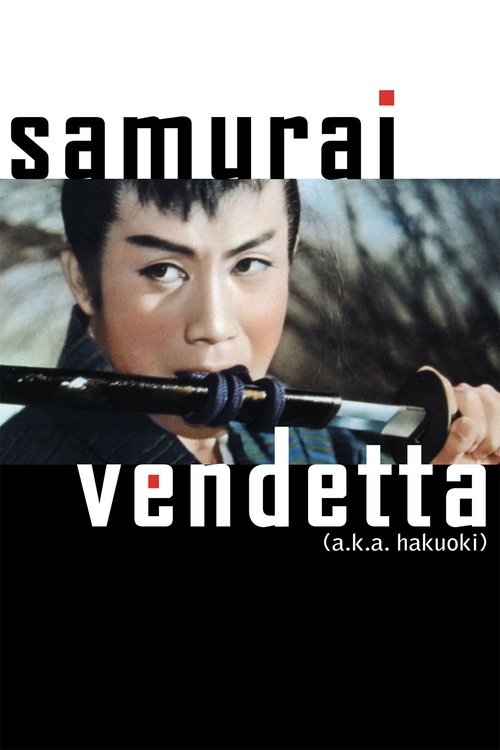
Two amiable samurai wind up on opposite sides of the vendetta between Lord Asano's retainers and the family of Lord Kira that led to the famous revenge of the 47 Ronin.
Satoko is a mistress by trade or fate: when her master, the silkscreen artist of the Kohoan Temple in Kyoto, dies, she is given to the temple's lascivious head priest Kikuchi. She is drawn to a melancholy young acolyte, Jinen, who has observed the profligacy of his cruel master and Satoko's utter dependence on the man. Jinen is both fascinated and disturbed by Satoko's interest in him; he is similarly caught between loathing of Kikuchi and of the dark circumstances of his birth and his own moral weakness. The story unfolds in a dreamlike manner—a flashback inspired by a now-infamous image on a silkscreen in the souvenir shop at the so-called Temple of the Wild Geese.
No description available.
Film directed by Kenji Misumi.
Hanpei is a gentle young samurai that loves flowers. One day, he witnesses an old man's quick draw of the sword. He is so impressed that he becomes the old man's pupil. Soon, Hanpei's skill of sword comes to attention of his lord. The lord orders him to assassinate a man...
There is an inn named Asano Ya in the port town, and a beautiful woman works there. Every year, during a local festival, travelling artists and teachers gather from all over the country, including sesame oil sellers and organ grinders. The day before the festival, trouble arises with some horses.
Returning to the village where a year before he had killed Hirate, a much-admired opponent, Zatoichi encounters another swordsman and former rival in love.
A film adaptation of the María Luz Incident from the early Meiji period that sparked widespread public debate.
Two sculptors spend the night in a mountain lodge after being caught in a snowstorm. A female spirit appears and takes the life of one of the men. She spares the other man's life on the condition that he never tell anyone what happened that night.
1962 Japanese movie. Remake of Mori's 1942 original movie
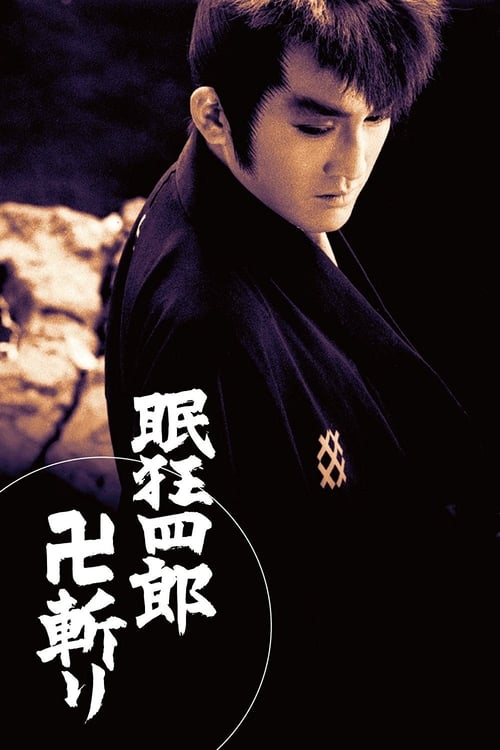
Getting an opportunity to meet with another half-Caucasian swordsman, Kyoshiro finds himself involved in a series of dangerous encounters.
Jidai-geki about the life of Yasubei Nakayama, a famous ronin who did participate in the revenge against Lord Kira Yoshinaka as detailed in Japan's famous epic Chushingura
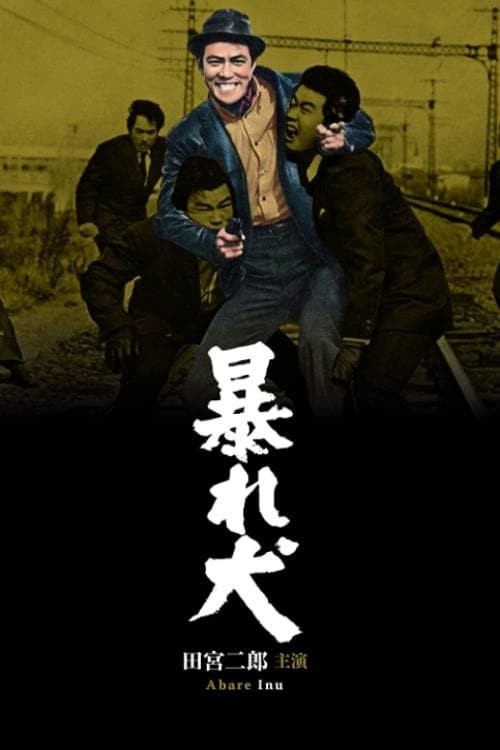
Abare inu is a 1965 action-comedy film directed by Kazuo Mori. It is the fourth film in the series.
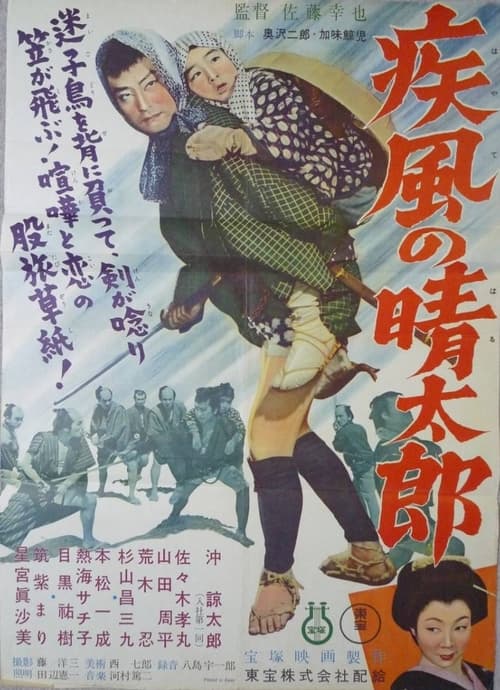
A historical drama directed by Yukiya Sato, and co-written by Rokuhei Susukita and Jiro Okuzawa. Seitarou, who travels from trip to trip, was asked by Fujisuke, who was killed in a mess at the Shinshu Oil Shop's gambling house, to deliver his child Shinkichi to his mother Megumi in the old Iwanjoya in Shiojiri, Shinshu. Megumi was crying day and night, worrying for her child. Masagoro, the boss of the land who had been aiming for the replacement of Iwanjoya, forced Megumi to marry his son Hyokichi. On the way, Seitarou and Shinkichi helped Rohno, who was looking for his fiancee....