André Hunebelle
Directing
Biography
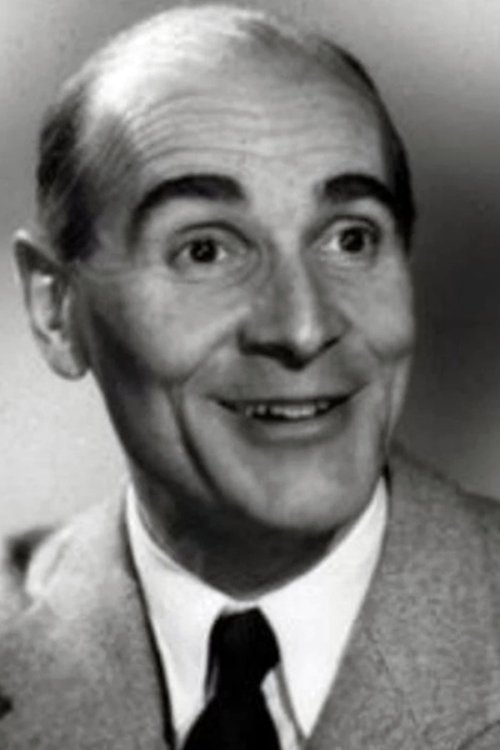
André Hunebelle (1 September 1896 – 27 November 1985) was a French maître verrier (master glassmaker) and film director. After attending polytechnic school for mathematics, he became a decorator, a designer, and then a master glass maker in the mid-1920s (first recorded exhibition PARIS 1927 included piece "Fruit & Foliage"). His work is known for its clean lines, which are elegant and singularly strong. He exhibited his own glass in a luxurious store located at 2 Avenue Victor-Emmanuel III, at the roundabout of the Champs Èlysées in Paris. Etienne Franckhauser, who also made molds for Lalique and Sabino, made the molds for Hunebelle's glass which was fabricated by the crystal factory in Choisy-le-Roi, France. Hunebelle's store ceased all activity in 1938 prior to World War II. Hunebelle pieces are marked in several ways. The most common is A.HUNEBELLE-FRANCE in molded capitals either within the glass design or on the base. Other pieces are marked simply A.HUNEBELLE. There was also a paper label with A and H superimposed in a stylized manner. Since paper labels are frequently lost, many pieces may appear completely unmarked. In the author's collection there are pieces marked A.HUNEBELLE both with and without the word FRANCE, and a bowl marked MADE IN FRANCE that is identical to one shown in a Hunebelle catalogue. Hunebelle also used a more elaborate maker's mark imprinted on some glass pieces which had the word FRANCE encircled by the words MADE IN FRANCE MODELLE DEPOSE et R COGNEVILLE and with A. HUNEBELLE underneath (reflects mid 1930s partnership with COGNEVILLE). In a short essay, he defined his stylistic aims as a glassmaker, explaining that he wanted to be "an adept of an abstract art where the geometric exactness, the poetry of line, and transparency are combined." He also patented techniques for producing exact mouldings of items. His glasswork displays a calculated modernism in contrast to influences derived from animals, plants and flowers which featured in the work of contemporaries such as René Lalique, Pierre D'Avesn and Marius-Ernest Sabino at the time. Hunebelle chose to focus on geometric forms, using technique and his scientific background to enhance light emission as much as possible. Surface contrasts, volume intersections, polished-non polished effects, geometry, light and poetry of line feature prominently in his work. Hunebelle employed both mold-blown and pressed-molded techniques in producing his pieces. Hunebelle was a publisher of a French newspaper called La Fleché. During World War II, he had no job until a friend Marcel Achard found him work in films for Production Artistique Cinématographique (P.A.C.) where he acted as an art director and later began producing films beginning with Leçon de conduite (1946). He directed his first film Métier de fous in 1948. His next three films were a film series of French film noir featuring Raymond Rouleau as a journalist character mixing with crime. All three had the titles beginning with the letter "M" in honour of author Pierre Benoît whose heroines all began with the letter "A". The films were written by Michel Audiard, a crime novelist. ... Source: Article "André Hunebelle" from Wikipedia in English, licensed under CC-BY-SA.

Known For

A talk show presented by Michel Drucker
Les Rendez-vous du dimanche

No description available.
Cinépanorama

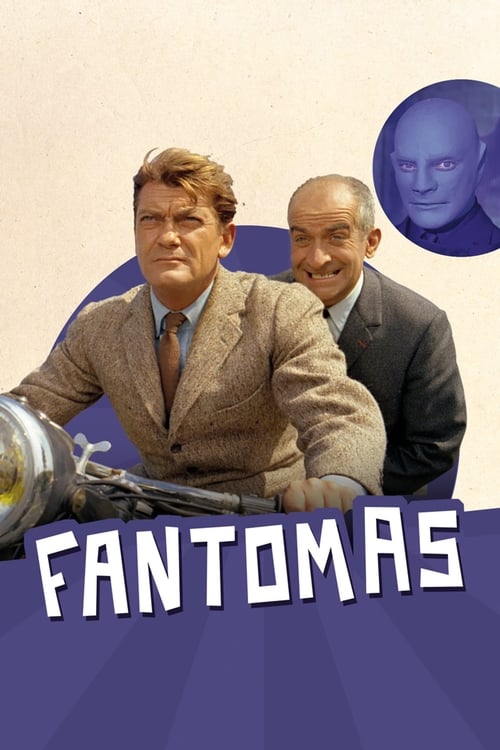
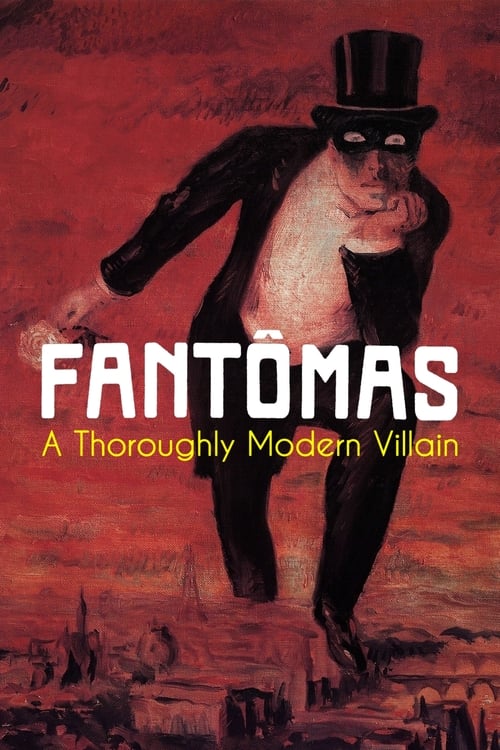
Fantômas is a man of many disguises. He uses maquillage as a weapon. He can impersonate anyone using an array of masks and can create endless confusion by constantly changing his appearance.
Fantomas

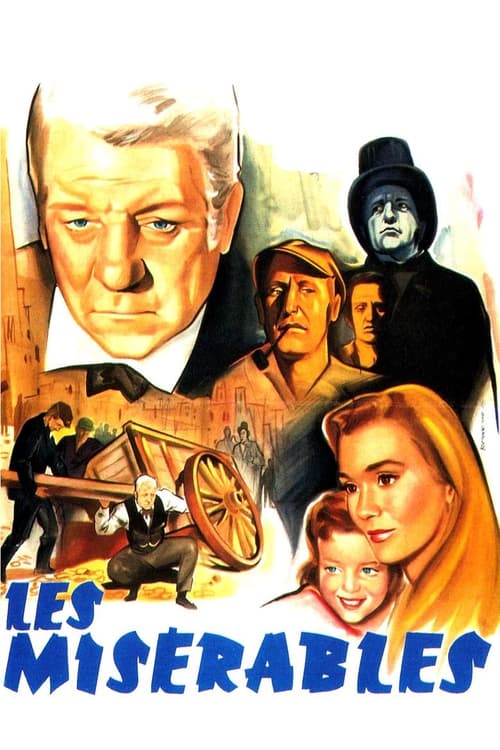
In 19th century France, Jean Valjean, a man imprisoned for stealing bread, must flee a relentless policeman named Javert. The pursuit consumes both men's lives, and soon Valjean finds himself in the midst of the student revolutions in France.
Les Misérables

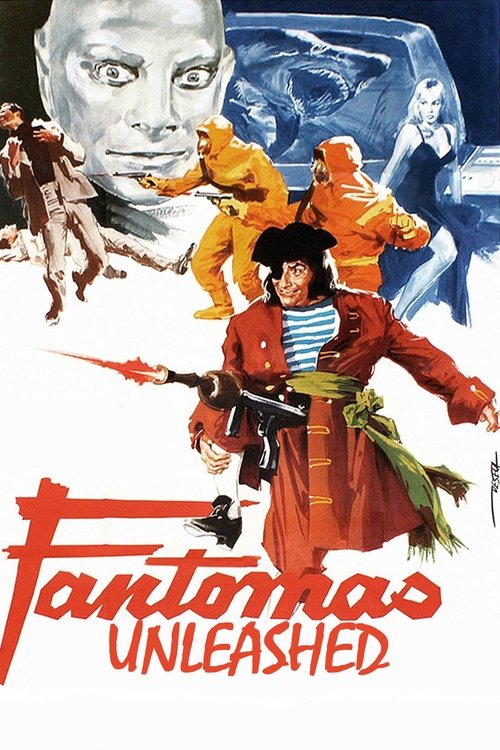
In the second episode of the trilogy Fantômas kidnaps distinguished scientist professor Marchand with the aim to develop a super weapon that will enable him to menace the world. Fantômas is also planning to abduct a second scientist, professor Lefebvre.
Fantomas Unleashed

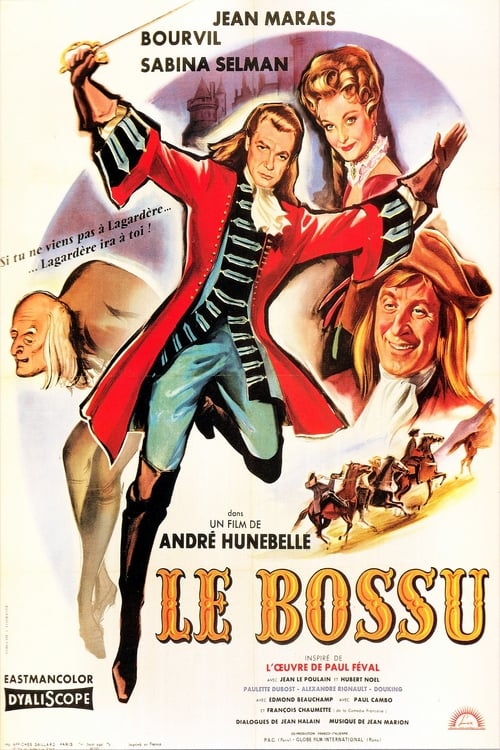
Duke Philippe de Nevers is an influential and popular man who is married to a beautiful wife called Aurore. His rival Philippe de Gonzague hates him enough to organise an attempt on him. The Duke is accompagnied by Henri de Lagardère when de Gonzague's henchmen altogether attack him. Lagardère cannot save his friend because the both of them are hopelessly outnumbered. He has to escape in order to save the Duke's daughter and swears revenge. Together with his old buddy Passepoil he raises the little girl in Spain. At the same time he returns frequently to France where he detects confronts his friend's murderers and puts them to the sword one by one until only their former leader is left. Finally he discovers that Philippe de Gonzague is the man for whom he is looking.
The Hunchback of Paris

In the third and final episode of the trilogy, Fantômas imposes a head tax on the rich, threatening to kill those who do not comply.
Fantomas vs. Scotland Yard

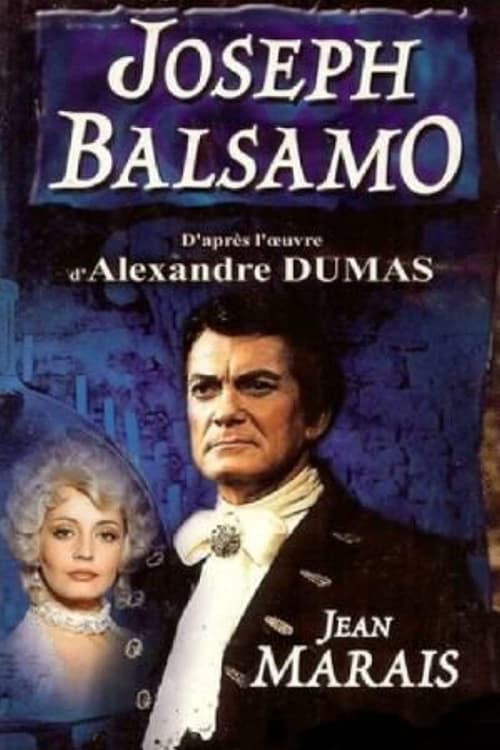
Balsamo, a scoundrel with the gift of mesmerism, seeks to gain power in the French court in the days before the Revolution.
Joseph Balsamo

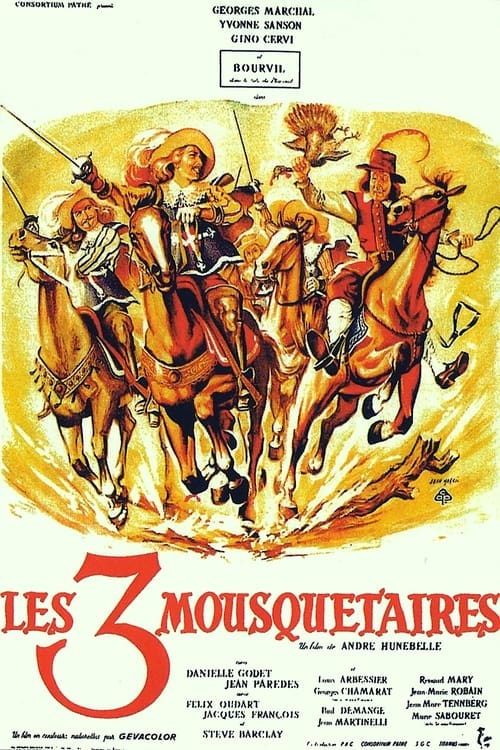
The umpteenth adaptation of Dumas' novel finds d'Artagnan and his friends promoting the love affairs of Anne of Austria and the Duke of Buckingham, incurring the wrath of the Cardinal and exposing themselves to the cold cruelty of Milady de Winter. Also featured are the tender Mme Bonacieux, the hilarious Planchet, the Queen's ferrets and Bethune's executioner, against a backdrop of clanging swords.
The Three Musketeers

A beautiful and sophisticated teenager is placed in a regimented French girls' boarding school after her father apparently commits suicide over a business scandal. She immediately gains admirers -- a lustful middle-aged artist, a handsome young composer, a fellow female student -- as well as a jealous rival. With the help of her schoolmates, she attempts to elope with the composer, but the adults catch on to the plot, and she is locked into her room at night.
The Twilight Girls

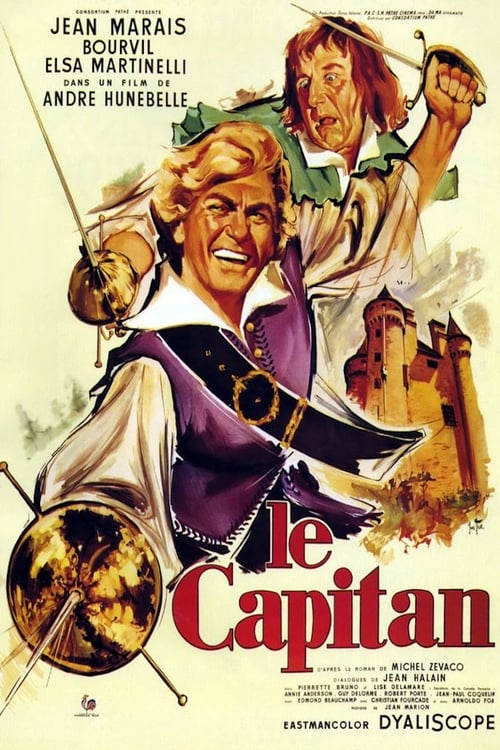
Le capitan is a 1960 French-Italian swashbuckler film directed by André Hunebelle and starring Jean Marais, Bourvil, Elsa Martinelli and Lise Delamare. It is based on a novel by Michel Zévaco.
Captain Blood

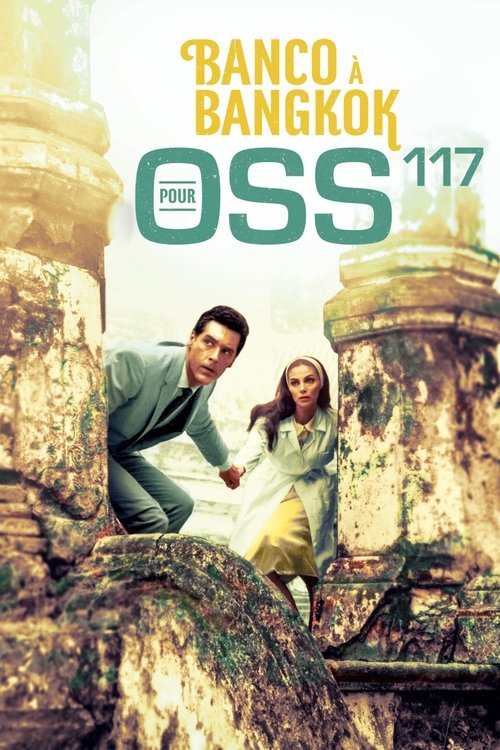
A secret agent sets out to stop an evil scientist who is about to unleash on the world a virulent biological strain he has developed during experiments on rats.
OSS 117: Panic in Bangkok

A secret agent is sent to the Middle East to destroy a gang of assassins.
OSS 117 Murder for Sale

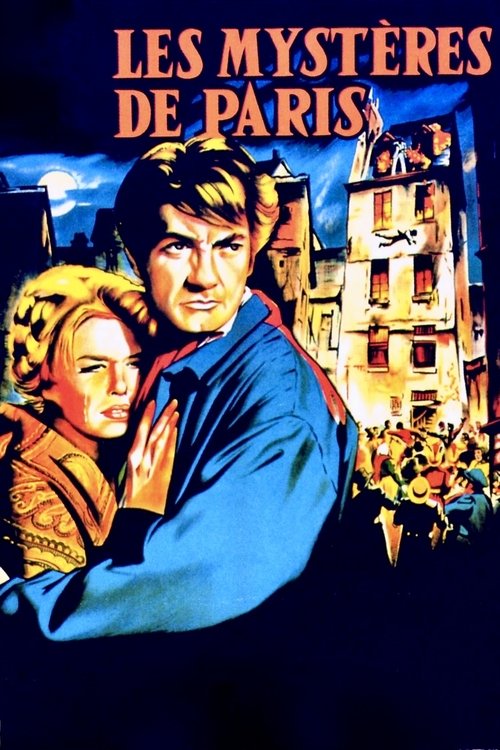
The Marquis Rodolphe de Sombrueil accidentally runs over a working man with his carriage and helps his widow -- unjustly accused of robbery -- to find her missing daughter.
The Mysteries of Paris

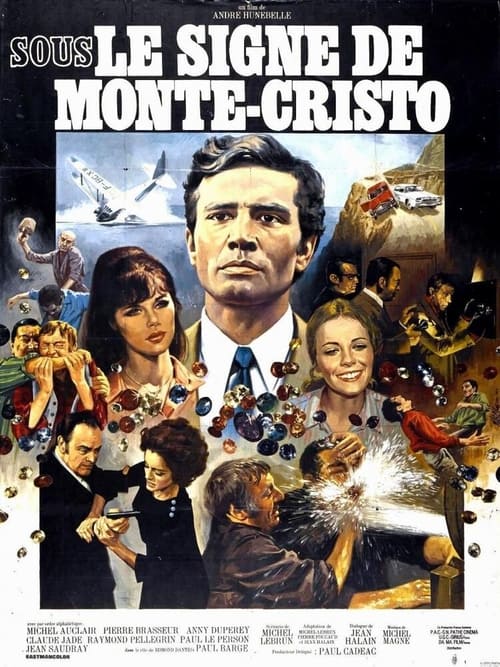
Edmond Dantès, who was active in the resistance against the Nazis, is accused for being a Nazi collaborator and is imprisoned in the fortress of Sisteron.
Sous le signe de Monte-Cristo

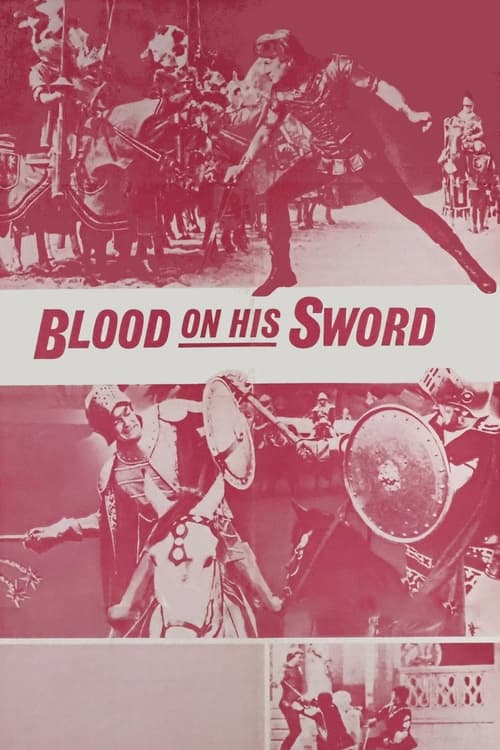
Charles le Temeraire asks in marriage Jeanne de Beauvais, daughter of King Louis XI, wishing to get her valuable lands in dowry. The King is wise to this, and since his daughter does not feel inclined to accept, he refuses. Charles sets up a plan to abduct the prince, in a way that the suspicions will fall upon Robert de Neuville, a noble enamoured of the princess. Robert manages to free her from the castle where she was being kept. Charles keeps setting traps, and managing people to perjure against Jeanne, and the King himself. Finally, Jeanne escapes alive from a pack of wolves, who set watching the lady alone in the snow covered woods, instead of attacking her. Charles does yet accuse her of being a witch - wishing to have her dead rather than being the wife of Robert... Robert will be her champion in a Judgement of God. Will the 'miracle of the wolfs' repeat itself, or fearless Charles defeat Robert in the sword duel?
Blood on His Sword
Léo Fardier is a police inspector who goes to prison undercover as a convict. He shares a cell with Mariani, a Corsican mafioso, whose trust he earns. The day Léo leaves prison, the criminal entrusts him with a letter to deliver to his estranged wife. He finds her, and she falls under his spell. The problem is that he, too, has fallen in love with her.
Série noire

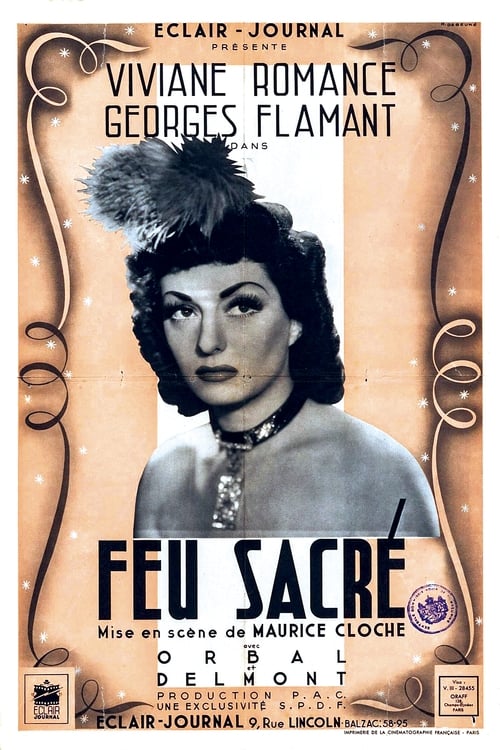
Catherine Miller's triumph at the Casino de Paris leads fashionable playwright Alexandre Gordi to ask her to create his next play. Flattered, Catherine moves into Gordi's villa near Cannes, escorted by her entire family. Only Jacques Merval, Gordi's secretary, disagrees. This is understandable, as it is he who writes the plays that Gordi, rather tired, simply signs. Jacques is a one-man band in every sense of the word, allying himself with the Casino manager to bring Catherine back to her music-hall successes. Despite a few clouds, and thanks to Gordi's generous intervention, he succeeds. Wasn't his only thought the happiness of the woman he loves?
Paris Casino

A chaotic family go on holiday to Spain and get mixed up with a gang of diamond thieves.
Taxi, Trailer and Bullfight

During the Second World War, Georges Masse undergoes a dangerous mission by taking secret documents from Tangiers to London.