Directing
No description available.
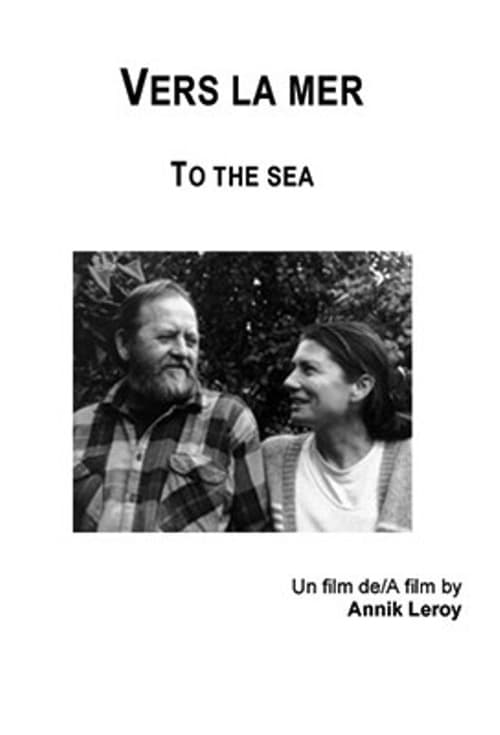
Starting in Germany before crossing into Austria, Slovakia, Hungary, Bulgaria and Romania, Vers la mer (To the Sea) is a documentary-voyage filmed in black-and-white by Annik Leroy, as she traces the River Danube from its source to the estuary of the Black Sea.
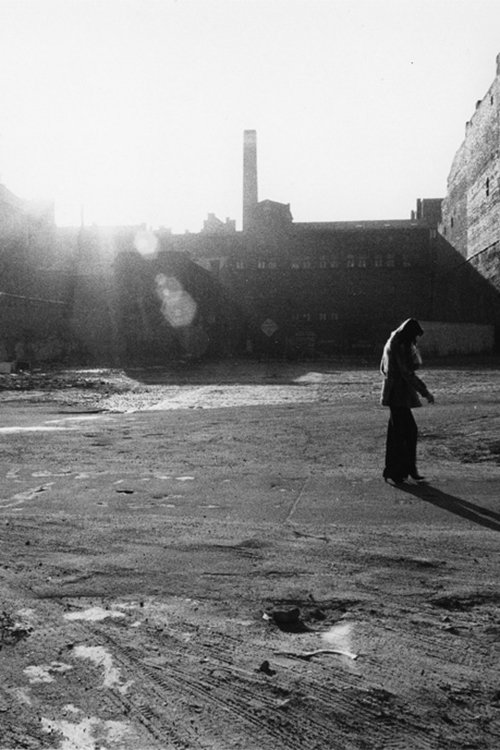
“With this film I try to retrace my journey, my story through the ruins, neighbourhoods, and streets of Berlin. I filmed the dialogue that took place between the city and myself, the wanderings in the old neighbourhoods (Moabit, Kreuzberg, Wedding), places where you can still find most of the traces of the past, or rather what’s left of them.” (AL)
This polyphonic film by the Belgian film artist about the history of Europe and art is an unforgettable, sensual journey between memory and nightmare. To a meditative, threatening soundtrack, we hear a series of monologues by poets and crazy people, mothers and children. Meanwhile, the image forces the eye to reflect on what and where.
In this film, co-written with Julie Morel, we find the same power and energy intact and deployed in two stages. First of all, four portraits in which we learn that practising art or thought has enabled each of the subjects to live through and confront the traumas born of social violence. For one of them it’s voluntary exile and survival thanks to the inner strength brought about by singing, for another, it’s retreating from the world and into writing. And for each of them, a unique path.
There is hardly any image in Cellule 719: from time to time we see a glimpse of water, but otherwise the film is mainly black. The texts that appear on the screen in grey are from ‘Ein brief Ulrike Meinhofs aus dem Toten Trakt’, a letter written in 1972 by the RAF member Ulrike Meinhof, when she was just imprisoned. For Annik Leroy, this video project is only an intermediate stop in a longer process, a study of the historical RAF and, even more so, into the psychological mechanisms of terror, and the personality structure of a public figure who is left alone in complete isolation with her most private self.
Ferne Stimmen : distant voices. That of Hannah Arendt, a poem of whose, written in honour of Walter Benjamin in 1942, is read in voice-over as we see images of walls and deserted streets in an abandoned village: Oradour-sur-Glane. That of Ulrike Meinhof, speaking of women’s position with regards to political commitment, or the survival of fascism in post-war Germany, as we see a woman in a cell akin to that of the political activist. Two german women, both of whom fought against nazism and its aftermath; two evocations of state violence and the struggles it engenders; two decentred frames that cover each other in turn, contaminate and pollinate one another in a palimpsest of eras of resistance.