Sandra Paugam
Directing
Known For

No description available.
Aux arts et cætera

No description available.
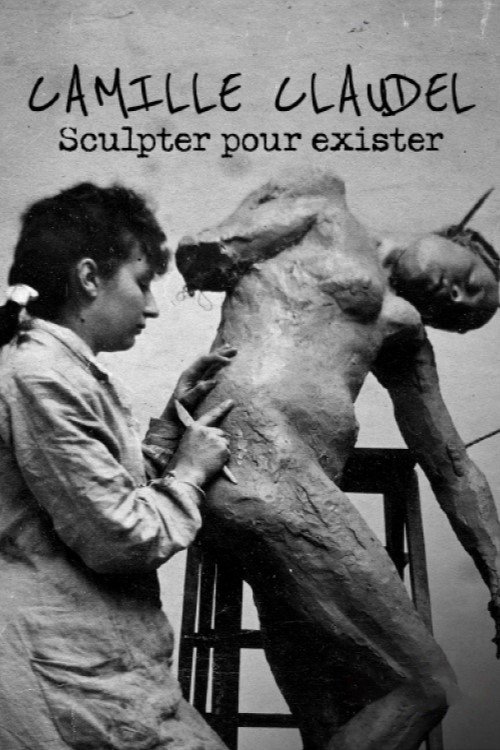
Camille Claudel, sculpter pour exister

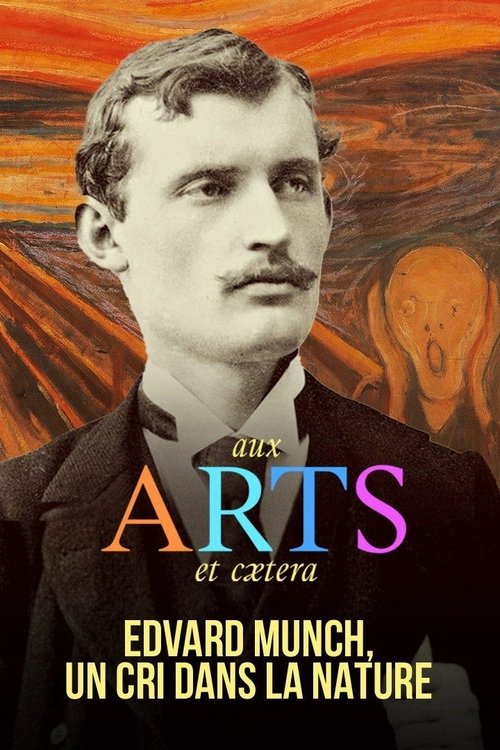
The Norwegian painter Edvard Munch is the author of a powerful body of work that is rooted in symbolism and expressionism. His most famous painting, "The Scream", painted in 1893, has become the symbol of existential anguish. He obsessively sought to express his most violent emotions in the face of death and love, bringing them together in a great whole, the "Frieze of Life". Nature, in perpetual movement, the bearer of vital momentum, helped him to exalt his anguish of living through its colors and undulating lines.
Edvard Munch : Un cri dans la nature

No description available.
Cocottes et courtisanes dans l’œil des peintres

No description available.
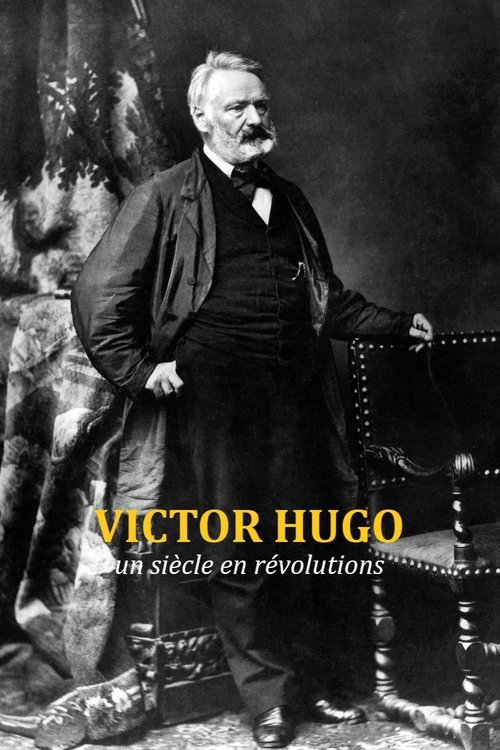
Victor Hugo, un siècle en révolutions

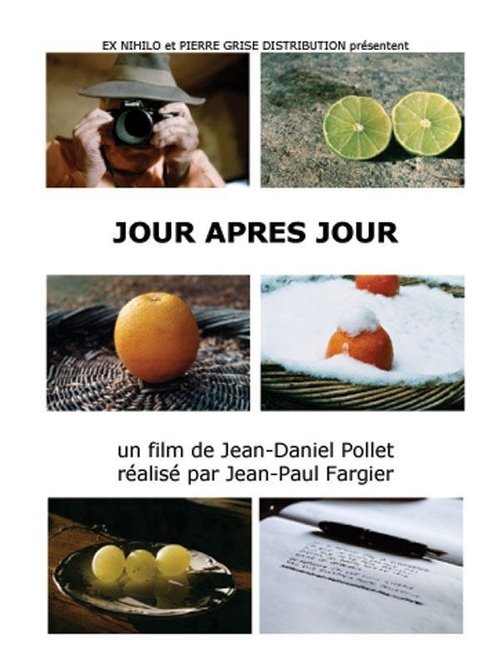
He inhabits the world just like he inhabits his house: motionless. A serious accident nailed him there: in a house in the middle of a large garden. No longer can he dash around the world: day after day, he contemplates it from his house. He’s a filmmaker. He’s only ever lived to make movies.
Day After Day

No description available.
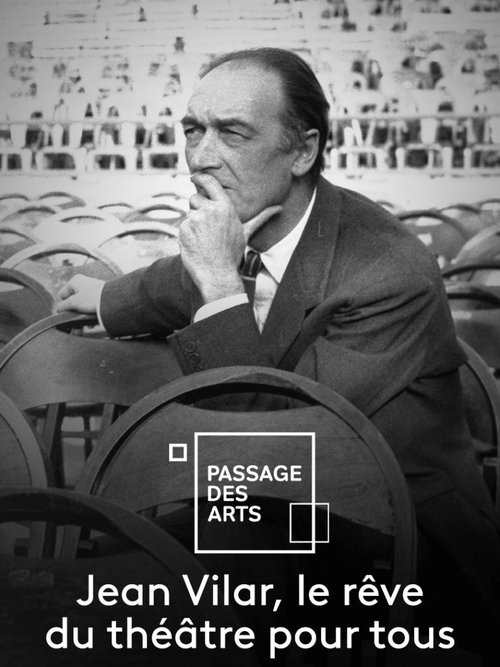
Jean Vilar, le rêve du théâtre pour tous

No description available.
Léonard de Vinci : La Manière moderne
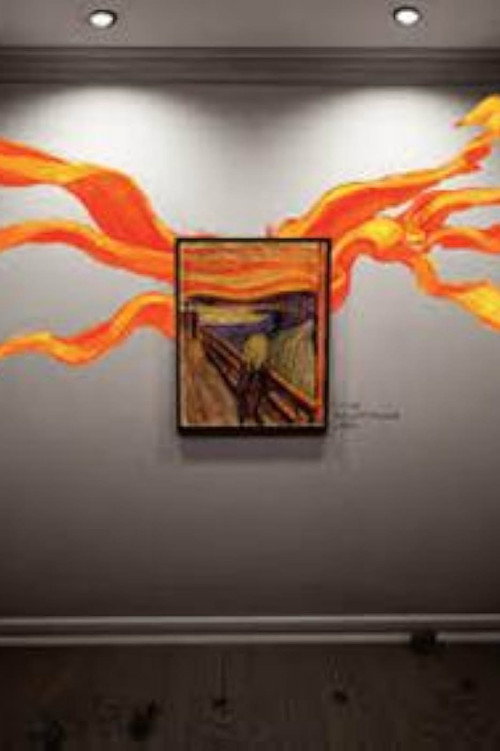
Edvard Munch's The Scream has been universally reproduced. The famous face distorted by fear has so much struck the human imagination that it is now used as an emoji to express anguish. But how well do you know this iconic painting? Munch's demons and ghosts escape from the canvas to plunge you into the sources of the master's inspiration - and pass on some interesting secrets.
The Scream

No description available.
Le Cri

No description available.
Peintres femmes, entre ombre et lumière (1780-1830)

Every Tuesday, Mallarmé received guests, and people flocked to his house to hear him. Renoir, Gide, Claudel, Henri de Régnier, Barrès, Debussy and Valéry were among those who listened to these evenings. In their diaries or correspondence, the American poet Sadakitchi Hartman, Mallarmé's son-in-law Edmond Bonniot, and the French poet Jean de Tinan evoke the Master, standing in front of the tiled stove, recounting repartees, aphorisms, judgements, anecdotes, sentences and memories. A documentary mixing photos, objects, drawings, engravings and real shots attempts to restore the place, the small dining room, its furniture, and the ritual of the evenings with the chairs that are brought in, the punch that is offered, the tobacco that is smoked. Jean-Paul Fargier once again brings together these prestigious listeners in the setting he has reconstructed.